10 Best Dog Breeds That Can Be Left Alone (2026 Guide)
Quick Answer
The best dog breeds for being left alone are Basenjis, Greyhounds, Chow Chows, Shar-Peis, Lhasa Apsos, Basset Hounds, Shiba Inus, French Bulldogs, Chinese Crested Dogs, and Boston Terriers. These breeds share low-to-moderate energy, independent breeding histories, and a track record of settling calmly without their owner home. No breed guarantees zero separation anxiety, but the right match makes solo time far easier.
What decides how well a dog handles being alone:
- Breeding history — guardian and hunting breeds are used to working solo
- Energy level — a well-exercised dog settles faster than a wired one
- Early training — crate comfort and gradual alone-time practice matter more than breed
Before you pick a breed:
- Match energy level to your daily schedule, not just looks
- Plan for no more than 6-8 hours alone, even with a good fit
- Budget for a dog walker or midday break if you work long shifts
Your dog stares at you by the door. You feel guilty before you’ve even left the driveway. That scene plays out every morning in millions of homes, and it’s exactly why so many people search for a dog that won’t fall apart when they’re not around.
I’m going to walk you through the breeds that genuinely handle solo time well, based on breed history, temperament data from the American Kennel Club, and veterinary behavior guidance. No fluff, no guesswork.
- Independence comes from breeding purpose, not size or cuteness
- Even the calmest breeds still need daily exercise and mental stimulation
- No dog should regularly go more than 6 to 8 hours without a break
- Training and routine matter as much as breed choice


What Makes a Dog Breed Good at Being Left Alone?
A dog handles alone time well when its ancestors were bred to work or watch without constant human direction. Guardian breeds, sighthounds, and self-reliant hunting dogs top this list. Lap dogs bred purely for companionship, like Chihuahuas or Toy Poodles, tend to struggle more, since their whole job for centuries was staying close to a person.
Here’s the thing — separation anxiety is often behavioral, not purely genetic. A well-bred, well-trained companion breed can still do fine alone, and an “independent” breed can still struggle without the right routine. Breed just stacks the odds in your favor.
Three traits show up again and again in dogs that cope well alone: lower reactivity to noise, moderate rather than explosive energy, and a history of guarding or hunting solo. So what does that mean for you? If your dog was bred to patrol a monastery or track scent alone through a forest, quiet time at home feels natural rather than stressful.
What most people get wrong: they assume small dogs are automatically easier to leave alone. Many toy breeds were bred specifically as constant companions, so they’re actually more prone to anxiety than a mid-size guardian breed.
The 10 Best Dog Breeds That Can Be Left Alone
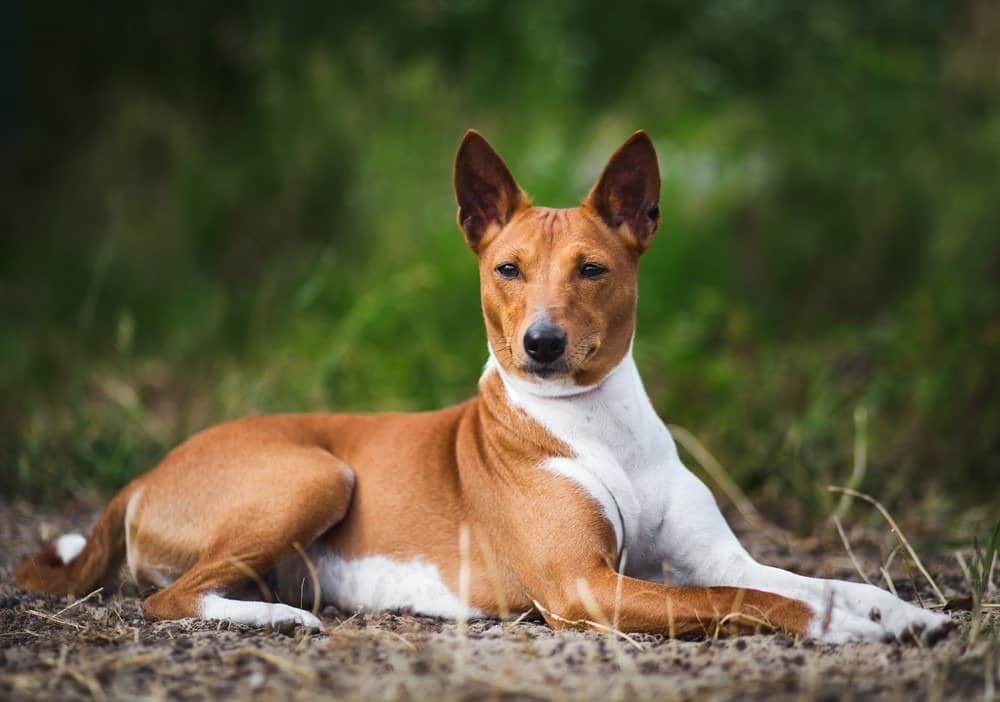
1. Basenji — “The Independent Watcher”
 Save
Save| Weight | 22-24 lbs |
| Height | 16-17 in |
| Lifespan | 12-14 years |
| Energy Level | Moderate to high |
| Grooming Need | Low |
| Shedding | Low |
The Basenji is a small African hunting breed known for its near-silent, cat-like independence. Weighing 22 to 24 lbs, it grooms itself and rarely barks, though it does “yodel.” Basenjis were bred to hunt alone by scent, and that self-reliance carries straight into modern apartment life.
Its short coat curls tightly at the tail, and its wrinkled forehead gives it an alert, almost quizzical expression.
Basenjis bond hard with one person but don’t panic when that person leaves. Give one a puzzle feeder, and it may barely notice you’re gone.
- Rarely barks, ideal for thin apartment walls
- Self-grooms like a cat
- Handles alone time with genuine calm
- Strong prey drive around small pets
- Stubborn, needs consistent training
- Escapes fenced yards if bored
Best for: Apartment dwellers · Experienced owners · Single-pet households
2. Greyhound — “The Couch Potato Athlete”
| Weight | 60-70 lbs |
| Height | 27-30 in |
| Lifespan | 10-13 years |
| Energy Level | Low (after short sprints) |
| Grooming Need | Very low |
| Shedding | Low |
The Greyhound is the world’s fastest dog breed, yet spends most of its day asleep. Weighing 60 to 70 lbs, it needs only short bursts of sprinting rather than long exercise sessions. Calm, quiet, and low-maintenance, the Greyhound suits owners who want a large dog that naps through the workday.
Its lean, sculpted body and deep chest look built for speed. Even standing still, a Greyhound looks like it’s mid-stride.
You might expect a racing breed to be restless indoors. The surprise: retired racing Greyhounds are famously described as “40 mph couch potatoes.”
- Needs only short daily exercise bursts
- Very quiet indoors
- Short coat means minimal grooming
- Thin coat means it feels cold easily
- High prey drive around cats or small dogs
- Sensitive to loud, chaotic homes
Best for: Calm households · Owners with a fenced yard · People who want a large low-energy dog
3. Chow Chow — “The Aloof Guardian”
| Weight | 45-70 lbs |
| Height | 17-20 in |
| Lifespan | 9-15 years |
| Energy Level | Low to moderate |
| Grooming Need | High |
| Shedding | High (seasonal) |
The Chow Chow was bred as a companion to Chinese emperors, and it still carries that regal detachment today. Weighing 45 to 70 lbs, it rarely barks and doesn’t crave physical closeness the way many breeds do. Reserved with strangers but calm alone, the Chow Chow suits owners who want a dignified, low-drama dog.
Its lion-like mane and blue-black tongue make it one of the most recognizable breeds alive. It moves with a stiff, almost formal gait.
You’d expect that thick fur to mean a needy, cuddly dog. The reality: Chow Chows would rather not be hugged at all, much like a cat.
- Rarely barks or disturbs neighbors
- Naturally calm when left alone
- Loyal, steady watchdog instinct
- Heavy shedder twice a year
- Wary of strangers, needs early socializing
- Prone to overheating in summer
Best for: Experienced owners · Quiet single-person homes · Cooler climates
4. Chinese Shar-Pei — “The Wrinkled Sentry”
| Weight | 45-60 lbs |
| Height | 18-20 in |
| Lifespan | 9-11 years |
| Energy Level | Low to moderate |
| Grooming Need | Moderate (wrinkle care) |
| Shedding | Low to moderate |
The Shar-Pei was bred to guard property on its own, so calm solitude is built into the breed. Weighing 45 to 60 lbs, it’s more likely to patrol the house briefly, then settle into a long nap. Reserved, low-energy, and quiet, the Shar-Pei rarely shows destructive behavior when left alone.
Its deep wrinkles and blue-black tongue give it a look nothing else in the dog world quite matches.
People assume all those wrinkles mean a fussy, high-maintenance dog. In truth, its exercise needs are modest — the coat is the real upkeep item.
- Settles quickly, rarely destructive alone
- Low to moderate exercise needs
- Naturally quiet, minimal barking
- Wrinkles need regular cleaning
- Can be stubborn without training
- Wary of strangers and other dogs
Best for: Experienced owners · Homes wanting a guard dog · Low-activity households
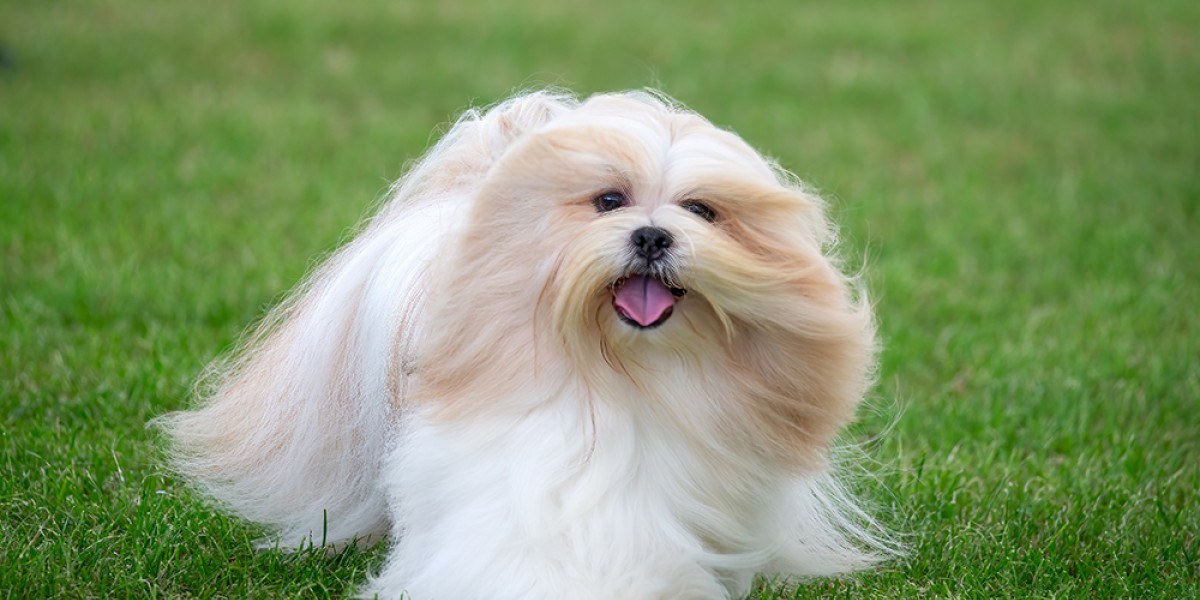
5. Lhasa Apso — “The Tiny Watchdog”
 Save
Save| Weight | 12-18 lbs |
| Height | 10-11 in |
| Lifespan | 12-15 years |
| Energy Level | Moderate |
| Grooming Need | High (daily brushing) |
| Shedding | Low |
The Lhasa Apso was bred as an indoor watchdog for Tibetan monasteries, working alone long before it ever met a family. Weighing just 12 to 18 lbs, it forms close bonds but doesn’t demand constant attention like most toy breeds. This small dog stays confident and composed once its owner walks out the door.
Its long, flowing coat and dark, expressive eyes hide a surprisingly sturdy little body underneath.
You’d think a lap-dog-sized breed would panic alone. Instead, Lhasa Apsos will bark once to mark your exit, then calmly return to guard duty.
- Confident and composed alone
- Great fit for small apartments
- Low-shedding, allergy-friendly coat
- Coat mats fast without daily brushing
- Stubborn, selective about listening
- Wary of strangers at first
Best for: Apartment living · Seniors · First-time small-dog owners
6. Basset Hound — “The Unbothered Nose”
| Weight | 40-65 lbs |
| Height | 13-15 in |
| Lifespan | 12-13 years |
| Energy Level | Low |
| Grooming Need | Low |
| Shedding | Moderate |
The Basset Hound is a scent hound built for slow, methodical, solo tracking work. Weighing 40 to 65 lbs on short legs, it has a famously calm and mild temperament. Gentle and headstrong rather than clingy, the Basset Hound tolerates being alone for several hours without much fuss.
Those long, floppy ears help trap scent near the nose, and the droopy, soulful eyes make this one of the most recognizable hound faces around.
Its low energy might suggest a lazy pet. The real story: that calm comes from confidence, not boredom — Bassets are simply unbothered by solitude.
- Mild, easygoing temperament
- Tolerates several hours alone calmly
- Great with kids and other pets
- Prone to weight gain if under-exercised
- Stubborn during training sessions
- Drools and sheds moderately
Best for: Families with kids · Multi-pet homes · Owners wanting a low-energy dog
7. Shiba Inu — “The Confident Loner”
| Weight | 17-23 lbs |
| Height | 13-17 in |
| Lifespan | 13-16 years |
| Energy Level | Moderate to high |
| Grooming Need | Moderate |
| Shedding | High (seasonal) |
The Shiba Inu is a spirited Japanese breed known for its fox-like looks and independent streak. Weighing 17 to 23 lbs, it needs solid daily exercise but rewards you with calm, self-sufficient behavior once that need is met. Alert and intelligent, the Shiba Inu handles alone time well after a good walk and a puzzle toy.
Its curled tail, pointed ears, and confident stance give it an almost wild, fox-like silhouette.
People expect a “spirited” breed to be hyper indoors. In reality, a properly exercised Shiba often settles into quiet, cat-like independence at home.
- Self-grooms, stays clean between baths
- Settles well after daily exercise
- Alert but not an excessive barker
- Needs 45+ minutes of exercise daily
- Stubborn, hard to recall off-leash
- Heavy seasonal shedding
Best for: Active owners · Experienced dog handlers · Homes with a fenced yard
8. French Bulldog — “The Low-Key City Dog”
| Weight | 16-28 lbs |
| Height | 11-13 in |
| Lifespan | 10-14 years |
| Energy Level | Low to moderate |
| Grooming Need | Low |
| Shedding | Moderate |
The French Bulldog is a compact, muscular companion breed that adapts easily to apartment life. Weighing 16 to 28 lbs, it has modest exercise needs and a relaxed daily rhythm. Affectionate but not frantic, the French Bulldog can settle for several hours alone once it trusts its routine.
Its bat-shaped ears and stocky, muscular build make it instantly recognizable on any city sidewalk.
You might assume such an affectionate breed can’t cope without company. Many actually nap through the whole workday, waking only for meals and a stretch.
- Great fit for small apartments
- Low daily exercise requirement
- Generally quiet, minimal barking
- Flat face makes heat tolerance poor
- Prone to breathing and joint issues
- Can develop anxiety without routine
Best for: Apartment dwellers · Mild climates · First-time owners
9. Chinese Crested — “The Cat-Like Companion”
| Weight | 8-12 lbs |
| Height | 11-13 in |
| Lifespan | 13-15 years |
| Energy Level | Moderate |
| Grooming Need | Low to moderate |
| Shedding | Very low |
The Chinese Crested is a small, hairless-or-coated companion breed that is unusually calm and quiet for its size. Weighing just 8 to 12 lbs, it’s less bothered by loud noises than most toy breeds, which lowers overall anxiety. Clean, low-shedding, and mellow, it copes with solo time better than its lap-dog looks suggest.
The Hairless variety has soft, warm skin and tufts of fur on the head, tail, and feet, while the Powderpuff variety carries a full silky coat.
You’d guess a hairless toy breed would be high-strung. Research actually points the other way — Chinese Cresteds show lower noise sensitivity than many small breeds, which helps keep them calm alone.
- Low sensitivity to household noise
- Minimal shedding, easy cleanup
- Gets along well with cats
- Hairless skin needs sun protection
- Small size limits alone time to a few hours
- Sensitive to cold temperatures
Best for: Cat-owning households · Mild indoor climates · Owners wanting a quiet small dog
10. Boston Terrier — “The Independent Tuxedo Dog”
| Weight | 12-25 lbs |
| Height | 15-17 in |
| Lifespan | 11-13 years |
| Energy Level | Moderate |
| Grooming Need | Low |
| Shedding | Low |
The Boston Terrier is one of the few terrier-type breeds that rarely struggles with separation anxiety. Weighing 12 to 25 lbs, it’s intelligent, adaptable, and comfortable in apartments or houses alike. Playful but not clingy, the Boston Terrier makes a dependable companion for owners who work standard hours.
Its “tuxedo” black-and-white coat and large, round eyes give it an unmistakable, friendly expression.
Terriers have a reputation for being high-strung. The Boston Terrier breaks that pattern, settling calmly once its short daily walk is done.
- Rarely develops separation anxiety
- Compact and apartment-friendly
- Easy short coat to maintain
- Flat face can affect breathing in heat
- Can be stubborn during training
- Sometimes hyperactive indoors
Best for: Apartment living · Older adults · First-time owners
How Do These 10 Breeds Compare Side by Side?
Among these ten breeds, the Basset Hound and Greyhound need the least daily exercise, while the Shiba Inu needs the most. The Chinese Crested and Lhasa Apso suit the smallest living spaces, and the Chow Chow and Shar-Pei need the most grooming attention. Match the table below against your daily schedule before deciding.
| Breed | Size | Energy | Grooming | Best Home |
|---|---|---|---|---|
| Basenji | Small | Mod-High | Low | Apartment |
| Greyhound | Large | Low | Very Low | House with yard |
| Chow Chow | Medium | Low-Mod | High | Quiet home |
| Shar-Pei | Medium | Low-Mod | Moderate | Experienced owners |
| Lhasa Apso | Small | Moderate | High | Apartment |
| Basset Hound | Medium | Low | Low | Family home |
| Shiba Inu | Small-Med | Mod-High | Moderate | Active owners |
| French Bulldog | Small | Low-Mod | Low | Apartment |
| Chinese Crested | Small | Moderate | Low-Mod | Indoor, mild climate |
| Boston Terrier | Small-Med | Moderate | Low | Apartment or house |
Which Breed on This List Fits Your Situation?
Your best match depends on your schedule, home size, and experience level more than raw independence rankings. A tired, well-exercised dog settles better than an “independent” breed left bored and understimulated. Use the scenarios below to narrow your choice before you commit.
- If you work long hours in a small apartment → the Chinese Crested or French Bulldog fits best.
- If you have a fenced yard and want a large, calm dog → the Greyhound is your strongest option.
- If you’re a first-time owner who wants minimal drama → the Boston Terrier or Basset Hound is easier to manage.
- If you can commit to daily exercise and firm training → the Shiba Inu or Basenji rewards you with true independence.
No breed on this list should regularly go more than 6 to 8 hours alone. Puppies, seniors, and dogs with health issues need shorter stretches and midday breaks.
What Do New Owners Get Wrong About Leaving a Dog Alone?
Most new owners assume breed alone decides how a dog copes with solitude, but training and routine matter just as much. A calm breed left with no structure, no exercise, and no gradual practice can still develop anxiety. The fix isn’t picking a “perfect” breed — it’s pairing the right breed with the right preparation.
Here’s what trips people up most: leaving a brand-new dog alone for a full 8-hour day on day one. That’s a shock to any dog, regardless of breed.
Instead, build up alone time gradually. Start with 10 minutes, then 30, then an hour, before working toward a full workday.
Do a short walk or play session before you leave. A dog that’s already tired settles into alone time far faster than one that’s still full of energy.
Dog Care Essentials for Owners Who Work Full Time
Dogs left alone during work hours need three things covered: exercise before you leave, mental stimulation while you’re gone, and a consistent return routine. Puzzle feeders, chew toys, and a comfortable resting spot near a window all help fill the gap. Consistency matters more than any single product you buy.
A 20 to 30 minute walk before work burns off morning energy. Follow it with a slow-feeder puzzle, and most breeds on this list settle into a nap within the hour.
So what does that mean for your afternoon? A tired dog with something to chew on is far less likely to bark, pace, or scratch at the door.
If you’re gone longer than 6 to 8 hours regularly, a dog walker or midday doggy daycare visit closes that gap. This matters even for the most independent breeds on this list.
Frequently Asked Questions
Can any dog breed be left alone all day?
No breed should regularly be left alone for a full 8 to 10 hour workday without a break. Even the calmest breeds on this list need a bathroom break, food, and water within 6 to 8 hours. A dog walker or midday visit helps close that gap.
What is the calmest dog breed to leave home alone?
The Chow Chow and Basset Hound rank among the calmest, thanks to naturally low energy and reserved temperaments. Both settle quickly once you leave and rarely show destructive behavior. Still, both need daily exercise to stay balanced.
Do small dogs handle being alone better than large dogs?
Not necessarily — breeding history matters more than size. Toy breeds like Chihuahuas were bred for constant companionship and often struggle alone, while larger guardian breeds like the Greyhound settle calmly for hours.
How can I train my dog to be okay alone?
Start with short absences of 5 to 10 minutes and build up gradually over days or weeks. Pair departures with a puzzle toy or chew, and keep your goodbyes low-key. Consistency matters more than the length of any single session.
What are signs my dog is not coping well alone?
Watch for destructive chewing, excessive barking, house-soiling, or pacing near the door when you’re gone. Mild whining as you leave is normal; ongoing distress throughout your absence is not. A veterinarian or certified trainer can help if these signs continue.
The Bottom Line
Independence comes from breeding history first, size second. Basenjis, Greyhounds, Chow Chows, and the other breeds on this list share a genuine capacity for calm solitude.
But no breed replaces good training and a solid daily routine. This guide covers breed selection for alone time; if your dog is already showing signs of separation anxiety, you’ll want a step-by-step behavior training plan on top of this.
One thing to do right now: if you’re considering a new dog, write down your actual daily schedule — hours away, activity level, home size — and match it against the comparison table above before you fall for a cute face.
Sources: American Kennel Club,
ASPCA — Separation Anxiety in Dogs
Thomas Cutter is a lifelong dog owner and the founder of FindOutAboutDogs.com. With over 10 years of hands-on experience owning multiple breeds, Thomas created this site to provide honest, research-based dog advice that real owners can actually trust.
