Best 10 Dog Breeds for Working Families — Calm, Loyal Picks for Busy Homes
Quick Answer
The best dog breeds for working families are calm, trainable, and able to handle routine. Top choices include Labrador Retriever, Golden Retriever, Cavalier King Charles Spaniel, Basset Hound, Greyhound, French Bulldog, Boston Terrier, Pug, Whippet, and Standard Poodle.
| Breed | Best Fit | Care Level |
|---|---|---|
| Labrador Retriever | Active families | Medium |
| Greyhound | Calm homes | Low |
| Boston Terrier | Small homes | Low |
Choose a working-family dog if:
- You can give daily walks.
- You can plan midday breaks.
- You want a steady family companion.
- You can train before problems start.
The front door closes, the school bags drop, and your dog needs peace.
But your family also needs a dog that fits work, kids, errands, and rest.
I’m Thomas Cutter, a lifelong dog owner and founder of FindOutAboutDogs.com. I’ve seen one truth repeat often.
The best breed is not the cutest dog. It is the dog your real week can support.
- Working families need steady dogs, not just cute dogs.
- No dog should stay alone all day without breaks.
- Adult dogs often fit busy homes better than puppies.
- Daily walks matter more than weekend play marathons.
- Choose by routine, energy, size, and grooming cost.


What Makes a Dog Breed Good for Working Families?
A good dog breed for working families has a steady mood, trainable habits, clear exercise needs, and a coat you can manage. It should handle a routine without falling apart when life gets busy. Most experts agree that breed is only the starting point. Age, training, health, and home setup matter just as much. A calm adult Labrador may fit better than a wild puppy of the same breed. A Greyhound may nap all day, but it still needs safe walks. A Pug may need less exercise, but heat care is vital. So if you work outside the home, choose a dog that matches your real hours.
Here’s why that matters. A working family often has less free time.
That does not mean you can’t own a dog. It means your plan must be honest.
The American Kennel Club dog breed profiles show that each breed has unique needs.
You might be thinking any friendly dog will work. Here’s why that fails.
A friendly dog can still bark, chew, dig, or panic when bored.
When families choose by looks, I often see stress later. That taught me to match the dog to the weekday first.
If you have young children too, this guide on best family dog breeds for kids can help narrow your list.
The 10 Best Dog Breeds for Working Families
The best 10 dog breeds for working families are Labrador Retriever, Golden Retriever, Cavalier King Charles Spaniel, Basset Hound, Greyhound, French Bulldog, Boston Terrier, Pug, Whippet, and Standard Poodle. These breeds can suit busy homes because they offer a useful mix of family trust, trainability, lower chaos, and routine-friendly care. Some need strong walks. Some need more health care. Some need grooming. None should be left alone for 10 hours without help. The right match depends on your work hours, child age, home size, and energy level.
Now let’s look at each breed clearly.
Each breed below includes size, energy, grooming, shedding, pros, cons, and best fit.
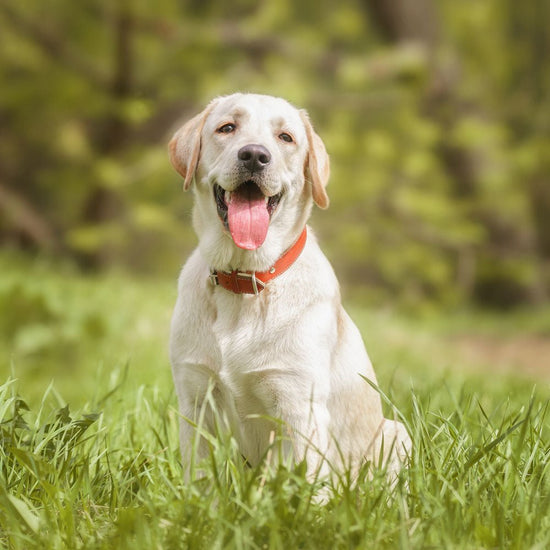
Labrador Retriever — Best Working-Family Dog for Active Homes
 Save
Save| Weight | 55-80 pounds |
| Height | 21.5-24.5 inches |
| Lifespan | 10-12 years |
| Energy Level | High |
| Grooming Need | Medium |
| Shedding | High |
The Labrador Retriever is a classic working-family dog known for patience, play, and trainability. It is a medium-large breed with strong exercise needs. Labs usually enjoy children, games, food rewards, and clear rules. They suit active families who can walk daily.
The Lab has a strong body and a short coat. Its tail can clear a coffee table fast.
Labs often greet life with full force. But a tired Lab can become a calm home dog.
“Our Lab waits by the shoe rack at 6 pm. He knows that means walk time.”
— Mark R., Labrador owner for 7 years
- Easy to train with food
- Usually patient with kids
- Great walking partner
- Sheds heavily year-round
- Chews when under-exercised
- Can gain weight fast
Best for: Active parents · School-age kids · Yard homes
Golden Retriever — Best Working-Family Dog for Gentle Kids
| Weight | 55-75 pounds |
| Height | 21.5-24 inches |
| Lifespan | 10-12 years |
| Energy Level | Medium to high |
| Grooming Need | Medium to high |
| Shedding | High |
The Golden Retriever is a gentle working-family dog known for patience and soft manners. It is a medium-large breed that needs exercise and brushing. Goldens often bond deeply with children and adults. They suit families that want a warm, steady dog.
The Golden coat glows in light and feels thick. Feathering on legs adds charm.
Goldens often carry toys when excited. Even better, many use toys to greet guests.
“Our Golden brings one sock to every video meeting. He thinks it helps.”
— Sarah M., Golden Retriever owner for 6 years
- Gentle with respectful kids
- Strong training response
- Warm family bond
- Heavy seasonal shedding
- Needs daily exercise
- Can mouth hands young
Best for: Gentle kids · Active homes · First-time families
→ best dog breeds for families with toddlers
Cavalier King Charles Spaniel — Best Working-Family Dog for Calm Homes
| Weight | 13-18 pounds |
| Height | 12-13 inches |
| Lifespan | 12-15 years |
| Energy Level | Low to medium |
| Grooming Need | Medium |
| Shedding | Medium |
The Cavalier King Charles Spaniel is a small working-family dog known for sweet comfort. It has soft energy, a silky coat, and a people-focused nature. Cavaliers like gentle play and close rest. They suit calm families with steady home time.
The Cavalier has wide eyes and feathered ears. Its face often looks soft and kind.
Cavaliers love laps, but they still need walks. The surprise is their brave little spaniel spark.
“She sleeps during work calls, then wakes when the kids open snacks.”
— Linda P., Cavalier owner for 5 years
- Gentle indoor companion
- Good small-home size
- Usually eager to please
- Dislikes long alone time
- Needs ear care
- Health screening matters
Best for: Calm homes · Gentle children · Hybrid workers
→ best dog breeds for families with babies
Basset Hound — Best Working-Family Dog for Slower Routines
| Weight | 40-65 pounds |
| Height | Up to 15 inches |
| Lifespan | 12-13 years |
| Energy Level | Low to medium |
| Grooming Need | Low to medium |
| Shedding | Medium |
The Basset Hound is a relaxed working-family dog known for scent work and slow charm. It is low to the ground, heavy-boned, and often calm indoors. Bassets enjoy walks, smells, and routine. They suit families that prefer slower days.
The Basset has long ears, short legs, and a deep chest. Its look is hard to miss.
Bassets seem lazy, but their nose is always working. A scent can change their whole plan.
“He moves slowly until pizza arrives. Then he becomes a detective.”
— Jenna K., Basset Hound owner for 8 years
- Calm inside most homes
- Needs modest exercise
- Sturdy around older kids
- Can be stubborn
- Drools more than average
- Follows scents outside
Best for: Slower families · Older kids · Patient trainers
Greyhound — Best Working-Family Dog for Quiet Adults
 Save
Save| Weight | 60-70 pounds |
| Height | 27-30 inches |
| Lifespan | 10-13 years |
| Energy Level | Low indoors, sprint outdoors |
| Grooming Need | Low |
| Shedding | Low to medium |
The Greyhound is a quiet working-family dog known for speed outside and calm indoors. It is tall, lean, and low-maintenance. Many Greyhounds enjoy soft beds and short active bursts. They suit peaceful homes that can manage leash safety.
The Greyhound has a sleek body and thin coat. Its shape shows pure speed.
People expect constant running. But many Greyhounds sleep like retired athletes after walks.
“Our Greyhound naps through doorbells. But a squirrel changes everything.”
— David N., Greyhound owner for 4 years
- Calm inside the home
- Low grooming need
- Often quiet indoors
- Strong chase drive
- Needs safe fenced runs
- Thin coat chills fast
Best for: Quiet homes · Apartment adults · Leash-aware families
→ best dog breeds for families with cats
French Bulldog — Best Working-Family Dog for Small Spaces
| Weight | Under 28 pounds |
| Height | 11-13 inches |
| Lifespan | 10-12 years |
| Energy Level | Low to medium |
| Grooming Need | Low |
| Shedding | Low to medium |
The French Bulldog is a small working-family dog known for charm and low exercise needs. It has a compact body, short coat, and playful mood. Frenchies often enjoy indoor family life. They suit small homes that can manage heat and breathing risks.
The Frenchie has bat ears and a square head. Its body looks small but strong.
Frenchies enjoy play, then rest hard. The surprise is how fast heat can affect them.
“He plays for ten minutes, then claims the couch like rent is due.”
— Omar L., French Bulldog owner for 3 years
- Fits small homes well
- Low grooming demand
- Needs short walks
- Heat risk is serious
- Breathing issues are common
- Can be costly medically
Best for: Apartments · Short-walk homes · Careful owners
Boston Terrier — Best Working-Family Dog for City Homes
| Weight | 12-25 pounds |
| Height | 15-17 inches |
| Lifespan | 11-13 years |
| Energy Level | Medium |
| Grooming Need | Low |
| Shedding | Medium |
The Boston Terrier is a small working-family dog known for humor and compact care. It has a short coat, bright face, and moderate energy. Bostons like play, training, and people. They suit city families that want a neat indoor dog.
The Boston has a tuxedo-like coat and round eyes. Its look feels sharp and funny.
Bostons can be silly, but they notice routines fast. Some learn work breaks before owners do.
“At lunch, he taps the leash twice. Then he waits by the elevator.”
— Alicia D., Boston Terrier owner for 6 years
- Easy short-coat care
- Fun without huge size
- Good city-home fit
- Heat can be risky
- Can snore loudly
- Needs steady manners
Best for: City homes · Older kids · Short-walk families
Pug — Best Working-Family Dog for Low-Exercise Homes
| Weight | 14-18 pounds |
| Height | 10-13 inches |
| Lifespan | 13-15 years |
| Energy Level | Low to medium |
| Grooming Need | Low |
| Shedding | High |
The Pug is a small working-family dog known for clownish charm and low exercise needs. It has a sturdy body, short face, and close family bond. Pugs like routine and indoor comfort. They suit careful homes that manage weight and heat.
The Pug has deep wrinkles, round eyes, and a curled tail. Its face shows drama fast.
Pugs seem lazy, but they love being involved. Even a laundry pile becomes their stage.
“She joins every chore, then sighs like she did the whole job.”
— Tony S., Pug owner for 5 years
- Small but sturdy
- Low exercise demand
- Usually social indoors
- Heat risk is high
- Sheds more than expected
- Weight gain happens fast
Best for: Indoor families · Low-walk homes · Careful feeders
Whippet — Best Working-Family Dog for Quiet Apartments
| Weight | 25-40 pounds |
| Height | 18-22 inches |
| Lifespan | 12-15 years |
| Energy Level | Medium |
| Grooming Need | Low |
| Shedding | Low |
The Whippet is a quiet working-family dog known for speed, grace, and indoor calm. It is medium-sized, low-shedding, and easy to groom. Whippets need safe runs and soft rest. They suit calm families that respect chase drive.
The Whippet looks like a small Greyhound. Its body is slim, smooth, and light.
Whippets seem delicate, but they sprint with force. Then they fold into blankets for hours.
“He does two fast laps, then becomes a sofa cushion.”
— Priya T., Whippet owner for 4 years
- Low grooming burden
- Often quiet inside
- Good apartment size
- Chases small animals
- Needs warm bedding
- Can be sensitive
Best for: Quiet apartments · Older kids · Calm owners
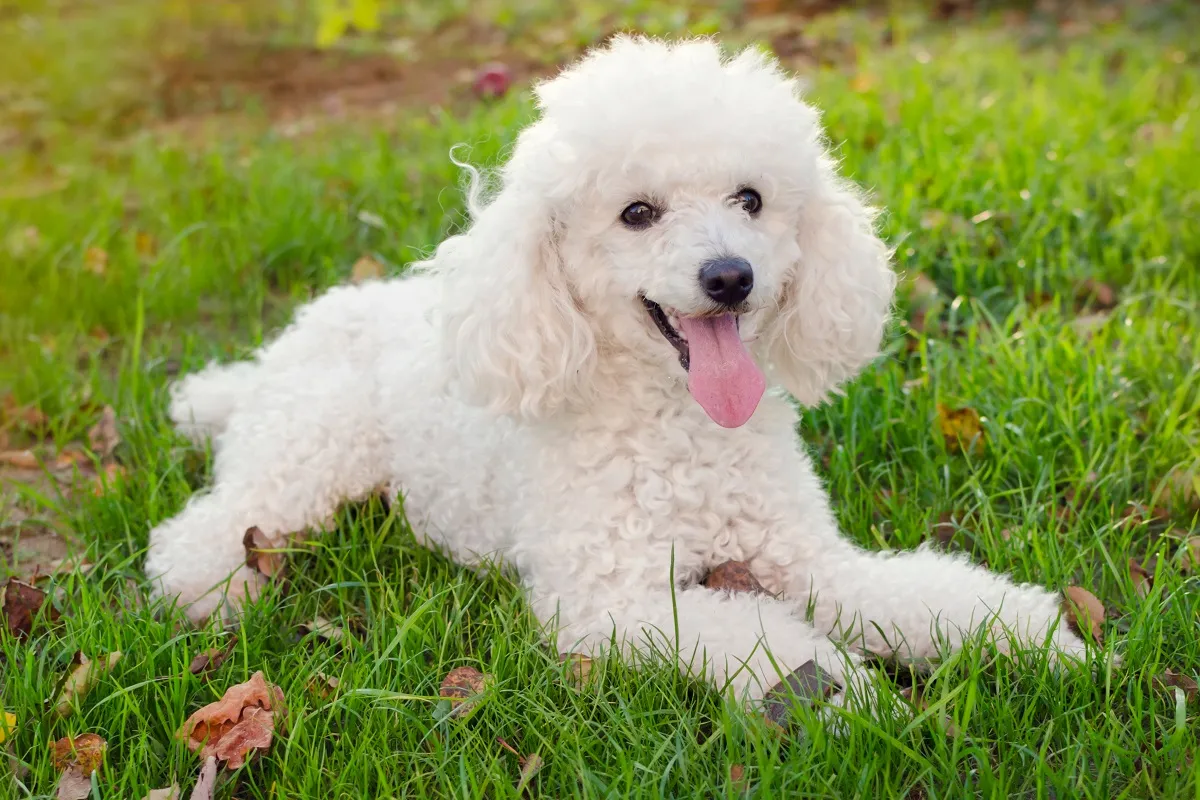
Standard Poodle — Best Working-Family Dog for Low-Shed Homes
 Save
Save| Weight | 40-70 pounds |
| Height | Over 15 inches |
| Lifespan | 10-18 years |
| Energy Level | Medium to high |
| Grooming Need | High |
| Shedding | Low |
The Standard Poodle is a smart working-family dog known for low shedding and fast learning. It is athletic, elegant, and highly trainable. Poodles need grooming, walks, and brain games. They suit families that want a neat but active companion.
The Poodle coat forms tight curls that catch loose hair. The body is stronger than it looks.
Poodles look fancy, but many love work. A five-minute puzzle can calm their mind.
“He learned our school pickup route faster than my husband did.”
— Rachel B., Standard Poodle owner for 6 years
- Very quick learner
- Low loose-hair spread
- Good family size
- Grooming costs stay high
- Boredom creates mischief
- Needs mental work
Best for: Allergy-aware homes · Active kids · Training-focused families
→ best dog breeds for families with allergies
Which Working-Family Dog Breed Is Right for You?
The right dog for your working family depends on your hours, home space, child age, and care budget. If you work long days, choose a calm adult dog and plan a walker. If your family is active, choose a Lab, Golden, or Poodle. If your home is small, choose a Boston Terrier, Pug, Cavalier, or Frenchie. If you want quiet, consider a Greyhound or Whippet. Most experts agree that match quality matters more than breed rank. A good match makes dog care feel natural. A poor match turns every weekday into stress.
If you are gone most weekdays, start with an adult dog, not a puppy.
If you work 8 hours outside home, use a walker or daycare.
If you work from home, choose a dog that can settle near you.
If your children are under 5, choose a sturdy and patient dog first.
If your child has allergies, meet the breed before you adopt.
This article covers breed choices for normal busy homes. If your dog has strong anxiety, talk with a vet or trainer.
When families plan support before adoption, the first month feels smoother. That taught me to solve the weekday first.
How Can Working Families Care for a Dog During Busy Days?
Working families can care for a dog well by setting a repeatable daily routine. Your dog needs exercise, food, potty breaks, rest, training, and safe space. The routine does not need to be complex. It needs to happen each day. Most experts agree that dogs cope better when life feels clear. A morning walk helps reduce stress. A midday break prevents accidents and panic. Evening play rebuilds connection after work. The CDC dog health guide also recommends learning the care, food, exercise, and home needs before choosing a dog.
- Walk before work or school.
- Use a safe crate or dog room.
- Plan a midday potty break.
- Train 5 minutes after dinner.
- Keep bedtime calm and repeatable.
You might be thinking your dog can hold it all day. Here’s why that is unfair.
Long holds can raise stress and cause house problems.
The ASPCA general dog care guide notes that exercise helps dogs burn energy and avoid boredom.
So if you work full-time, build support into the plan.
For homes with other pets, this guide on best dog breeds for families with cats helps with pet matching.
What Do Most People Get Wrong About Dogs for Working Families?
Most people get 3 things wrong about dogs for working families. First, they think low-energy means no work. Second, they think a puppy is easier than an adult dog. Third, they think breed alone predicts behavior. None of that is fully true. Low-energy dogs still need walks, training, vet care, and attention. Puppies need time every few hours. Adult dogs often fit work schedules better. Most experts agree that routine, training, and support shape daily success. Breed helps guide your short list. Your home plan decides the outcome.
Do not choose a puppy if no one can help midday.
Here’s the thing. Puppies are not low-maintenance.
They need potty breaks, bite training, naps, meals, and calm guidance.
You might be thinking a small dog solves the time issue. Small dogs still need care.
When families choose by size alone, they miss temperament. That taught me to ask about weekdays first.
How Do the Best Dog Breeds for Working Families Compare?
The best way to compare working-family dog breeds is by energy, grooming, space need, and alone-time support. Labrador Retrievers and Golden Retrievers suit active homes. Cavaliers, Pugs, French Bulldogs, and Boston Terriers suit small homes. Greyhounds and Whippets suit quiet homes with safe leash habits. Basset Hounds suit slower families that can handle stubborn hound behavior. Standard Poodles suit families that want low shedding and can pay for grooming. Use this table as a first filter. Then meet real dogs before you choose.
| Breed | Size | Energy | Grooming | Best Family Fit |
|---|---|---|---|---|
| Labrador Retriever | Large | High | Medium | Active homes |
| Golden Retriever | Large | Medium-high | Medium-high | Gentle kids |
| Cavalier | Small | Low-medium | Medium | Calm homes |
| Basset Hound | Medium | Low-medium | Low-medium | Slow routines |
| Greyhound | Large | Low indoors | Low | Quiet adults |
| French Bulldog | Small | Low-medium | Low | Small spaces |
| Boston Terrier | Small | Medium | Low | City homes |
| Pug | Small | Low-medium | Low | Indoor homes |
| Whippet | Medium | Medium | Low | Quiet apartments |
| Standard Poodle | Medium-large | Medium-high | High | Low-shed homes |
What Should Working Families Do Before Getting a Dog?
Working families should plan dog care before they adopt. Choose the breed second, not first. First, map your weekday schedule, work hours, school runs, travel, and budget. Then choose a dog that fits that map. Most experts agree that dogs need daily exercise, mental work, health care, and human contact. So if no one can come home, plan help before the dog arrives. A paid walker, trusted neighbor, daycare, or flexible shift can prevent many problems. The best breed still needs a working system.
Write your weekday dog plan before you meet puppies.
Start with your real schedule. Then add your dog’s needs into fixed time slots.
If the plan already feels impossible, choose an adult rescue dog first.
For homes with kids and allergy concerns, review low-shedding dog breeds for families with allergies.
When the plan fits on paper, the home fit often improves. Next comes the final choice.
Conclusion
The best dog breeds for working families fit real routines.
Choose calm, trainable, and clear-needs dogs over trendy dogs.
One thing to do right now: write your weekday schedule on paper.
Then circle the 2 breeds that fit it best. I’m Thomas Cutter, and that simple step can prevent years of stress.
Frequently Asked Questions
What is the best dog breed for a working family?
The best dog breed for a working family is often a Labrador, Golden Retriever, Greyhound, Boston Terrier, or Cavalier. The best choice depends on your schedule, space, and help. If everyone is gone all day, choose an adult dog and plan a midday break.
Can a working family own a puppy?
A working family can own a puppy, but only with strong support. Puppies need frequent potty breaks, meals, naps, and training. If no one can help during the day, an adult dog usually fits a busy home better.
What dog breeds can be left alone during work?
No breed should be left alone for a full long day without care. Some adult Greyhounds, Bassets, Whippets, and Boston Terriers may handle routine better. Still, each dog needs potty breaks, water, comfort, and safe rest.
Are small dogs better for working families?
Small dogs can fit working families well, but size does not solve time needs. French Bulldogs, Pugs, Cavaliers, and Bostons need less space. They still need health care, training, walks, and daily family time.
Should working families adopt an adult dog?
Yes, many working families should consider an adult dog first. Adult dogs often have clearer energy levels and stronger bladder control. Meet the dog, ask about history, and choose one that already handles calm home time.

Thomas Cutter is a lifelong dog owner and the founder of FindOutAboutDogs.com. With over 10 years of hands-on experience owning multiple breeds, Thomas created this site to provide honest, research-based dog advice that real owners can actually trust.
