Best 10 Small Dog Breeds for Kids — A Real Family Guide by Thomas Cutter
Quick Answer
The best small dog breeds for kids are sturdy, patient, playful, and easy to train. Cavalier King Charles Spaniel, Beagle, Bichon Frise, Havanese, Boston Terrier, Pug, French Bulldog, Miniature Poodle, Cocker Spaniel, and Shih Tzu are top choices for many families.
| Best Choice | Best For |
|---|---|
| Cavalier King Charles Spaniel | Gentle kids and calm homes |
| Beagle | Active kids and busy families |
| Bichon Frise | Apartments and allergy-aware homes |
Choose the best small dog breed for your child if:
- You want a dog under 30 pounds.
- Your child can follow calm handling rules.
- You can match energy, grooming, and training needs.
Your child wants a dog they can hug, play with, and love.
But you want a dog that feels safe, steady, and right for your home.
I’m Thomas Cutter, and I write practical dog breed guides for real families. Small dogs can be wonderful with kids, but the right match matters more than cuteness.
If you want a wider family-dog view first, see this guide to family dog breeds for kids.
- Small does not always mean safe for kids.
- Sturdy small breeds handle family life better.
- Training matters as much as breed choice.
- Flat-faced breeds need heat and breathing care.
- Gentle kids make better dog owners.


What Makes a Small Dog Breed Good for Kids?
A good small dog breed for kids is sturdy, patient, social, and easy to guide. The dog should enjoy family life without being too fragile for normal child movement. Size helps, but temperament matters more. A tiny nervous dog may snap when scared. A compact, steady dog often copes better with noise, play, and daily touch.
Most experts agree that families should match the dog to home life, child age, exercise time, and training skill. The American Kennel Club family dog guide also points families toward lifestyle fit. So if you have toddlers, choose calm and sturdy. If you have older kids, more playful breeds can work well.
Here’s why that matters. A small dog still has teeth, fear, and limits.
You might be thinking small dogs are always easier. Here’s why that fails.
A small dog can feel trapped faster than a large dog. As a result, kind handling rules matter every day.
Choose a sturdy small dog, not the tiniest puppy.
When families pick by looks alone, daily care often becomes a shock. That taught me to rank fit before cuteness.
Now let’s look at the 10 best small breeds clearly.
The 10 Best Small Dog Breeds for Kids
The best small dog breeds for kids are dogs that blend gentle behavior, sturdy bodies, and family-friendly habits. Cavalier King Charles Spaniel, Beagle, Bichon Frise, Havanese, Boston Terrier, Pug, French Bulldog, Miniature Poodle, Cocker Spaniel, and Shih Tzu all bring different strengths. Some suit quiet homes. Some suit active kids. Some need heavy grooming.
The right choice depends on your child’s age, your space, and your daily routine. A Beagle loves busy play. A Cavalier fits calm families. A Bichon suits apartments. A Miniature Poodle suits training-focused homes. Use each profile as a short list, then meet the breed in real life before you decide.
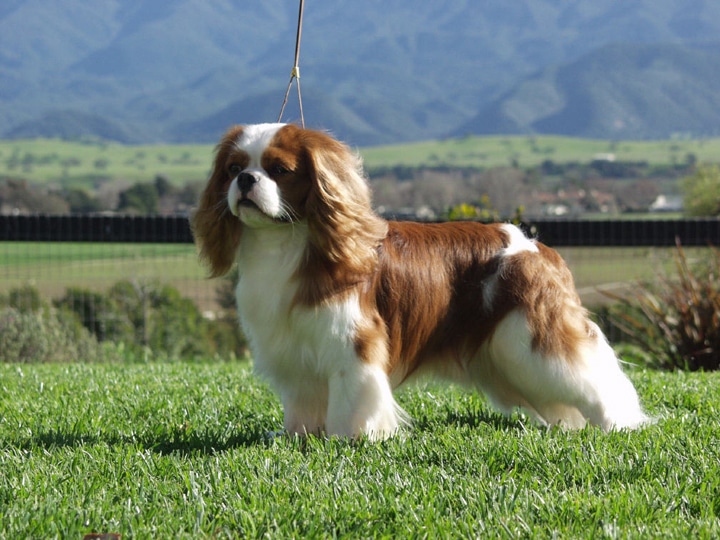
Cavalier King Charles Spaniel — Small Dog Breed for Gentle Kids
 Save
Save| Weight | 13-18 pounds |
| Height | 12-13 inches |
| Lifespan | 12-15 years |
| Energy Level | Low to medium |
| Grooming Need | Moderate |
| Shedding | Moderate |
The Cavalier King Charles Spaniel is a gentle small dog breed known for soft manners. It weighs 13 to 18 pounds and fits many homes. Cavaliers enjoy cuddles, short walks, and calm play. They suit families with gentle kids who respect small-dog bodies.
The Cavalier has silky ears and wide, warm eyes. Its soft coat gives it a sweet royal look.
Most Cavaliers love laps and quiet rooms. But they also enjoy cheerful games outside.
“Common owner reports often mention calm couch time and close child bonding.”
— Owner-style note, Cavalier family homes
- Soft nature with gentle children
- Good size for apartments
- Usually easy to train
- Needs regular ear care
- Dislikes long alone time
- Can have heart issues
Best for: Gentle kids · Apartment homes · Calm first-time owners
Beagle — Small Dog Breed for Active Kids
| Weight | 20-30 pounds |
| Height | 13-15 inches |
| Lifespan | 10-15 years |
| Energy Level | Medium to high |
| Grooming Need | Low |
| Shedding | Moderate |
The Beagle is a sturdy small hound known for pack-loving energy. It weighs 20 to 30 pounds and handles active family life well. Beagles enjoy games, walks, and scent play. They suit families with kids who want a fun, busy companion.
Beagles have soft ears, bright eyes, and a flag-like tail. Their body feels stronger than many small dogs.
Most Beagles love noise and group play. But their nose can overrule your voice fast.
“Common owner reports often mention happy howls when kids return from school.”
— Owner-style note, Beagle family homes
- Sturdy body for play
- Loves family pack life
- Short coat needs little care
- Bays loudly at times
- Needs a secure yard
- Food stealing is common
Best for: Active kids · Yard homes · Families that enjoy walks
Bichon Frise — Small Dog Breed for Apartment Kids
| Weight | 12-18 pounds |
| Height | 9.5-11.5 inches |
| Lifespan | 14-15 years |
| Energy Level | Medium |
| Grooming Need | High |
| Shedding | Low |
The Bichon Frise is a cheerful small dog breed known for playful softness. It weighs 12 to 18 pounds and fits small homes well. Bichons enjoy people, games, and close contact. They suit gentle children and families that can handle coat care.
The Bichon looks like a white powder puff. Its dark eyes stand out through the round coat.
Most Bichons act sunny around family. But they can bark when lonely or bored.
“Common owner reports often mention a dog that follows every lunch box.”
— Owner-style note, Bichon family homes
- Low loose-hair spread
- Bright mood with kids
- Good for small spaces
- Coat mats without brushing
- Needs paid grooming often
- House training needs patience
Best for: Apartments · Gentle children · Allergy-aware families
Havanese — Small Dog Breed for Social Kids
| Weight | 7-13 pounds |
| Height | 8.5-11.5 inches |
| Lifespan | 14-16 years |
| Energy Level | Medium |
| Grooming Need | Medium to high |
| Shedding | Low |
The Havanese is a social small dog breed known for happy indoor life. It weighs 7 to 13 pounds and loves being near people. Havanese dogs enjoy play, training, and family routines. They suit kind kids and homes where someone is often present.
The Havanese coat can grow long and soft. Many families choose a short puppy cut.
Most Havanese dogs bounce when pleased. Even better, they often invite shy kids into play.
“Common owner reports often mention a tiny shadow during homework time.”
— Owner-style note, Havanese family homes
- Very people-focused at home
- Low shedding for families
- Learns games quite fast
- Needs people nearby often
- Long coat tangles fast
- Small frame needs care
Best for: Indoor homes · Gentle kids · Work-from-home families
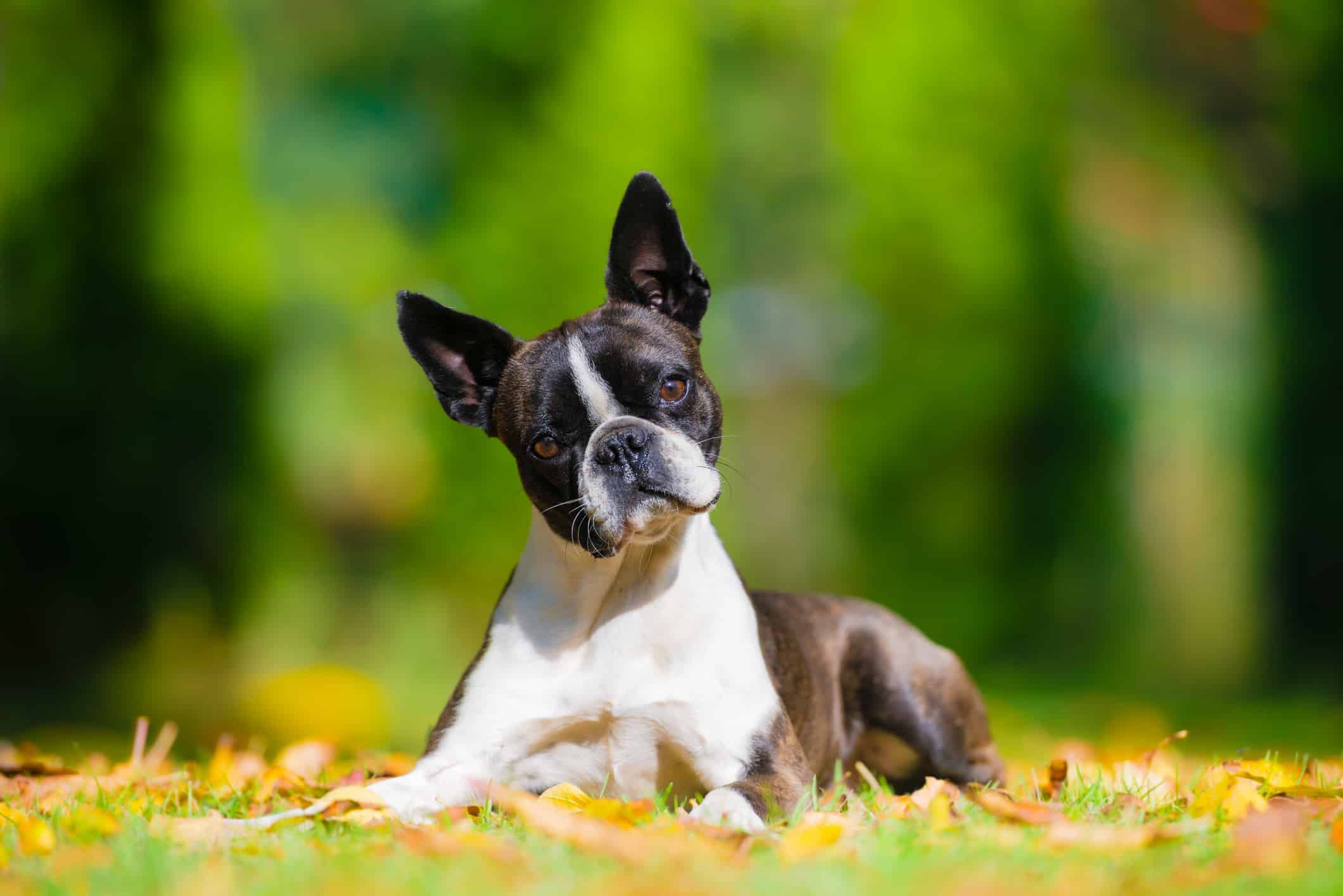
Boston Terrier — Small Dog Breed for Playful Kids
 Save
Save| Weight | 12-25 pounds |
| Height | 15-17 inches |
| Lifespan | 11-13 years |
| Energy Level | Medium |
| Grooming Need | Low |
| Shedding | Low to moderate |
The Boston Terrier is a compact small dog breed known for cheerful play. It weighs 12 to 25 pounds and has a neat short coat. Boston Terriers enjoy games, people, and indoor life. They suit school-age kids who want a funny playmate.
The Boston Terrier has a tuxedo-like coat. Its round eyes give it a comic look.
Most Bostons enjoy short bursts of play. But heat can make breathing harder.
“Common owner reports often mention silly zoomies after school pickup.”
— Owner-style note, Boston family homes
- Short coat is simple
- Funny and people-focused
- Good apartment size
- Heat can be risky
- Snoring is common
- Rough play needs limits
Best for: School-age kids · Apartment homes · Short-walk families
Pug — Small Dog Breed for Calm Family Homes
| Weight | 14-18 pounds |
| Height | 10-13 inches |
| Lifespan | 13-15 years |
| Energy Level | Low to medium |
| Grooming Need | Low |
| Shedding | Moderate |
The Pug is a sturdy small dog breed known for charm and close bonds. It weighs 14 to 18 pounds and enjoys easy family life. Pugs like short walks, soft play, and human company. They suit calm kids and homes that avoid heat stress.
The Pug has a round head and curled tail. Its wrinkles need gentle cleaning each week.
Most Pugs love being near people. But extra weight can hurt breathing and joints.
“Common owner reports often mention a dog that joins every movie night.”
— Owner-style note, Pug family homes
- Sturdy for its size
- Usually loves children
- Low grooming workload
- Heat can be dangerous
- Weight gain happens fast
- Wrinkles need cleaning
Best for: Calm kids · Small homes · Low-exercise families
French Bulldog — Small Dog Breed for City Kids
| Weight | Under 28 pounds |
| Height | 11-13 inches |
| Lifespan | 10-12 years |
| Energy Level | Low to medium |
| Grooming Need | Low |
| Shedding | Moderate |
The French Bulldog is a compact small dog breed known for easy indoor charm. It weighs under 28 pounds and needs modest exercise. Frenchies enjoy people, play, and couch time. They suit city families that can manage heat, breathing, and vet care.
The Frenchie has bat ears and a square little body. Its face looks bold and comic.
Most Frenchies enjoy short games and close contact. But hot weather needs real care.
“Common owner reports often mention a dog that supervises every sofa seat.”
— Owner-style note, Frenchie family homes
- Great city-home size
- Needs short daily walks
- Often playful with kids
- Breathing risk in heat
- Vet costs can rise
- Swimming is unsafe
Best for: City families · Older kids · Low-exercise homes
Miniature Poodle — Small Dog Breed for Smart Kids
| Weight | 10-15 pounds |
| Height | 10-15 inches |
| Lifespan | 10-18 years |
| Energy Level | Medium to high |
| Grooming Need | High |
| Shedding | Low |
The Miniature Poodle is a smart small dog breed known for curls and quick learning. It weighs 10 to 15 pounds and needs both exercise and brain work. Mini Poodles enjoy tricks, games, and training. They suit families that like active learning.
The Miniature Poodle has tight curls that catch loose hair. The coat needs skilled care.
Most Mini Poodles learn fast and watch people closely. But boredom can create barking.
“Common owner reports often mention kids teaching tricks after dinner.”
— Owner-style note, Miniature Poodle homes
- Very easy to train
- Low shedding indoors
- Great for trick games
- Needs paid grooming often
- Can bark when bored
- Needs daily brain work
Best for: Smart kids · Training homes · Allergy-aware families
Cocker Spaniel — Small Sporting Dog Breed for Kids
| Weight | 20-30 pounds |
| Height | 13.5-15.5 inches |
| Lifespan | 10-14 years |
| Energy Level | Medium |
| Grooming Need | High |
| Shedding | Moderate |
The Cocker Spaniel is a small sporting dog breed known for sweet family warmth. It weighs 20 to 30 pounds and enjoys play without being huge. Cockers like walks, games, and close people time. They suit families ready for grooming and ear care.
The Cocker Spaniel has long ears and a soft feathered coat. Its face often looks tender.
Most Cockers love family closeness. But ears trap moisture and need routine checks.
“Common owner reports often mention a dog waiting beside the toy basket.”
— Owner-style note, Cocker family homes
- Sweet with gentle children
- Good play-to-cuddle balance
- Sturdy spaniel body
- Ears need careful cleaning
- Coat needs steady brushing
- Can become clingy indoors
Best for: Gentle kids · Grooming-ready homes · Spaniel lovers
Shih Tzu — Small Dog Breed for Quiet Kids
 Save
Save| Weight | 9-16 pounds |
| Height | 9-10.5 inches |
| Lifespan | 10-18 years |
| Energy Level | Low to medium |
| Grooming Need | High |
| Shedding | Low to moderate |
The Shih Tzu is a small companion dog breed known for calm indoor charm. It weighs 9 to 16 pounds and likes close family time. Shih Tzus enjoy short walks, soft play, and lap time. They suit quiet children who can be gentle.
The Shih Tzu has a long coat and proud little face. A short cut helps busy families.
Most Shih Tzus like comfort more than chaos. But house training can take time.
“Common owner reports often mention a calm dog near reading time.”
— Owner-style note, Shih Tzu family homes
- Good for quiet homes
- Needs only short walks
- Often bonds closely
- Face needs daily cleaning
- Heat needs care
- Training can be slow
Best for: Quiet kids · Apartments · Low-walk families
How Do These Small Dog Breeds Compare Side by Side?
The easiest way to compare small dog breeds for kids is by size, energy, grooming, and child fit. A Cavalier is gentle and soft. A Beagle is lively and sturdy. A Bichon is cheerful but grooming-heavy. A Boston Terrier is funny and compact. A Miniature Poodle is smart and low-shedding. A Pug or French Bulldog fits city life, but heat care matters.
So if you need a quick choice, start with your home routine. Pick Beagle for active children. Pick Cavalier for calm children. Pick Bichon or Miniature Poodle for low-shedding needs. Pick Shih Tzu for quiet homes. The best breed is the one your family can care for every week.
| Breed | Size | Energy | Grooming | Best Kid Fit |
|---|---|---|---|---|
| Cavalier | 13-18 lb | Low-medium | Moderate | Gentle kids |
| Beagle | 20-30 lb | Medium-high | Low | Active kids |
| Bichon Frise | 12-18 lb | Medium | High | Apartment kids |
| Havanese | 7-13 lb | Medium | Medium-high | Social kids |
| Boston Terrier | 12-25 lb | Medium | Low | Playful kids |
| Pug | 14-18 lb | Low-medium | Low | Calm kids |
| French Bulldog | Under 28 lb | Low-medium | Low | City kids |
| Miniature Poodle | 10-15 lb | Medium-high | High | Smart kids |
| Cocker Spaniel | 20-30 lb | Medium | High | Gentle active kids |
| Shih Tzu | 9-16 lb | Low-medium | High | Quiet kids |
When families compare breeds on looks alone, the hard parts stay hidden. That taught me to compare care needs first.
Next, let’s turn this list into a clear choice.
Which Small Dog Breed Is Right for Your Family?
The right small dog breed depends on your child’s age, your home size, and your daily energy. If your child is gentle and calm, choose a Cavalier, Havanese, or Shih Tzu. If your child is active, choose a Beagle, Boston Terrier, or Cocker Spaniel. If shedding matters, choose a Bichon or Miniature Poodle.
If you have toddlers, think more carefully. Toddlers move fast, grab hard, and miss warning signs. A small fragile dog may feel unsafe. For toddler homes, review this guide to dog breeds for families with toddlers before you choose.
If you want the safest first shortlist, pick Cavalier, Beagle, or Bichon first.
- If you live in an apartment, choose Bichon, Havanese, or Shih Tzu.
- If your kids love outdoor play, choose Beagle or Cocker Spaniel.
- If someone has mild allergy concerns, consider Bichon or Miniature Poodle.
- If you dislike grooming bills, choose Beagle, Boston Terrier, or Pug.
This article covers family-friendly small purebred dogs. If your home includes severe allergies, bite history, or special medical needs, speak with a vet or doctor first.
Now let’s cover the care rules that keep kids and dogs safe.
What Care Rules Matter Most With Small Dogs and Kids?
The most important care rules are supervision, gentle handling, training, grooming, and health checks. Small dogs can be hurt by rough play, even when the child means well. Kids need clear rules. Dogs need a safe place to rest. Parents need to watch body language before stress becomes a snap.
The AVMA pet dog selection guide says families should choose a dog that fits their home and lifestyle. The HealthyChildren dog bite safety guide also recommends calm, respectful child behavior around dogs. So breed choice is only the first step.
- Teach kids to pet the dog gently.
- Give the dog a no-touch rest space.
- Supervise food, toys, and rough play.
- Train sit, come, leave it, and stay.
- Brush, clean ears, and check nails weekly.
You might be thinking a family dog should tolerate everything. Here’s why that is unfair.
Every dog has limits. So if your child learns respect early, safety improves fast.
Never leave a small child alone with any dog.
When parents teach dog body language, kids become safer fast. That taught me one rule.
The best family dog is trained with the child, not around the child.
What Most People Get Wrong About Small Dog Breeds for Kids
Most people think smaller dogs are always safer for kids, but that is not true. Some tiny breeds feel unsafe around fast hands and loud rooms. Some sturdy small breeds do better because they can handle normal family movement. The real question is not “How small is the dog?” It is “How steady is this dog?”
Another common mistake is ignoring care needs. A low-shedding dog may still need costly grooming. A short-coated dog may still shed. A calm flat-faced dog may still need heat limits. So the best small dog for kids is the one whose daily needs fit your real life.
- Myth: Tiny dogs are best for toddlers.
- Truth: Tiny dogs can be fragile and nervous.
- Myth: Low shedding means low grooming.
- Truth: Many low-shed coats need skilled cuts.
- Myth: Cute dogs need less training.
- Truth: Small dogs need clear rules too.
For families with babies, small-dog choice needs extra care. Start with this guide to dog breeds for families with babies.
Now let’s answer the questions parents ask most.
Conclusion
The best small dog breed for kids is not just cute.
It is sturdy, kind, trainable, and right for your daily life.
Start with Cavalier, Beagle, or Bichon if you feel unsure.
Do this now: write your child’s age, home size, and grooming budget. Then let Thomas Cutter’s breed list guide your shortlist.
Frequently Asked Questions
What is the best small dog breed for kids?
The best small dog breed for most kids is the Cavalier King Charles Spaniel. It is gentle, sweet, and easy for many homes. Beagles suit active kids better. Bichons suit apartment families that can manage grooming.
Are small dogs safe for young children?
Small dogs can be safe for young children with supervision and gentle handling. The dog must be sturdy, calm, and well trained. Very tiny dogs may feel scared around toddlers and can get hurt during rough play.
What small dog breed sheds the least?
Bichon Frise and Miniature Poodle shed less than many small breeds. Their coats trap loose hair instead of dropping much around the home. But both breeds need brushing and regular grooming to avoid mats.
What small dog is easiest to train?
The Miniature Poodle is often the easiest small dog to train. It learns fast and enjoys games with rules. Cavaliers and Havanese also train well when you use praise, food rewards, and short sessions.
What small dog breed should families avoid with rough toddlers?
Families with rough toddlers should avoid fragile toy breeds and nervous small dogs. The issue is not blame. Toddlers move fast and grab hard. Choose a sturdy breed, teach calm touch, and supervise every interaction.

Thomas Cutter is a lifelong dog owner and the founder of FindOutAboutDogs.com. With over 10 years of hands-on experience owning multiple breeds, Thomas created this site to provide honest, research-based dog advice that real owners can actually trust.
