10 Best Orange Color Dog Breeds — Bright Coats and Honest Breed Matches
Quick Answer
The best orange color dog breeds include Pomeranians, Brittanys, Finnish Spitz, Tollers, Vizslas, and Irish Setters. Some have true orange coats. Others have red, rust, copper, or deep-gold coats. Your best choice depends on size, energy, grooming needs, and the lifestyle you can offer.
| Breed | Orange Look | Best For |
|---|---|---|
| Pomeranian | True orange or red | Small homes |
| Brittany | Orange and white | Active homes |
| Finnish Spitz | Golden-red | Outdoor owners |
Choose an orange dog breed if:
- You want a bright fox-like coat.
- You can match the breed’s exercise needs.
- You accept its grooming and shedding level.
By Thomas Cutter
A bright copper dog runs through sunlight, and its coat seems to glow. That striking color can make almost anyone stop and look.
I’m Thomas Cutter, founder of FindOutAboutDogs.com. I compare dogs by lifestyle before looks. If you’re new to dogs, our first-time owner breed guide can also narrow your choices.
- Orange is not one official coat color across all breeds.
- Pomeranians and Brittanys offer some clearest orange coats.
- Vizslas and Tollers lean toward rust and copper.
- Finnish Spitz dogs have striking golden-red coats.
- Temperament should matter more than coat color.


What Makes a Dog Breed Look Orange?
Orange-looking dogs get their warm color from shades called orange, red, rust, copper, or gold. Kennel clubs don’t use one single name for these coats. A Pomeranian may officially have an orange coat. A Vizsla has golden-rust coloring. A Toller ranges from golden-red through copper. Irish Setters have rich chestnut or mahogany coats. These colors can all look orange in warm daylight. Coat length also changes the effect. Thick coats scatter light differently than short coats. White markings can make orange areas look brighter. Dark shading can make the same coat look red instead.
So what does that mean? Don’t shop for an exact paint-chip shade. Compare accepted breed colors first. The American Kennel Club color glossary also notes that color terms vary by breed. When I compare warm-coated breeds, official color names prevent confusion. That taught me to separate visual color from registry terms.
You might think coat color predicts personality. It doesn’t. Breed history, training, and individual temperament matter far more.
This guide covers purebred dogs whose accepted coats can appear orange. Mixed breeds may show similar colors from many genetic combinations.
Judge the breed’s lifestyle fit before choosing its coat shade.
Which 10 Orange Color Dog Breeds Stand Out in 2026?
The strongest orange-colored choices cover almost every size and lifestyle. Pomeranians give you a tiny true-orange companion. Brittanys pair vivid orange patches with white. Finnish Spitz dogs look like glowing red foxes. Tollers offer deep copper coats with white marks. Vizslas have smooth golden-rust coats. Irish Setters provide long mahogany hair. Shiba Inus bring compact red coats and cream markings. Chows add thick red or cinnamon coats. Golden Retrievers can reach deep warm gold. Kooikerhondjes combine white coats with vivid orange-red patches.
But here’s the thing. Their similar colors hide huge lifestyle differences. Some need hours of activity. Others enjoy shorter walks. Some shed heavily. Others need almost no coat trimming. When I compare breeds, color is only my first filter. Daily care decides whether the match works. That taught me to rank these dogs by real-life fit.
1. Pomeranian — Orange Dog Breed With a Tiny Fox Face
 Save
Save| Weight | 3–7 pounds |
| Height | 6–7 inches |
| Lifespan | 12–16 years |
| Energy Level | Medium to high |
| Grooming Need | High |
| Shedding | Moderate |
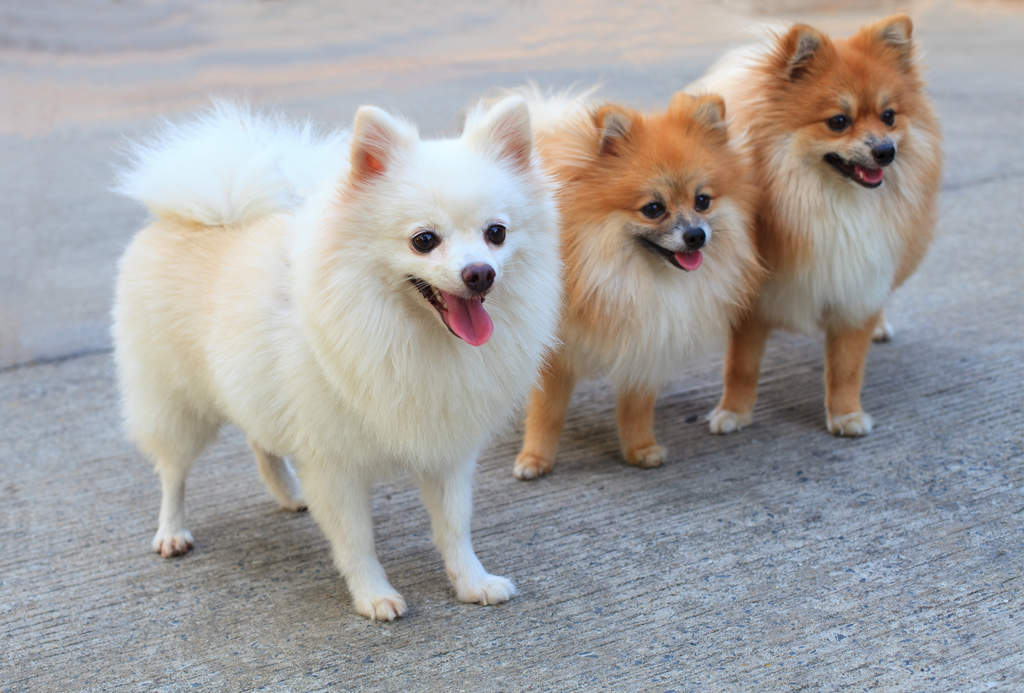
The Pomeranian is a tiny orange dog breed known for its huge double coat. Adults weigh only 3–7 pounds. Poms act alert, bold, and curious despite their small frame. Orange and red rank among their best-known colors. They suit owners wanting a lively companion without needing much living space.
The Pom’s thick coat forms a large neck ruff. Its small face looks sharply fox-like.
Pomeranians notice every sound around the home. Many will alert-bark before larger dogs react.
“The tiny body can hide a huge watchdog attitude. Daily brushing quickly becomes part of life.”
— Composite owner-style note based on common Pomeranian traits
- True orange coat is common
- Fits small living spaces
- Quick and alert learner
- Coat needs frequent brushing
- Can bark at noises
- Small body needs careful handling
The AKC Pomeranian breed profile describes orange and red among its familiar colors.
→ Compare small dog breeds for first-time owners
2. Brittany — Orange and White Dog Breed for Outdoor Life
| Weight | 30–40 pounds |
| Height | 17.5–20.5 inches |
| Lifespan | 12–14 years |
| Energy Level | High |
| Grooming Need | Low to medium |
| Shedding | Moderate |
The Brittany is a medium orange-and-white dog breed built for movement and field work. Adults weigh 30–40 pounds. Brittanys learn quickly and stay closely engaged with active owners. Their vivid orange patches can cover much of the body. They suit homes that can provide daily running, training, and outdoor games.
Brittanys have lean frames with soft feathering. Orange patches contrast sharply against clean white areas.
They stay busy and watchful outside. A bored Brittany may create its own entertainment fast.
“A walk barely warms ours up. Fetch and training finally bring out the calm dog.”
— Composite owner-style note based on common Brittany traits
- Striking orange-white coat
- Loves active outdoor homes
- Responds well to training
- Needs serious daily exercise
- Can become restless indoors
- Strong bird-hunting instincts
→ Compare medium dog breeds for family homes
3. Finnish Spitz — Flame-Colored Orange Dog With Fox Looks
| Weight | 20–33 pounds |
| Height | 15.5–20 inches |
| Lifespan | 13–15 years |
| Energy Level | High |
| Grooming Need | Moderate |
| Shedding | Heavy seasonally |
The Finnish Spitz is a golden-red dog breed with one of the strongest orange appearances. Adults weigh 20–33 pounds. Their upright ears and curved tails create a fox-like outline. They stay lively, alert, and vocal. They suit active homes that enjoy outdoor walks and don’t expect a silent companion.
The double coat blends red, gold, and lighter undercoat shades. Sunlight gives the coat a flame-like glow.
Finnish Spitz dogs use barking during traditional hunting work. That instinct can surprise quiet-home owners.
“Our dog has a comment for every squirrel. Long woodland walks make home much quieter.”
— Composite owner-style note based on common Finnish Spitz traits
- Bright golden-red coat
- Long average lifespan
- Compact athletic size
- Can bark frequently
- Sheds heavily during coat changes
- Needs steady daily activity
4. Nova Scotia Duck Tolling Retriever — Copper Orange Retriever
| Weight | 35–50 pounds |
| Height | 17–21 inches |
| Lifespan | 12–14 years |
| Energy Level | High |
| Grooming Need | Moderate |
| Shedding | Moderate to heavy |
The Toller is a compact retriever with golden-red through dark copper coloring. Adults weigh 35–50 pounds. White markings often brighten the face, chest, feet, and tail. Tollers learn quickly and bring intense retrieving drive. They suit owners who enjoy swimming, fetch, dog sports, and regular training.
The Toller has a feathered red coat and bright white accents. Its tail often adds dramatic contrast.
You may expect a smaller Golden Retriever. Tollers often bring sharper intensity and greater work drive.
“Fetch doesn’t seem to end. A tired throwing arm usually arrives before a tired Toller.”
— Composite owner-style note based on common Toller traits
- Stunning copper-red coat
- Highly trainable working dog
- Compact retriever size
- Needs heavy daily activity
- Can vocalize when excited
- Seasonal shedding gets heavy
5. Vizsla — Smooth Golden-Rust Orange Dog Breed
 Save
Save| Weight | 44–60 pounds |
| Height | 21–24 inches |
| Lifespan | 12–14 years |
| Energy Level | Very high |
| Grooming Need | Low |
| Shedding | Low to moderate |
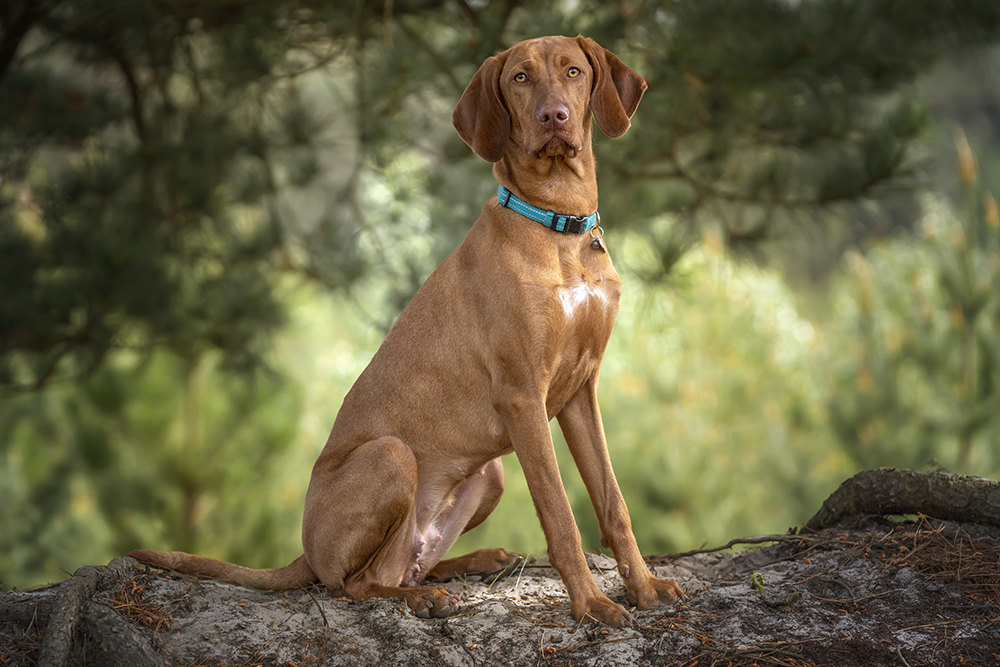
The Vizsla is a sleek sporting dog famous for its solid golden-rust coat. Adults weigh 44–60 pounds. Vizslas stay active, affectionate, and highly attached to their people. Their short coat needs little grooming. They suit athletic owners who want a close companion for running, hiking, and training.
The short coat creates a smooth copper-orange shine. Its nose and eyes blend closely with that color.
Vizslas tend to stay physically close to people. Many owners call them classic “Velcro dogs.”
“Privacy disappeared after our Vizsla arrived. The dog follows every room change like a shadow.”
— Composite owner-style note based on common Vizsla traits
- Rich golden-rust coloring
- Easy short-coat grooming
- Excellent athletic companion
- Needs intense daily exercise
- Dislikes long periods alone
- Strong hunting instincts
→ Compare hunting dog breeds that also fit families
6. Irish Setter — Deep Orange-Red Dog With Flowing Hair
| Weight | 60–70 pounds |
| Height | 25–27 inches |
| Lifespan | 12–15 years |
| Energy Level | High |
| Grooming Need | High |
| Shedding | Moderate |
The Irish Setter is a tall sporting breed with rich mahogany or chestnut-red coloring. Adults weigh 60–70 pounds. Its long coat can glow orange under bright sunlight. Irish Setters bring playful energy and social behavior. They suit active households that have time for exercise, brushing, and regular companionship.
The silky coat flows along the ears, chest, legs, and tail. Warm light creates bright copper highlights.
Irish Setters often stay playful well into adulthood. Their slower maturity can surprise new owners.
“Our Setter grew tall before growing calm. The puppy attitude lasted much longer than expected.”
— Composite owner-style note based on common Irish Setter traits
- Beautiful flowing red coat
- Social family personality
- Strong outdoor companion
- Needs lots of exercise
- Long coat tangles easily
- Matures slowly compared with others
7. Shiba Inu — Compact Red-Orange Dog With Fox Appeal
| Weight | 17–23 pounds |
| Height | 13.5–16.5 inches |
| Lifespan | 13–16 years |
| Energy Level | Medium to high |
| Grooming Need | Moderate |
| Shedding | Heavy seasonally |
The Shiba Inu is a compact Japanese breed famous for its red fox-like coat. Adults weigh about 17–23 pounds. Red coats pair with pale cream markings underneath. Shibas act alert, clean, and independent. They suit owners who appreciate personality and can provide patient, consistent training from an early age.
The plush double coat gives the Shiba a rounded outline. Cream markings sharpen its fox-like face.
Shibas can learn commands without always obeying them. Their independence separates them from eager retrievers.
“She knows exactly what I asked. Sometimes she pauses like she’s reviewing my request first.”
— Composite owner-style note based on common Shiba Inu traits
- Strong red-orange coloring
- Compact and athletic
- Often naturally clean
- Can be stubborn
- Heavy seasonal shedding
- Recall training can challenge owners
8. Chow Chow — Lion-Like Red and Cinnamon Orange Dog
| Weight | 45–70 pounds |
| Height | 17–20 inches |
| Lifespan | 8–12 years |
| Energy Level | Low to medium |
| Grooming Need | High |
| Shedding | Heavy |
The Chow Chow is a sturdy Chinese breed with red or cinnamon coats. Adults weigh 45–70 pounds. The heavy ruff creates its famous lion-like appearance. Red Chows can range from warm gold through deep mahogany. They suit calm, confident owners who respect an independent temperament and maintain regular coat care.
The thick coat frames the head like a mane. Red shades can look orange around lighter feathering.
Chows often act reserved around strangers. Their calm exterior shouldn’t be mistaken for automatic ease.
“Our Chow likes family nearby without constant cuddling. Personal space matters to him.”
— Composite owner-style note based on common Chow Chow traits
- Unique lion-like orange appearance
- Moderate exercise needs
- Calm indoor presence
- Heavy coat needs upkeep
- Reserved with unfamiliar people
- Early social training matters
9. Golden Retriever — Deep-Gold Dog With Warm Orange Tones
| Weight | 55–75 pounds |
| Height | 21.5–24 inches |
| Lifespan | 10–12 years |
| Energy Level | High |
| Grooming Need | Moderate to high |
| Shedding | Heavy |
The Golden Retriever isn’t officially orange, but deep-gold coats can appear richly orange. Adults weigh 55–75 pounds. Goldens combine active sporting roots with social, trainable behavior. Their feathered coats need regular brushing. They suit families wanting an outgoing companion and enough time for daily exercise, games, and training.
The dense coat ranges from lighter gold through dark gold. Deep shades can approach a warm reddish tone.
Goldens usually enjoy training because people matter to them. Their heavy shedding often surprises new owners.
“The friendly part was expected. The amount of golden hair on dark clothes was not.”
— Composite owner-style note based on common Golden Retriever traits
- Warm deep-gold coloring
- Highly trainable temperament
- Strong family companion
- Sheds heavily
- Needs daily exercise
- Coat collects mud easily
→ Compare the best family dog breeds for kids
10. Nederlandse Kooikerhondje — White and Orange Sporting Dog
 Save
Save| Weight | 20–30 pounds |
| Height | About 15–16 inches |
| Lifespan | 12–15 years |
| Energy Level | Medium to high |
| Grooming Need | Moderate |
| Shedding | Moderate |
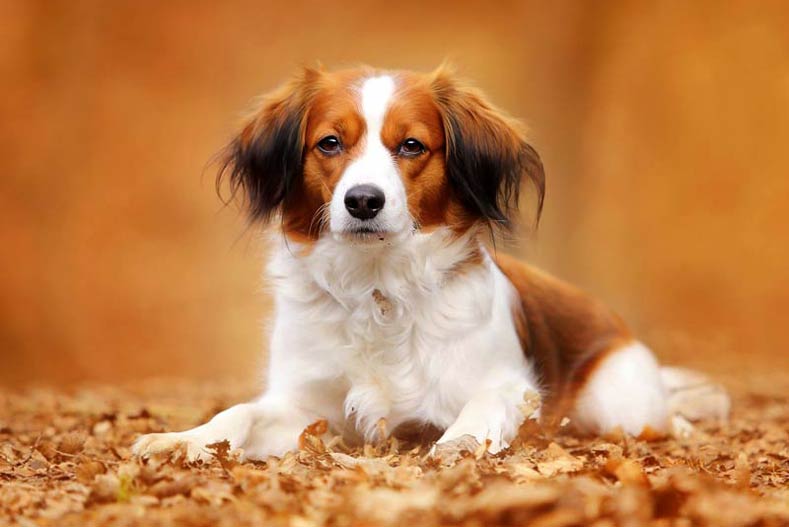
The Nederlandse Kooikerhondje is a small sporting breed with white and orange-red patches. Adults weigh 20–30 pounds. Its silky coat and feathered tail create a bright, elegant look. Kooikerhondjes stay alert and active without reaching Vizsla intensity. They suit owners who enjoy training and moderate outdoor adventures.
Large orange-red patches cover the white coat. Black ear tips can add extra visual contrast.
Kooikerhondjes can act cheerful at home and focused outside. Early social work helps build confidence.
“Ours switches from couch companion to sharp little athlete outside. Training games hold his attention best.”
— Composite owner-style note based on common Kooikerhondje traits
- Clear orange-white appearance
- Useful compact size
- Enjoys training and games
- Can be cautious
- Needs regular activity
- Less common than many breeds
How Do the 10 Best Orange Dog Breeds Compare?
The best way to compare orange dog breeds is by lifestyle, not color depth. Pomeranians offer the smallest body but need steady coat care. Brittanys and Vizslas need active owners. Finnish Spitz dogs add vocal spitz behavior. Tollers combine retrieving drive with high mental needs. Irish Setters need room, exercise, and brushing. Shibas trade easy size for greater independence. Chow Chows need less exercise but more grooming and social training. Golden Retrievers bring easier social behavior but shed heavily. Kooikerhondjes offer a useful middle size with sporting energy.
So if two breeds look equally beautiful, compare the daily workload next. When I narrow breed choices, exercise removes poor matches fastest. That taught me not to rank by appearance alone. You might think a smaller dog always means less work. Here’s why that fails. Small Pomeranians can demand more grooming than large Vizslas. Your next step is choosing the workload you can repeat every day.
| Breed | Size | Energy | Grooming | Orange Style |
|---|---|---|---|---|
| Pomeranian | Toy | Medium-high | High | Orange/red |
| Brittany | Medium | High | Low-medium | Orange/white |
| Finnish Spitz | Small-medium | High | Moderate | Golden-red |
| Toller | Medium | High | Moderate | Copper-red |
| Vizsla | Medium-large | Very high | Low | Golden-rust |
| Irish Setter | Large | High | High | Mahogany |
| Shiba Inu | Small-medium | Medium-high | Moderate | Red |
| Chow Chow | Medium-large | Low-medium | High | Red/cinnamon |
| Golden Retriever | Large | High | Moderate-high | Deep gold |
| Kooikerhondje | Small-medium | Medium-high | Moderate | Orange-red/white |
Which Orange Dog Breed Is Right for You?
Your best orange dog depends on the life you already lead. Choose a Pomeranian when space is limited and grooming feels manageable. Choose a Brittany, Vizsla, or Toller when exercise already fills your week. Choose a Golden Retriever when family fit and trainability matter most. Choose a Finnish Spitz when you enjoy active spitz breeds and accept barking. Choose a Shiba when independence appeals to you. Choose a Chow only when you understand reserved behavior and heavy coat care. A Kooikerhondje works well between toy breeds and large sporting dogs.
Here’s why that matters. A coat color lasts, but daily needs shape every day. When people choose with their schedule first, the match becomes much safer. That taught me to use a simple decision test. You might be thinking you can change your routine after getting the dog. Sometimes you can. But choosing a dog for your current life creates fewer problems. Start with time, space, and energy.
Is This Right for Me?
- If you want tiny and orange → choose a Pomeranian.
- If you run often → consider a Vizsla or Brittany.
- If you want family ease → consider a Golden Retriever.
- If you prefer independence → consider a Shiba Inu.
What Most People Get Wrong About Orange Dog Breeds
The biggest mistake is treating “orange dog” as a breed type. Orange describes appearance, not behavior. Dogs with similar warm coats can have completely different instincts. A Vizsla wants hard exercise and close human contact. A Chow often acts more reserved. A Pomeranian may weigh under seven pounds yet bark like a watchdog. A Toller may spend hours retrieving. A Shiba may prefer more personal space. Coat color cannot tell you which behavior you’ll get.
Another common mistake involves puppies. Adult coat shade may differ from puppy shade. Finnish Spitz puppies can start much darker before developing their mature red coat. Grooming, sunlight, and seasonal coat changes can also affect appearance. When I compare puppies with adults, the visual gap can be striking. That taught me to judge breed standards before puppy photos. So choose for temperament first, then enjoy the color.
You might think darker orange always means a better dog. No accepted shade makes a pet healthier or kinder.
What Care Do Orange-Coated Dogs Need?
Orange coats don’t need special care simply because they are orange. Coat type controls grooming needs. Smooth Vizslas need much less brushing than Pomeranians or Chows. Double-coated breeds need extra brushing during seasonal shedding. Long-coated Irish Setters need regular detangling around feathered areas. Sporting breeds also collect dirt, seeds, and burrs during outdoor work. Check ears, paws, and skin after long outings. Bathing should clean the coat without becoming excessive. Good food, routine veterinary care, and parasite control matter more than any color product.
So what should you do? Build care around your dog’s coat texture and activity level. The ASPCA general dog care guidance recommends regular brushing and routine coat checks. When outdoor dogs return dirty, I check debris before reaching for shampoo. That taught me that simple upkeep prevents bigger grooming problems.
Brush for the coat type, not for the coat color.
What Mistakes Should New Orange-Dog Owners Avoid?
Don’t choose an orange dog from photos alone. A striking coat can hide a poor lifestyle match. Don’t assume smaller breeds need no training. Pomeranians and Shibas still need clear household rules. Don’t underestimate sporting dogs. Brittanys, Vizslas, Tollers, and Irish Setters need more than casual walks. Don’t shave a healthy double coat just to reduce shedding. Don’t expect every red puppy to keep the same shade through adulthood. Most importantly, don’t pay a premium for vague “rare orange” marketing without checking accepted colors.
When a breed description focuses only on unusual color, I look for missing health details. That taught me to treat color-first sales pitches with care. You might think rare color means greater value. Here’s why that can fail. Health testing, temperament, and responsible breeding matter far more. Your best next step is asking about health records before discussing shade.
Never choose a breeder because of color alone.
Which Orange Dog Breed Should You Choose?
The best orange dog is the breed whose needs fit your normal life. Pomeranians win for true orange color in a tiny package. Brittanys stand out for orange-and-white sporting looks. Finnish Spitz dogs offer perhaps the strongest fox-like glow. Vizslas and Tollers bring rich rust and copper shades. Golden Retrievers offer an easier family fit for many homes.
Pick your top two breeds now. Then compare exercise, grooming, size, and temperament. I’m Thomas Cutter, and that two-minute check matters more than choosing the brightest coat.
Frequently Asked Questions
What dog breed is naturally orange?
Pomeranians are among the clearest naturally orange dog breeds. Orange is a familiar coat color for the breed. Brittanys can also have vivid orange-and-white coats. Other breeds look orange while registries call their shades red, rust, copper, mahogany, or deep gold.
What dog looks most like an orange fox?
The Finnish Spitz and Shiba Inu both have strong fox-like looks. Finnish Spitz dogs have golden-red coats, upright ears, and curled tails. Red Shibas combine similar ears and tails with pale cream markings. Pomeranians can also look fox-like, but their thick coats create a fluffier outline.
Are orange dogs rare?
Orange-looking dogs are not always rare. Some breeds commonly produce warm red, orange, rust, or gold coats. Orange Pomeranians and red Shiba Inus are well known. The breed itself may be uncommon, though. Kooikerhondjes and Finnish Spitz dogs can be harder to find in some areas.
Does orange coat color affect a dog’s personality?
No. Orange coat color does not tell you whether a dog will act calm, active, social, or independent. Breed background and individual temperament matter more. A red Chow and golden-rust Vizsla may look similarly warm, yet their normal behavior and exercise needs differ greatly.
Which orange dog breed is best for families?
Golden Retrievers often provide the easiest family fit on this list. They tend to enjoy training, activity, and social household life. Active families may also like Brittanys or Irish Setters. Always consider the children’s ages, available exercise time, grooming workload, and each dog’s individual temperament.
Thomas Cutter is a lifelong dog owner and the founder of FindOutAboutDogs.com. With over 10 years of hands-on experience owning multiple breeds, Thomas created this site to provide honest, research-based dog advice that real owners can actually trust.
