How to Manage Seasonal Shedding in Double-Coated Dogs
Quick Answer
To manage seasonal shedding in double-coated dogs, increase gentle brushing when the undercoat starts loosening, use a suitable undercoat rake, and finish with a coat-appropriate brush or metal comb. Regular grooming helps collect loose fur before it spreads around your home, but it cannot stop the natural shedding cycle. For a consistent routine, follow a practical dog brushing schedule that matches your dog’s coat.
Five steps to manage seasonal shedding
- Increase brushing: Move from routine weekly grooming to shorter, more frequent sessions when shedding becomes heavy.
- Choose the right tool: Use a suitable undercoat rake for loose undercoat and a slicker brush or comb for finishing.
- Work in sections: Separate the coat and groom gently in the direction of hair growth.
- Maintain coat hygiene: Bathe when needed with dog-safe shampoo, rinse thoroughly, and dry the coat properly.
- Watch the skin: Contact a veterinarian if shedding comes with bald patches, sores, persistent itching, or unusual redness.
Remember
- Avoid routine shaving to control shedding because a double coat provides important protection and insulation.
- Aim for a comfortable, clean coat rather than trying to remove every loose hair in one session.
Seasonal shedding can make even a tidy home feel as though it has grown a second carpet. If you live with a German Shepherd, Siberian Husky, Golden Retriever, or Border Collie, you may recognize the sudden appearance of loose fur on furniture and clothing.
I approach shedding management as a grooming routine rather than a one-time cleanup. In this guide, you’ll learn how to adjust brushing frequency, choose useful tools, protect the coat, and recognize when shedding needs veterinary attention.


What Is Seasonal Shedding in Double-Coated Dogs?
Seasonal shedding in double-coated dogs is the natural release of loose hair as the coat changes with environmental conditions and the dog’s hair-growth cycle. The process often becomes more noticeable during spring and fall, although timing varies by breed, climate, and lifestyle.
A double coat contains two distinct layers that perform different jobs.
- Undercoat: A soft, dense layer that provides insulation and traps air close to the body.
- Guard hairs: The coarser outer hairs that help protect the skin and undercoat from moisture, dirt, and environmental exposure.
During a heavy shedding period, the dog releases substantial amounts of loose undercoat while retaining much of its protective outer coat. Grooming helps remove hair that’s ready to come out without unnecessarily damaging healthy coat.
This heavy release is commonly called blowing coat. You might notice soft clumps collecting behind the ears, around the hindquarters, along the back, or wherever the coat is especially dense.
When Do Double-Coated Dogs Shed the Most?
Many double-coated dogs shed most heavily in spring as they lose part of their winter undercoat, with another noticeable change sometimes occurring in fall. However, some dogs shed throughout the year, and their seasonal pattern may be less predictable.
Daylight, temperature, indoor heating, air conditioning, and individual coat characteristics can influence the pattern. Dogs living indoors in relatively stable conditions may show less distinct seasonal cycles.
What seasonal shedding can look like
- Spring: Loose undercoat may come away in large quantities as the weather warms.
- Summer: Some dogs continue shedding while maintaining their protective outer coat.
- Fall: Another coat transition may occur as the dog prepares for cooler conditions.
- Winter: Routine shedding may continue, especially in dogs that spend most of their time indoors.
These patterns are useful guidelines, not a calendar that every dog follows. If your dog’s shedding changes suddenly or produces thinning areas, don’t assume the season explains everything.
How Often Should You Brush a Double-Coated Dog During Shedding Season?
 Save
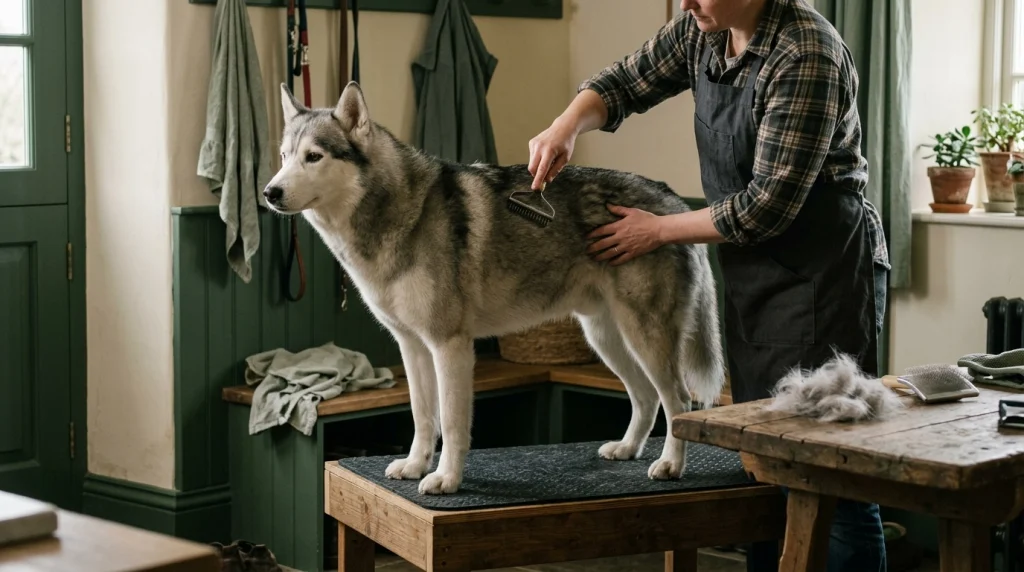
SaveDuring ordinary coat maintenance, many double-coated dogs benefit from brushing several times a week. When loose undercoat starts accumulating quickly, short daily sessions may be more practical, provided your dog tolerates them comfortably.
The ideal schedule depends on coat length, density, tangling, and skin sensitivity. A short-coated Labrador may need a different routine from a heavily coated Samoyed.
| Coat situation | Starting frequency | Main goal |
|---|---|---|
| Short double coat | 2–3 times weekly | Collect loose surface hair and undercoat |
| Medium double coat | Several times weekly | Remove loose hair and prevent tangles |
| Long, dense double coat | Several times weekly, with more frequent checks | Reach dense areas and prevent matting |
| Heavy seasonal coat blow | Short daily sessions as needed | Manage loose undercoat without overbrushing |
These frequencies are starting points rather than strict rules. Reduce the intensity if your dog has sensitive skin, and increase the frequency only when the coat needs it.
For a more detailed routine, use this Husky brush guide as an example of how tool selection changes with a dense double coat.
Which Brushes Work Best for Seasonal Shedding?
The best grooming tool is one that reaches the loose hair your dog needs to shed without scraping the skin or breaking healthy guard hairs. For many double-coated dogs, an undercoat rake, a suitable slicker brush, and a metal comb cover different parts of the job.
Rather than buying a large grooming kit immediately, start with the tool that addresses your dog’s main coat problem.
| Tool | Best use | Important caution |
|---|---|---|
| Undercoat rake | Loosening dead undercoat beneath the outer layer | Avoid digging the teeth into skin |
| Slicker brush | Collecting loose hair and addressing light tangles | Excessive pressure can irritate skin |
| Metal comb | Checking dense sections for hidden tangles | Never force it through a knot |
| Rubber grooming brush | Surface hair removal on suitable short coats | May not reach a thick undercoat |
A useful rule is to match the tool to the coat, not the amount of fur shown in a product advertisement. Aggressive tools can remove too much hair or cause irritation when used incorrectly.
When should you use an undercoat rake?
An undercoat rake is particularly useful when soft, loose hair accumulates beneath the guard hairs. Choose rounded, appropriately spaced teeth that can move through your dog’s coat without catching or pulling.
Use short, gentle strokes in the direction of hair growth. If the rake repeatedly catches, stop and inspect the area instead of pulling harder.
Is a slicker brush enough for seasonal shedding?
A slicker brush can help collect loose hair and manage minor tangles, but it may not be the most efficient choice for every dense double coat during a heavy coat blow. Pairing it with an appropriate undercoat tool often gives you better control.
For a deeper explanation of brush design and everyday grooming uses, read this guide to what a slicker brush does.
How Do You Remove Loose Undercoat Without Damaging the Coat?
 Save
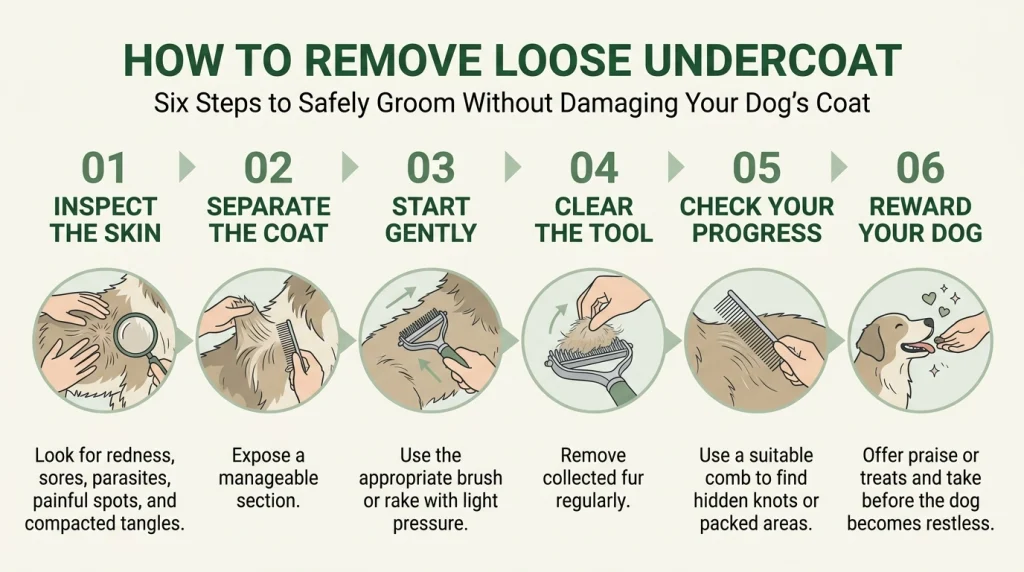
SaveWork through the coat in small sections, remove loose hair gently, and stop when the coat feels comfortable and the tool moves freely. The aim is to manage dead undercoat, not to strip away healthy hair or make the dog shed-free.
- Inspect the skin: Look for redness, sores, parasites, painful spots, and compacted tangles before brushing.
- Separate the coat: Use your fingers to expose a manageable section instead of brushing only the surface.
- Start gently: Move the appropriate brush or rake through the coat with light pressure.
- Clear the tool: Remove collected fur regularly so the teeth or pins continue working effectively.
- Check your progress: Use a suitable comb where appropriate to locate hidden knots or packed areas.
- Reward your dog: Offer praise or treats and take breaks before your dog becomes restless.
Pay special attention to friction areas, including behind the ears, under the collar, around the armpits, and behind the hind legs. These areas may trap loose hair and develop tangles more readily.
My preferred approach is to divide a difficult grooming session into smaller sections rather than keep brushing the same area. That makes it easier to notice discomfort and reduces the temptation to use excessive pressure.
If you discover tight mats close to the skin, don’t try to pull them apart with a rake. A professional groomer can assess the safest removal method, and your veterinarian can help if the skin is painful or inflamed.
Should You Bathe a Double-Coated Dog During Shedding Season?
A bath can help loosen some dead hair and remove dirt, but it works best alongside regular brushing. Use a dog-safe shampoo appropriate for your pet’s skin and coat, and rinse thoroughly to prevent residue.
Follow these practical steps when bathing your dog:
- Check for tangles first: Address manageable knots before bathing because water can tighten some mats.
- Use lukewarm water: Avoid water that’s uncomfortably hot or cold.
- Rinse thoroughly: Residual shampoo can irritate the skin.
- Dry the coat properly: Remove excess moisture and ensure dense areas dry thoroughly.
- Brush after drying: Use a suitable brush or comb to collect loosened hair and check for remaining tangles.
Don’t bathe your dog excessively just to reduce fur around the house. Bathing frequency should depend on coat condition, skin health, activity, and the shampoo’s directions.
For thick coats, a professional groomer may use specialized drying equipment to loosen and remove undercoat. If you use a dryer at home, choose equipment intended for pets and follow its safety instructions carefully.
Can You Shave a Double-Coated Dog to Stop Shedding?
Shaving is generally not recommended as a routine way to manage seasonal shedding in double-coated breeds. It removes protective outer hairs along with undercoat and may interfere with normal coat regrowth.
A double coat helps protect the skin and provides insulation in changing weather. Removing much of that coat can increase exposure to sunlight and other environmental hazards, and regrowth may become uneven in some dogs.
Instead of shaving, focus on these alternatives:
- Remove loose undercoat with an appropriate grooming tool.
- Maintain a regular brushing and bathing routine.
- Provide shade, fresh water, and a cool resting area in hot weather.
- Ask a veterinarian or experienced groomer about unusual coat buildup or severe matting.
Some dogs may need clipping for medical reasons or to address serious matting. Those situations require individual assessment rather than routine shaving to control shedding.
The American Kennel Club’s guidance on shaving dogs explains why coat type matters when deciding how to groom for warm weather.
How Can You Keep Dog Hair Under Control at Home?
Grooming reduces the amount of loose hair that reaches your furniture, but it won’t eliminate shedding entirely. A few simple household habits can make the process easier during a heavy coat change.
- Brush in one location: Choose an easy-to-clean area, ideally with good lighting and a washable surface.
- Use washable covers: Protect favorite resting places with blankets that you can clean regularly.
- Vacuum consistently: Focus on pet beds, upholstery, corners, and high-traffic areas.
- Clean grooming tools: Remove trapped hair after each session and follow the manufacturer’s cleaning instructions.
- Wash bedding regularly: Follow fabric care instructions to remove accumulated fur and dirt.
Consider grooming frequency as your first line of defense. A short session that collects loose fur before it spreads is often more manageable than waiting for a large coat blow to finish.
When Is Seasonal Shedding a Sign of a Health Problem?
 Save
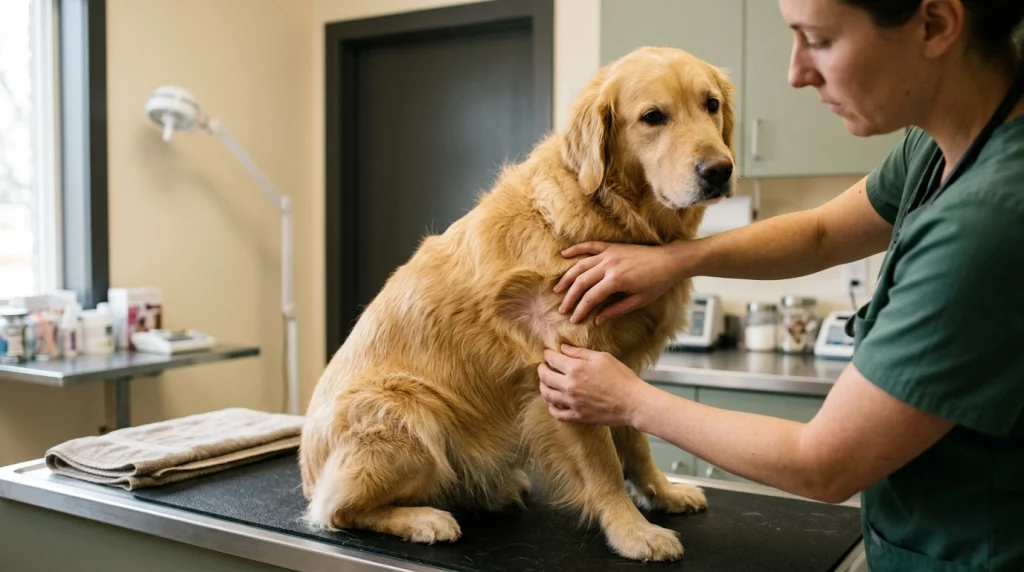
SaveNormal shedding generally leaves the coat reasonably even, although loose hair may come out in impressive amounts. Sudden hair loss, bald patches, inflamed skin, or persistent itching deserve closer attention.
Contact your veterinarian if you notice any of these warning signs:
- Distinct bald spots or progressive thinning.
- Red, crusted, swollen, or painful skin.
- Persistent scratching, licking, or chewing.
- Unusual odor, discharge, or sores beneath the coat.
- A sudden change in coat condition accompanied by changes in appetite, energy, or behavior.
Possible causes include allergies, parasites, skin infections, nutritional problems, and hormonal disorders. A veterinarian can examine the skin and determine whether further testing or treatment is needed.
Don’t try to solve unexplained hair loss by brushing harder or using stronger de-shedding products. Grooming tools remove loose hair; they don’t treat the underlying cause of abnormal shedding.
The VCA Animal Hospitals pet health library provides additional information about grooming, skin health, and coat care.
Which Grooming Tools Are Worth Considering?
If you’re building a seasonal shedding kit, start with one appropriate undercoat tool and add a finishing brush or comb if your dog’s coat needs it. The following products are options to compare by design and intended use, not verified rankings based on current customer reviews.
BEST FOR UNDERCOAT REMOVAL
Maxpower Planet Double-Sided Undercoat Rake
★★★★☆
Its double-sided design provides different tooth spacings for undercoat grooming and loosening suitable coat buildup. I’d consider this style for a dense coat that releases substantial loose undercoat, provided the teeth fit the dog’s coat and skin sensitivity.
BEST FOR FINISHING
Chris Christensen Big G Slicker Brush
★★★★☆
This professional-style slicker is designed for grooming dense coats and separating hair during finishing. I’d compare its pin length and brush size with your dog’s coat before choosing it, particularly if you’re managing long fur or feathering.
BEST FOR A FINAL CHECK
Andis 7.5-Inch Steel Comb
★★★★☆
A metal comb with different tooth spacings can help identify tangles and check whether you’ve groomed through a suitable coat section. I’d use it as a finishing check rather than a tool for forcing apart tight mats or pulling out compacted hair.
The star symbols above are editorial presentation, not verified customer ratings or independently tested performance scores. Check current product specifications, suitability, and seller information before purchasing.
Frequently Asked Questions
How long does seasonal shedding last in double-coated dogs?
Seasonal shedding may continue for several weeks, but the duration varies with breed, coat density, climate, and the individual dog’s hair-growth cycle. Increase grooming while loose undercoat accumulates, then return to your normal routine as shedding decreases.
Can I brush my double-coated dog every day?
Yes, short daily sessions can help during heavy shedding if your dog tolerates them and the tools remain gentle. Avoid repeatedly scraping the same area or using an aggressive de-shedding tool too frequently. Stop if you notice discomfort, redness, or broken hair.
Does bathing help a dog shed its undercoat?
Bathing can loosen some dead hair and help remove dirt, especially when followed by appropriate brushing after the coat dries. Use dog-safe shampoo, rinse thoroughly, and dry dense areas properly. Bathing alone won’t stop the natural shedding cycle.
Should I use a Furminator or an undercoat rake?
An undercoat rake is designed to loosen suitable loose undercoat, while a FURminator-style tool uses a de-shedding edge to collect loose hair. The better choice depends on coat length, density, tool size, and your technique. Follow the manufacturer’s instructions and avoid repeated forceful passes.
Why is my double-coated dog shedding heavily indoors?
Indoor dogs can shed throughout the year because indoor lighting and relatively stable temperatures may make seasonal changes less distinct. Breed, coat condition, and individual biology also matter. Maintain regular grooming and consult a veterinarian if the change is sudden or accompanied by skin problems.
Final Takeaway: Make Seasonal Shedding Easier With a Consistent Routine
The most effective way to manage seasonal shedding in double-coated dogs is to remove loose undercoat regularly while protecting healthy hair and skin. Choose tools that suit your dog’s coat, increase brushing when shedding intensifies, and use bathing as a helpful addition rather than a replacement for grooming.
Don’t aim for a completely fur-free dog. Aim for a comfortable coat, healthy skin, and less loose hair around your home.
Start with short, gentle grooming sessions and adjust the routine as the coat changes. If shedding becomes unusual or you notice bald patches, sores, or persistent itching, seek veterinary advice instead of relying on stronger grooming tools.

Thomas Cutter is a lifelong dog owner and the founder of FindOutAboutDogs.com. With over 10 years of hands-on experience owning multiple breeds, Thomas created this site to provide honest, research-based dog advice that real owners can actually trust.
