Best 10 Dog Breeds for Extroverts: Sociable Dogs for People Who Love People
Quick Answer
If you’re an extrovert, look at the Labrador Retriever, Golden Retriever, Boxer, Vizsla, Beagle, Standard Poodle, Cavalier King Charles Spaniel, Boston Terrier, Australian Shepherd, and Bernese Mountain Dog. These 10 breeds crave people, greet strangers like old friends, and turn every walk into a social event.
What to know before you pick one:
- Social breeds often struggle when left alone for long hours
- Most high-energy social dogs need 60+ minutes of exercise a day
- Some breeds (Boxer, Vizsla) bond hard but bark at every new face
Do this next:
- Match your daily schedule to the breed’s energy level first
- Ask breeders or shelters about the dog’s comfort with strangers
- Start socializing any puppy before 16 weeks old
You walk into a room and you light up. You want your dog to do the same thing. Some breeds hang back near the couch. Others run straight at your guests, tail going like a windshield wiper in a storm.
I’m Jamie Carter, and I’ve spent the last 10 years fostering dogs for a local rescue. I’ve watched shy dogs shrink from a crowded party. I’ve also watched a Golden Retriever turn a quiet backyard barbecue into her own personal meet-and-greet. That difference matters if your own life is loud, social, and full of people.
This guide covers the 10 dog breeds that match an extrovert’s energy in 2026. You’ll get real stats, honest pros and cons, and a clear answer for which breed fits your specific life.


What Makes a Dog Breed Good for Extroverts?
A dog breed suits extroverts when it craves constant company, greets strangers with excitement, and thrives around crowds and noise. These breeds were bred to work closely with people, not apart from them. They rarely settle for a quiet night alone and often “recruit” every visitor as a new best friend.
Most experts agree that sociability comes from two things working together. The first is genetics — some breeds were bred for centuries to bond with humans, not to guard or work solo. The second is early socialization. A Labrador raised with little contact with people can still turn shy. So can any breed.
You might be thinking: isn’t every dog friendly if you raise it right? Here’s why that’s only half true. Training shapes behavior, but breed still sets the baseline drive to seek out people. A Basenji and a Golden Retriever raised the exact same way will still act differently around a stranger.
So what does that mean for you? If your life is full of guests, parties, dog parks, and new faces, pick a breed built for that. It saves you months of extra training work.
The 10 Best Dog Breeds for Extroverts — Ranked and Reviewed
Here are the 10 breeds that consistently show up as the friendliest, most people-focused dogs, based on AKC breed temperament data and real owner experience. Each one brings a different flavor of “extrovert energy” — from calm cuddlers to non-stop social butterflies.
Labrador Retriever — “Everyone’s Instant Best Friend”
 Save
Save| Weight | 55 to 80 lbs |
| Height | 21.5 to 24.5 in |
| Lifespan | 10 to 12 years |
| Energy Level | High |
| Grooming Need | Low to moderate |
| Shedding | Heavy, year-round |
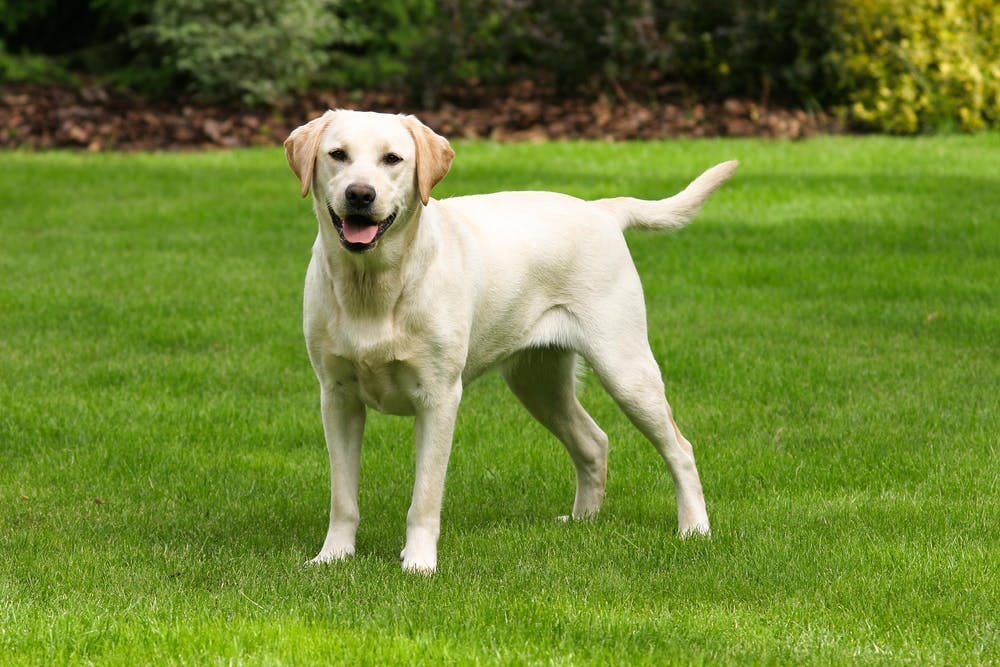
The Labrador Retriever is America’s most popular dog and a natural extrovert’s companion. Weighing 55 to 80 lbs, it greets nearly every stranger like a long-lost friend. Labs are playful, food-motivated, and always ready for the next adventure — perfect for owners with a busy social calendar.
A Lab’s thick, otter-like tail rarely stops moving. Their broad, friendly face seems built for grinning at strangers.
Labs greet guests, not intruders. Most will happily “help” a burglar find the treat drawer. But that same friendliness means weak guarding instincts.
“My Lab greets every delivery driver by name in her head. She’s basically our neighborhood’s unofficial mayor.”
— Marcus T., Labrador owner for 8 years
- Loves strangers and kids equally
- Easy to train with food rewards
- Great in busy, noisy households
- Sheds heavily, all year long
- Needs 60+ minutes exercise daily
- Prone to weight gain if overfed
Best for: Families with guests often over · First-time owners · Active singles
→ Best friendly dog breeds for families with frequent visitors
Golden Retriever — “The Professional Greeter”
| Weight | 55 to 75 lbs |
| Height | 21.5 to 24 in |
| Lifespan | 10 to 12 years |
| Energy Level | High |
| Grooming Need | Moderate to high |
| Shedding | Heavy, year-round |
The Golden Retriever is one of the friendliest dogs on the planet, treating everyone like family within seconds. Standing 21.5 to 24 inches tall, this breed thrives on constant human contact. Goldens work well as therapy dogs because they read people so easily — a huge plus for social, empathetic owners.
Their feathered golden coat flows when they run, almost like a cape. That gentle, expressive face invites strangers to stop and say hello.
Goldens don’t just tolerate visitors — they seek them out. Even less known: Goldens often “gift” guests a toy at the door, unprompted.
“She brings every single guest a shoe within 10 seconds of them walking in the door. It’s her love language.”
— Priya N., Golden Retriever owner for 5 years
- Bonds fast with new people
- Patient and gentle with kids
- Excellent for group activities
- Struggles badly when left alone
- Heavy shedder, twice a year worse
- Higher cancer risk later in life
Best for: Social singles who host often · Families with young kids · Therapy dog volunteers
→ Best dog breeds for social couples who love hosting
Boxer — “The Class Clown Who Never Meets a Stranger”
| Weight | 50 to 80 lbs |
| Height | 21.5 to 25 in |
| Lifespan | 10 to 12 years |
| Energy Level | High |
| Grooming Need | Low |
| Shedding | Moderate |
The Boxer is a goofy, high-energy extrovert that keeps puppy-like enthusiasm well into adulthood. Weighing up to 80 lbs, this muscular breed loves being the center of attention at any gathering. Boxers thrive on play and human interaction, making them ideal for owners who want a dog as social as they are.
Their short coat shows off a sculpted, athletic build. That wrinkled brow gives every Boxer a permanently curious look.
Boxers “talk” through full-body wiggles, not just tail wags. Their surprise trick: many Boxers do a signature spin called the “kidney bean” when excited.
“He does this full-body wiggle spin every time someone new walks in. Guests think it’s the best part of visiting us.”
— Diego R., Boxer owner for 4 years
- Playful with kids and guests
- Short coat, easy to groom
- Loyal, protective of family
- Stays puppyish for 2 to 3 years
- Can be destructive if bored
- Sensitive to heat and cold
Best for: Active extroverts · Families with older kids · Owners who enjoy training
→ Best dog breeds for city living with an active social life
Vizsla — “Your Shadow at Every Party”
| Weight | 44 to 60 lbs |
| Height | 21 to 24 in |
| Lifespan | 12 to 14 years |
| Energy Level | Very high |
| Grooming Need | Low |
| Shedding | Moderate |
The Vizsla is nicknamed the “velcro dog” for its constant need to stay glued to your side. Weighing 44 to 60 lbs, this sleek Hungarian hunting breed pours all its energy into human connection. Vizslas suit extroverts who want a dog that joins every activity, from hikes to backyard parties.
Their rust-gold coat looks almost metallic in sunlight. That lean, athletic frame moves with real elegance at a full run.
Vizslas don’t just follow you — they lean their full body weight against you. Few owners expect this: some Vizslas will sit directly in your lap, all 50 pounds of them.
“She once tried to sit in my lap during a Zoom call. Full 45 pounds, completely unbothered.”
— Hannah W., Vizsla owner for 3 years
- Extremely affectionate, follows everywhere
- Low-shedding, easy short coat
- Great running or hiking partner
- Severe separation anxiety risk
- Needs 90+ minutes exercise daily
- Not suited to sedentary owners
Best for: Runners and hikers · Remote workers who want a desk buddy · Active couples
→ Best dog breeds for first-time owners who want an active companion
Beagle — “The Neighborhood’s Nosiest Friend”
:max_bytes(150000):strip_icc()/beagle-beach-girl-903149510-2000-d06edc2823524aac90613b3b117b78c5.jpg) Save
Save| Weight | 20 to 30 lbs |
| Height | 13 to 15 in |
| Lifespan | 10 to 15 years |
| Energy Level | Moderate to high |
| Grooming Need | Low |
| Shedding | Moderate |
The Beagle is a small, merry hound that greets every person and dog with equal curiosity. Weighing just 20 to 30 lbs, it fits well in smaller homes while still bringing big social energy. Beagles love pack settings and rarely turn down a new face, a new smell, or a new snack.
Their soft, floppy ears frame a face that always looks a little hopeful. That compact, sturdy body was built for hours of trailing scent.
Beagles greet with their whole nose first, personality second. One surprising trait: Beagles don’t just bark, they bay — a long, musical howl few new owners expect.
“He introduces himself to every dog at the park nose-first, then reports back to me like he’s got gossip.”
— Olivia S., Beagle owner for 6 years
- Small size, fits most homes
- Loves other dogs at parks
- Low grooming, wash-and-go coat
- Loud, frequent baying and barking
- Nose leads to frequent escapes
- Prone to overeating and obesity
Best for: Small-space extroverts · Dog park regulars · Families with older kids
→ Best dog breeds for apartments that still love company
Standard Poodle — “The Life of the Party, Minus the Shedding”
| Weight | 40 to 70 lbs |
| Height | Over 15 in |
| Lifespan | 12 to 15 years |
| Energy Level | High |
| Grooming Need | High |
| Shedding | Low |
The Standard Poodle pairs sharp intelligence with a genuine love of the spotlight. Standing over 15 inches tall, this breed enjoys training, tricks, and any chance to show off in front of a crowd. Poodles bond closely with people and warm up fast to new faces after one quick sniff.
Their curly, dense coat can be styled dozens of ways. That upright, proud posture makes the Poodle look ready for a show ring.
Poodles seem prissy, but they’re actually class clowns underneath. What most people miss: Poodles will invent their own tricks just to get a laugh from the room.
“He invented his own trick where he spins twice and sneezes for attention. Works every single time at parties.”
— Grace L., Standard Poodle owner for 7 years
- Low-shedding, allergy-friendly coat
- Extremely trainable and eager
- Loves being center of attention
- Grooming costs add up fast
- Bored easily without mental work
- Needs regular professional trims
Best for: Allergy sufferers who host guests · Owners who love training · Show-and-tell type extroverts
→ Best trainable dog breeds for first-time owners
Cavalier King Charles Spaniel — “The Tiny Social Butterfly”
| Weight | 13 to 18 lbs |
| Height | 12 to 13 in |
| Lifespan | 12 to 15 years |
| Energy Level | Moderate |
| Grooming Need | Moderate to high |
| Shedding | Moderate |
The Cavalier King Charles Spaniel was bred purely for companionship, and it shows in every wag. Weighing just 13 to 18 lbs, this small spaniel happily rides along to cafes, offices, and parties. Cavaliers bond fast with strangers and rarely show any shyness around new people.
Their long, silky ears frame a sweet, round face. That soft coat comes in four classic color patterns, each looking regal.
Cavaliers act like lap dogs, but they carry real sporting-spaniel instincts underneath. Few expect this: Cavaliers will often “flag” their tail nonstop the moment they spot a familiar face across a room.
“She spots my best friend’s car from the window and starts spinning circles before the doorbell even rings.”
— Ethan P., Cavalier owner for 9 years
- Small enough to bring anywhere
- Gentle, calm with strangers
- Great lap dog for social settings
- Prone to serious heart issues
- Ears need regular cleaning
- Craves attention constantly, gets clingy
Best for: Apartment-based extroverts · Owners who travel with their dog · Frequent café visitors
→ Best small dog breeds for apartment-based social lives
Boston Terrier — “The American Gentleman at Every Gathering”
| Weight | 12 to 25 lbs |
| Height | 15 to 17 in |
| Lifespan | 11 to 13 years |
| Energy Level | Moderate |
| Grooming Need | Low |
| Shedding | Low |
The Boston Terrier earns its “American Gentleman” nickname through polite, easygoing charm at every gathering. Weighing 12 to 25 lbs, this compact breed adapts well to apartments, offices, and crowded parties alike. Bostons get along with nearly everyone and rarely show aggression toward strangers.
Their tuxedo-like black-and-white coat looks dressed for any occasion. That large, round eye gives Bostons an alert, curious expression.
Bostons seem calm, but they carry a real playful streak once they warm up. One thing new owners rarely expect: Bostons often “talk” back with a range of grunts, snorts, and huffs.
“He grunts a whole conversation back at me every morning. Guests always ask if he’s actually trying to talk.”
— Carla M., Boston Terrier owner for 5 years
- Compact size, easy to travel with
- Low grooming, short coat
- Calm indoors, playful outdoors
- Sensitive to heat, breathing issues
- Snores and snorts loudly
- Prone to eye injuries
Best for: City-dwelling extroverts · Office dogs · Small-home social hosts
→ Best dog breeds for city living and small spaces
Australian Shepherd — “The Life-of-the-Party Overachiever”
| Weight | 40 to 65 lbs |
| Height | 18 to 23 in |
| Lifespan | 12 to 15 years |
| Energy Level | Very high |
| Grooming Need | Moderate |
| Shedding | Heavy, seasonal |
The Australian Shepherd throws itself into every activity, game, and gathering with total commitment. Weighing 40 to 65 lbs, this smart herding breed wants a job and a crowd to perform for. Aussies bond deeply with their people and thrive in busy, socially active households.
Their striking merle coat comes in blue, red, or black patterns. Piercing blue or amber eyes give the Aussie an intense, focused stare.
Aussies herd more than sheep — they’ll herd party guests toward the kitchen. What surprises most new owners: Aussies sometimes nip at ankles gently, purely out of herding instinct.
“She herds my dinner guests toward the table like she’s running the whole event. It’s honestly useful.”
— Tyler B., Australian Shepherd owner for 6 years
- Extremely smart, learns fast
- Loves games and group activities
- Deeply loyal to its people
- Needs a serious daily job
- May herd kids or other pets
- Sheds heavily each spring and fall
Best for: Active households · Dog sport enthusiasts · Owners with yards or hiking access
→ Best dog breeds for big, active families
Bernese Mountain Dog — “The Gentle Giant Who Wants a Hug”
 Save
Save| Weight | 70 to 115 lbs |
| Height | 23 to 27.5 in |
| Lifespan | 7 to 10 years |
| Energy Level | Moderate |
| Grooming Need | Moderate to high |
| Shedding | Heavy, year-round |
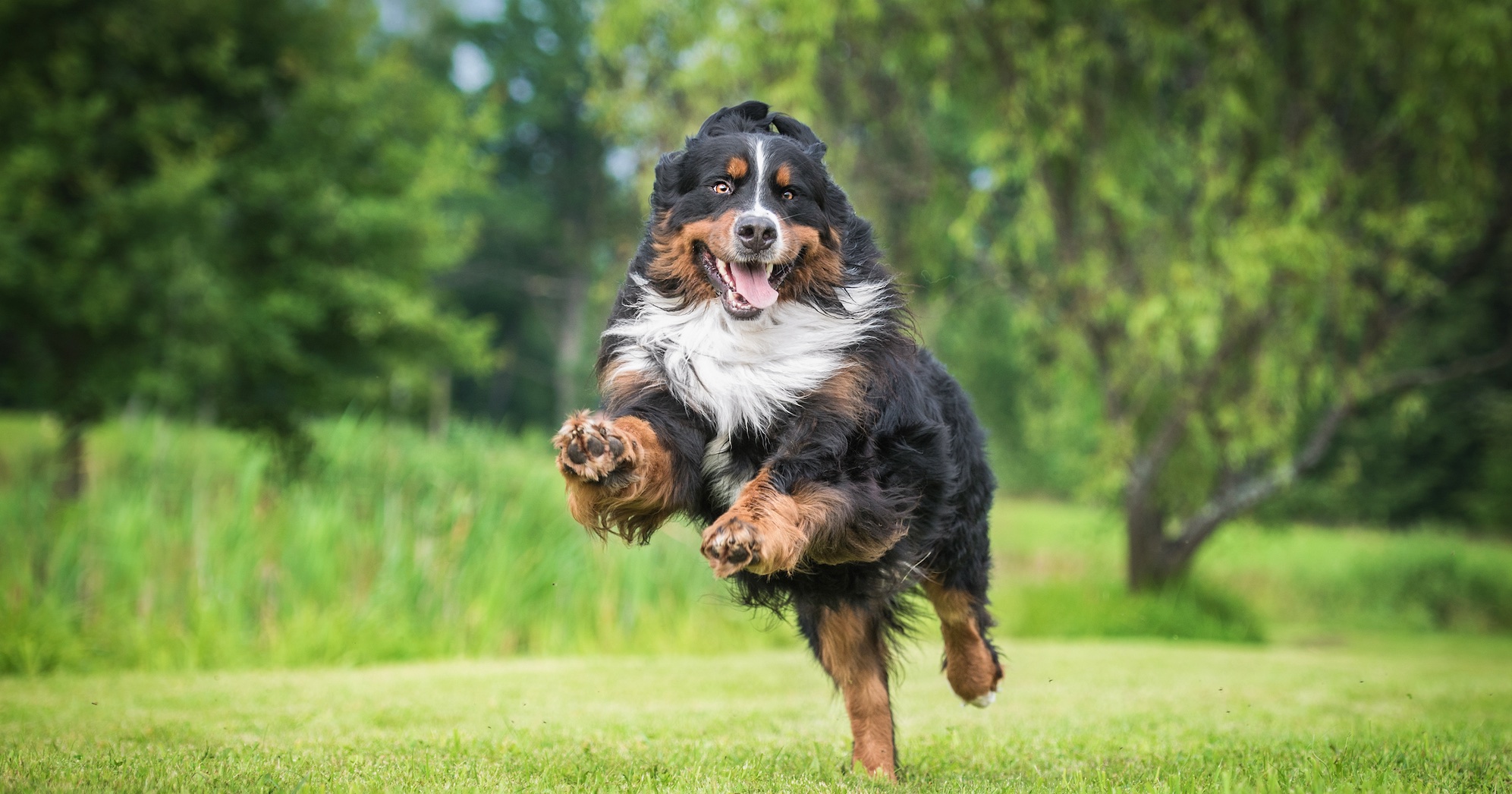
The Bernese Mountain Dog is a massive, affectionate breed that craves closeness with its people. Weighing up to 115 lbs, this gentle giant is reserved with strangers at first but warms fast with a little time. Berners suit extroverts who host smaller, calmer gatherings full of familiar faces.
Their thick tricolor coat looks striking against snow or grass. That broad, calm face carries an almost permanent gentle expression.
Berners look intimidating but act like giant lap dogs. What catches new owners off guard: many Berners give a “Berner bump,” pushing their whole head into you for attention.
“He leans his whole 100 pounds against my leg the second I sit down. My friends call it the Berner hug.”
— Nora F., Bernese Mountain Dog owner for 4 years
- Deeply affectionate with family
- Calm temperament indoors
- Gentle with children and elderly guests
- Shorter lifespan than most breeds
- Needs space, not ideal for tiny homes
- Heavy shedder, constant brushing needed
Best for: Homes with yards · Families who host smaller gatherings · Cold-climate owners
→ Best friendly dog breeds for families with young kids
How Do These 10 Breeds Compare Side by Side?
Scanning a table is often faster than reading 10 full profiles. Here’s how all 10 breeds stack up on the traits that matter most to extroverts: size, energy, and how they act around strangers.
| Breed | Size | Energy | Stranger Friendliness |
|---|---|---|---|
| Labrador Retriever | Large | High | Excellent |
| Golden Retriever | Large | High | Excellent |
| Boxer | Large | High | Very good |
| Vizsla | Medium | Very high | Very good |
| Beagle | Small | Moderate-high | Excellent |
| Standard Poodle | Large | High | Very good |
| Cavalier King Charles Spaniel | Small | Moderate | Excellent |
| Boston Terrier | Small | Moderate | Very good |
| Australian Shepherd | Medium | Very high | Good, warms up fast |
| Bernese Mountain Dog | Giant | Moderate | Good, reserved at first |
Which Social Dog Breed Fits Your Specific Lifestyle?
The right social breed depends on your home size, energy level, and how often people visit. A small apartment with lots of guests needs a different dog than a big house with a yard. Match the breed’s real needs to your daily routine, not just its personality.
Here’s the “Is This Right for Me?” breakdown, based on the most common situations extroverted owners face:
- If you host guests weekly in a small apartment → the Cavalier King Charles Spaniel or Boston Terrier fits your space and energy level.
- If you’re an active runner or hiker who wants company on every outing → the Vizsla or Australian Shepherd will keep pace with you.
- If you want a classic, easygoing family dog for a busy household → the Labrador Retriever or Golden Retriever covers both kids and guests.
- If you deal with allergies but still want a social, trainable dog → the Standard Poodle is your best match.
You might be thinking: can’t any friendly breed work in any home? Here’s why that’s risky. A Vizsla in a small apartment with no yard often turns anxious and destructive, no matter how social it is.
What Do New Owners Get Wrong About Social Dog Breeds?
Most new owners assume a friendly breed needs less training than a shy one. That’s backwards. Social breeds still need boundaries, or their enthusiasm turns into jumping, mouthing, and pulling on the leash. Friendliness is a starting point, not a finished product.
Here’s the thing. A dog that loves everyone can still be poorly behaved around everyone. Most experts agree that structure and clear rules matter just as much for social breeds as for reserved ones.
Another common mix-up: people confuse “friendly” with “low-maintenance.” The good news is, most social breeds actually need more daily interaction, not less. A bored, understimulated Vizsla or Aussie can become anxious fast.
So if you’re picking a breed purely because it’s “easy” around people, double-check its exercise and mental stimulation needs too.
Social Dog Care Essentials Every New Owner Should Know
Social dogs need daily interaction on top of daily exercise. Skipping either one leads to boredom, anxiety, or destructive habits. Build a routine with regular walks, playtime, and real face-to-face time built in, not just quick bathroom breaks.
Book a weekly dog park visit or puppy playdate to satisfy your dog’s need for new faces.
As a result, most social breeds do better with a predictable social calendar. Even better, rotating between familiar friends and new visitors keeps a dog well-adjusted, not overstimulated.
When I fostered a young Golden mix last year, she’d get overexcited with every new visitor. That taught me structured greetings — sit before hello — solve most jumping problems within two weeks.
Common Mistakes New Social-Dog Owners Make
The biggest mistake is skipping structured training because “the dog is already friendly.” Untrained enthusiasm turns into jumping on guests, pulling toward strangers, and ignoring recall at the dog park. Friendliness without manners creates a dog that’s hard to control in public.
Never let a puppy jump on guests, even if it looks cute now — a 70-lb adult dog jumping is a real hazard.
In other words, cute puppy jumping becomes a real problem once the dog hits 60 or 70 lbs. That said, catching it early with simple “sit for greetings” training solves most cases.
Another frequent mistake: assuming a social dog doesn’t need alone-time training. Even the friendliest breeds should learn to settle calmly when you’re not actively entertaining them.
Honest Scope: What This Guide Covers (and What It Doesn’t)
This guide covers the 10 friendliest, most people-oriented dog breeds and how to match them to your lifestyle. If your situation involves severe allergies, a very small living space under 500 square feet, or a household with very young toddlers, you may need breed-specific research beyond this list — smaller hypoallergenic breeds or extra-gentle temperaments might serve you better.
Frequently Asked Questions
What is the friendliest dog breed for extroverts?
The Golden Retriever and Labrador Retriever are widely considered the friendliest breeds overall. Both greet strangers with genuine excitement and rarely show shyness. They suit owners who host often or visit dog parks regularly.
Do small dog breeds make good companions for social people?
Yes, several small breeds like the Cavalier King Charles Spaniel and Boston Terrier are highly social. Their compact size makes them easy to bring along to gatherings, cafes, and small apartments while still craving constant company.
Can a high-energy social dog live in an apartment?
It depends on the breed and your exercise routine. Breeds like the Vizsla or Australian Shepherd need 60 to 90 minutes of daily exercise, even in an apartment. Without that, they often become anxious or destructive.
Are social dog breeds harder to train than reserved breeds?
Not necessarily, but they need consistent structure early on. Their enthusiasm around people can turn into jumping or pulling without clear boundaries. Most social breeds are actually highly food-motivated and easy to train with consistency.
Do friendly dog breeds still need socialization training?
Yes, every breed benefits from early, structured socialization. Genetics gives a dog a friendly starting point, but exposure to new people, places, and situations before 16 weeks shapes lasting confidence. Skipping this step can undo a breed’s natural sociability.
Final Thoughts: Picking Your Social Dog
Any of these 10 breeds can turn your busy, people-filled life into a shared adventure. The right pick comes down to your space, your energy, and how often your door opens for guests.
One thing to do right now: pick your top 2 breeds from this list, then contact a local breeder or rescue this week to meet one in person. I’m Jamie, and nothing beats seeing how a dog actually reacts to a room full of strangers before you commit.
Thomas Cutter is a lifelong dog owner and the founder of FindOutAboutDogs.com. With over 10 years of hands-on experience owning multiple breeds, Thomas created this site to provide honest, research-based dog advice that real owners can actually trust.
