Best 10 Dog Breeds for Dorms — Small, Calm Picks for Student Life
You hear hallway doors slam at midnight.
Your room is small, your schedule shifts, and one bark can annoy a whole floor. I’m Thomas Cutter, and I’ve helped owners compare breeds for real homes, not perfect ads.
This guide covers small dog breeds for student dorms and campus housing. If your school bans pets, start with the housing office before choosing any breed.
- The best dorm dogs are quiet, small, and routine-friendly.
- Small size alone does not mean easy dorm life.
- Low shedding often means higher grooming costs.
- Flat-faced breeds need heat and breathing care.
- Your dorm rules matter more than any breed list.


What Makes a Dog Breed Good for Dorm Life?
A good dorm dog is small enough for tight space, calm enough for shared walls, and stable enough for a busy student schedule. The best breed also tolerates short walks, hallway noise, visitors, and alone time between classes. Most experts agree that lifestyle fit matters more than cuteness. So if your room is tiny, choose calm first.
You might be thinking any small dog works. Here’s why that fails. Some tiny breeds bark often, chase sounds, or dislike being alone.
When students ask me about dorm dogs, I check 4 things first. The room, the rules, the roommate, and the routine matter most.
For deeper small-space choices, see these best indoor dog breeds for calm home life.
Never bring a dog into a dorm without written approval.
The 10 Best Dog Breeds for Dorms
The best 10 dog breeds for dorms are Cavalier King Charles Spaniel, Havanese, Shih Tzu, Bichon Frise, Maltese, Toy Poodle, Italian Greyhound, Boston Terrier, French Bulldog, and Pug. Each breed fits small rooms better than large, high-drive dogs. But each one still needs walks, grooming, training, and a real daily plan.
Here’s the thing. Dorm-friendly does not mean care-free. It means the breed can settle well after its needs are met.
You might be thinking the quietest dog is always best. Not quite. The best dorm dog is quiet, legal, healthy, and easy to manage.
Cavalier King Charles Spaniel — Dorm Dog With a Soft Heart
 Save
Save| Weight | 13–18 pounds |
| Height | 12–13 inches |
| Lifespan | 12–15 years |
| Energy Level | Low to medium |
| Grooming Need | Medium brushing |
| Shedding | Moderate |
The Cavalier King Charles Spaniel is a gentle dorm dog known for soft manners. It weighs 13 to 18 pounds and fits small rooms well. This breed enjoys laps, light walks, and steady company. It suits students who want a calm companion.
The Cavalier has round eyes, silky ears, and a soft spaniel face. Its feathered coat looks rich without feeling bulky.
You may expect a lap dog only. But Cavaliers also enjoy short hallway games. Even better, they often match your mood fast.
“He curls up during study time, then walks happily after class.”
— Maya R., composite Cavalier owner note
- Calm in small rooms
- Gentle with visitors
- Easy daily walks
- Dislikes long alone time
- Heart checks matter
- Ears need care
Best for: Quiet students · First-time owners · Small rooms
Havanese — Dorm Dog With Social Spark
| Weight | 7–13 pounds |
| Height | 8.5–11.5 inches |
| Lifespan | 14–16 years |
| Energy Level | Medium |
| Grooming Need | Medium to high |
| Shedding | Low |
The Havanese is a small dorm dog known for social charm. It weighs 7 to 13 pounds and loves close contact. This breed enjoys tricks, short walks, and people nearby. It suits students with flexible schedules.
The Havanese has soft hair, bright eyes, and a curled tail. A short trim makes dorm care much easier.
Most people expect a cute lap dog. But Havanese dogs love little games. The wow part is their natural comic timing.
“She hears my laptop close and brings her toy right away.”
— Noah L., composite Havanese owner note
- Low loose shedding
- Loves student routines
- Small-room friendly
- Coat tangles fast
- Needs people nearby
- Can dislike isolation
Best for: Flexible schedules · Low-shed seekers · Social students
Shih Tzu — Dorm Dog With Royal Calm
The Shih Tzu is a calm dorm dog known for close companionship. It weighs 9 to 16 pounds and needs short daily walks. This breed enjoys beds, people, and routine. It suits students who can handle grooming.
The Shih Tzu has a broad face and long coat. A puppy cut keeps dorm care simple.
You may expect a sleepy dog. But Shih Tzus can be stubborn thinkers. The surprise is how firmly they guard comfort.
Best for: Calm students · Short walks · Cozy rooms
Bichon Frise — Dorm Dog With Bright Cheer
The Bichon Frise is a cheerful dorm dog known for low shedding. It weighs 12 to 18 pounds and fits small spaces well. This breed enjoys games, people, and routine. It suits students who can budget for grooming.
The Bichon looks like a white powder puff with dark eyes. Its coat gives a soft toy-like look.
Most people expect a quiet lap dog. But Bichons can be playful clowns. The wow part is their bold room-filling joy.
Best for: Low-shed homes · Friendly floors · Grooming budgets
Maltese — Dorm Dog With Tiny Grace
 Save
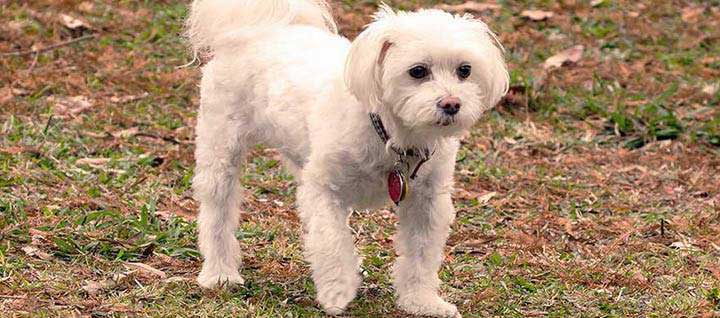
SaveThe Maltese is a tiny dorm dog known for devotion. It weighs under 7 pounds and needs gentle handling. This breed enjoys laps, short walks, and quiet play. It suits careful students in quiet housing.
The Maltese has a white coat and dark, alert eyes. A short trim works best for student life.
You may expect a fragile doll dog. But Maltese dogs can act brave. Their tiny body often carries a big voice.
Best for: Quiet dorms · Careful owners · Tiny rooms
Toy Poodle — Dorm Dog for Smart Low-Shed Living
The Toy Poodle is a smart dorm dog known for low shedding. It weighs 4 to 6 pounds and learns rules fast. This breed needs mental games, grooming, and clear routines. It suits students who enjoy training.
The Toy Poodle has tight curls and a proud little frame. Its coat traps loose hair well.
Most people expect a fancy dog. But Toy Poodles are sharp athletes. The surprise is how fast they learn your class routine.
Best for: Training fans · Allergy-aware rooms · Neat students
Italian Greyhound — Dorm Dog With Quiet Elegance
The Italian Greyhound is a slim dorm dog known for quiet affection. It weighs 7 to 14 pounds and loves warm blankets. This breed enjoys short sprints and long naps. It suits calm students who avoid rough handling.
The Italian Greyhound looks like a tiny racehorse. Its thin coat shows every graceful line.
You may expect nonstop speed. But this breed sleeps a lot indoors. The wow part is its blanket-seeking skill.
Best for: Quiet students · Minimal grooming · Warm rooms
Boston Terrier — Dorm Dog With Tuxedo Energy
The Boston Terrier is a compact dorm dog known for lively charm. It weighs 12 to 25 pounds and has a short coat. This breed enjoys play, training, and people. It suits students who can give daily movement.
The Boston Terrier wears a natural tuxedo coat. Its round eyes and upright ears look alert.
Most people expect a couch buddy. But Bostons can burst with speed. The surprise is how quickly they settle.
Best for: Playful students · Short coats · City campuses
French Bulldog — Dorm Dog With Comic Confidence
The French Bulldog is a sturdy dorm dog known for comic charm. It weighs under 28 pounds and needs short walks. This breed enjoys people, naps, and soft play. It suits cool rooms and owners who monitor breathing.
The Frenchie has bat ears and a square body. Its face often looks serious before play starts.
You may expect a low-effort dog. But Frenchies need heat care. The surprise is how fast warm weather matters.
Best for: Cool climates · Low-walk owners · Sturdy small-dog fans
Pug — Dorm Dog With Big Feelings
) Save
SaveThe Pug is a compact dorm dog known for humor and closeness. It weighs 14 to 18 pounds and enjoys short play. This breed loves people, food, and routine. It suits students who manage heat, weight, and shedding.
The Pug has a wrinkled face and curled tail. Its big eyes show every mood clearly.
You may expect a couch dog. But Pugs still need weight control. Their snack radar can shock new owners.
Best for: Funny homes · Short walks · Students home often
How Do These Dorm Dog Breeds Compare?
The easiest way to compare dorm dogs is by noise, grooming, energy, and alone-time tolerance. Cavaliers and Shih Tzus fit calmer rooms. Toy Poodles and Bichons help with shedding. Italian Greyhounds need little coat care. Boston Terriers need more play. French Bulldogs and Pugs need strict heat care. Match the breed to your real week.
| Breed | Dorm Strength | Main Challenge |
|---|---|---|
| Cavalier | Calm mood | Alone time |
| Havanese | Social fit | Coat care |
| Toy Poodle | Low shedding | Grooming cost |
| Italian Greyhound | Quiet rest | Cold sensitivity |
| French Bulldog | Low walks | Heat risk |
You might be thinking one table can choose the dog. Here’s why it cannot. A table helps you shortlist, but your dorm rules decide first.
For calmer breed options, see these calm dog breeds for quiet homes.
Which Dorm Dog Breed Is Right for You?
The right dorm dog depends on your housing rules, class schedule, noise limits, roommate, grooming budget, and daily free time. If you need quiet, choose a Cavalier or Shih Tzu. If you need less shedding, choose a Toy Poodle or Bichon. If you want low grooming, choose an Italian Greyhound or Boston Terrier.
If you are gone most of the day, choose an adult dog over a puppy. Puppies need too many toilet breaks for most student schedules.
- If you live in a quiet dorm, choose Cavalier or Shih Tzu.
- If shedding matters, choose Toy Poodle or Bichon Frise.
- If grooming money is tight, choose Italian Greyhound or Boston Terrier.
- If your campus is hot, avoid flat-faced breeds first.
Students with long class days should compare dog breeds for busy working homes too.
What Most People Get Wrong About Dorm Dogs
Most people think a small dog is automatically good for a dorm. That is wrong. Dorm life rewards quiet behavior, good bladder habits, low stress, and steady routines. A tiny dog that barks all day can be harder than a larger calm dog. Size helps, but temperament matters more.
Here’s why that matters. Your neighbors hear barking before they notice size. Your roommate feels mess before they admire cuteness.
When owners choose by photos alone, trouble starts fast. That taught me to judge the routine before the breed.
Ask your roommate 3 questions before applying for dog approval.
What Should Students Check Before Bringing a Dog to a Dorm?
Students should check pet rules, service animal rules, roommate consent, breed limits, deposits, vaccination rules, noise rules, and emergency care access. You also need a toilet plan, a class-day schedule, and a backup sitter. In 2026, campuses vary widely, so written housing approval matters more than online breed advice.
Most colleges have strict residence rules. The ADA defines a service animal as a dog trained to perform disability-related tasks, not just a comfort pet.
For official guidance, review the ADA service animal FAQ before you speak with housing staff.
If your school allows pets, ask for the rule in writing. Verbal approval can fail during room checks.
How Should You Prepare a Dorm Room for a Dog?
Prepare a dorm room by building one calm dog zone, setting a walk schedule, storing food safely, and planning noise control. Use washable bedding, a small crate or pen, and a clear toilet routine. Keep cords, snacks, and laundry off the floor. A calm setup prevents most dorm problems.
- Get written housing approval first.
- Ask your roommate before buying supplies.
- Choose one quiet dog zone.
- Book a vet near campus.
- Plan walks around class blocks.
- Set a backup sitter contact.
You might be thinking supplies solve the hard part. They do not. The routine solves the hard part.
First-time owners may also find this first-time dog breed guide useful.
What Health Issues Matter Most for Dorm Dogs?
The biggest health issues for dorm dogs are heat stress, obesity, stress barking, separation anxiety, dental disease, and missed vet care. Flat-faced breeds need extra care because heat and breathing issues can become serious fast. Small breeds also need dental checks, safe handling, and steady meals.
Cornell’s veterinary guidance notes that short-muzzle dogs face higher heatstroke risk. So if you choose a Pug or French Bulldog, avoid hot walks.
Use the Cornell heatstroke guide for dogs before summer starts.
The AKC also lists many small breeds as apartment-friendly, but apartment-friendly still means daily care. See the AKC apartment dog guide for wider breed context.
Conclusion
The best dorm dog is not just small.
It is quiet, approved, healthy, and matched to your real schedule. Start with rules first, then choose the breed.
Do one thing right now. Email your housing office and ask for the current dog policy.
I’m Thomas Cutter, and that 2-minute step can save months of stress.
Frequently Asked Questions
Can you have a dog in a college dorm?
Sometimes, but many dorms do not allow pet dogs. Some campuses allow approved service animals or assistance animals under specific rules. Always ask your housing office for written policy before choosing a breed, paying deposits, or bringing any dog to campus.
What is the quietest dog breed for a dorm?
The Cavalier King Charles Spaniel is one of the best quiet dorm picks. It is small, gentle, and often calm indoors. Shih Tzus and Italian Greyhounds can also work well when trained, exercised, and kept on a steady daily routine.
Are puppies good for dorm rooms?
Puppies are usually hard in dorm rooms. They need frequent toilet breaks, close supervision, training, and sleep routines. An adult dog with a known temperament is often safer for students because its energy, noise level, and habits are clearer.
Which dog breeds should students avoid in dorms?
Students should avoid high-drive, loud, or large working breeds in dorms. Border Collies, Huskies, Australian Shepherds, and Jack Russell Terriers often need more space and activity. These breeds can be great dogs, but dorm life rarely meets their needs.
What is the best low-shedding dog for dorms?
The Toy Poodle is one of the best low-shedding dorm dogs. It is tiny, smart, and trainable. The main trade-off is grooming, which can cost more than students expect. Bichon Frise is another strong low-shed choice.

Thomas Cutter is a lifelong dog owner and the founder of FindOutAboutDogs.com. With over 10 years of hands-on experience owning multiple breeds, Thomas created this site to provide honest, research-based dog advice that real owners can actually trust.
