Best 10 Indoor Dog Breeds for Families — Calm, Kid-Friendly Picks for 2026
Quick Answer
The best 10 indoor dog breeds for families are Cavalier King Charles Spaniel, Bichon Frise, Havanese, Shih Tzu, French Bulldog, Pug, Boston Terrier, Maltese, Cocker Spaniel, and Greyhound. The right choice depends on your space, child age, noise limits, grooming time, and daily walk routine.
| Best Indoor Breed | Best Family Fit |
|---|---|
| Cavalier King Charles Spaniel | Gentle homes with kids |
| Bichon Frise | Apartment families |
| Greyhound | Quiet homes wanting calm |
Choose an indoor family dog if:
- You want a calm dog inside.
- You can give daily walks.
- Your kids can respect dog space.
- You can handle coat care.
You hear tiny paws on the floor.
Your child laughs, the dog settles nearby, and home feels warmer.
But picking the wrong indoor dog can change that peace fast.
I’m Thomas Cutter, a lifelong dog owner and founder of FindOutAboutDogs.com. I’ve lived with dogs in real homes, not perfect ads.
This guide covers indoor dog breeds for family homes. If your dog has health issues, ask your vet first.
- Indoor dogs still need walks, play, and training.
- Calm does not always mean lazy.
- Small dogs need gentle kids and safe handling.
- Low-shed coats often need more grooming.
- The best breed matches your real home routine.


What Makes a Dog Breed Good for Indoor Family Life?
A good indoor family dog is calm inside, safe around children, and easy to manage daily. Size helps, but it is not the only factor. Energy level, noise, grooming, health risks, and training needs matter more. Most experts agree that families should choose by lifestyle, not looks. The AVMA guide to selecting a pet dog also points families toward home fit and care needs. So if you live in an apartment, pick a dog that rests well after short walks. If you have young kids, pick a dog with patience and a sturdy build. You might be thinking small dogs are always easier. Here’s why that can be wrong. Some small breeds bark more, need more coat care, or dislike rough play.
When families ask me about indoor dogs, I watch their daily rhythm first. That taught me one key rule.
The best indoor dog is not the quietest breed. It is the breed your home can support every day.
If allergies matter in your home, review these best dog breeds for families with allergies before you decide.
The 10 Best Indoor Dog Breeds for Families
The best 10 indoor dog breeds for families are chosen for calm home habits, child fit, size, and care needs. Cavalier King Charles Spaniels are gentle. Bichons and Havanese fit small homes. Shih Tzus and Maltese like close indoor life. French Bulldogs, Pugs, and Boston Terriers bring humor with less space need. Cocker Spaniels suit warmer family homes with play time. Greyhounds surprise many owners because they often sleep indoors after walks. The AKC family dog guide also notes that home, child age, and lifestyle matter. You might be thinking every “family dog” works indoors. Here’s the catch. Some great family breeds need more space, more exercise, or more noise control.
Now let’s look at each breed in detail.
Cavalier King Charles Spaniel — Indoor Family Dog With a Soft Heart
 Save
Save| Weight | 13-18 pounds |
| Height | 12-13 inches |
| Lifespan | 12-15 years |
| Energy Level | Low to medium |
| Grooming Need | Medium |
| Shedding | Moderate |
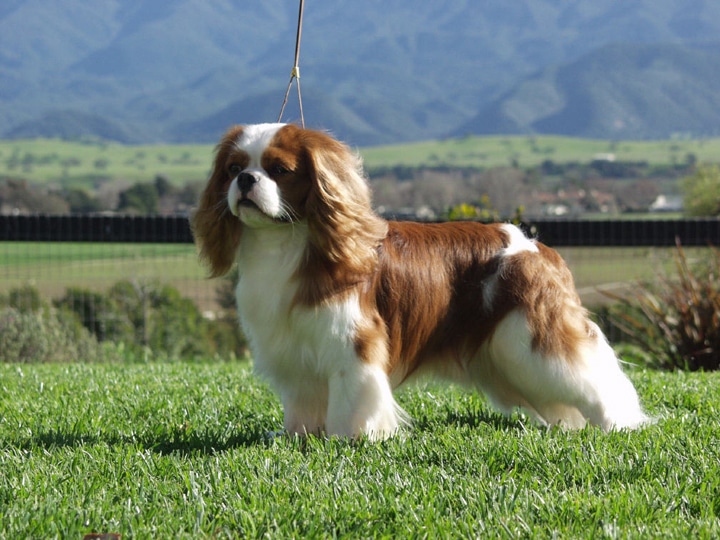
The Cavalier King Charles Spaniel is a gentle indoor family dog known for soft manners. This small spaniel weighs 13 to 18 pounds. It loves laps, light play, and close family time. It suits homes with kind kids and calm daily routines.
The Cavalier has large round eyes and a silky coat. Its feathered ears frame the face like soft curtains.
Most people expect a lap dog. But Cavaliers also enjoy short games. Even better, they often match your home mood fast.
“Our Cavalier waits beside the reading chair each night. He knows story time starts there.”
— Example owner note, Cavalier home for 5 years
- Gentle with calm children
- Good for small homes
- Easygoing indoor rhythm
- Needs ear checks often
- Can gain weight fast
- Dislikes long alone time
Best for: Gentle kids · Apartment homes · First-time owners
Bichon Frise — Indoor Family Dog With Bright Cheer
| Weight | 12-18 pounds |
| Height | 9.5-11.5 inches |
| Lifespan | 14-15 years |
| Energy Level | Medium |
| Grooming Need | High |
| Shedding | Low |
The Bichon Frise is a cheerful indoor family dog known for low shedding. It weighs 12 to 18 pounds and fits small homes well. Bichons enjoy people, games, and routine. They suit families that can brush and groom often.
The Bichon looks like a white powder puff with dark eyes. Its curled coat gives the face a toy-like look.
You may expect a calm lap dog. But Bichons can be playful clowns. The surprise is how much joy fits inside one small body.
“Our Bichon checks every school bag. Then he sits like the hall monitor.”
— Example owner note, Bichon home for 4 years
- Low loose-hair spread
- Playful with gentle kids
- Fits apartment life well
- Coat mats without brushing
- Can bark when lonely
- House training needs patience
Best for: Apartment families · Allergy-aware homes · Gentle kids
Havanese — Indoor Family Dog With Social Spark
| Weight | 7-13 pounds |
| Height | 8.5-11.5 inches |
| Lifespan | 14-16 years |
| Energy Level | Medium |
| Grooming Need | Medium to high |
| Shedding | Low |
The Havanese is a small indoor family dog known for social charm. It weighs 7 to 13 pounds and loves close contact. Havanese dogs enjoy play, training, and family noise. They suit homes where people are nearby often.
The Havanese has a soft coat that can flow long. Many families keep it clipped short for ease.
Most people expect a cute small dog. But Havanese dogs often read the room. Even better, they invite shy kids into play.
“Our Havanese hears laughter and runs in. She wants to join every joke.”
— Example owner note, Havanese home for 6 years
- Low shedding indoors
- Warm with kind kids
- Good small-space fit
- Needs people nearby
- Coat tangles fast
- Small body needs care
Best for: Work-from-home homes · Apartment families · Gentle children
Shih Tzu — Indoor Family Dog With Royal Calm
| Weight | 9-16 pounds |
| Height | 9-10.5 inches |
| Lifespan | 10-18 years |
| Energy Level | Low to medium |
| Grooming Need | High |
| Shedding | Low to moderate |
The Shih Tzu is a calm indoor family dog known for close companionship. It weighs 9 to 16 pounds and needs short daily walks. Shih Tzus enjoy soft beds, people, and routine. They suit families that can handle coat care.
The Shih Tzu has a broad face and long flowing coat. A puppy cut makes home care much easier.
You may expect a sleepy lap dog. But Shih Tzus can be stubborn thinkers. The surprise is how firmly they protect comfort.
“Our Shih Tzu chooses one sunny rug each day. The kids call it her office.”
— Example owner note, Shih Tzu home for 7 years
- Calm indoor habits
- Needs modest exercise
- Enjoys family closeness
- Needs regular face cleaning
- Heat can be risky
- Training needs patience
Best for: Calm homes · Older adults · Gentle school-age kids
French Bulldog — Indoor Family Dog With Comic Confidence
 Save
Save| Weight | Under 28 pounds |
| Height | 11-13 inches |
| Lifespan | 10-12 years |
| Energy Level | Low to medium |
| Grooming Need | Low |
| Shedding | Moderate |
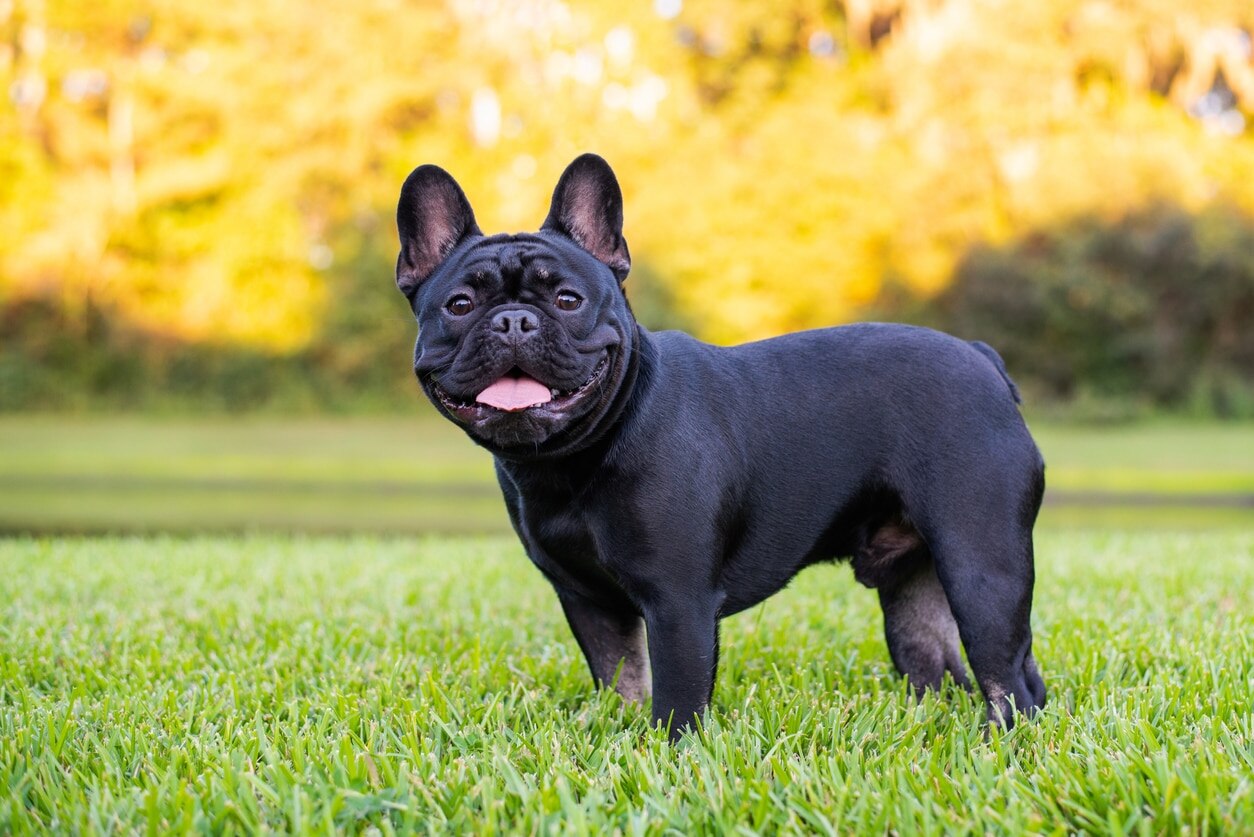
The French Bulldog is a sturdy indoor family dog known for comic charm. It weighs under 28 pounds and needs short walks. Frenchies enjoy people, play, and naps. They suit families that can manage heat risk and breathing care.
The Frenchie has bat ears and a square little body. Its face often looks serious before silly moments start.
Most people expect a low-effort dog. But Frenchies need careful heat control. The surprise is how fast warm weather can matter.
“Our Frenchie plays for ten minutes. Then he flops like he worked all day.”
— Example owner note, Frenchie home for 3 years
- Sturdy for family life
- Short coat care
- Usually low exercise need
- Heat stress risk
- Can snore loudly
- Vet costs can rise
Best for: City families · Low-walk homes · Older children
Pug — Indoor Family Dog With Big Feelings
| Weight | 14-18 pounds |
| Height | 10-13 inches |
| Lifespan | 13-15 years |
| Energy Level | Low to medium |
| Grooming Need | Low to medium |
| Shedding | Moderate to high |
The Pug is a compact indoor family dog known for humor and closeness. It weighs 14 to 18 pounds and enjoys short play. Pugs love people and routine. They suit families that can manage shedding, weight, and heat.
The Pug has a wrinkled face and curled tail. Its big eyes show every mood clearly.
You may expect a couch dog. But Pugs still need careful weight control. The wow part is how food-driven they can be.
“Our Pug hears a snack bag from two rooms away. Nothing fools him.”
— Example owner note, Pug home for 8 years
- Funny family companion
- Small home friendly
- Usually people-focused
- Sheds more than expected
- Heat risk is real
- Weight gain happens fast
Best for: Funny homes · Apartment life · Families home often
Boston Terrier — Indoor Family Dog With Tuxedo Energy
| Weight | 12-25 pounds |
| Height | 15-17 inches |
| Lifespan | 11-13 years |
| Energy Level | Medium |
| Grooming Need | Low |
| Shedding | Low to moderate |
The Boston Terrier is a lively indoor family dog known for neat size. It weighs 12 to 25 pounds and has a short coat. Boston Terriers enjoy play, training, and people. They suit homes that want fun without a large dog.
The Boston Terrier wears a natural tuxedo coat. Its round eyes and upright ears look alert.
Most people expect a small couch buddy. But Bostons can burst with speed. The surprise is how quickly they settle after play.
“Our Boston races down the hallway once. Then he naps like a champion.”
— Example owner note, Boston home for 4 years
- Easy short coat
- Fun with kids
- Good city size
- Can overheat outdoors
- May jump when excited
- Needs daily play
Best for: Playful families · City homes · School-age kids
Maltese — Indoor Family Dog With Tiny Grace
| Weight | Under 7 pounds |
| Height | 7-9 inches |
| Lifespan | 12-15 years |
| Energy Level | Low to medium |
| Grooming Need | High |
| Shedding | Low |
The Maltese is a tiny indoor family dog known for devotion. It weighs under 7 pounds and needs gentle handling. Maltese dogs enjoy laps, short walks, and quiet play. They suit families with older children who move carefully.
The Maltese has a white coat that can sweep the floor. A short trim keeps daily care simple.
You may expect a fragile doll dog. But Maltese dogs often act bold. The surprise is how much voice they carry.
“Our Maltese announces every delivery. Then she hides behind my son.”
— Example owner note, Maltese home for 5 years
- Low shedding coat
- Excellent lap companion
- Needs little space
- Too small for rough play
- Can bark at sounds
- Coat needs steady care
Best for: Older kids · Quiet homes · Small apartments
Cocker Spaniel — Indoor Family Dog With Soft Playfulness
| Weight | 20-30 pounds |
| Height | 13.5-15.5 inches |
| Lifespan | 10-14 years |
| Energy Level | Medium |
| Grooming Need | High |
| Shedding | Moderate |
The Cocker Spaniel is a medium-small indoor family dog known for soft play. It weighs 20 to 30 pounds and needs daily walks. Cockers enjoy children, games, and close family time. They suit homes that can brush ears and coat.
The Cocker has long ears and a soft rounded face. Its feathered coat gives a gentle look.
Most people expect sweetness. But Cockers need clear rules and handling. The surprise is how well they bond with steady kids.
“Our Cocker waits for backyard fetch. Then she sleeps beside homework.”
— Example owner note, Cocker home for 6 years
- Sweet family nature
- Good medium-small size
- Enjoys kid play
- Ears need frequent care
- Coat mats without brushing
- Needs daily walks
Best for: Warm family homes · Yard homes · School-age kids
Greyhound — Indoor Family Dog With Couch-Potato Calm
 Save
Save| Weight | 60-70 pounds |
| Height | 27-30 inches |
| Lifespan | 10-13 years |
| Energy Level | Low indoors, high sprint |
| Grooming Need | Low |
| Shedding | Low to moderate |
The Greyhound is a large indoor family dog known for calm rest. It weighs 60 to 70 pounds and needs safe walks. Greyhounds often sleep indoors for long hours. They suit quiet families that want a gentle large dog.
The Greyhound is tall, narrow, and smooth-coated. Its deep chest and long legs look built for speed.
You may expect nonstop running. But Greyhounds often love couches most. The surprise is how still they can be indoors.
“Our Greyhound takes two walks. The rest of the day belongs to the sofa.”
— Example owner note, Greyhound home for 4 years
- Very calm indoors
- Easy short coat
- Gentle adult nature
- Needs leash outdoors
- Large body needs space
- May chase small pets
Best for: Quiet homes · Large-dog fans · Older children
How Do These Indoor Family Dog Breeds Compare?
The fastest way to compare indoor family dogs is by size, energy, grooming, and kid fit. A Cavalier gives soft manners. A Bichon or Havanese gives low shedding with more grooming. A French Bulldog, Pug, or Boston Terrier gives fun with heat limits. A Shih Tzu or Maltese gives lap-dog calm with coat work. A Cocker Spaniel gives more play and more brushing. A Greyhound gives large-dog calm after walks. You might be thinking one table can pick the dog for you. Here’s why it cannot. A table helps you shortlist. Real home fit still depends on your kids, schedule, budget, and noise rules.
| Breed | Size | Energy | Grooming | Best Family Fit |
|---|---|---|---|---|
| Cavalier | Small | Low-medium | Medium | Gentle kids |
| Bichon Frise | Small | Medium | High | Apartment homes |
| Havanese | Small | Medium | Medium-high | People home often |
| Shih Tzu | Small | Low-medium | High | Calm homes |
| French Bulldog | Small-sturdy | Low-medium | Low | City families |
| Pug | Small-sturdy | Low-medium | Low-medium | Fun indoor homes |
| Boston Terrier | Small-medium | Medium | Low | Playful kids |
| Maltese | Tiny | Low-medium | High | Older kids |
| Cocker Spaniel | Medium-small | Medium | High | Active families |
| Greyhound | Large | Low indoors | Low | Quiet homes |
Use this table as a first filter. Then meet the breed in real life.
Which Indoor Dog Breed Is Right for Your Family?
The right indoor dog depends on your child’s age, your daily time, and your home rules. If you have toddlers, choose a sturdy, patient dog first. If you have older kids, you can consider smaller breeds. If you live in an apartment, focus on noise and exercise needs. If someone works from home, social breeds like Havanese can fit well. If your home is quiet, a Greyhound may be a strong choice. You might be thinking the best breed is the most popular one. Here’s why that fails. Popular breeds can still mismatch your budget, weather, stairs, or schedule. When families choose by photos alone, daily care becomes stressful. That taught me to match home life first.
If you have toddlers, start with sturdy calm breeds. If you have older kids, smaller lap breeds become safer. If your family is quiet, choose calm over cute.
- If you live in an apartment, choose Bichon, Havanese, Shih Tzu, or Cavalier.
- If you have busy kids, choose Boston Terrier or Cocker Spaniel.
- If you want low grooming, choose French Bulldog, Boston Terrier, or Greyhound.
- If you want a quiet large dog, consider a Greyhound first.
Families with cats should also check these best dog breeds for families with cats.
What Do Most People Get Wrong About Indoor Dog Breeds?
Most people think indoor dogs do not need much exercise, but that is false. Indoor-friendly means the dog can relax inside after its needs are met. It does not mean the dog should stay inside all day. Every breed here still needs walks, toilet breaks, play, and training. Some need more coat care than outdoor time. Others need strict heat care. You might be thinking a small dog solves space problems. Here’s the truth. A noisy small dog can feel bigger than a calm large dog. Research and breed experts widely agree that temperament and care needs matter more than size alone. When owners ignore that, barking, stress, and boredom grow fast.
Never choose an indoor dog only because it looks cute online.
If your kids are very young, this guide to dog breeds for families with toddlers can help.
How Should Families Care for Indoor Dogs?
Families should care for indoor dogs with daily walks, clear rules, coat care, and safe child training. A dog that lives inside sees family life up close. Noise, dropped food, toys, guests, and closed doors can all shape behavior. So routine matters. Feed on a schedule. Walk before busy family times. Teach kids to leave resting dogs alone. Brush coats before mats form. Use gates when needed. Most experts agree that simple daily habits prevent many problems. You might be thinking love is enough. Love helps, but dogs also need structure. When homes add clear rules early, indoor dogs settle faster and feel safer.
Create one quiet dog zone before your dog comes home.
- Walk your dog at least twice daily.
- Keep a soft bed in a quiet spot.
- Teach kids not to hug sleeping dogs.
- Brush long coats before tangles form.
- Use short training games indoors.
Parents with infants may also need these best dog breeds for families with babies.
What Mistakes Should New Indoor Dog Owners Avoid?
New indoor dog owners should avoid skipping walks, ignoring barking, overfeeding, and letting children crowd the dog. Indoor dogs can get bored fast when life becomes too small. A bored dog may bark, chew, pace, or demand attention. A tired dog with clear rules acts calmer. You might be thinking punishment stops bad habits. Here’s why that backfires. Clear training, fair limits, and daily needs work better. When I see indoor dog problems, I often find the same cause. The family picked a breed they liked, but not a routine they could keep. That taught me to plan the day, not just the dog.
- Do not skip walks because the dog is small.
- Do not let kids climb on the dog.
- Do not ignore coat care costs.
- Do not feed table scraps daily.
- Do not leave social breeds alone too long.
For child-focused breed choices, see these best family dog breeds for kids.
Conclusion
The best indoor family dog is the one your home can care for daily.
Start with energy, child age, grooming, and health needs.
Then meet the breed before you commit.
Right now, write down your home size, child age, and grooming budget. I’m Thomas Cutter, and that 2-minute step can save years of stress.
Frequently Asked Questions
What is the best indoor dog breed for families?
The best indoor dog breed for many families is the Cavalier King Charles Spaniel. It is gentle, small, and easy to live with indoors. Still, the best choice depends on your kids, schedule, grooming time, and daily walk plan.
Are indoor dogs good for apartments?
Yes, many indoor dogs are good for apartments. Bichon Frise, Havanese, Shih Tzu, Cavalier, and French Bulldog can fit small homes well. The main issue is not size alone. Noise, training, and exercise matter more.
Which indoor dog breed sheds the least?
Bichon Frise, Havanese, and Maltese usually shed less than many breeds. Low shedding does not mean low care. These coats often need brushing, trims, and regular grooming. Families should plan time and cost before choosing one.
What indoor dog is best for young children?
For young children, choose a sturdy and patient indoor dog. Cavalier King Charles Spaniel, Bichon Frise, Boston Terrier, and Cocker Spaniel can work well. Tiny breeds may need older kids because rough handling can injure them.
Do indoor dog breeds still need daily walks?
Yes, every indoor dog breed still needs daily walks. Walks give exercise, toilet time, scent work, and calm behavior. Even low-energy breeds need outdoor breaks. Without them, barking, weight gain, and boredom can become daily problems.

Thomas Cutter is a lifelong dog owner and the founder of FindOutAboutDogs.com. With over 10 years of hands-on experience owning multiple breeds, Thomas created this site to provide honest, research-based dog advice that real owners can actually trust.
