The 10 Best Dog Breeds for Kids With Allergies (2026 Guide)
Quick Answer
The best dog breeds for kids with allergies are low-shedding, low-dander breeds with calm, sturdy temperaments. Top picks include the Poodle, Bichon Frise, Portuguese Water Dog, Havanese, and Miniature Schnauzer. No dog is 100% allergy-proof, so the right choice depends on your child’s sensitivity level, your home, and a real test visit before you commit.
- Choose if your child has mild allergies: Poodle, Havanese, or Bichon Frise
- Choose if your family is active outdoors: Portuguese Water Dog or Soft Coated Wheaten Terrier
- Choose if you live in a small space: Havanese, Coton de Tulear, or Shih Tzu
Your child wants a dog. Your child also sneezes around dogs. That mix can feel impossible to solve.
I’m Thomas Cutter, and I spend most of my time researching dog breeds and matching them to real family situations. This guide covers the 10 breeds that consistently show up as good fits for allergy-prone kids, based on coat type, dander output, and temperament. If you’re also weighing breeds for toddlers or babies, our guide to family dog breeds for kids covers that ground too.
- No dog breed is truly 100% hypoallergenic — but low-dander breeds help a lot.
- Coat type and grooming habits matter more than size or fur length alone.
- A test visit with the actual breed beats reading any list, including this one.
- Doodles are popular but their coats vary, so they’re not a guaranteed fix.
- Home changes (HEPA filters, no dog in the bedroom) cut allergens further.


What Makes a Dog “Hypoallergenic”?
A dog is called hypoallergenic when its coat sheds less and traps more dander instead of releasing it into the air. But here’s the thing: the term is misleading. Most experts agree there’s no such thing as a dog that produces zero allergens, since the real trigger isn’t fur at all.
So what does that mean for your family? The proteins that cause reactions live in a dog’s saliva, urine, and dead skin cells, known as dander. Fur just carries that dander around the house. A curly, non-shedding coat — like a Poodle’s — holds onto dander instead of scattering it on your floors and furniture. That’s the entire advantage. It’s a real one, but it’s not a cure.
Research from Henry Ford Health System tested over 60 breeds and found no measurable difference in allergen levels between so-called hypoallergenic dogs and typical shedding breeds. The American College of Allergy, Asthma and Immunology backs this up, noting that allergic reactions depend on the individual dog and the individual person, not just the breed label on paper.
You might be thinking: so why does anyone bother with these breeds at all? Here’s why that matters — low-shedding coats still reduce the amount of dander floating loose in your home, even if they don’t eliminate it. Less airborne dander usually means fewer flare-ups for a mildly allergic child, even though it won’t help everyone.
Before you commit to a breed, arrange a 2 to 3 hour visit with an adult dog of that breed. A puppy’s coat and dander levels can still change as it matures.
What Most Parents Get Wrong About Hypoallergenic Dogs
Many parents assume “hypoallergenic” is a guarantee, almost like a label on food packaging. It isn’t. It’s closer to a probability — a breed that’s more likely to cause fewer symptoms for more people, not a breed that’s symptom-free for everyone. Some kids react more to saliva than dander, which flips the usual breed advice on its head. A drooly, low-shedding breed can still trigger a saliva-sensitive child. That’s a detail most breed lists skip entirely.
The 10 Best Dog Breeds for Kids With Allergies
Every breed below made this list for two reasons: a coat type linked to lower dander spread, and a temperament that holds up around children. Run through each entry’s stats and pros and cons before you fall in love with a face.
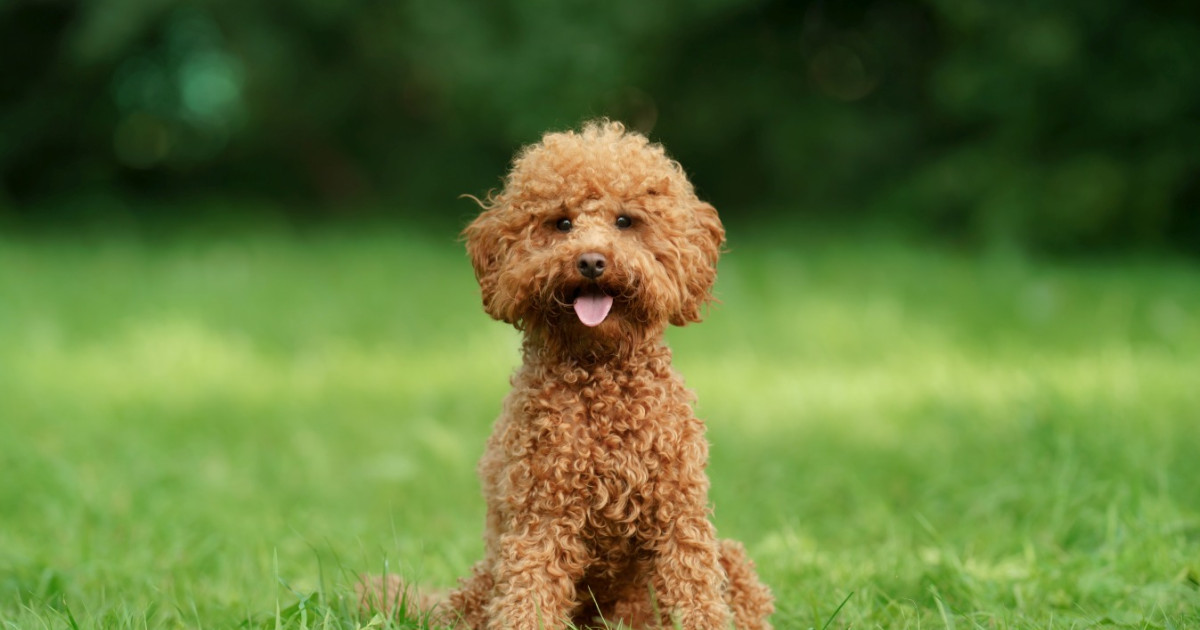
Poodle — “The Original Low-Dander Family Dog”
 Save
Save| Weight | 45 to 70 lbs (Standard) |
| Height | 22 to 27 inches |
| Lifespan | 12 to 15 years |
| Energy Level | High |
| Grooming Need | High — every 4 to 6 weeks |
| Shedding | Minimal |
The Poodle is a highly trainable low-shedding breed known for its curly, dander-trapping coat. Standard Poodles stand over 22 inches tall, while Miniatures and Toys run smaller. They’re patient, eager to please, and gentle with children. Active families who can keep up with daily exercise and frequent grooming get the most out of this breed.
A Poodle’s tight curls grow continuously, almost like hair instead of fur. Underneath the curls, their build is athletic and lean.
People expect a fancy show dog. What they don’t expect is a Poodle that retrieves tennis balls for an hour straight. The genuine surprise: Poodles were originally bred as water retrievers, not lapdogs.
- Very low dander spread for the coat type
- Highly trainable, even for first-time owners
- Comes in three sizes to fit different homes
- Professional grooming costs add up fast
- Standard size needs real daily exercise
- Mats form quickly without regular brushing
Best for: active families · kids who like training tricks · homes that can budget for grooming
Bichon Frise — “The Apartment-Sized Cloud Dog”
| Weight | 12 to 18 lbs |
| Height | 9.5 to 11.5 inches |
| Lifespan | 14 to 15 years |
| Energy Level | Moderate |
| Grooming Need | High |
| Shedding | Minimal |
The Bichon Frise is a small, cheerful companion breed with a dense, curly coat that sheds very little. Adults weigh under 18 pounds, making them sturdy enough for gentle play but easy to manage in small homes. Their happy-go-lucky nature suits families with young kids who want a playful, low-shedding lapdog.
Their white coat looks soft and powdery, almost like a cotton ball with legs. It needs brushing several times a week to stay mat-free.
Everyone expects a cuddly lapdog. What surprises new owners is how clownish Bichons get. The wow moment: they’re famous for spinning in circles when excited, a move breed fans call the “Bichon buzz.”
- Compact size fits apartments and small yards
- Naturally playful and patient with children
- Sheds very little hair around the house
- Coat mats fast without daily brushing
- Can develop separation anxiety if left alone
- White coat shows dirt and tear stains easily
Best for: apartment living · younger kids · first-time small-dog owners
Portuguese Water Dog — “The Athlete With a Hypoallergenic Coat”
| Weight | 35 to 60 lbs |
| Height | 17 to 23 inches |
| Lifespan | 11 to 13 years |
| Energy Level | High |
| Grooming Need | High |
| Shedding | Minimal |
The Portuguese Water Dog is a muscular working breed with a curly or wavy coat that produces little airborne dander. Adults reach up to 60 pounds and need real daily exercise. They’re affectionate, playful, and bond closely with kids who can keep them active. Outdoorsy families with a yard or nearby trails suit this breed best.
Their coat comes in tight curls or looser waves, often solid black, brown, or white. Webbed feet hint at their swimming background.
Most people picture a fluffy lapdog. What they get is a dog that wants to swim for an hour, then nap for ten. The wow detail: this breed nearly went extinct in the 1930s before a small group of breeders revived it.
- Sturdy build that handles rough play
- Low-shedding coat with minimal dander spread
- Highly affectionate and loyal to kids
- Needs over an hour of exercise daily
- Too much energy for small apartments
- Grooming bills run high for the coat
Best for: active outdoor families · kids who love swimming · homes with yard space
Soft Coated Wheaten Terrier — “The Steady Family Companion”
| Weight | 30 to 40 lbs |
| Height | 17 to 19 inches |
| Lifespan | 12 to 14 years |
| Energy Level | High |
| Grooming Need | Moderate to high |
| Shedding | Minimal |
The Soft Coated Wheaten Terrier is a medium-sized, low-shedding breed with a silky, wheat-colored coat. Built sturdier than most terriers, they weigh up to 40 pounds and handle boisterous kids well. Their friendly, food-motivated personality makes training easier than many terrier breeds. Families wanting a durable, low-dander dog for active kids fit this breed well.
Their soft, wavy coat looks almost human-hair-like and comes only in shades of wheat gold.
Terriers have a reputation for being scrappy. What surprises people is how goofy and social Wheatens stay into adulthood. The wow fact: many owners describe the breed’s signature greeting as a near-vertical jump, nicknamed the “Wheaten greetin’.”
- Sturdy enough for rough kid play
- Friendly with strangers and other pets
- Single coat sheds very little hair
- High energy needs daily structured exercise
- Coat tangles without frequent brushing
- Can jump and bump small children
Best for: active school-age kids · multi-pet households · families wanting a durable terrier
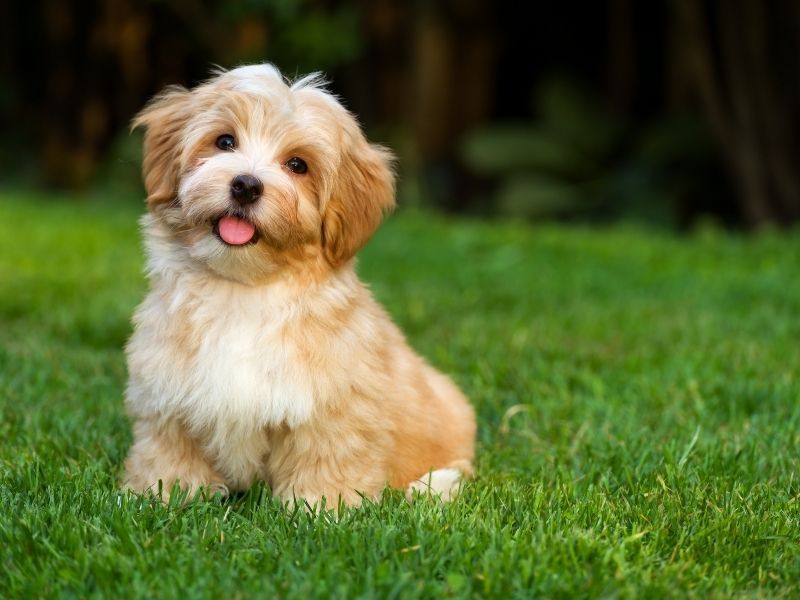
Havanese — “The Tiny Dog Built for Small Spaces”
 Save
Save| Weight | 7 to 13 lbs |
| Height | 8.5 to 11.5 inches |
| Lifespan | 14 to 16 years |
| Energy Level | Moderate |
| Grooming Need | High |
| Shedding | Minimal |
The Havanese is a small, silky-coated toy breed under 13 pounds with a cheerful, people-focused personality. Their long, soft hair sheds very little and traps dander rather than spreading it. Gentle and sociable, they adapt well to apartments and do best with calm, attentive kids. Smaller households wanting a low-allergen lapdog fit this breed well.
Their silky coat falls in soft waves and comes in nearly every color. Many owners keep it trimmed short for easier upkeep.
People expect a fragile toy breed. What surprises owners is how much these dogs enjoy learning tricks. The wow fact: Havanese are natural circus performers, often trained to walk on their hind legs for shows.
- Tiny size fits any size home
- Sociable with kids, adults, and other pets
- Trims short for easier allergen control
- Small size means rough handling risk
- Prone to separation anxiety if ignored
- Long coat needs frequent professional trims
Best for: small apartments · gentle, calmer kids · families wanting a sociable lapdog
Miniature Schnauzer — “The Alert Little Watchdog”
| Weight | 11 to 20 lbs |
| Height | 12 to 14 inches |
| Lifespan | 12 to 15 years |
| Energy Level | Moderate to high |
| Grooming Need | Moderate |
| Shedding | Minimal |
The Miniature Schnauzer is a small, wiry-coated breed under 20 pounds with a double coat that produces little dander. Alert and energetic, they’re playful with kids who match their pace. Their coat needs hand-stripping or clipping a few times a year. Families wanting a low-shedding watchdog with terrier spunk fit this breed best.
Their signature bushy eyebrows and beard give them an instantly recognizable, expressive face.
People expect a quiet lapdog look. What they get is a vocal, alert little guard dog. The wow fact: Miniature Schnauzers were originally bred to hunt rats on German farms, not to sit on laps.
- Compact size works in most homes
- Wiry coat sheds very little hair
- Playful and energetic with older kids
- Barks often at noises and visitors
- Beard traps food and needs cleaning
- Stubborn streak can slow training
Best for: homes wanting an alert watchdog · older kids · medium-energy families
Labradoodle — “The Popular Family Pick (With a Catch)”
| Weight | 25 to 65 lbs (varies) |
| Height | 14 to 24 inches |
| Lifespan | 12 to 14 years |
| Energy Level | High |
| Grooming Need | Moderate to high |
| Shedding | Low, but varies by coat type |
The Labradoodle is a Poodle-Labrador mix bred for a low-shedding coat and friendly temperament. Sizes range widely depending on the parent dogs used. Playful and affectionate, they’re a favorite first family dog. The catch: coat type isn’t guaranteed, so allergy-prone families should meet the specific puppy before adopting, not just the breed.
Coats range from loose waves to tight Poodle-like curls, even within the same litter.
People assume “Doodle” automatically means allergy-safe. It doesn’t always. The wow fact: some Labradoodle puppies grow a straighter, shedding-prone coat closer to their Labrador parent, dander and all.
- Friendly, gentle temperament with most kids
- Sizes available for almost any home
- Highly trainable for a first family dog
- Coat type and shedding aren’t guaranteed
- Reputable breeders can be hard to verify
- Needs daily exercise to stay calm
Best for: families wanting a friendly mixed breed · active kids · homes that can meet the puppy first
Shih Tzu — “The Calm Lap Companion”
| Weight | 9 to 16 lbs |
| Height | 8 to 11 inches |
| Lifespan | 10 to 16 years |
| Energy Level | Low to moderate |
| Grooming Need | High |
| Shedding | Minimal |
The Shih Tzu is a small companion breed with a long, low-shedding coat and a calm, affectionate nature. Weighing under 16 pounds, they’re sturdy enough for gentle households but not built for rowdy play. Their relaxed energy suits families who want a quiet, dander-light dog. Calmer kids and laid-back homes fit this breed best.
Their flowing double coat is often kept short in a “puppy cut” for easier upkeep around kids.
People expect a sleepy lapdog and not much else. What surprises owners is the stubborn, confident attitude underneath the fluff. The wow fact: Shih Tzus were once palace dogs in Imperial China, bred specifically for royal companionship.
- Low energy fits calmer households
- Affectionate and patient with gentle kids
- Compact size suits small living spaces
- Not built for rough or active play
- Flat face means heat sensitivity risk
- Long coat needs daily brushing
Best for: calm, gentle kids · small homes · families wanting a quiet companion
Coton de Tulear — “The Cheerful Cotton-Ball Dog”
| Weight | 8 to 13 lbs |
| Height | 9 to 11 inches |
| Lifespan | 14 to 16 years |
| Energy Level | Moderate |
| Grooming Need | Moderate to high |
| Shedding | Minimal |
The Coton de Tulear is a small, cotton-textured breed under 13 pounds that rarely sheds and rarely irritates allergies. Friendly and eager to please, they get along well with children and other dogs. Their playful, clownish streak makes them entertaining family pets. Households wanting a low-allergen dog with a big personality fit this breed well.
Their soft, white coat resembles cotton fluff, which is exactly where the breed’s name comes from.
People expect a quiet, dainty toy dog. What they discover is a genuine comedian on four legs. The wow fact: Cotons are known for walking on their hind legs and making distinct, almost talkative vocal sounds.
- Rarely sheds or aggravates allergies
- Playful and gentle with most children
- Gets along well with other household pets
- Less common, so harder to find breeders
- White coat needs frequent cleaning
- Can develop anxiety if left alone often
Best for: multi-pet homes · playful younger kids · families wanting a rare, low-shedding breed
Lagotto Romagnolo — “The Curly-Coated Truffle Hunter”
| Weight | 24 to 35 lbs |
| Height | 16 to 19 inches |
| Lifespan | 15 to 17 years |
| Energy Level | Moderate to high |
| Grooming Need | High |
| Shedding | Minimal |
The Lagotto Romagnolo is a medium-sized Italian breed with a dense, woolly, non-shedding coat. Weighing 24 to 35 pounds, they’re sturdy, affectionate, and eager to please. Originally bred to hunt truffles by scent, they’re intelligent and food-motivated, which makes training easier. Families wanting an active, low-dander dog with a unique background fit this breed well.
Their curly, waterproof coat looks almost like a teddy bear and never stops growing.
People expect a typical curly companion breed. What they get is a dog with an elite nose for scent work. The wow fact: Lagottos are the breed most commonly used in Italy’s professional truffle-hunting industry today.
- Non-shedding coat with low dander output
- Smart and eager, making training easier
- Sturdy, durable build for active kids
- Less common, so prices run higher
- Thick coat mats without weekly brushing
- Needs a job to avoid boredom habits
Best for: active families · kids who enjoy training games · homes wanting a unique breed
No single breed wins for every family. Smaller, calmer breeds like the Havanese and Shih Tzu suit gentle play and tight spaces. Sturdier, higher-energy breeds like the Portuguese Water Dog and Wheaten Terrier suit active kids with room to run. Every option still needs grooming and a test visit before you commit.
How Do These 10 Breeds Compare Side by Side?
Use this table to compare size, energy, and grooming needs at a glance. Smaller, lower-energy breeds suit calmer kids and tighter spaces, while larger, active breeds suit outdoorsy families with room to spare. Grooming need stays high across nearly every entry, since that’s part of what keeps dander under control.
| Breed | Weight | Energy | Grooming | Best For |
|---|---|---|---|---|
| Poodle | 45-70 lbs | High | High | Active families |
| Bichon Frise | 12-18 lbs | Moderate | High | Apartments |
| Portuguese Water Dog | 35-60 lbs | High | High | Outdoor families |
| Soft Coated Wheaten Terrier | 30-40 lbs | High | Mod-High | Active kids |
| Havanese | 7-13 lbs | Moderate | High | Small homes |
| Miniature Schnauzer | 11-20 lbs | Mod-High | Moderate | Watchdog homes |
| Labradoodle | 25-65 lbs | High | Mod-High | Flexible families |
| Shih Tzu | 9-16 lbs | Low-Mod | High | Calm households |
| Coton de Tulear | 8-13 lbs | Moderate | Mod-High | Multi-pet homes |
| Lagotto Romagnolo | 24-35 lbs | Mod-High | High | Training-focused kids |
Which Breed Is Right for Your Family?
The right breed depends on your child’s age, your home size, and your family’s activity level. A calm small breed suits a quiet apartment. A sturdy, energetic breed suits a yard and an active child. Severe allergies call for a trial visit and an allergist’s input no matter which breed looks best on paper.
- If you have a toddler at home → pick a sturdy, calm breed and read our guide to dog breeds for families with toddlers before deciding.
- If you have a baby on the way → wait until the baby is older, and see our guide to dog breeds for families with babies for timing advice.
- If your child is highly active and outdoorsy → the Portuguese Water Dog or Soft Coated Wheaten Terrier fit best.
- If you already have a cat in the house → check breed compatibility first in our guide to dog breeds for families with cats.
- If allergies are severe rather than mild → talk to an allergist before any breed decision, and treat every list, including this one, as a starting point only.
For a wider view beyond allergy-friendly picks, our best family dog breeds for kids guide rounds up options for households without allergy concerns.
How Do You Care for a Low-Allergen Dog at Home?
Caring for a low-allergen dog means controlling dander at the source and limiting where it spreads. Brush your dog several times a week, ideally outside. Bathe every few weeks, not daily, since over-washing dries skin and increases dander. Add a HEPA air purifier and keep the dog off your child’s bed and out of their bedroom.
So what does that mean in practice? Start with grooming. A weekly brushing session, done outdoors when possible, removes loose dander before it ever reaches your carpets or couch.
Even better, swap heavy carpets and drapes for hard flooring and washable curtains where you can. Dander clings to soft surfaces and is much harder to remove from fabric than from a hard floor.
Bathing your dog too often strips natural oils from its skin. Dry skin flakes more, which can actually raise dander levels instead of lowering them.
As a result, most groomers recommend a bath every 3 to 4 weeks for low-shedding breeds, paired with regular brushing in between. That balance keeps the coat clean without overdoing it.
What Mistakes Do Families Make When Choosing an Allergy-Friendly Dog?
The biggest mistake families make is trusting the word “hypoallergenic” without testing it on their own child first. Other common mistakes include skipping a trial visit, picking a breed based on looks alone, and letting grooming slide after the first few months. Each mistake increases the chance of allergy flare-ups later.
- Assuming any “low-shedding” label means allergy-proof
- Adopting a puppy without meeting an adult of the breed
- Choosing a high-energy breed for a low-energy home
- Skipping professional grooming appointments after adoption
- Not consulting an allergist before bringing a dog home
In other words, the breed list matters less than the testing process. That said, starting with one of the 10 breeds above gives you better odds than picking at random.
Frequently Asked Questions
What is the best dog breed for a child with allergies?
The Poodle is the most commonly recommended breed for kids with allergies, thanks to its low-shedding, dander-trapping coat. The Bichon Frise and Havanese are close runners-up for smaller homes. The right choice still depends on your child’s specific sensitivity, so a trial visit matters more than any single ranking.
Can a dog be 100% hypoallergenic?
No, no dog breed is 100% hypoallergenic. Research, including studies from Henry Ford Health System, found no measurable allergen difference between so-called hypoallergenic breeds and typical shedding dogs. Low-shedding breeds simply spread less dander around your home, which can reduce, not eliminate, allergy symptoms.
Are Labradoodles or Poodles better for kids with allergies?
Poodles offer more predictable coat type and dander levels, since they’re a purebred with consistent genetics. Labradoodles can have coats ranging from curly to nearly straight, depending on the litter. If allergies are a real concern, meet the specific puppy before committing to a Labradoodle.
How do I know if my child is allergic to a specific dog before adopting?
Arrange a 2 to 3 hour visit with an adult dog of the breed you’re considering, in a space the dog regularly spends time in. Watch for sneezing, hives, or itchy eyes during and after the visit. An allergist can also run a skin-prick test to confirm a true dog allergy beforehand.
What home changes reduce dog allergens for kids?
Keep the dog out of your child’s bedroom, use a HEPA air purifier, and swap heavy carpets for hard flooring where possible. Brush your dog outdoors several times a week and wash hands after petting. Together, these changes lower airborne dander more than breed choice alone.
Final Thoughts: Picking the Right Breed for Your Family
No breed on this list is a guaranteed fix for allergies. But a Poodle, Bichon Frise, or Havanese gives your family genuinely better odds than a typical shedding breed. The real test happens in person, not on a screen.

Thomas Cutter is a lifelong dog owner and the founder of FindOutAboutDogs.com. With over 10 years of hands-on experience owning multiple breeds, Thomas created this site to provide honest, research-based dog advice that real owners can actually trust.
