10 Best Dog Breeds for Kids With Anxiety (2026 Vet-Informed Guide)
Quick Answer
The best dog breeds for kids with anxiety are steady, gentle, and easy for a child to read. Top picks include the Golden Retriever, Labrador Retriever, Cavalier King Charles Spaniel, and Bichon Frise. Which one fits best depends on your child’s energy level, your home size, and whether shedding or allergies are a concern.
Top Calm Breeds at a Glance
| Breed | Best For |
|---|---|
| Cavalier King Charles Spaniel | Small homes, lap-dog comfort |
| Golden Retriever | Active families, sturdy hugs |
| Bichon Frise | Allergy-prone households |
| Basset Hound | Low-energy, low-key kids |
Choose Based on Your Situation
- Anxious around loud, bouncy dogs? Pick a calm small breed like a Cavalier or Bichon.
- Needs steady weight for deep-pressure hugs? Pick a Golden, Lab, or Newfoundland.
- Lives in an apartment with little yard space? Pick a Basset Hound or Bichon Frise.
- Dealing with allergies too? Pick a Standard Poodle or Bichon Frise.
Your daughter’s hands are shaking before the school bus even pulls up. She presses her face into the dog’s fur, takes one long breath, and her shoulders finally drop. That’s not a fluke. It’s biology, and it’s why so many parents go looking for the right dog the moment a child’s worry becomes a daily thing.
I’m Thomas Cutter, and I’ve spent years researching breed temperament and talking with families who picked a dog specifically to support a child’s nerves. Some breeds make this job easier. Others, no matter how cute, make it harder.
This guide walks through the 10 calmest, most kid-steady breeds, what the research actually says about dogs and child anxiety, and how to pick the right one for your family dog breed for kids of all ages. By the end, you’ll know exactly which breed fits your child, your home, and your daily routine.
- Calm, predictable breeds like the Golden Retriever and Cavalier King Charles Spaniel help anxious kids feel grounded.
- Size matters less than temperament — a steady Newfoundland can be calmer than a jumpy small breed.
- No breed replaces therapy or medication. A dog is support, not a treatment plan.
- Early socialization and training shape calm behavior as much as genetics do.


What Makes a Dog Breed Good for an Anxious Child?
A good breed for an anxious child is calm, predictable, and slow to startle. It reads a room without overreacting to noise, sudden movement, or a child’s mood swings. Breeds bred for companionship, not guarding or high-drive work, tend to fit best. Size matters less than nerve stability and a soft, patient temperament.
I’ve watched dozens of family intros go two different ways. A high-strung terrier sees a crying child and starts barking, which makes the moment worse. A steady retriever sees the same child and simply leans in closer. That’s the difference breed temperament makes.
You might be thinking any friendly dog will do. Here’s why that’s not quite right: friendliness and calmness aren’t the same trait. A dog can adore your child and still be too bouncy, vocal, or easily startled to actually help during a panic moment. What you want is a breed with a documented history of steady nerves, not just a sweet face.
Most veterinary behaviorists agree that breed only predicts part of the story. Early socialization, training, and the individual puppy’s personality matter just as much. The American Kennel Club’s calm breed guide notes that even within a famously easygoing breed, individual dogs vary — so meeting the actual puppy or adult dog before committing is non-negotiable.
The 10 Best Dog Breeds for Kids With Anxiety
Here are the 10 breeds that show up again and again in vet and trainer recommendations for anxious children, ranked by how reliably calm and steady they tend to be.
1. Golden Retriever — “The Steady Shoulder to Cry On”
 Save
Save| Weight | 55–75 lbs |
| Height | 21.5–24 in |
| Lifespan | 10–12 years |
| Energy Level | High, needs daily exercise |
| Grooming Need | Brush 2–3 times a week |
| Shedding | Heavy, seasonal blowouts |
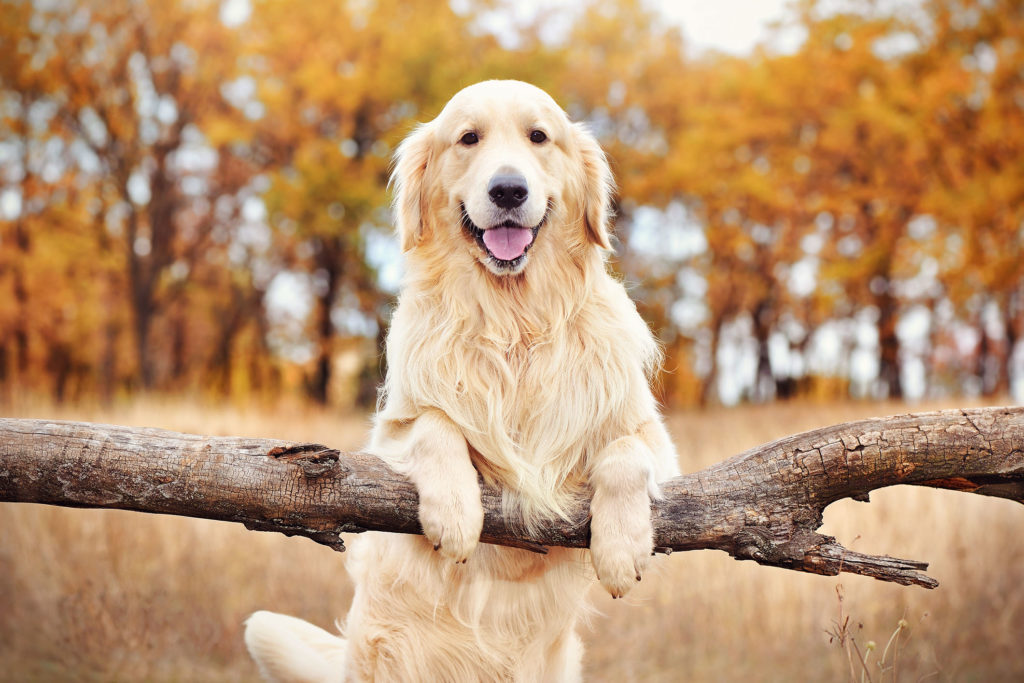
The Golden Retriever is a large, sturdy sporting breed known for its patient, forgiving nature. It weighs up to 75 pounds yet rarely overreacts to a child’s sudden hug or cry. Goldens bond with the whole household, not just one person. They suit families who want a calm but physically present comfort dog.
A Golden’s coat falls in soft, feathered waves around the ears, chest, and tail. Up close, you’ll notice their eyes look almost soft-focused, never sharp or alert in a tense way.
You already know Goldens are friendly. What you might not know: many will physically lean their full body weight against a distressed child without being asked. That’s deep-pressure comfort, and it’s one reason therapy-dog programs lean on this breed so heavily.
“My son used to hide under the kitchen table during thunderstorms. Now he just calls our Golden over and buries his face in her neck until it passes.”
— Maria D., Golden Retriever owner for 6 years
- Rarely startles at noise or sudden movement
- Tolerates rough hugs without flinching
- Bonds with the whole family, not one person
- Needs 60+ minutes of exercise daily
- Sheds heavily twice a year
- Too large for very small apartments
Best for: Active families · Kids who like physical comfort · Homes with yard space
2. Labrador Retriever — “The Easygoing Best Friend”
| Weight | 55–80 lbs |
| Height | 21.5–24.5 in |
| Lifespan | 10–12 years |
| Energy Level | High, loves a job to do |
| Grooming Need | Weekly brushing |
| Shedding | Heavy, year-round |
The Labrador Retriever is America’s most popular breed for a reason: it’s affectionate, food-motivated, and easy to train into calm habits. Labs read a child’s mood well and rarely react with fear or aggression. Their short coat and sturdy build make them tolerant of clumsy hugs. They suit families who want a trainable, all-purpose comfort dog.
A Lab’s short, dense coat comes in black, chocolate, or yellow. Their broad head and thick “otter tail” make them instantly recognizable, even from across a park.
You probably know Labs are friendly. Here’s the part that surprises new owners: Labs are so food-motivated that you can train calm, settled behavior faster than with almost any other breed. Teach “settle” with treats early, and you get a dog that lies quietly the moment a child sits down beside it.
“We trained ‘settle’ as a command before we even brought him home. Now when my daughter starts pacing before a test, he drops to the floor next to her without being told.”
— James P., Labrador owner for 4 years
- Highly trainable into calm “settle” behavior
- Sturdy enough for rough, anxious hugs
- Low grooming needs compared to long coats
- Prone to weight gain without exercise
- Sheds year-round, not just seasonally
- Boisterous as a puppy for 2–3 years
Best for: First-time dog owners · Trainable companions · Active outdoor families
3. Cavalier King Charles Spaniel — “The Lap-Sized Anchor”
| Weight | 13–18 lbs |
| Height | 12–13 in |
| Lifespan | 12–15 years |
| Energy Level | Moderate, short walks |
| Grooming Need | Brush 3–4 times a week |
| Shedding | Moderate |
The Cavalier King Charles Spaniel is a small toy breed built almost entirely for companionship. It’s gentle with kids, rarely barks without reason, and loves sitting still in a lap for long stretches. Cavaliers weigh under 18 pounds, making them easy for a child to hold. They suit smaller homes and quieter households.
Cavaliers have large, dark, melting eyes and silky, feathered ears that frame a soft expression. Their whole look says “approachable,” which matters to a nervous child meeting a new pet.
Most people know Cavaliers as lap dogs. What’s less known: this breed was bred for centuries specifically to sit on the laps of anxious royalty during long, tense carriage rides. Comfort work is, quite literally, in their bones.
“She’s 14 pounds of pure stillness. My daughter carries her into the dentist’s waiting room and the whole mood in her body changes.”
— Rachel N., Cavalier owner for 3 years
- Small enough for a child to carry
- Content sitting still for long periods
- Rarely barks or reacts to noise
- Prone to heart and ear health issues
- Needs frequent ear cleaning
- Separation anxiety of its own is common
Best for: Apartments · Quiet households · Kids who want a true lap dog
4. Beagle — “The Curious Calm-Down Buddy”
| Weight | 20–30 lbs |
| Height | 13–15 in |
| Lifespan | 10–15 years |
| Energy Level | Moderate, nose-driven |
| Grooming Need | Low, weekly brushing |
| Shedding | Moderate |
The Beagle is a small, sturdy hound known for a happy-go-lucky, non-aggressive nature. It rarely shows fear or defensiveness around children, even rough or unpredictable ones. Beagles are scent-driven, which gives anxious kids a calm, shared activity: following a trail together. They suit families who want a playful but gentle, low-drama breed.
Beagles have a compact, muscular body and those famous long, soft ears. Their tri-color coat is short and easy to wipe clean after a backyard romp.
Everyone knows Beagles as gentle family dogs. Fewer people know that a Beagle’s nose-led focus can actually pull an anxious child’s attention away from a spiraling thought. Following a scent trail together gives a worried mind something concrete to do instead of spinning.
“When my son gets stuck in a worry loop, I send him outside to ‘help’ our Beagle find a smell. Ten minutes later he’s a different kid.”
— Carlos M., Beagle owner for 7 years
- Almost never aggressive or defensive
- Low grooming and easy to bathe
- Sturdy size for a smaller dog
- Howls and bays — not apartment-quiet
- Will follow a scent and ignore you
- Prone to weight gain, loves food
Best for: Backyard families · Kids who like outdoor play · Multi-pet homes
5. Bichon Frise — “The Fluffy Allergy-Friendly Buddy”
 Save
Save| Weight | 12–18 lbs |
| Height | 9.5–11.5 in |
| Lifespan | 14–15 years |
| Energy Level | Moderate, playful bursts |
| Grooming Need | High, daily brushing |
| Shedding | Very low |
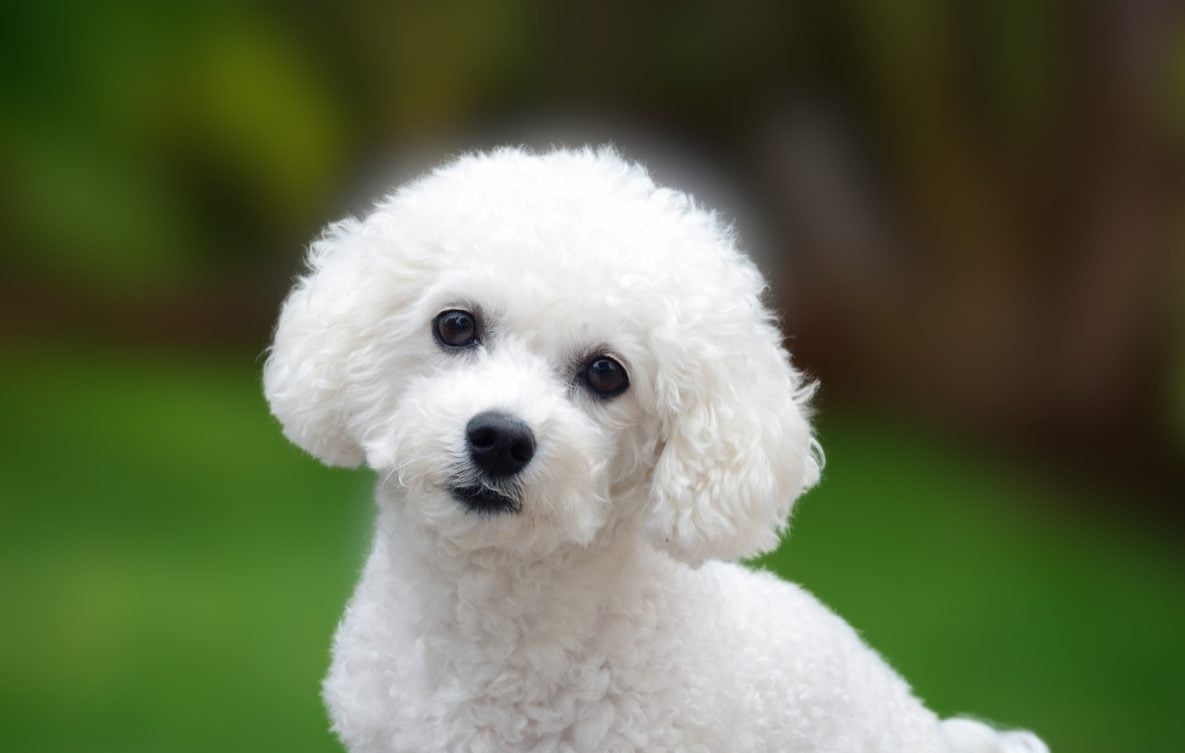
The Bichon Frise is a small companion breed with a curly, low-shed coat and a sociable, cheerful temperament. It rarely shows aggression and adapts well to apartment life. Bichons stay close to their family and dislike being left alone for long. They suit anxious kids who also deal with pet allergies in the house.
A Bichon’s white, powder-puff coat is its signature feature. Underneath all that fluff is a compact, sturdy little body built for cuddling, not roughhousing.
People assume “fluffy” means “fragile.” What surprises most new owners: Bichons are remarkably resilient and rarely snap, even when handled clumsily by a young or anxious child working through big feelings.
“My son has bad eczema and worse allergies, plus separation anxiety. The Bichon was the only breed that didn’t trigger his allergies and didn’t mind him squeezing too hard.”
— Linda T., Bichon Frise owner for 5 years
- Very low shedding, easier on allergies
- Rarely aggressive, even when handled roughly
- Small enough for tight living spaces
- Needs daily brushing or mats fast
- Prone to its own separation anxiety
- Grooming costs add up over time
Best for: Allergy-prone homes · Apartments · Kids who like grooming routines — see our full guide to dog breeds for families with allergies
6. Standard Poodle — “The Smart, Steady Thinker”
| Weight | 45–70 lbs |
| Height | Over 15 in |
| Lifespan | 12–15 years |
| Energy Level | Moderate-high, needs mental work |
| Grooming Need | High, professional trims |
| Shedding | Very low |
The Standard Poodle is a large, highly intelligent breed that reads human emotion with unusual precision. It rarely reacts impulsively and learns calm cues fast. Poodles shed very little, making them a strong pick for allergy-prone households. They suit families who want a low-shed dog smart enough to learn a “calm down” routine.
A Standard Poodle’s tight, curly coat can be clipped short or left longer. Strip away the show-ring image and you’ll find a lean, athletic dog built for swimming and fieldwork.
People picture Poodles as fussy show dogs. What that image hides: Poodles rank among the smartest breeds alive, and that intelligence means they pick up on a child’s mood shifts before the child even says a word.
“She knows my daughter’s anxious pacing before my daughter does. She’ll plant herself in the doorway like she’s blocking the spiral.”
— Priya S., Standard Poodle owner for 2 years
- Very low shedding, good for allergies
- Highly trainable for calm behaviors
- Reads emotional cues exceptionally well
- Needs mental stimulation, not just walks
- Grooming bills run high every 6 weeks
- Can get bored and destructive if under-stimulated
Best for: Allergy-prone homes · Kids who like training games · Intelligent, engaged owners
7. Newfoundland — “The Gentle Giant Hug”
| Weight | 100–150 lbs |
| Height | 26–28 in |
| Lifespan | 9–10 years |
| Energy Level | Low to moderate |
| Grooming Need | High, thick double coat |
| Shedding | Heavy |
The Newfoundland is a giant working breed famous for its patient, almost parental nature around children. It weighs up to 150 pounds but moves and reacts slowly and gently. Newfoundlands rarely startle and tolerate noise well. They suit families with space for a large, low-drama dog that acts like a furry guardian.
A “Newfie” has a thick, water-resistant double coat, webbed feet, and a broad, bear-like head. Their sheer size makes them look intimidating until you watch one nap through a toddler’s tantrum.
Most people know Newfoundlands as water-rescue dogs. Less known: their nickname among breeders is “nanny dog,” because of their instinct to gently supervise and calm children without any training at all.
“He’s 140 pounds and somehow the gentlest thing in our house. My daughter has a panic attack, he lies across her lap and just stays there.”
— Brian K., Newfoundland owner for 3 years
- Naturally gentle, protective instincts
- Calm, low-energy household presence
- Rarely reacts strongly to noise
- Drools heavily, especially after drinking
- Too large for small homes
- Shorter lifespan than smaller breeds
Best for: Homes with space · Kids who want a “guardian” feel · Calm, patient households
8. Cocker Spaniel — “The Affectionate Shadow”
| Weight | 24–30 lbs |
| Height | 13.5–15.5 in |
| Lifespan | 12–15 years |
| Energy Level | Moderate |
| Grooming Need | High, regular trims |
| Shedding | Moderate |
The Cocker Spaniel is a medium-small sporting breed known for its soulful eyes and devoted, gentle nature. It forms close bonds and dislikes being away from its family for long. Cockers are easygoing with children and rarely show territorial aggression. They suit kids who want a constant, affectionate companion close by at all times.
A Cocker’s silky, feathered coat and long, drooping ears give it a soft, almost storybook look. Their expressive eyes seem to track every move in the room.
Everyone notices a Cocker’s sweet face first. What takes longer to notice: this breed will physically follow a child from room to room all day, a built-in shadow that makes an anxious child feel less alone without any prompting.
“She follows my son to the bathroom door and waits. It sounds small, but for a kid who hates being alone, that’s everything.”
— Diane W., Cocker Spaniel owner for 8 years
- Devoted “shadow” behavior, stays close
- Gentle, non-territorial with children
- Medium size, easy for kids to handle
- Ear infections are common, need checks
- Coat mats without regular brushing
- Can develop its own separation anxiety
Best for: Kids who dislike being alone · Medium-sized homes · Routine-loving families
9. Basset Hound — “The Unshakeable Couch Companion”
| Weight | 40–65 lbs |
| Height | Up to 15 in |
| Lifespan | 12–13 years |
| Energy Level | Low |
| Grooming Need | Low, weekly brushing |
| Shedding | Moderate |
The Basset Hound is a low-energy scent hound built for slow, steady living, not constant motion. It rarely gets riled up and prefers lounging to playing rough. Bassets tolerate handling and noise with an almost comical lack of concern. They suit anxious kids who need a dog that never escalates a tense moment.
A Basset’s droopy ears, mournful eyes, and short legs give it an instantly recognizable, slightly comic silhouette. Despite the sad expression, most are quietly content dogs.
People expect a hound to be high-energy. What surprises most owners: Bassets are some of the laziest dogs in the AKC registry, happiest stretched out on a couch — which is exactly the low-key energy an anxious child often needs nearby.
“Nothing rattles him. Fire alarm went off during a drill and he just sighed and rolled over. That’s the energy my anxious kid needed in the room.”
— Frank O., Basset Hound owner for 9 years
- Almost never escalates or overreacts
- Low exercise needs, apartment-friendly
- Tolerant of clumsy or rough handling
- Stubborn, slow to respond to training
- Prone to obesity and back issues
- Will chase a scent if off-leash
Best for: Apartments · Low-energy kids · Families who want minimal drama
10. Bernese Mountain Dog — “The Calm, Loyal Watcher”
 Save
Save| Weight | 70–115 lbs |
| Height | 23–27.5 in |
| Lifespan | 7–10 years |
| Energy Level | Moderate |
| Grooming Need | High, thick coat |
| Shedding | Heavy |
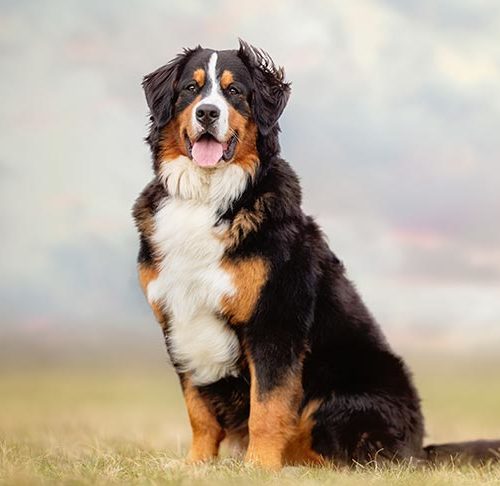
The Bernese Mountain Dog is a large Swiss working breed known for an even, watchful, gentle temperament. It bonds intensely with its family and stays close without being pushy. Berners are cautious with strangers but never aggressive at home. They suit families who want a calm, devoted dog that feels protective without being reactive.
A Berner’s tricolor coat, with rust and white markings against deep black, makes it one of the most striking large breeds. Underneath the dramatic coat is a sturdy, patient frame built for steady work.
People expect a “mountain dog” to be tough and aloof. What surprises most owners: Berners are famously soft, sometimes called “velcro dogs” for how closely they shadow a family member they sense is struggling.
“He parks himself outside my daughter’s door every night until she falls asleep. Nobody trained that. He just decided that was his job.”
— Karen B., Bernese Mountain Dog owner for 4 years
- Deeply loyal, protective without aggression
- Calm indoors despite its large size
- Forms strong bonds with anxious kids
- Shorter lifespan than most large breeds
- Heavy seasonal shedding
- Too large for small apartments
Best for: Homes with yard space · Kids who want a “shadow” dog · Cooler climates
Quick Comparison: All 10 Calm Breeds Side by Side
Here’s how all 10 breeds stack up on size, energy, and upkeep, so you can scan and compare in one place before deciding.
| Breed | Size | Energy | Shedding | Grooming |
|---|---|---|---|---|
| Golden Retriever | Large | High | Heavy | Moderate |
| Labrador Retriever | Large | High | Heavy | Low |
| Cavalier King Charles Spaniel | Small | Moderate | Moderate | Moderate |
| Beagle | Small-Med | Moderate | Moderate | Low |
| Bichon Frise | Small | Moderate | Very Low | High |
| Standard Poodle | Large | Mod-High | Very Low | High |
| Newfoundland | Giant | Low-Mod | Heavy | High |
| Cocker Spaniel | Medium | Moderate | Moderate | High |
| Basset Hound | Medium | Low | Moderate | Low |
| Bernese Mountain Dog | Large | Moderate | Heavy | High |
Which Breed Is Right for Your Child? A Decision Guide
The right breed depends on your child’s specific needs, your living space, and how much daily upkeep you can handle. Here’s how to match the situation to the dog.
- If your child startles easily at noise and motion → choose a Cavalier King Charles Spaniel or Basset Hound, both famously slow to react.
- If your child needs deep-pressure comfort during panic moments → choose a Golden Retriever, Newfoundland, or Bernese Mountain Dog for their size and stillness.
- If your family has allergy concerns on top of anxiety → choose a Standard Poodle or Bichon Frise, both very low-shedding.
- If your child is younger and still learning gentle handling → choose a sturdy, forgiving breed like a Labrador or Beagle, and check our notes on dog breeds for families with toddlers for age-specific handling tips.
This article covers temperament-based breed picks for everyday anxiety support at home. If your child has a diagnosed anxiety disorder that may call for a trained psychiatric service dog, work with a credentialed service-dog organization and your child’s clinician — breed choice alone isn’t a substitute for that process.
Helping a Dog and an Anxious Child Bond: Care Essentials
A calm breed is only half the equation. How you introduce, train, and structure daily life around the dog determines whether that calm temperament actually shows up when your child needs it.
Start slow. Let your child help with small, predictable tasks like filling the water bowl or brushing the coat. Predictable routines build trust faster than forced cuddle sessions ever will.
So what does that mean day to day? It means the dog’s calm “job” — sitting beside your child during homework, or lying near the bed at night — should be practiced often, in low-stress moments, not only saved for crisis moments.
Teach a simple “settle” cue early. A dog that lies down on command gives your child a reliable, repeatable calming ritual.
If you have other young kids in the house, not just the anxious child, pick a breed that’s gentle across the board. Our guide to dog breeds for families with babies covers extra safety steps worth reading if your household spans a wide age range.
Even the calmest breed needs daily exercise matched to its energy level. A bored, under-exercised dog gets restless, and a restless dog is the opposite of what an anxious child needs nearby.
Common Mistakes Parents Make When Picking a “Calm” Breed
The biggest mistake is assuming breed alone guarantees a calm dog. Genetics set a tendency, not a guarantee. Skipping a meeting with the actual puppy, ignoring exercise needs, and rushing the introduction are the next most common errors. Each one undercuts the very calm behavior parents are hoping for.
Many parents pick a breed from a list, order a puppy sight-unseen, and expect the calm reputation to show up automatically. It often doesn’t, at least not without effort.
A dog is a wonderful support, not a substitute for therapy or medical care. If your child’s anxiety is significant, loop in a pediatrician or therapist alongside any new pet.
Another common error is rushing the first meeting. A loud, crowded “surprise” introduction can spook even the calmest breed and color the relationship for months.
What Most Parents Get Wrong About Dogs and Child Anxiety
The most common misunderstanding is that “hypoallergenic” automatically means “calm.” Those are two unrelated traits. A Standard Poodle is low-shed and trainable, but it’s still a working-line dog that needs daily mental engagement, not a sedentary lap pet.
A second misconception: bigger dogs are scarier for anxious kids. In practice, some of the calmest breeds on this list — Newfoundlands, Berners, Goldens — are also the largest. Steady nerves matter more than size.
A third misconception: getting a puppy young guarantees the “perfect” calm temperament. Puppies of every breed go through a boisterous adolescent phase. Training during that phase, not breed selection, shapes the adult dog’s behavior around your child.
Research backs the broader idea that dogs genuinely help. According to the Child Mind Institute, connecting with an animal can help children feel grounded and prevents them from becoming overwhelmed in difficult moments. Separate research compiled by the Human Animal Bond Research Institute links having a pet dog in the home to a lower likelihood of childhood anxiety, particularly social and separation anxiety. Most experts agree the benefit comes from consistent companionship, not any single breed trait.
Frequently Asked Questions
Can a dog really help reduce a child’s anxiety?
Yes, for many kids. Research links regular contact with a calm dog to lower stress and better emotional regulation. It works best alongside therapy or other treatment, not as a stand-alone fix for diagnosed anxiety disorders.
What is the best small dog breed for an anxious child?
The Cavalier King Charles Spaniel is the top small-breed pick. It’s gentle, rarely barks without reason, and is light enough for a child to carry and cuddle during stressful moments at home or away.
Are Golden Retrievers good for kids with anxiety?
Yes. Goldens are large, patient, and tolerant of sudden hugs or crying. Their size makes them ideal for deep-pressure comfort, and most rarely react with fear or aggression around an upset child.
Should I get a puppy or an adult dog for an anxious child?
An adult dog with a known, tested temperament is often safer for an anxious child than an unpredictable puppy. Rescues and breeders can match you with a dog whose calm behavior is already confirmed.
Do hypoallergenic breeds work better for anxious kids with allergies?
Low-shed breeds like the Bichon Frise and Standard Poodle reduce allergy triggers, but “hypoallergenic” doesn’t mean calm. Check temperament and allergy needs separately before choosing a breed for your child.
Final Thoughts
No single breed is magic. What works is a calm, steady temperament paired with patient training and a routine your child can rely on. Golden Retrievers, Cavaliers, and Bichons top this list for good reason: they’re built to stay steady when a child isn’t.
One thing to do right now: pick your top two breeds from this list, then call a local breed rescue or shelter today and ask to meet a foster dog living with kids already, so you can see real temperament in action before you commit. I’m Thomas Cutter, and that one phone call is the single best predictor of how your match will actually go.

Thomas Cutter is a lifelong dog owner and the founder of FindOutAboutDogs.com. With over 10 years of hands-on experience owning multiple breeds, Thomas created this site to provide honest, research-based dog advice that real owners can actually trust.
