10 Best Dog Breeds for Teachers — Calm, Low-Maintenance Companions for 2026
Quick Answer
The best dog breeds for teachers are calm, independent, and comfortable being alone for 6 to 8 hours. Top picks include the Labrador Retriever, French Bulldog, Cavalier King Charles Spaniel, Greyhound, Basset Hound, and Bichon Frise. These breeds need moderate exercise, tolerate a school-day routine well, and settle down fast once you’re home.
What matters most when you’re picking a breed for a teacher's schedule:
- Tolerance for 6 to 8 hours alone on school days
- Low to moderate daily exercise needs
- A calm temperament that won’t wear you out after work
- Manageable grooming that fits a packed schedule
How to make any breed work with a teacher’s routine:
- Book a midday dog walker for the first school year
- Use a puzzle feeder to ease alone-time boredom
- Stick to the same walk times every day
You know the feeling. The alarm goes off before sunrise, you’re on your feet by 7:30, and by the time you’re home, you barely have energy to make dinner. Adding a dog to that life sounds risky.
I’m a longtime dog researcher and reporter who has spent years covering breed temperament and lifestyle fit. Teachers ask me some version of the same question every year: which dog can handle my schedule without falling apart — or falling into bad habits?
The good news is that plenty of breeds actually thrive on a school-year rhythm: quiet mornings, a predictable absence, and an evening full of attention. Let’s get into exactly which ones, and why.
- Independent, even-tempered breeds handle a school-day schedule best.
- Low to moderate exercise needs matter more than size.
- A midday dog walker or daycare visit in year one makes almost any breed easier.
- Grooming time is a real cost — factor it into your after-school hours, not just weekends.


What Makes a Dog Breed a Good Fit for a Teacher’s Schedule?
A dog breed fits a teacher’s schedule when it can settle down calmly during a 6 to 8 hour school day, needs only moderate daily exercise, and doesn’t demand constant supervision. Vets and trainers agree that temperament and energy level matter more here than size or breed “cuteness.” A 70-pound Greyhound can be far easier to live with than a 10-pound terrier bred for nonstop activity.
Teachers face a specific version of the “busy owner” problem. Your hours are predictable, which helps. But your energy after a full day of teaching is often low, and your mornings are tight. So what actually matters? Three things: how well the dog tolerates alone time, how much exercise it truly needs, and how much grooming and training upkeep it demands during the school week.
You might be thinking a smaller dog is automatically easier. Here’s why that’s not always true: some small breeds, like Jack Russell Terriers, were bred for high-drive work and need far more stimulation than a calm, mid-size Labrador.
What Most People Get Wrong About “Low-Maintenance” Dogs
Most people assume small size equals low maintenance. It doesn’t. Working and herding breeds, regardless of size, were bred for a job — and they’ll invent their own job if you don’t give them one. According to the AKC, temperament and exercise needs, not size or coat length alone, are the strongest predictors of how well a breed handles a busy household.
So if you love the look of a Border Collie or a Vizsla, know this going in: these are high-drive breeds that struggle badly with a school-day routine unless you have a dedicated midday exercise plan. That’s a real trade-off worth naming honestly before you fall for a cute photo.
The 10 Best Dog Breeds for Teachers — Ranked and Reviewed
Every breed below was chosen for one reason: it holds up well to a real teacher’s daily rhythm — early mornings, a long stretch alone, and an evening that needs to be restful, not exhausting.
Labrador Retriever — “The Steady Classroom Favorite”
| Weight | 55–80 lbs |
| Height | 21.5–24.5 in |
| Lifespan | 10–12 years |
| Energy Level | Moderate to high |
| Grooming Need | Weekly brushing |
| Shedding | Heavy, year-round |
The Labrador Retriever is a friendly, sociable breed known for its steady, easygoing temperament. Adults weigh 55 to 80 lbs and stand about 22 to 24 inches tall. Labs are independent enough to handle a school day alone but crave real exercise once you’re home, making them ideal for active teachers with a yard or nearby park.
Their short double coat sheds constantly, but it never mats or tangles. That trade means less brushing time, more vacuuming time.
Labs greet strangers like old friends and rarely show aggression. Even better, most settle into a nap the moment their exercise needs are met, which makes evenings genuinely restful.
- Easy to train, even for new owners
- Great with kids and visitors
- Handles alone time well as an adult
- Sheds heavily all year
- Needs 45+ min of exercise daily
- Prone to weight gain if under-walked
Best for: Teachers with a yard · Active evenings and weekends · Families with kids
French Bulldog — “The Low-Energy Grader”
 Save
Save| Weight | 16–28 lbs |
| Height | 11–13 in |
| Lifespan | 10–14 years |
| Energy Level | Low |
| Grooming Need | Minimal |
| Shedding | Light |
The French Bulldog is a compact, low-energy companion built for small spaces and short walks. Adults weigh 16 to 28 lbs and rarely need more than 20 minutes of daily exercise. Their calm, affectionate nature and quiet bark make them ideal for apartment-dwelling teachers who want company, not chaos.
Their bat-like ears and stocky build give them a look you won’t mistake for any other breed.
Frenchies love to nap through the afternoon. Here’s the catch: their flat face makes them sensitive to heat, so hot playground-season walks need extra care.
- Needs only short daily walks
- Rarely barks — apartment-friendly
- Comfortable in small spaces
- Struggles in heat and humidity
- Higher vet costs for breathing issues
- Can’t fly cargo on most airlines
Best for: Apartment dwellers · First-time owners · Teachers who want a calm evening dog
Cavalier King Charles Spaniel — “The Gentle Homework Buddy”
| Weight | 13–18 lbs |
| Height | 12–13 in |
| Lifespan | 12–15 years |
| Energy Level | Moderate |
| Grooming Need | Weekly brushing |
| Shedding | Moderate |
The Cavalier King Charles Spaniel is a small, affectionate breed built to be a devoted companion. Weighing 13 to 18 lbs, Cavaliers need only a relaxed walk and some playtime each day. Their trainable, people-focused nature makes them well suited to teachers who want a dog that follows them from room to room.
Their silky, feathered ears and soft eyes give them a gentle, storybook look.
Cavaliers are known for a calm, easygoing manner. What surprises new owners: they form such a strong bond with one person that separation training early on really matters.
- Gentle with kids and other pets
- Highly trainable and eager to please
- Comfortable in small living spaces
- Prone to separation anxiety
- Known heart health issues
- Needs regular ear cleaning
Best for: Teachers who work from home part-time · Families with young kids · Seniors
Greyhound — “The Couch-Potato Athlete”
| Weight | 60–70 lbs |
| Height | 27–30 in |
| Lifespan | 10–13 years |
| Energy Level | Low (after a sprint) |
| Grooming Need | Minimal |
| Shedding | Light |
The Greyhound is a tall, sleek sighthound that spends most of the day resting. Despite weighing 60 to 70 lbs, Greyhounds need only a 20 to 30 minute walk plus a short sprint to feel satisfied. Their quiet, gentle nature and short coat make them surprisingly easy for a busy teacher’s household.
Their lean, muscular frame and deep chest are built for one thing: short bursts of speed, not long hikes.
Most people assume a racing breed means constant energy. The opposite is true — Greyhounds sleep up to 18 hours a day and rarely bark.
- Needs only short daily exercise
- Rarely barks or destroys furniture
- Short coat means fast grooming
- Needs a securely fenced yard
- Thin coat feels cold weather fast
- High prey drive around small pets
Best for: Teachers with a fenced yard · Quiet households · Apartment living with short daily walks
Basset Hound — “The After-School Napper”
 Save
Save| Weight | 40–65 lbs |
| Height | 13–15 in |
| Lifespan | 12–13 years |
| Energy Level | Low |
| Grooming Need | Weekly brushing, ear checks |
| Shedding | Moderate |
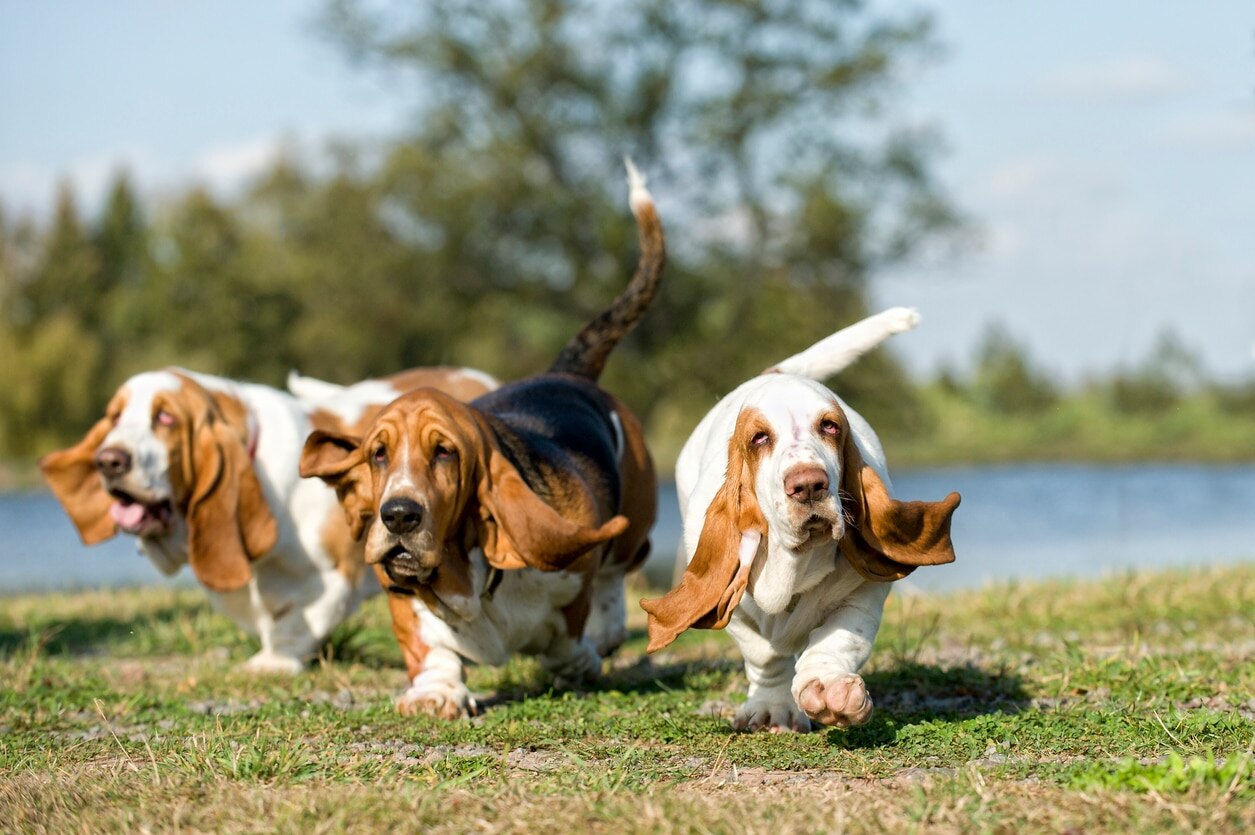
The Basset Hound is a low-slung scent hound known for its calm demeanor and famously long ears. Weighing 40 to 65 lbs, Bassets need only light exercise and are content lounging most of the day. Their easygoing, stubborn-but-sweet personality suits teachers who want a laid-back dog without a lot of drama.
Their droopy ears and mournful eyes give them one of the most recognizable faces in the dog world.
Bassets look lazy, but their nose never rests. Here’s the surprise: that powerful sense of smell means they’ll wander off mid-walk if a scent grabs them, so leash training matters early.
- Very low exercise needs
- Calm and rarely destructive
- Good with children
- Ears need regular cleaning
- Stubborn during training
- Prone to weight gain fast
Best for: Laid-back households · Teachers with a fenced yard · Families with older kids
Bichon Frise — “The Cheerful Weekend Companion”
| Weight | 12–18 lbs |
| Height | 9.5–11.5 in |
| Lifespan | 14–15 years |
| Energy Level | Moderate |
| Grooming Need | Professional trim every 4–6 weeks |
| Shedding | Very low |
The Bichon Frise is a small, hypoallergenic-coated breed known for its cheerful, playful personality. Weighing 12 to 18 lbs, Bichons need a short daily walk and some indoor play. Their low-shedding coat and friendly nature make them a strong fit for allergy-conscious teachers or apartment living.
Their curly white coat looks like a cotton ball, but underneath is a sturdy, athletic little body.
Bichons are famous for their happy-go-lucky attitude. What most owners don’t expect: this breed is genuinely easy to train and thrives on positive reinforcement.
- Low-shedding, allergy-friendly coat
- Friendly with strangers and kids
- Easy to train
- Needs frequent professional grooming
- Can develop separation anxiety
- Coat mats without regular brushing
Best for: Allergy-conscious teachers · Apartment dwellers · First-time owners
Standard Poodle — “The Smartest Kid in Class”
| Weight | 45–70 lbs |
| Height | Over 15 in |
| Lifespan | 10–13 years |
| Energy Level | Moderate to high |
| Grooming Need | Professional trim every 4–6 weeks |
| Shedding | Very low |
The Standard Poodle is a highly intelligent, hypoallergenic breed known for quick learning and loyalty. Weighing 45 to 70 lbs, Poodles need daily exercise and mental stimulation to stay content. Their trainability and low-shedding coat make them a favorite for teachers who value structure and routine.
Underneath the show-ring reputation is an athletic, curly-coated dog built for real activity.
Poodles rank among the smartest breeds, which means they pick up classroom-style routines fast. The catch: that same intelligence gets them into trouble if they’re bored, so puzzle toys matter.
- Hypoallergenic, low-shedding coat
- Learns commands and routines fast
- Loyal and affectionate
- Needs real daily exercise
- Grooming costs add up fast
- Bored dogs become destructive
Best for: Allergy-conscious teachers · Active households · Owners who enjoy training
Boston Terrier — “The Compact Comedian”
| Weight | 12–25 lbs |
| Height | 15–17 in |
| Lifespan | 11–13 years |
| Energy Level | Moderate |
| Grooming Need | Minimal |
| Shedding | Light |
The Boston Terrier is a small, tuxedo-marked breed known for its friendly, clownish personality. Weighing 12 to 25 lbs, Bostons need only moderate daily exercise and adapt well to apartment life. Their short coat and people-pleasing nature make them a favorite among teachers who want a playful but manageable dog.
Their tuxedo-like black-and-white coat and large, round eyes give them an unmistakable, expressive face.
Bostons are known as the “American Gentleman” of dog breeds for their polite manners. Even so, their flat face means summer recess walks need shade and water breaks.
- Adapts well to apartments
- Friendly with kids and strangers
- Easy grooming routine
- Sensitive to heat
- Can be vocal when excited
- Prone to eye injuries
Best for: Apartment dwellers · Teachers who want a playful dog · First-time owners
Shih Tzu — “The Lap-Time Reward”
| Weight | 9–16 lbs |
| Height | 9–10.5 in |
| Lifespan | 10–16 years |
| Energy Level | Low |
| Grooming Need | Daily brushing (long coat) |
| Shedding | Low |
The Shih Tzu is a small, affectionate breed built for companionship, not activity. Weighing 9 to 16 lbs, Shih Tzus need only light exercise and are happiest curled up beside you. Their calm, loyal nature makes them ideal for teachers who want a devoted lap dog after a long school day.
Their long, flowing coat and round face give them a soft, doll-like appearance.
Shih Tzus were bred centuries ago as palace companions, not workers. That history still shows: they’d rather follow you room to room than chase a ball outside.
- Very low exercise needs
- Adapts well to small spaces
- Affectionate and loyal
- Daily brushing needed for long coats
- Prone to breathing issues in heat
- Can develop separation anxiety
Best for: Seniors and teachers who work part-time · Small apartments · Low-activity households
Golden Retriever — “The Reliable Weekend Warrior”
| Weight | 55–75 lbs |
| Height | 21.5–24 in |
| Lifespan | 10–12 years |
| Energy Level | Moderate to high |
| Grooming Need | Weekly brushing |
| Shedding | Heavy, seasonal |
The Golden Retriever is a large, gentle breed known for patience and reliability. Weighing 55 to 75 lbs, Goldens need daily exercise but settle down quickly once their needs are met. Their tolerant, family-friendly temperament makes them a strong choice for teachers with kids at home.
Their thick golden coat and broad, friendly face make them one of the most recognized breeds in the world.
Goldens are famous for their patience with children. What’s less known: this breed also needs consistent mental stimulation, or that patience can turn into chewed furniture.
- Exceptional patience with kids
- Easy to train
- Rarely aggressive toward strangers
- Sheds heavily twice a year
- Needs 45+ min of exercise daily
- Large size needs space to move
Best for: Families with kids · Teachers with a yard · Active weekend households
Whippet — “The Quiet Sprinter”
 Save
Save| Weight | 25–40 lbs |
| Height | 18–22 in |
| Lifespan | 12–15 years |
| Energy Level | Low to moderate |
| Grooming Need | Minimal |
| Shedding | Light |
The Whippet is a sleek, medium-size sighthound that swings between short bursts of speed and long stretches of rest. Weighing 25 to 40 lbs, Whippets need a daily walk and occasional sprint time. Their calm indoor manner and short coat make them a smart, low-fuss pick for a teacher’s after-school routine.
Their lean, aerodynamic build looks like a smaller Greyhound, built for speed but living for comfort.
Whippets seem built for constant motion. In reality, once they’ve had their sprint, they’ll happily burrow under a blanket for the rest of the evening.
- Settles down fast indoors
- Minimal grooming needs
- Rarely barks
- Thin coat needs a jacket in winter
- High prey drive off-leash
- Can be reserved with strangers
Best for: Teachers with a securely fenced yard · Quiet households · Owners who like short, brisk walks
Comparison Table: 10 Best Dog Breeds for Teachers
Here’s every breed side by side, so you can compare exercise needs and grooming demands at a glance before deciding which one fits your school-year routine.
| Breed | Weight | Energy | Grooming | Best For |
|---|---|---|---|---|
| Labrador Retriever | 55–80 lbs | Mod-High | Weekly | Yards, active evenings |
| French Bulldog | 16–28 lbs | Low | Minimal | Apartments |
| Cavalier King Charles | 13–18 lbs | Moderate | Weekly | Home-heavy teachers |
| Greyhound | 60–70 lbs | Low | Minimal | Quiet households |
| Basset Hound | 40–65 lbs | Low | Weekly + ears | Laid-back homes |
| Bichon Frise | 12–18 lbs | Moderate | Monthly trim | Allergy-conscious owners |
| Standard Poodle | 45–70 lbs | Mod-High | Monthly trim | Active, allergy-conscious owners |
| Boston Terrier | 12–25 lbs | Moderate | Minimal | Apartments, playful homes |
| Shih Tzu | 9–16 lbs | Low | Daily brushing | Low-activity households |
| Golden Retriever | 55–75 lbs | Mod-High | Weekly | Families with kids |
| Whippet | 25–40 lbs | Low-Mod | Minimal | Quiet, fenced-yard homes |
Which Dog Breed Is Right for You as a Teacher?
The right breed depends on your living space, your after-school energy, and whether kids or other pets are part of your household. Here’s a quick decision guide to match your situation to the breed that will actually work.
If you live in a small apartment with low energy after work → a French Bulldog or Shih Tzu fits best.
If you have a yard and enjoy weekend hikes → a Labrador or Golden Retriever will keep up with you.
If you have allergies but still want a dog → a Bichon Frise or Standard Poodle is your safest bet.
If you want the calmest possible evenings → a Greyhound or Basset Hound rarely asks for much.
Care Essentials Every New Teacher-Owner Should Know
Every new dog owner needs a plan for feeding, exercise, vet visits, and alone-time comfort — but teachers face a tighter window to fit it all in. Building your dog’s routine around the school calendar, not against it, makes the first year far smoother.
So what does that mean in practice? Set a consistent morning walk before school and an evening walk right after. Consistency, not length, is what settles a dog into a routine fastest.
Book a midday dog walker for the first two weeks of school. It eases the transition and gives you real data on how your dog handles alone time.
Summer break deserves its own plan too. That’s why that matters: a dog used to eight hours alone in the school year can develop separation anxiety when your schedule flips in June. Keep some structure even during break.
Common Mistakes New Teacher Dog Owners Make
The most common mistake is choosing a breed based on looks instead of energy level and alone-time tolerance. A high-drive breed left alone all day will act out — chewing, barking, or digging — not from bad behavior, but from unmet needs.
Never leave a puppy alone for a full school day. Puppies need bathroom breaks every 3 to 4 hours during house training.
Another common mistake: skipping a midday break during the first month. As a result, many dogs develop bathroom accidents or anxiety habits that take months to undo. A short break in week one saves you a much bigger problem in week four.
Frequently Asked Questions
What is the easiest dog breed for a full-time teacher?
The French Bulldog and Basset Hound are among the easiest for full-time teachers. Both need only short daily walks and settle down calmly during a school day. Their low exercise needs make them forgiving of a packed weekday schedule.
Can a dog be left alone for 8 hours while I teach?
Yes, most adult dogs over age one can handle 8 hours alone if given a bathroom break, food, and water. Puppies cannot. A midday dog walker or doggy daycare visit makes this far easier during the first school year.
Are Labradors good for teachers?
Yes, Labradors are a strong choice for teachers who have some energy left after work. They handle alone time well as adults but need 45 minutes or more of daily exercise. A yard or nearby park makes ownership much easier.
What dog breed is best for a teacher with allergies?
The Standard Poodle and Bichon Frise are the top picks for allergy-conscious teachers. Both have low-shedding, curly coats that produce less dander. Regular professional grooming keeps their coats manageable and allergy symptoms low.
Should a teacher get a puppy or an adult dog?
An adult dog is usually easier for a full-time teacher. Adult dogs already have bladder control and calmer energy, while puppies need bathroom breaks every few hours. Rescue adults 1 to 3 years old often fit a school schedule best.
The Bottom Line
This article covers the calm, independent breeds best suited to a teacher’s school-day schedule. If your situation involves a working farm, a highly active outdoor job, or a breed with intense working drive, you’ll need a different set of picks than the ones here.
The single most important takeaway: match the dog’s energy and alone-time tolerance to your real weekday routine, not your weekend fantasy of it. Grooming and looks matter far less than temperament fit.
One thing to do right now: write down your actual weekday schedule — wake time, school hours, and evening energy — and match it against the comparison table above before you meet any dogs in person.

Thomas Cutter is a lifelong dog owner and the founder of FindOutAboutDogs.com. With over 10 years of hands-on experience owning multiple breeds, Thomas created this site to provide honest, research-based dog advice that real owners can actually trust.
