Best 10 Dog Breeds for Young Adults (Chosen for Real Apartment Life)
Quick Answer
The best dog breeds for young adults are Labrador Retriever, French Bulldog, Boxer, Beagle, Pembroke Welsh Corgi, Australian Shepherd, Vizsla, Boston Terrier, Miniature Poodle, and Cavalier King Charles Spaniel. Each one fits a busy, social, budget-aware lifestyle, but the right pick depends on your space, schedule, and energy level.
What matters most at this life stage:
- Fits a smaller space, like a first apartment or shared rental
- Handles some alone time if you work full-time
- Matches your real energy level, not your ideal one
Before you choose a breed:
- Check your lease’s pet and weight rules first
- Meet the breed in person if you can
- Ask about grooming and vet cost, not just the price tag
You just moved into your first place. The lease has a pet clause, your schedule is unpredictable, and you want a dog who fits the life you actually have — not the life you’ll have in ten years. I’m Maya Torres, and I’ve spent the last eight years working with shelters and first-time owners to match real people with the right breed. Here’s what actually works for young adults right now.


What Makes a Dog Breed Good for Young Adults?
A good breed for young adults handles moderate alone time, adapts to a smaller home, and doesn’t need an expert handler. Most people in their 20s and early 30s are renting, working full days, and still building a routine. So the best fit is a dog that’s adaptable first and impressive second.
Most experts agree that adaptability, not popularity, predicts a good match. A dog bred for constant farm work will struggle in a studio apartment, no matter how sweet its face is. The goal here is honesty about your real week, not the dog you’d want in a magazine photo.
You might be thinking a bigger dog automatically means more work. Here’s why that’s not always true: some large breeds, like the Boxer, are lower-maintenance indoors than small, high-strung breeds that bark all day.
So what does that mean for you? Before falling for a look, match the breed’s real needs to your real schedule. That single step prevents most rehoming decisions made in the first year.
This article covers the 10 breeds best suited to young adults in apartments or first rentals. If you’re choosing for small children, seniors, or a large house with a yard, your best-fit list will look different.
The 10 Best Dog Breeds for Young Adults — Ranked and Reviewed
Every breed below made the list for one reason: it holds up under a young adult’s real schedule — full workdays, small spaces, and a social calendar. Here’s the full lineup, with honest pros and cons for each.
Labrador Retriever — “The Loyal All-Rounder”

| Weight | 55 to 80 lbs |
| Height | 21.5 to 24.5 in |
| Lifespan | 10 to 12 years |
| Energy Level | High |
| Grooming Need | Low to moderate |
| Shedding | Heavy, year-round |
The Labrador Retriever is one of the friendliest large dog breeds, known for its easygoing nature. Weighing 55 to 80 lbs, it needs daily exercise but adapts well to city or country life. Labs are gentle, food-driven, and easy to train — ideal for active young adults ready for a real commitment.
Their short, dense coat sheds far more than people expect from a “low-maintenance” dog. A Lab’s otter-like tail never seems to stop moving.
Labs greet strangers like old friends, which makes them poor guard dogs. They also never fully outgrow puppy energy until age 3, which surprises most new owners.
Many Lab owners say their dog’s food motivation makes training almost too easy — and their real challenge is keeping the dog at a healthy weight.
- Great with roommates and visitors
- Easy to train, even for beginners
- Thrives on hikes and dog parks
- Sheds heavily all year
- Needs 60+ minutes of exercise daily
- Prone to weight gain if under-exercised
Best for: Active young adults · Dog park regulars · First-time owners with a yard or nearby trail
Best dog breeds for first-time owners, compared in full
French Bulldog — “The Small-Space Comedian”
| Weight | 16 to 28 lbs |
| Height | 11 to 13 in |
| Lifespan | 10 to 14 years |
| Energy Level | Low to moderate |
| Grooming Need | Low |
| Shedding | Moderate |
The French Bulldog is one of the most popular small dog breeds in the U.S., known for its bat ears and calm nature. Weighing 16 to 28 lbs, it’s perfect for apartments and short walks. Frenchies are affectionate, low-energy, and content indoors — great for young adults with unpredictable hours.
Their compact, muscular frame fits neatly under an office desk or a bar stool. A Frenchie’s snore is louder than most owners expect from a 20-lb dog.
Frenchies don’t need long runs, but heat is dangerous for their short snouts. Most surprising: this breed can’t swim, so pool days and boat trips need real caution.
You might be thinking a small dog is automatically cheap to own. Here’s why that’s not true here: Frenchies often need C-section births and have higher average vet bills than most breeds.
- Needs only short daily walks
- Rarely barks, ideal for thin walls
- Compact enough for tiny studios
- Overheats fast in warm weather
- Higher lifetime vet costs
- Can’t join you for a real run
Best for: Studio apartment dwellers · Remote workers · Owners who prefer short walks
Best dog breeds for small apartments, ranked by size and noise
Boxer — “The Goofy Bodyguard”
| Weight | 50 to 80 lbs |
| Height | 21.5 to 25 in |
| Lifespan | 10 to 12 years |
| Energy Level | High |
| Grooming Need | Low |
| Shedding | Moderate |
The Boxer is a muscular, playful breed known for its strong bond with its owner. Weighing 50 to 80 lbs, it needs daily exercise but has a short coat that’s easy to maintain. Boxers are protective, affectionate, and patient — a solid pick for active young adults who want a loyal companion.
Their square jaw and wrinkled brow give them a permanently curious expression. A Boxer’s signature “kidney bean” wiggle is a full-body greeting most owners never stop loving.
Boxers act like guard dogs but rarely act aggressively without real cause. Few people expect this: Boxers stay puppylike in personality well into their senior years.
So if you want a dog who’s both playful and instinctively watchful, a Boxer gives you both without heavy grooming demands.
- Naturally protective without being aggressive
- Short coat needs minimal grooming
- Bonds deeply with one household
- Needs real daily exercise, not walks alone
- Can be too rowdy for small kids
- Prone to heat sensitivity
Best for: Young adults living with roommates · Runners · Owners who want light protection
More easy-going dog breeds for a calmer household
Beagle — “The Curious Nose”
| Weight | 18 to 30 lbs |
| Height | 13 to 15 in |
| Lifespan | 10 to 15 years |
| Energy Level | Moderate to high |
| Grooming Need | Low |
| Shedding | Moderate |
The Beagle is a small hound known for its sharp nose and merry howl. Weighing 18 to 30 lbs, it’s compact enough for apartments but needs a securely fenced walk route. Beagles are social, food-motivated, and stubborn — best for owners ready for scent-driven mischief.
Their long, floppy ears sweep scent up toward their nose like a natural funnel. A Beagle’s howl can carry through two apartment walls.
Beagles will follow a smell over any command you give. Here’s the surprising part: this breed was bred to hunt in packs, so most Beagles do best with another dog or constant human company.
You might be thinking a small dog means an easy walk. Here’s why that’s not the case: Beagles pull hard toward every scent, so leash training takes real patience.
- Compact size fits smaller homes
- Friendly with people and other dogs
- Low grooming needs year-round
- Howls and bays, tough for thin walls
- Escapes through unlatched gates
- Stubborn during obedience training
Best for: Social young adults · Households with a second dog · Owners near a fenced dog park
Dorm-friendly dog breeds if you’re still in student housing
Pembroke Welsh Corgi — “The Big Personality on Short Legs”
| Weight | 24 to 30 lbs |
| Height | 10 to 12 in |
| Lifespan | 12 to 13 years |
| Energy Level | Moderate to high |
| Grooming Need | Moderate |
| Shedding | Heavy, year-round |
The Pembroke Welsh Corgi is a herding breed known for its short legs and fox-like face. Weighing 24 to 30 lbs, it’s small enough for apartments but carries big-dog confidence. Corgis are smart, vocal, and energetic — great for young adults who enjoy training games.
Their double coat sheds constantly, and it blows out twice a year in heavy waves. A Corgi’s low center of gravity hides real athleticism.
Corgis were bred to herd cattle by nipping at heels, and that instinct hasn’t faded. Most people don’t expect this: a Corgi will try to herd children, joggers, or even other pets.
So if you want a small dog with genuine working-dog drive, a Corgi delivers it — but it needs a job, or it invents one.
- Small size, big presence
- Learns tricks and commands fast
- Sturdy enough for active weekends
- Heavy shedding twice a year
- Barks to alert and to herd
- Prone to back problems if overweight
Best for: Owners who love training · Small apartment dwellers · Young adults wanting a watchdog
Best dog breeds for couples building a routine together
Australian Shepherd — “The Weekend Adventure Partner”
| Weight | 40 to 65 lbs |
| Height | 18 to 23 in |
| Lifespan | 12 to 15 years |
| Energy Level | Very high |
| Grooming Need | Moderate |
| Shedding | Heavy |
The Australian Shepherd is a high-drive herding breed known for its striking merle coat. Weighing 40 to 65 lbs, it needs serious daily exercise and mental work. Aussies are brilliant, loyal, and driven — perfect for young adults who hike, run, or do dog sports regularly.
Their coat comes in merle, black, red, and tricolor patterns, often with two different-colored eyes. An Aussie’s stare alone can move a herd of sheep.
This breed needs a job, or it creates one — often by herding your ankles. Few new owners expect this: an under-exercised Aussie can become anxious or destructive within weeks.
You might be thinking any active dog will do for a runner. Here’s why that undersells it: an Aussie needs mental puzzles on top of exercise, or physical tiredness alone won’t be enough.
- Extremely trainable and eager to work
- Great hiking and running companion
- Deeply loyal to its household
- Needs 90+ minutes of activity daily
- Not suited to small apartments alone
- Can become anxious if under-stimulated
Best for: Hikers and runners · Owners with a yard · Dog sport enthusiasts
Apartment-friendly dog breeds if you don’t have outdoor space
Vizsla — “The Velcro Dog”
| Weight | 44 to 60 lbs |
| Height | 21 to 24 in |
| Lifespan | 12 to 14 years |
| Energy Level | Very high |
| Grooming Need | Low |
| Shedding | Low |
The Vizsla is a lean Hungarian sporting breed known for its rust-gold coat. Weighing 44 to 60 lbs, it needs daily hard exercise but sheds very little. Vizslas are affectionate, sensitive, and clingy — a great fit for young adults who work from home or bring their dog everywhere.
Their short coat feels almost suede-like, and it rarely leaves hair on furniture. A Vizsla’s nickname, “Velcro dog,” describes how it follows you room to room.
This breed struggles hard with long alone time and can develop real separation anxiety. Here’s what surprises most owners: a bored Vizsla will destroy furniture within a single afternoon.
So if your schedule keeps you out of the house for 9 hours a day, this breed’s emotional needs may outpace what you can give it right now.
- Sheds very little, easy cleanup
- Deeply affectionate and loyal
- Excellent running and hiking partner
- Struggles with long alone time
- Needs 90+ minutes of exercise daily
- Sensitive to harsh corrections
Best for: Remote workers · Runners with high mileage goals · Owners who dislike shedding
Dog breeds that thrive with two-person households
Boston Terrier — “The American Gentleman”
| Weight | 12 to 25 lbs |
| Height | 15 to 17 in |
| Lifespan | 11 to 13 years |
| Energy Level | Moderate |
| Grooming Need | Low |
| Shedding | Low |
The Boston Terrier is a small, tuxedo-marked breed known for its friendly, easygoing nature. Weighing 12 to 25 lbs, it fits any apartment size and needs only moderate exercise. Bostons are social, low-shedding, and good with strangers — ideal for young adults who host often.
Their tuxedo-like coat pattern makes them look dressed for an event at all times. A Boston’s ears stand fully upright, giving it a permanently alert look.
This breed loves people more than it loves being alone all day. Most people don’t realize this: Bostons can overheat fast, since their short snout limits how they cool off.
So if you want a small, social dog for a smaller home, a Boston gives you that without heavy grooming demands or big exercise needs.
- Low shedding and minimal grooming
- Friendly with guests and strangers
- Compact for any apartment size
- Overheats in warm weather fast
- Prone to eye injuries and irritation
- Dislikes being left alone often
Best for: Frequent hosts · Studio apartment renters · Owners who want a low-shed breed
Best dog breeds for dorm and shared student housing
Miniature Poodle — “The Smart Low-Shed Pick”
| Weight | 10 to 15 lbs |
| Height | Under 15 in |
| Lifespan | 12 to 15 years |
| Energy Level | Moderate to high |
| Grooming Need | High |
| Shedding | Minimal |
The Miniature Poodle is a curly-coated breed known for its sharp intelligence. Weighing 10 to 15 lbs, it’s compact for apartments and sheds very little. Poodles are trainable, alert, and low-allergen — a strong choice for young adults with mild allergies or small living spaces.
Their tight curls trap loose hair instead of shedding it onto furniture. A Poodle’s brain has ranked among the sharpest of any breed in trainability studies.
This breed needs mental work, not just walks, or boredom sets in fast. Here’s the surprising part: Poodles were originally bred as water retrievers, not lapdogs.
You might be thinking a small dog needs little care. Here’s why that’s wrong here: Poodles need professional grooming every 4 to 6 weeks to prevent matting.
- Low-shedding, good for mild allergies
- Extremely quick to train
- Compact size for small homes
- Needs grooming every 4 to 6 weeks
- Bored easily without mental games
- Grooming cost adds up over time
Best for: Owners with mild allergies · Small apartment renters · Puzzle-toy and training fans
Small apartment dog breeds that handle city noise well
Cavalier King Charles Spaniel — “The Gentle Companion”
| Weight | 13 to 18 lbs |
| Height | 12 to 13 in |
| Lifespan | 12 to 15 years |
| Energy Level | Moderate |
| Grooming Need | Moderate |
| Shedding | Moderate |
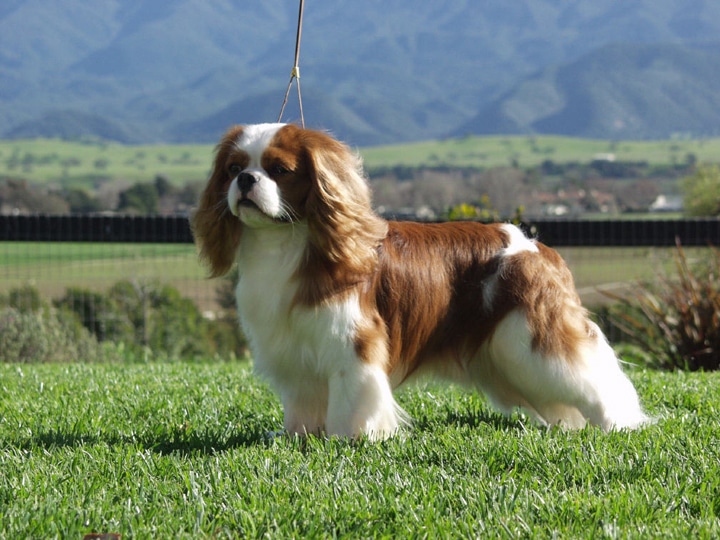
The Cavalier King Charles Spaniel is a toy breed known for its silky ears and gentle eyes. Weighing 13 to 18 lbs, it adapts well to apartments and needs only moderate exercise. Cavaliers are affectionate, adaptable, and quiet — a favorite among first-time owners and busy young adults.
Their long, feathered ears frame a soft, expressive face built for cuddling. A Cavalier’s tail rarely stops wagging once it senses attention coming.
This breed adapts to almost any household, from young children to older adults. Most people miss this: Cavaliers are prone to a serious heart condition, so regular vet checkups matter more than with many breeds.
So if you want a calm, adaptable dog for a smaller space, a Cavalier fits — as long as you budget for attentive vet care.
- Calm temperament, quiet indoors
- Adapts well to apartment life
- Very affectionate and social
- Prone to a serious heart condition
- Needs regular ear cleaning
- Doesn’t like being left alone often
Best for: First-time owners · Quiet apartment living · Owners who want a calm lap dog
Full guide to the best dog breeds for first-time owners
Compare All 10 Breeds Side by Side
Here’s the fast comparison for scanning before you commit to one breed. Weight, energy, and grooming needs vary the most between these picks.
| Breed | Weight | Energy | Grooming | Best For |
|---|---|---|---|---|
| Labrador Retriever | 55 to 80 lbs | High | Low-moderate | Active owners |
| French Bulldog | 16 to 28 lbs | Low-moderate | Low | Small studios |
| Boxer | 50 to 80 lbs | High | Low | Roommates, runners |
| Beagle | 18 to 30 lbs | Moderate-high | Low | Social households |
| Pembroke Welsh Corgi | 24 to 30 lbs | Moderate-high | Moderate | Trainers |
| Australian Shepherd | 40 to 65 lbs | Very high | Moderate | Hikers |
| Vizsla | 44 to 60 lbs | Very high | Low | Remote workers |
| Boston Terrier | 12 to 25 lbs | Moderate | Low | Frequent hosts |
| Miniature Poodle | 10 to 15 lbs | Moderate-high | High | Mild allergies |
| Cavalier King Charles Spaniel | 13 to 18 lbs | Moderate | Moderate | First-time owners |
Which Dog Breed Is Right for Your Lifestyle?
The right breed depends on your schedule, space, and energy — not just how a dog looks in photos. Here’s a direct decision guide based on the most common young-adult living situations.
- If you work long hours away from home → a French Bulldog or Boston Terrier handles alone time better than a high-drive breed.
- If you’re training for races or hike most weekends → an Australian Shepherd or Vizsla will actually keep up with you.
- If you live in a tiny studio with thin walls → a Cavalier or French Bulldog stays quieter than a vocal breed like the Beagle or Corgi.
- If you or a roommate has mild allergies → a Miniature Poodle sheds the least on this list.
Here’s the thing: no breed on this list is a bad choice. The wrong choice only happens when the breed’s real needs don’t match your actual week.
What Most People Get Wrong About Choosing a Dog Breed
Many young adults assume a small dog always means low effort, and a big dog always means high effort. That’s backwards more often than people expect.
Size tells you almost nothing about exercise needs or noise level. A 15-lb Beagle can be louder and more demanding than a 70-lb Boxer lounging on the couch.
Another common myth: “hypoallergenic” dogs never trigger allergies. In fact, most experts agree no breed is fully allergen-free, since allergies come from dander and saliva, not just fur.
Never choose a breed based on looks alone. Mismatched energy levels are the top reason young adults rehome a dog in its first year.
Dog Care Essentials Every New Owner Must Know
New dog ownership costs more than the adoption fee, and it takes more time than most people plan for. Budget for food, routine vet visits, and at least one hour of daily attention, no matter the breed.
Vaccinations, spay or neuter surgery, and a first vet exam should happen in the first few weeks. Research consistently shows that early veterinary care prevents costlier health problems later.
- Schedule a vet visit within the first week
- Start basic house training right away
- Introduce a crate or safe space immediately
- Begin short, positive training sessions daily
So what does that mean day to day? Consistency in the first two weeks builds habits that last the dog’s whole life.
Mistakes New Young Adult Dog Owners Make
Most first-year problems come from a handful of avoidable mistakes, not bad luck or a “difficult” dog. Fixing these early prevents most behavior issues.
Match your dog’s breed energy to your real weekly schedule, not your ideal one.
- Skipping obedience training because the dog is “still a puppy”
- Underestimating daily exercise needs for high-energy breeds
- Leaving a social breed alone for 9+ hours without a plan
- Choosing a breed based on looks instead of energy level
Frequently Asked Questions
What is the easiest dog breed for a young adult with a full-time job?
The French Bulldog and Boston Terrier handle alone time best among low-maintenance breeds. Both need only short daily walks and stay calm indoors. Neither breed suits owners gone more than 8 to 9 hours regularly.
Which dog breed is best for a small apartment?
The Miniature Poodle and Cavalier King Charles Spaniel fit small apartments well. Both stay under 20 lbs and need only moderate daily exercise. Their quieter nature also helps with thin apartment walls.
Are large dog breeds ever a good choice for young adults?
Yes, if your schedule includes daily exercise time. Labradors and Boxers do well in smaller homes, provided they get real activity. Size matters less than actual energy needs for most young owners.
How much should a young adult budget for a new dog each month?
Most owners spend $50 to $150 monthly on food, routine care, and basic supplies. Grooming-heavy breeds like Poodles add extra cost every 4 to 6 weeks. Emergency vet costs should also factor into your yearly budget.
Is it better to adopt a rescue mixed breed instead of a purebred?
Rescue dogs can be an excellent choice for flexible, first-time owners. Shelters often already know a dog’s temperament and energy level. A good shelter counselor can match you as precisely as any breed chart.
Your Next Step
You now know the 10 breeds that actually fit a young adult’s real schedule and space. The right one comes down to your energy level, your hours away from home, and your budget for care.
One thing to do right now: write down your actual weekly schedule, then match it against the energy level column in the comparison table above. I’m Maya Torres, and that one honest step prevents most of the mismatches I see in my work with new owners.
Sources: American Kennel Club — Best Dogs for Apartment Dwellers, American Kennel Club — Great Breeds for First-Time Owners

Thomas Cutter is a lifelong dog owner and the founder of FindOutAboutDogs.com. With over 10 years of hands-on experience owning multiple breeds, Thomas created this site to provide honest, research-based dog advice that real owners can actually trust.
