Best 10 Giant Dog Breeds for Families — Gentle Giants Worth Knowing
Quick Answer
The best giant dog breeds for families are gentle, steady, and easy to train. Top choices include Newfoundland, Bernese Mountain Dog, Great Dane, Saint Bernard, Leonberger, Great Pyrenees, Irish Wolfhound, Mastiff, Greater Swiss Mountain Dog, and Scottish Deerhound. The best choice depends on space, kids’ ages, grooming time, and training skill.
| Best Choice | Best For |
|---|---|
| Newfoundland | Young children |
| Bernese Mountain Dog | Calm family homes |
| Great Dane | Indoor giant-dog lovers |
Choose a giant family dog if:
- You have space for a huge adult dog.
- You can train calm manners early.
- You can afford food, grooming, and vet care.
- You never leave young kids alone with dogs.
Your child sees a huge fluffy dog and stops in wonder.
Then you wonder if a dog that large can really fit family life.
I’m Thomas Cutter, a lifelong dog owner and founder of FindOutAboutDogs.com. I’ve seen one truth again and again.
Size alone does not make a dog safe or hard. Temperament, training, space, and daily care matter more.
If you want a full family-dog list by age and lifestyle, see our guide to best family dog breeds for kids.
- Newfoundlands are the best gentle giant for many families.
- Great Danes need space, training, and soft indoor time.
- Giant dogs cost more in food, gear, and vet care.
- Early training matters more than breed labels.
- No child should be left alone with any dog.


What Makes a Giant Dog Breed Good for Families?
A giant dog breed is good for families when it is patient, stable, trainable, and safe around daily noise. Most experts agree that breed gives you a starting point, not a promise. A Newfoundland may be sweet, but it still needs rules. A Great Dane may be calm, but it still needs leash work. The right family giant has a soft nature, steady nerves, and owners who teach manners early. So if you have kids, judge the full fit, not only the cute face.
Here’s why that matters. A 140-pound dog can knock over a child by turning fast.
So the best giant dog breeds for families are not the wildest dogs. They are calm dogs with strong human bonds.
The AVMA pet dog selection guide says families should weigh exercise, grooming, housing, and vet care before choosing a dog.
When families pick by size alone, the first year can feel hard. That taught me to match the dog to the routine first.
Now let’s look at the breeds that fit family life best.
The 10 Best Giant Dog Breeds for Families
The best giant dog breeds for families balance size with a gentle mind. Newfoundland, Bernese Mountain Dog, Great Dane, Saint Bernard, Leonberger, Great Pyrenees, Irish Wolfhound, Mastiff, Greater Swiss Mountain Dog, and Scottish Deerhound all bring something useful. Some are soft with toddlers. Some suit older kids better. Some guard. Some lounge. Some shed enough to fill a vacuum daily. The best choice is not the biggest dog. The best choice is the dog your family can guide, feed, train, and love every day.
But here’s the thing. Giant dogs are not stuffed animals.
They need early leash work, calm greetings, joint-safe exercise, and clear house rules.
You might be thinking giant dogs are too much for kids. Here’s why that is not always true.
Many giant breeds were built to work near people. Good training turns that size into steady company.
Newfoundland — Best Giant Dog Breed for Gentle Family Life
 Save
Save| Weight | 100-150 pounds |
| Height | 26-28 inches |
| Lifespan | 9-10 years |
| Energy Level | Medium |
| Grooming Need | High |
| Shedding | Heavy |
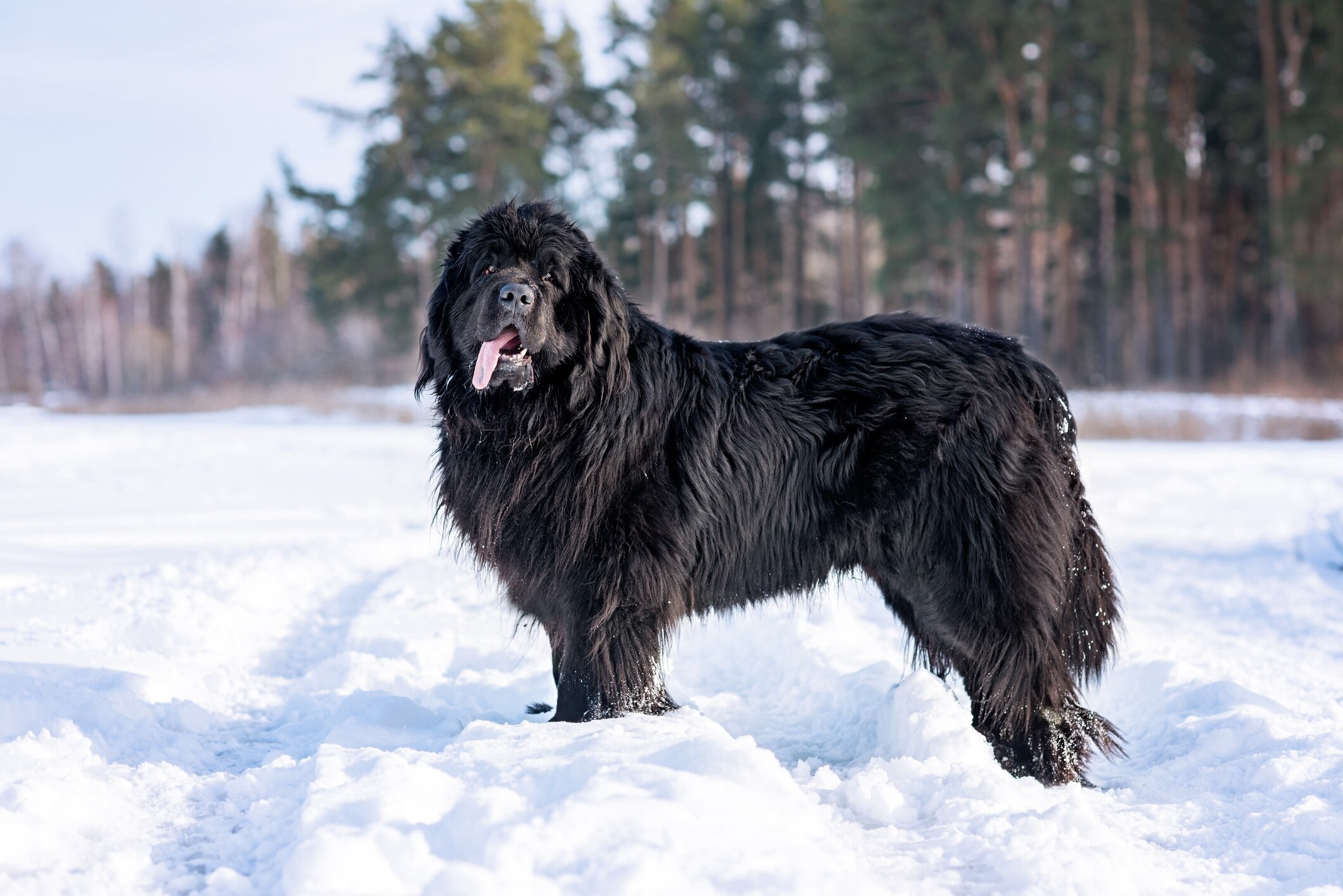
The Newfoundland is a sweet giant family dog known for patience, water work, and calm child contact. It can weigh up to 150 pounds and has a thick coat. Newfoundlands often move slowly indoors. They suit families that want a soft, watchful companion.
The Newfoundland has a broad head and deep coat. Its huge paws often look like soft snowshoes.
Most people expect a big swimmer. What they may not know is how still this breed can be near children.
“Our Newfie lies near the playmat, not on it. She seems to know the baby needs space.”
— Emily R., Newfoundland owner for 6 years
- Patient with careful children
- Calm indoor nature
- Strong family bond
- Heavy shedding year-round
- Drool needs daily wiping
- Heat can stress them
Best for: Young children · Calm homes · Families near water
Bernese Mountain Dog — Best Giant Dog Breed for Calm Homes
| Weight | 70-115 pounds |
| Height | 23-27.5 inches |
| Lifespan | 7-10 years |
| Energy Level | Medium |
| Grooming Need | Medium to high |
| Shedding | Heavy |
The Bernese Mountain Dog is a gentle giant breed with a soft family nature. It weighs 70-115 pounds and has a thick tri-color coat. Berners are calm, warm, and often slow to react. They suit families with space and steady grooming habits.
The Berner has a black coat with rust and white marks. The face often looks kind and sad.
You expect a farm dog to be strong. The surprise is how tender many Berners act indoors.
“Our Berner waits by the stairs each morning. He lets the kids pass first every time.”
— Jason M., Bernese owner for 5 years
- Soft with calm kids
- Easy family bond
- Good cold-weather dog
- Short average lifespan
- Coat sheds heavily
- Struggles in heat
Best for: Spacious homes · Gentle kids · Cold climates
Great Dane — Best Giant Dog Breed for Indoor Families
| Weight | 110-175 pounds |
| Height | 28-32 inches |
| Lifespan | 7-10 years |
| Energy Level | Medium |
| Grooming Need | Low |
| Shedding | Moderate |
The Great Dane is a tall giant family dog known for a calm home style. It can stand up to 32 inches at the shoulder. Danes are often gentle but need leash control. They suit families that want a huge indoor companion.
The Great Dane has long legs, a deep chest, and a clean coat. Its size fills a room fast.
People expect a wild giant. Many Danes prefer a couch and a soft blanket.
“Our Dane thinks he is a lap dog. The kids call him our tall shadow.”
— Nora L., Great Dane owner for 4 years
- Low grooming needs
- Often calm indoors
- Strong family attachment
- Tail can clear tables
- Puppies grow very fast
- Needs large beds
Best for: Indoor homes · Older kids · Low-grooming families
Saint Bernard — Best Giant Dog Breed for Slow, Steady Homes
The Saint Bernard is a massive family dog known for calm strength and a kind face. It weighs 120-180 pounds and often moves slowly indoors. Saint Bernards can be sweet with children. They suit families that accept drool, fur, and size.
This breed has a huge head and heavy body. Its gentle eyes soften the full look.
You expect a rescue legend. The real surprise is how laid-back many are at home.
Best for: Calm families · Cold areas · Patient owners
Leonberger — Best Giant Dog Breed for Active Family Companionship
 Save
SaveThe Leonberger is a lush-coated giant family dog with a social heart. It weighs 90-170 pounds and carries a lion-like mane. Leonbergers often enjoy people, play, and training. They suit active families that can brush often and guide manners early.
The Leonberger looks like a lion in soft dog form. Its coat frames the neck and chest.
Most people expect a showy dog. Many owners find a playful, people-focused clown.
Best for: Active homes · Older kids · Grooming-ready owners
Great Pyrenees — Best Giant Dog Breed for Calm Guarding Families
The Great Pyrenees is a calm giant guardian breed known for watchful family care. It weighs 85 pounds and up and has a white double coat. Pyrs are gentle at home but independent by nature. They suit families with space and firm routines.
The Great Pyrenees has a thick white coat and strong frame. It looks peaceful but alert.
You expect a quiet snow dog. The surprise is its deep night-watch instinct.
→ Best dog breeds for families with toddlers
Best for: Rural homes · Calm kids · Experienced owners
Irish Wolfhound — Best Giant Dog Breed for Gentle Older Kids
The Irish Wolfhound is a tall giant hound known for a soft, dignified nature. Males stand at least 32 inches and weigh about 120 pounds. Wolfhounds are usually calm indoors. They suit families with older children, space, and gentle handling.
The Irish Wolfhound has a rough coat and long outline. It looks noble without trying.
People expect a fierce wolf hunter. Modern Wolfhounds often act soft and tender.
Best for: Older kids · Quiet homes · Hound lovers
Mastiff — Best Giant Dog Breed for Calm Protection
The Mastiff is a huge family guardian known for calm power and deep loyalty. It can weigh 120-230 pounds. Mastiffs are often mellow indoors but need firm training. They suit families that want a quiet protector, not a high-energy playmate.
The Mastiff has a broad head and heavy bone. Its short coat keeps grooming simple.
You expect a scary dog. A well-raised Mastiff often acts like a quiet wall.
Best for: Experienced owners · Calm homes · Guard-dog seekers
Greater Swiss Mountain Dog — Best Giant Dog Breed for Working Families
The Greater Swiss Mountain Dog is a strong giant family breed with a steady working past. It weighs 85-140 pounds and has a short tri-color coat. Swissies are social, strong, and useful. They suit families that enjoy walks, tasks, and structure.
The Swissy looks bold and clean with a black, white, and rust coat. Its build feels solid.
Most people expect a slower mountain dog. Swissies often want jobs and family action.
→ Best dog breeds for families with cats
Best for: Active families · Yard homes · Task-loving owners
Scottish Deerhound — Best Giant Dog Breed for Quiet Families
 Save
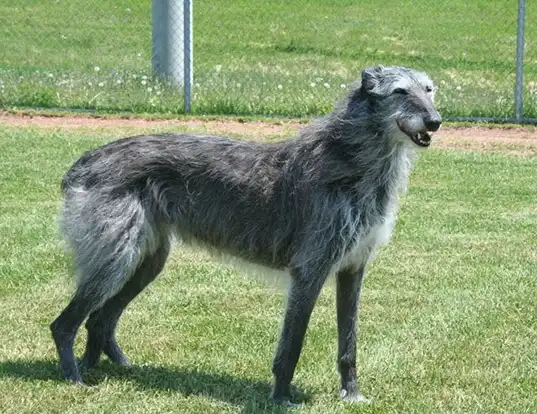
SaveThe Scottish Deerhound is a tall, gentle hound with a quiet home nature. It weighs 75-110 pounds and has a wiry coat. Deerhounds are sweet but can chase small animals. They suit peaceful families with secure outdoor space.
The Scottish Deerhound looks like a rough-coated greyhound. Its face has a soft, wise look.
You expect constant running. The surprise is how much they enjoy long rest after exercise.
Best for: Quiet homes · Teens · Secure yards
Which Giant Dog Breed Is Right for Your Family?
The right giant dog breed depends on your children’s ages, your home size, your time, and your training skill. Choose a Newfoundland if you want the softest family giant. Choose a Great Dane if you want lower grooming and indoor calm. Choose a Bernese if you want warmth and patience. Choose a Great Pyrenees or Mastiff only if you can guide strong guard instincts. Choose a Swissy or Leonberger if your family stays active. The best match is the dog whose worst day you can still manage.
If you have babies, choose the calmest breed and use barriers. Dogs and babies need safe space.
For more baby-focused help, see our guide to best dog breeds for families with babies.
If you have toddlers, start with Newfoundland or Bernese. If you have teens, consider Leonberger, Swissy, or Irish Wolfhound. If you are a first-time owner, avoid hard guardian breeds first.
When families choose by photos, care needs catch them later. That taught me to choose by Tuesday morning, not puppy day.
Next, compare the breeds side by side.
How Do Giant Family Dog Breeds Compare?
The easiest way to compare giant family dogs is by size, grooming, energy, and kid fit. Newfoundlands are best for gentle homes. Bernese Mountain Dogs are warm but shed heavily. Great Danes give size with lower grooming. Saint Bernards are calm but drooly. Leonbergers need more brushing and play. Great Pyrenees and Mastiffs need stronger handling. Irish Wolfhounds and Deerhounds are gentle hounds, but they need secure space. Use this table as a short list before you meet breeders or rescues.
| Breed | Best Fit | Main Challenge |
|---|---|---|
| Newfoundland | Young kids | Drool and shedding |
| Bernese Mountain Dog | Calm families | Short lifespan |
| Great Dane | Indoor homes | Huge body size |
| Saint Bernard | Slow homes | Drool and heat |
| Leonberger | Active homes | Heavy coat care |
| Great Pyrenees | Rural homes | Independent guarding |
| Irish Wolfhound | Older kids | Short lifespan |
| Mastiff | Calm protection | Firm training |
| Greater Swiss Mountain Dog | Busy families | Strong puppy phase |
| Scottish Deerhound | Quiet homes | Chase instinct |
You might be thinking every giant dog needs a mansion. Here’s why that is not always true.
A calm Dane may need less action than a smaller herding dog. Still, space helps daily life.
What Most People Get Wrong About Giant Dogs and Kids
Most people get one thing wrong about giant dogs. They think gentle means easy. A gentle giant still needs training, socialization, safe food control, and daily supervision around children. Even a loving dog can hurt a child by jumping, leaning, or swinging a tail. The CDC says children should always be supervised around dogs. That advice applies to every breed and every size. So if you want a giant family dog, plan for safety before the puppy comes home.
The CDC dog safety guide says children should always have adult supervision around dogs.
That said, safety does not mean fear. It means you build smart habits early.
Never leave a baby, toddler, or young child alone with any dog. Size, breed, and past behavior do not remove risk.
When parents teach kids to respect dog space, stress drops fast. That taught me that child training matters too.
Next, let’s cover the care needs most new owners miss.
What Care Do Giant Family Dogs Need?
Giant family dogs need joint-safe growth, steady training, large-breed food, grooming, and routine vet care. Most experts agree that giant puppies should not over-jump or over-run while growing. Their bones and joints need time. They also need calm leash skills before full adult weight arrives. Food costs, beds, crates, and medicine doses are higher than small breeds. So if you choose a giant dog, plan your budget before you fall in love.
The AKC largest dog breeds guide helps compare size and breed traits.
Here’s the honest scope. This article covers family fit and breed choice.
If your dog has pain, bloat signs, or growth issues, you need a vet, not a breed list.
Choose a giant dog only if your family can afford the full routine. That means food, training, grooming, large gear, vet checks, and safe child rules.
Conclusion
The best giant dog breeds for families are gentle, steady, and well matched to your home.
Newfoundland is the safest first choice for many families.
But the right dog is the one you can train and care for every week.
Right now, write down your home size, child age, grooming budget, and daily walk time. I’m Thomas Cutter, and that 2-minute list will make your choice much clearer.
Frequently Asked Questions
What is the best giant dog breed for families?
The Newfoundland is the best giant dog breed for many families. It is patient, sweet, and often gentle with children. Still, every Newfoundland needs training, grooming, and child-safe rules from the first week at home.
Are giant dog breeds safe with kids?
Giant dog breeds can be safe with kids when trained and supervised. The risk is often size, not bad intent. A playful jump or tail swing can hurt a child, so adult supervision is always needed.
Which giant dog breed sheds the least?
Great Danes and Mastiffs shed less than many long-coated giant breeds. They still shed, but grooming is easier. If loose fur bothers you, avoid Newfoundland, Saint Bernard, Leonberger, Bernese, and Great Pyrenees.
Are giant dogs good for first-time owners?
Some giant dogs can fit first-time owners, but only with training help. Great Danes and Newfoundlands may be easier than strong guardian breeds. First-time owners should avoid breeds with high guard drive unless they have support.
How much space does a giant family dog need?
A giant dog needs enough room to move, rest, and turn safely. A yard helps, but calm indoor habits matter too. Some giant dogs can live in smaller homes if they get walks and training.
Thomas Cutter is a lifelong dog owner and the founder of FindOutAboutDogs.com. With over 10 years of hands-on experience owning multiple breeds, Thomas created this site to provide honest, research-based dog advice that real owners can actually trust.
