Best 10 Hound Dog Breeds for Families — Honest Picks for Real Homes
Quick Answer
The best hound dog breeds for families are Beagle, Basset Hound, Whippet, Dachshund, Greyhound, American Foxhound, Petit Basset Griffon Vendéen, Bloodhound, Rhodesian Ridgeback, and Basenji. The right choice depends on your kids’ ages, home space, training time, noise limits, and comfort with prey drive.
| Best Choice | Best For |
|---|---|
| Beagle | Most families |
| Basset Hound | Calmer homes |
| Whippet | Quiet indoor families |
Choose a hound dog breed for your family if:
- You can walk your dog daily.
- You can train recall and leash manners.
- You accept some scent-chasing behavior.
- You match breed energy to your home.
Your kids want a dog that plays, cuddles, and joins family life.
But hounds can confuse new owners fast. Some are calm couch dogs. Others follow scent like the world disappeared.
I’m Thomas Cutter, a lifelong dog owner and founder of FindOutAboutDogs.com. I’ve seen families choose hounds for sweetness, then struggle with noise or recall.
The short answer is simple. Match the hound’s hunting style to your daily life.
If you want a wider family-dog guide, start with our best family dog breeds for kids.
- Beagles are the best all-around hound for most families.
- Basset Hounds suit calm homes with patient training.
- Whippets and Greyhounds are quiet indoor hounds.
- Most hounds need leash control and scent games.
- No hound fits every home, child, or pet.


What Makes a Hound Dog Breed Good for Families?
A good family hound is social, steady, trainable, and safe around respectful children. It also needs exercise that your family can give every day. Hounds were bred to hunt by scent or sight, so prey drive matters. The best family choice is not the cutest hound. It is the hound whose needs match your home.
The American Kennel Club Hound Group includes scent hounds and sight hounds. Scent hounds follow smells. Sight hounds chase movement.
Here’s why that matters. A Beagle may ignore you during a walk. A Whippet may chase a squirrel in one second.
You might be thinking all hounds are hard to train. Here’s why that is not fair. Many hounds learn well when training feels like a game.
When families choose by looks alone, the daily habits become a shock. That taught me to judge hounds by routine, not charm.
Before choosing a hound, picture your worst busy week.
This article covers hound breeds for family homes. If your situation involves severe fear, bite history, or unknown rescue behavior, ask a vet or trainer first.
The Best 10 Hound Dog Breeds for Families
The best hound dog breeds for families are Beagle, Basset Hound, Whippet, Dachshund, Greyhound, American Foxhound, Petit Basset Griffon Vendéen, Bloodhound, Rhodesian Ridgeback, and Basenji. Each breed brings a different family fit. Some suit young kids. Some need older kids. Some need yards, fences, or firm leash rules.
Most experts agree that breed alone never makes a dog safe. Training, care, social time, and child manners matter more each day.
You might be thinking a “family hound” should love every child. Here’s why that can mislead you. Dogs need calm handling, even when they are sweet.
When I compare hounds, I look at 5 details first. Size, energy, noise, prey drive, and patience tell the real story.
Now let’s rank the 10 best family hounds clearly.
Beagle — Best Hound Dog Breed for Most Families
) Save
Save| Weight | 20-30 pounds |
| Height | 13-15 inches |
| Lifespan | 10-15 years |
| Energy Level | High |
| Grooming Need | Low |
| Shedding | Medium |
The Beagle is a cheerful family hound known for pack-friendly behavior. It is small enough for most homes but sturdy enough for kids. Beagles are playful, food-driven, and scent-focused. They suit families that can give walks, games, and secure leash control.
Beagles have soft eyes, long ears, and a compact body. Their tail often lifts like a tiny flag.
Most people expect Beagles to be cute and merry. But they can track one smell with shocking focus.
“Our Beagle knows snack time before the kids do. We had to child-lock the pantry.”
— Megan R., Beagle owner for 6 years
- Great size for kids
- Loves family play
- Easy coat care
- Follows scent hard
- Can bay loudly
- Steals food often
Best for: Most families · Active kids · First-time hound owners
Basset Hound — Best Calm Hound Dog Breed for Families
| Weight | 40-65 pounds |
| Height | Up to 15 inches |
| Lifespan | 12-13 years |
| Energy Level | Low to medium |
| Grooming Need | Low |
| Shedding | Medium to high |
The Basset Hound is a low, gentle scent hound known for a calm home style. It is heavier than it looks and needs careful weight control. Bassets are sweet, stubborn, and slow-moving indoors. They suit patient families that enjoy steady walks.
Bassets have long ears, heavy paws, and deep sad eyes. Their low body hides real strength.
Most people expect a lazy dog. But a fresh scent can switch on full hound mode.
“Our Basset moves slowly until pizza arrives. Then he becomes an athlete.”
— Laura K., Basset Hound owner for 8 years
- Calm inside homes
- Often patient with kids
- Moderate exercise needs
- Stubborn on leash
- Ears need cleaning
- Can gain weight
Best for: Calm homes · Patient parents · Gentle children
→ Best dog breeds for families with toddlers
Whippet — Best Quiet Hound Dog Breed for Families
| Weight | 25-40 pounds |
| Height | 18-22 inches |
| Lifespan | 12-15 years |
| Energy Level | Medium |
| Grooming Need | Low |
| Shedding | Low to medium |
The Whippet is a slim family hound known for speed outdoors and softness indoors. It has a short coat and a quiet home style. Whippets are gentle, sensitive, and fast. They suit families with calm kids and safe fenced sprint space.
Whippets look like smaller Greyhounds. Their thin coat shows every clean line.
Most people expect endless running. But many Whippets nap hard after short bursts.
“Our Whippet gets the zoomies for 5 minutes. Then she claims the softest blanket.”
— Daniel S., Whippet owner for 4 years
- Quiet indoor nature
- Low grooming work
- Gentle with calm kids
- Chases fast movement
- Needs warmth outside
- Can be sensitive
Best for: Quiet homes · Gentle kids · Apartment families
Dachshund — Best Small Hound Dog Breed for Older Kids
| Weight | 11 pounds under mini; 16-32 standard |
| Height | 5-9 inches |
| Lifespan | 12-16 years |
| Energy Level | Medium |
| Grooming Need | Low to medium |
| Shedding | Medium |
The Dachshund is a bold small hound known for its long body and brave mind. It comes in 2 sizes and 3 coat types. Dachshunds are playful, alert, and stubborn. They suit families with older kids who respect a dog’s back.
Dachshunds have a low body, long spine, and bright eyes. The shape is cute but fragile.
Most people see a lap dog. But this breed was built to face badgers underground.
“Our Dachshund loves the kids, but we banned sofa jumping. His ramp changed everything.”
— Nina P., Dachshund owner for 5 years
- Fits small homes
- Big comic nature
- Strong family bond
- Back injury risk
- Can bark often
- Needs gentle handling
Best for: Older kids · Small homes · Careful families
Greyhound — Best Large Hound Dog Breed for Calm Families
 Save
Save| Weight | 60-70 pounds |
| Height | 27-30 inches |
| Lifespan | 10-13 years |
| Energy Level | Low to medium |
| Grooming Need | Low |
| Shedding | Low to medium |
The Greyhound is a tall sight hound known for speed outside and calm rest inside. It is large but often gentle at home. Greyhounds are quiet, soft, and sensitive. They suit calm families that can manage prey drive and leash safety.
Greyhounds have long legs, deep chests, and smooth coats. Their slim frame needs soft beds.
Most people picture racing speed. But many Greyhounds act like full-time sofa experts.
“Our Greyhound looks huge beside the kids. Inside, he is the quietest one here.”
— Aaron M., Greyhound owner for 7 years
- Calm indoor habits
- Low coat care
- Gentle adult style
- Strong chase instinct
- Needs soft bedding
- Cold weather sensitive
Best for: Calm families · Older kids · Large-dog homes
American Foxhound — Best Hound Dog Breed for Active Families
| Weight | 60-70 pounds |
| Height | 21-25 inches |
| Lifespan | 11-13 years |
| Energy Level | High |
| Grooming Need | Low |
| Shedding | Medium |
The American Foxhound is a tall scent hound known for stamina and a kind nature. It has a light frame and strong pack roots. Foxhounds are gentle, active, and vocal. They suit families with space, fences, and outdoor routines.
American Foxhounds look lean, leggy, and athletic. Their soft eyes give them a gentle look.
Most people expect an easy hound. But this breed needs real movement each day.
“Our Foxhound is sweet with the kids. The backyard fence saved our sanity.”
— Victor J., American Foxhound owner for 3 years
- Kind family nature
- Good with activity
- Low grooming work
- Needs strong fencing
- Bays when excited
- Poor apartment fit
Best for: Active families · Yard homes · Outdoor kids
Petit Basset Griffon Vendéen — Best Small Social Hound for Families
| Weight | 25-40 pounds |
| Height | 13-15 inches |
| Lifespan | 14-16 years |
| Energy Level | High |
| Grooming Need | Medium |
| Shedding | Medium |
The Petit Basset Griffon Vendéen is a small shaggy hound known for joy and drive. It is compact but not lazy. PBGVs are social, bold, and busy. They suit families that want a cheerful dog with daily play needs.
The PBGV has rough hair, long brows, and a bright face. Its coat looks charmingly messy.
Most people expect a small couch dog. But this little hound wants action and sniff work.
“Our PBGV turns walks into treasure hunts. The kids now hide treats for him.”
— Priya L., PBGV owner for 4 years
- Happy social nature
- Good small size
- Fun scent games
- Can be noisy
- Needs daily play
- May chase pets
Best for: Playful families · Older kids · Scent-game homes
Bloodhound — Best Scent Hound for Patient Families
| Weight | 80-110 pounds |
| Height | 23-27 inches |
| Lifespan | 10-12 years |
| Energy Level | Medium to high |
| Grooming Need | Low to medium |
| Shedding | Medium |
The Bloodhound is a large scent hound known for unmatched tracking focus. It is gentle but powerful. Bloodhounds are sweet, drooly, and stubborn on scent. They suit patient families with space, strength, and time for leash training.
Bloodhounds have loose skin, long ears, and deep folds. Their face looks wise and tired.
Most people expect a slow porch dog. But a young Bloodhound can pull like a small horse.
“Our Bloodhound adores the kids. He also leaves drool on every clean shirt.”
— Marcus T., Bloodhound owner for 6 years
- Gentle family manner
- Great scent games
- Soft with owners
- Heavy leash puller
- Drools a lot
- Needs strong adults
Best for: Patient families · Large homes · Scent-game lovers
Rhodesian Ridgeback — Best Hound Dog Breed for Experienced Families
| Weight | 70-85 pounds |
| Height | 24-27 inches |
| Lifespan | 10-12 years |
| Energy Level | High |
| Grooming Need | Low |
| Shedding | Medium |
The Rhodesian Ridgeback is a strong hound known for courage, family loyalty, and athletic power. It is not a casual first dog. Ridgebacks are calm, watchful, and independent. They suit experienced families with older kids and firm routines.
Ridgebacks have short wheaten coats and a clear ridge down the back. Their body looks strong.
Most people notice the lion-hunting history. But daily manners matter more than old legends.
“Our Ridgeback is calm indoors. But he needs clear rules from every adult.”
— Helen B., Rhodesian Ridgeback owner for 9 years
- Loyal family bond
- Low grooming need
- Great hiking partner
- Not beginner friendly
- Strong prey drive
- Needs early training
Best for: Experienced owners · Older kids · Active families
Basenji — Best Clean Hound Dog Breed for Older Families
| Weight | 22-24 pounds |
| Height | 16-17 inches |
| Lifespan | 13-14 years |
| Energy Level | Medium to high |
| Grooming Need | Low |
| Shedding | Low |
 Save
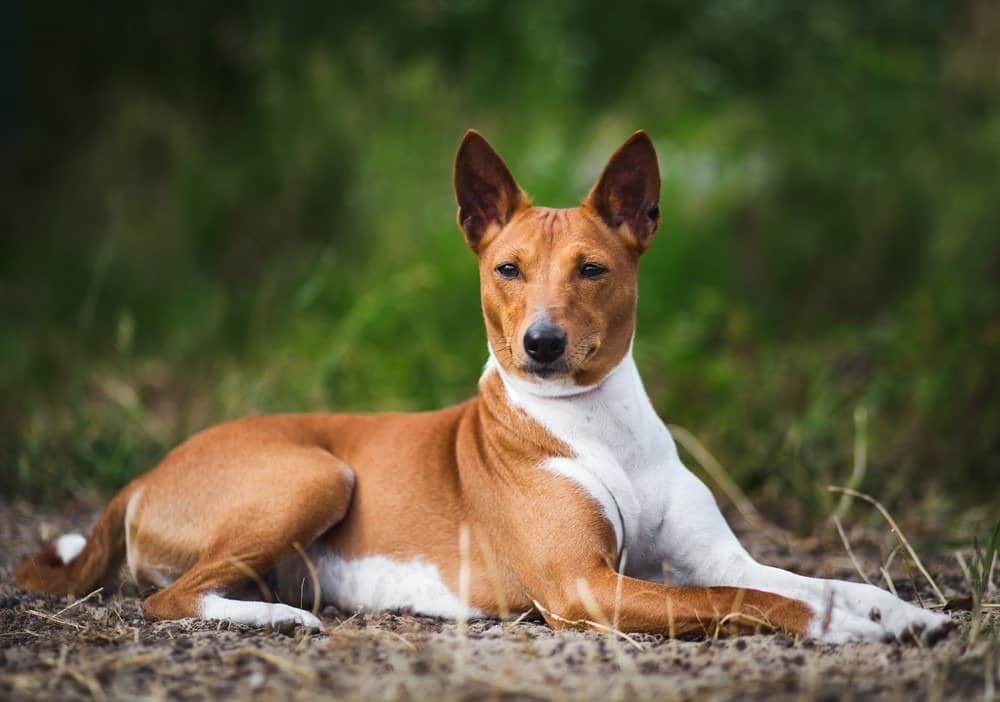
SaveThe Basenji is a clean small hound known for quiet barking habits and cat-like grooming. It is not silent, though. Basenjis are smart, curious, and independent. They suit older families that enjoy clever dogs and secure routines.
Basenjis have curled tails, pricked ears, and wrinkled brows. Their short coat stays neat.
Most people expect no sound. But Basenjis can yodel, whine, and complain with skill.
“Our Basenji never barks at the door. He yodels like he owns the house.”
— Olivia N., Basenji owner for 5 years
- Low shedding coat
- Clean house habits
- Smart and funny
- Can escape fences
- Stubborn with training
- Not toddler ideal
Best for: Older kids · Tidy homes · Experienced small-dog owners
→ Best dog breeds for families with allergies
How Do These Family Hound Dog Breeds Compare?
The easiest way to compare family hounds is by size, energy, noise, grooming, and child fit. Beagles are the best all-around pick. Basset Hounds are calmer. Whippets and Greyhounds are quiet indoors. Foxhounds and Ridgebacks need more space. Dachshunds and Basenjis need older, careful children.
Use this table as your first filter. Then meet the breed in real life before you decide.
You might be thinking a table cannot show personality. Here’s why it still helps. It removes poor matches fast.
When families shortlist 2 breeds before meeting dogs, choices get easier. That taught me to compare routine first.
| Breed | Size | Energy | Noise | Best Family Fit |
|---|---|---|---|---|
| Beagle | Small-medium | High | High | Most families |
| Basset Hound | Medium-heavy | Low-medium | Medium | Calm homes |
| Whippet | Medium | Medium | Low | Quiet homes |
| Dachshund | Small | Medium | High | Older kids |
| Greyhound | Large | Low-medium | Low | Calm families |
| American Foxhound | Large | High | High | Yard homes |
| PBGV | Small-medium | High | Medium-high | Playful homes |
| Bloodhound | Very large | Medium-high | Medium | Patient adults |
| Rhodesian Ridgeback | Large | High | Low-medium | Experienced homes |
| Basenji | Small-medium | Medium-high | Low bark | Older families |
This table should narrow your list. Next, match the dog to your exact home.
Which Hound Dog Breed Is Right for Your Family?
The right hound dog depends on your children’s ages, noise limits, pet setup, and daily exercise time. Choose Beagle for a balanced family fit. Choose Basset Hound for a slower pace. Choose Whippet or Greyhound for quiet indoor life. Choose Ridgeback or Foxhound only if your family is active and firm.
Most experts agree that lifestyle match beats breed fame. A popular breed can still fail in the wrong home.
You might be thinking your child will help every day. Here’s why adults must plan first. Kids love dogs, but parents own the routine.
If you want the safest first shortlist, compare Beagle, Basset Hound, and Whippet first.
- If you have young kids, start with Beagle or Basset Hound.
- If you live in an apartment, consider Whippet or Dachshund.
- If you have cats, avoid high-chase hounds first.
- If you hike often, consider Ridgeback or American Foxhound.
If your home includes cats, read our guide to dog breeds for families with cats.
When families choose a breed that fits their weakest day, life feels calmer. That choice prevents most regret.
What Care Needs Do Family Hound Dogs Share?
Family hounds need safe leashes, daily sniff time, steady training, and clear child rules. Scent hounds need nose work. Sight hounds need chase-safe spaces. Most hounds also need fences, ID tags, and patient recall work. These needs are normal, not flaws, when your family plans for them.
The good news is that hounds can become easier when you work with their nature. A sniff walk can tire a scent hound better than a rushed walk.
You might be thinking recall training will fix all off-leash risk. Here’s why that is risky. Hounds often choose scent or movement over your voice.
- Walk your hound on leash daily.
- Use scent games indoors.
- Teach kids calm touch.
- Feed by measured portions.
- Practice recall in fenced spaces.
For family safety, the AVMA dog safety advice says children need supervision around dogs.
If you are adopting, review the ASPCA adoption tips before you meet dogs.
When families set rules before the dog arrives, training starts clean. Next, let’s fix common myths.
What Most People Get Wrong About Hound Dog Breeds
Most people think hounds are either lazy couch dogs or wild hunting dogs. Both ideas are too simple. Hounds vary a lot. Some are calm indoors. Some need long walks. Some bark often. Some stay quiet. The real mistake is ignoring prey drive, nose focus, and sound level.
In other words, “hound” is not one personality. It is a working history shared by many types.
You might be thinking a sweet hound will ignore small pets. Here’s why that fails. Prey drive is instinct, not bad behavior.
When families understand scent and sight drive early, they stop fighting the dog. That makes training feel fair.
Never trust a new hound off leash near roads or wildlife.
Also, shedding still matters. If hair or dander is a concern, compare our dog breeds for families with allergies.
Now you know the myth. The next step is avoiding real owner mistakes.
What Mistakes Should New Hound Owners Avoid?
New hound owners should avoid off-leash trust, weak fences, poor child rules, and skipped scent work. These mistakes cause most stress. Hounds do best when families plan for instincts instead of trying to erase them. Give the dog safe outlets, clear rules, and calm daily structure.
Most experts agree that positive training works best for family dogs. Harsh methods can break trust and raise stress.
You might be thinking strict control is the answer. Here’s why balance matters. Hounds need guidance and allowed sniff time.
- Do not let kids climb, hug, or crowd the dog.
- Do not leave food near Beagles or Bassets.
- Do not trust fences without checking gaps.
- Do not skip ear checks on long-eared hounds.
- Do not pick by looks alone.
When families train small habits daily, big problems shrink fast. That is the real secret with hounds.
Pick Beagle for the safest family balance. Pick Basset for calm. Pick Whippet for quiet homes. Pick larger or stronger hounds only when adults can train, walk, and manage them daily.
Conclusion: Which Hound Dog Breed Should Your Family Choose First?
Start with the hound that fits your real week.
For most families, the Beagle is the safest first shortlist. For calmer homes, compare Basset Hound and Whippet.
One thing to do right now: write down your daily walk time. I’m Thomas Cutter, and that one note can save your family from the wrong match.
Frequently Asked Questions
Are hound dogs good family pets?
Yes, many hound dogs make great family pets when matched well. Beagles, Basset Hounds, Whippets, and Greyhounds often fit family life. The main needs are leash safety, patient training, and child supervision.
What is the best hound dog breed for kids?
The Beagle is the best hound dog breed for many kids. It is sturdy, playful, and social. Still, Beagles can be loud and food-focused, so families need clear rules and daily walks.
Are hound dogs hard to train?
Hound dogs can be harder to train off leash because scent and movement distract them. They are not dumb or bad. Use food rewards, short sessions, and safe practice areas for better results.
Which hound dog is best for apartments?
Whippets and some Dachshunds can suit apartments well. Greyhounds may also fit calm apartment homes. Noise rules matter, so avoid loud scent hounds if your walls are thin.
Do hound dogs get along with cats?
Some hounds can live with cats, but prey drive varies by dog. Slow introductions help, but supervision still matters. Sight hounds and strong chase breeds need extra care around small pets.

Thomas Cutter is a lifelong dog owner and the founder of FindOutAboutDogs.com. With over 10 years of hands-on experience owning multiple breeds, Thomas created this site to provide honest, research-based dog advice that real owners can actually trust.
