Best 10 Lazy Dog Breeds for Retirees (Calm, Low-Energy Companions for 2026)
Quick Answer
The best lazy dog breeds for retirees depend on your home and mobility, but the top picks are the Basset Hound, Bulldog, Cavalier King Charles Spaniel, Shih Tzu, Pug, French Bulldog, Greyhound, Maltese, Bichon Frise, and Havanese. Each needs only 20 to 45 minutes of daily activity, has a calm temperament, and is small or manageable enough for easy handling.
What to check before you choose:
- Match energy level to your own walking ability
- Check grooming needs against your time and budget
- Ask about breed-specific health costs before you commit
Quick tips for choosing well:
- Pick an adult dog, not a puppy, for an easier start
- Visit a breeder or shelter before you decide
- Ask about a trial fostering period first
Your knees ache a little more these days. Long walks sound nice in theory, but your body has other plans. You still want a dog curled up by your chair, though — something warm, loyal, and easy to live with.
I’m a longtime dog writer who has spent years researching breed temperament, talking to breeders, and comparing notes with veterinarians on what actually works for older owners. The short answer: you don’t need to give up on dog ownership just because your energy has changed. You just need the right breed.
This guide covers ten calm, low-maintenance breeds that fit a slower pace of life. You’ll also get a side-by-side comparison table, a decision guide based on your living situation, and honest answers on care and cost. Let’s find your match.
- Low-energy breeds need 20 to 45 minutes of activity a day, not hours
- Size matters as much as energy — smaller dogs are easier to lift, carry, and transport
- Some calm breeds (Bulldog, Pug, French Bulldog) carry higher vet costs, so budget for that
- Adopting an adult dog is usually easier than raising a puppy
- The “right” breed depends on your home, mobility, and how much grooming you want to do

What Makes a Dog Breed “Lazy” or Low-Energy?
A low-energy dog needs less daily exercise, settles quickly indoors, and doesn’t demand hours of play to stay calm. Most lazy breeds need just 20 to 45 minutes of activity a day, split into short walks. That’s very different from a working breed, which can need two or more hours of structured exercise before it settles down.
Low energy doesn’t mean the dog is dull or unhealthy. It usually means the breed was built for companionship, not for herding, hunting, or running. Basset Hounds, Bulldogs, and Cavalier King Charles Spaniels are good examples — dogs bred over centuries to sit close to their people, not chase across a field.
You might be thinking a lazy dog sounds like a lazy owner’s excuse. Here’s why that’s not true: matching a dog’s energy to your own is simply responsible ownership. A bored, under-exercised working breed becomes anxious and destructive. A calm breed in a calm home is a good match for everyone, including the dog.
So what does that mean for you? If your days involve short walks, reading, and quiet evenings, a low-energy breed will thrive right alongside you — not despite your slower pace, but because of it.
What Most People Get Wrong About Lazy Dog Breeds
Many people assume a “lazy” breed means zero exercise and zero training. That’s a mistake. Every dog, even a Bulldog or Pug, needs a short daily walk and basic house training. Skipping exercise entirely leads to weight gain, which makes joint and breathing problems worse in these breeds.
Another common mix-up: people confuse “low energy” with “low maintenance” across the board. A Shih Tzu has low exercise needs but high grooming needs. A Greyhound has low grooming needs but needs more space to stretch its legs. Low energy is just one factor — you have to look at the whole picture.
The 10 Best Lazy Dog Breeds for Retirees — Ranked and Reviewed
Every breed below made this list because it combines low exercise needs, a calm temperament, and manageable size or handling. Veterinarians and breed clubs consistently recommend these dogs for older owners, and each one below has been cross-checked against current AKC breed standards. Here’s the full breakdown.
1. Basset Hound — “The Professional Napper”
 Save
Save| Weight | 40 to 65 lbs |
| Height | Up to 15 inches |
| Lifespan | 12 to 13 years |
| Energy Level | Very low |
| Grooming Need | Low, weekly brushing |
| Shedding | Moderate |
The Basset Hound is a short-legged scent hound known for its slow, unhurried pace and gentle disposition. Weighing 40 to 65 lbs, it’s a sturdy dog that isn’t easily rattled. Its calm, affectionate nature makes it ideal for retirees who enjoy a leisurely daily stroll rather than a brisk workout.
Their long ears and droopy eyes give them an instantly recognizable, soulful look. That heavy bone structure means they move at their own pace, not yours.
Basset Hounds are famous nappers, often sleeping most of the day. But don’t be fooled — put them on a scent trail and that lazy image disappears fast.
- Very low exercise needs
- Rarely aggressive or reactive
- Gentle with grandchildren and other pets
- Heavy body, hard to lift if injured
- Prone to ear infections
- Can be stubborn during training
Best for: Retirees with a yard · Owners who enjoy slow neighborhood walks · Multi-pet homes
→ More low-key dog breeds for retirees like the Basset Hound
2. Bulldog — “The Original Couch Companion”
| Weight | 40 to 50 lbs |
| Height | 14 to 15 inches |
| Lifespan | 8 to 10 years |
| Energy Level | Very low |
| Grooming Need | Low, plus wrinkle cleaning |
| Shedding | Moderate |
The Bulldog is among the calmest, least physically demanding dog breeds you can own. It weighs 40 to 50 lbs and has a short, easy-care coat. Bulldogs are gentle, affectionate, and content to spend most of the day resting beside you, which makes them a natural fit for a slow-paced retirement lifestyle.
Their loose, wrinkled skin and stocky build give them a tough look that hides a surprisingly soft nature. Most Bulldogs would rather sit next to you than run laps around the yard.
People expect Bulldogs to be lazy, and they are. What catches new owners off guard is how much they snore, grunt, and drool while they nap.
Bulldogs overheat easily and struggle to breathe in hot, humid weather. Keep walks short and stick to cooler parts of the day.
- Among the lowest exercise needs of any breed
- Rarely barks excessively
- Loyal and affectionate with owners
- Shorter lifespan than most small breeds
- Breathing problems in heat and humidity
- Higher veterinary costs over a lifetime
Best for: Owners who want the calmest possible routine · Apartment dwellers · Retirees who prefer indoor time
3. Cavalier King Charles Spaniel — “The Gentle Shadow”
 Save
Save| Weight | 13 to 18 lbs |
| Height | 12 to 13 inches |
| Lifespan | 12 to 15 years |
| Energy Level | Low to moderate |
| Grooming Need | Moderate, regular brushing |
| Shedding | Moderate |
The Cavalier King Charles Spaniel is a small, affectionate lap dog weighing 13 to 18 lbs. It’s widely considered the single most recommended breed for seniors because of its gentle temperament and easy trainability. Cavaliers thrive on close companionship and adapt well to quiet homes with light daily walks.
Their silky, feathered coat and large, expressive eyes give them a soft, elegant look. They were literally bred to sit on royal laps.
Everyone expects a lap dog to be needy. What’s less obvious is how well Cavaliers read your mood and match their energy to yours.
- Gentle on-leash, rarely pulls
- Friendly with strangers and other pets
- Easy to train with positive reinforcement
- Prone to heart issues later in life
- Needs regular coat brushing
- Can develop separation anxiety
Best for: First-time senior dog owners · Retirees who want close companionship · Smaller apartments
→ Best small dog breeds for retirees, including the Cavalier
4. Shih Tzu — “The Palace Lap Dog”
| Weight | 9 to 16 lbs |
| Height | 9 to 10.5 inches |
| Lifespan | 10 to 16 years |
| Energy Level | Low |
| Grooming Need | High, daily brushing |
| Shedding | Low |
The Shih Tzu is a small companion breed weighing just 9 to 16 lbs, originally bred as a palace lap dog. It has minimal exercise needs and a friendly, easygoing personality. Its long, flowing coat needs daily care, but a short “puppy cut” trim can cut that grooming time down significantly.
Their round faces and long, flowing coats give them a dignified, almost regal look. Underneath the fancy coat is a sturdy little dog built for indoor life.
Shih Tzus look delicate, but they’re surprisingly hardy for their size. Many owners are surprised by how confidently they’ll stand up to much larger dogs.
- Very light and easy to handle physically
- Adapts well to apartment living
- Long lifespan for a small breed
- Coat mats quickly without daily brushing
- Flat face means heat sensitivity
- Professional grooming adds ongoing cost
Best for: Owners willing to commit to grooming · Small apartments · Retirees who want a devoted shadow
5. Pug — “The Comedian Who Naps”
| Weight | 14 to 18 lbs |
| Height | 10 to 13 inches |
| Lifespan | 13 to 15 years |
| Energy Level | Low |
| Grooming Need | Low, plus wrinkle care |
| Shedding | High |
The Pug is a small, muscular companion breed weighing 14 to 18 lbs, with an easygoing and affectionate temperament. Pugs need only a short walk and a good couch session to feel content. Their playful, comic personality makes them one of the most popular low-mobility-demand breeds for seniors.
Their wrinkled faces and big, round eyes give them a permanently curious expression. That stocky little body was built for lounging, not sprinting.
People expect Pugs to be goofy, and they are. What surprises new owners is how loudly they snore, snort, and wheeze, even wide awake.
- Minimal mobility demand, content indoors
- Easy to carry due to compact size
- Friendly with almost everyone
- Heat sensitive due to flat face
- Sheds more than the coat length suggests
- Prone to weight gain if overfed
Best for: Seniors with limited mobility · Owners who want a comic companion · Indoor-focused households
6. French Bulldog — “The Quiet Roommate”
| Weight | 16 to 28 lbs |
| Height | 11 to 13 inches |
| Lifespan | 10 to 14 years |
| Energy Level | Low |
| Grooming Need | Low |
| Shedding | Low to moderate |
The French Bulldog is a compact, quiet breed weighing 16 to 28 lbs, known for its calm indoor temperament and low exercise needs. Short daily walks and indoor relaxation are usually enough to keep a Frenchie happy. Its small size makes it easy to carry, ideal for retirees who travel or live in smaller homes.
Their large “bat ears” and short, smooth coat give them a distinctive, almost cartoonish look. That compact frame fits easily into small living spaces.
Everyone expects a Frenchie to be low-key indoors. Fewer people expect just how much personality shows up in their expressive, almost human-like faces.
- Small enough to carry through airports
- Rarely barks, good for close neighbors
- Very affectionate with owners
- Breathing issues in heat, common to flat faces
- Often can’t fly as cargo due to airline rules
- Higher purchase and vet costs
Best for: Frequent travelers · Apartment dwellers · Owners who want a quiet, low-bark dog
→ Best calm dog breeds for apartments, featuring the French Bulldog
7. Greyhound — “The Retired Racer Turned Couch Potato”
| Weight | 60 to 88 lbs |
| Height | 27 to 30 inches |
| Lifespan | 10 to 13 years |
| Energy Level | Low indoors |
| Grooming Need | Very low |
| Shedding | Low |
The Greyhound is a tall, lean breed weighing 60 to 88 lbs, famous for sleeping most of the day despite its racing background. Retired racers especially are calm, gentle, and content lounging on a soft bed. Their short coat means grooming takes just a few minutes a week, unusual for a large dog.
Their sleek, aerodynamic frame and deep chest were built for speed, not for slow apartment hallways. Even so, most Greyhounds settle into calm, catlike stillness indoors.
People assume a former racer needs constant exercise. In reality, most retired Greyhounds are happiest sunbathing by a window for hours at a stretch.
Adopting a retired racing Greyhound through a breed rescue often means the dog is already house-trained and calm around people.
- Minimal shedding and grooming
- Calm, quiet indoor temperament
- Gentle and affectionate with owners
- Large size can be hard to manage on-leash
- Thin coat means it feels cold easily
- Needs a secure yard, prone to chasing
Best for: Retirees with a fenced yard · Owners who want a large but calm dog · Low-shedding preference
8. Maltese — “The Featherweight Companion”
 Save
Save| Weight | 4 to 7 lbs |
| Height | 7 to 9 inches |
| Lifespan | 12 to 15 years |
| Energy Level | Low |
| Grooming Need | High, daily brushing |
| Shedding | Very low |
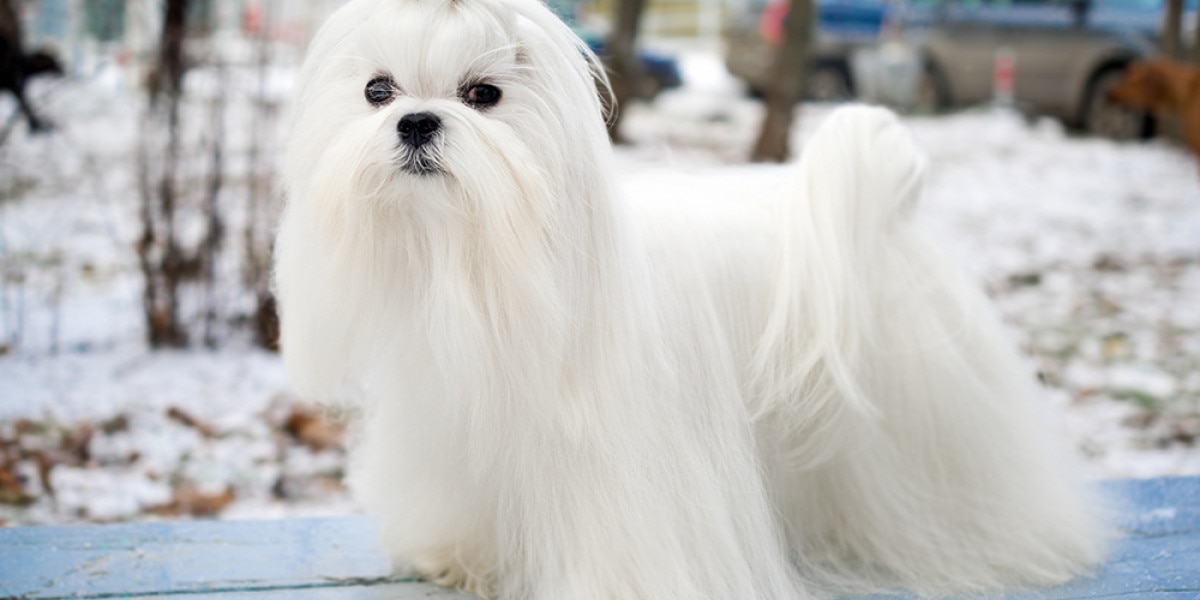
The Maltese is a tiny toy breed weighing just 4 to 7 lbs, prized for its calm demeanor and devoted personality. It’s content with short walks and plenty of quiet lap time. Its long, silky white coat sheds very little, though it needs regular brushing to prevent tangles.
Their flowing white coat and dark, round eyes give them an elegant, almost doll-like appearance. That tiny frame makes them easy to carry anywhere.
People expect a toy breed to be fragile. What’s less expected is how confidently a Maltese will stand its ground with dogs many times its size.
- Extremely portable and lightweight
- Low shedding, good for light allergies
- Long lifespan for a companion breed
- Coat mats fast without daily care
- Fragile bones, risk from falls or missteps
- Can be prone to separation anxiety
Best for: Frequent travelers · Owners who want a lap dog · Households without toddlers underfoot
9. Bichon Frise — “The Cheerful Cotton Ball”
| Weight | 12 to 18 lbs |
| Height | 9.5 to 11.5 inches |
| Lifespan | 14 to 15 years |
| Energy Level | Low to moderate |
| Grooming Need | High, regular trims |
| Shedding | Very low |
The Bichon Frise is a cheerful, low-shedding toy breed weighing 12 to 18 lbs. It’s adaptable to any home size and adjusts its energy to match its owner’s pace. Short daily walks and indoor play are usually enough, and its curly coat sheds very little, making it a common pick for sensitive noses.
Their round, powder-puff coat and dark button eyes give them a soft, cloud-like look. Underneath that fluff is a sturdy, well-balanced little body.
People expect a fluffy toy breed to be high-strung. Instead, most Bichons greet new people and pets with genuine, easy warmth.
- Very low shedding, good for allergies
- Cheerful and social with strangers
- Adapts well to any home size
- Grooming costs add up over time
- Coat needs trims every 4 to 6 weeks
- Can bark at visitors if under-socialized
Best for: Owners with mild dog allergies · Social retirees who welcome visitors · Small living spaces
→ Top calm dog breeds for apartments, including the Bichon Frise
10. Havanese — “The Adaptable Companion”
| Weight | 7 to 13 lbs |
| Height | 8.5 to 11.5 inches |
| Lifespan | 14 to 16 years |
| Energy Level | Low to moderate |
| Grooming Need | Moderate to high |
| Shedding | Low |
The Havanese is a sturdy toy breed weighing 7 to 13 lbs, known for its adaptability and gentle nature with people of all ages. It’s just as happy playing indoors as it is on a short walk, so its exercise needs flex around limited mobility. Its long lifespan means a Havanese adopted in your 60s can stay with you well into your late 70s.
Their silky, wavy coat can be worn long or clipped short for easier care. That flexible coat length lets you choose your own grooming workload.
People expect a small companion breed to be fragile and skittish. Havanese are actually one of the more trainable, food-motivated toy breeds around.
- Exceptionally long lifespan for a small dog
- Highly trainable and eager to please
- Gentle with people of all ages
- Long coat mats if not brushed regularly
- Bonds closely, doesn’t like being left alone
- Can be harder to find from local breeders
Best for: Owners wanting a long-term companion · Retirees with limited mobility · First-time small-dog owners
→ More easy-going dog breeds similar to the Havanese
How Do These 10 Lazy Dog Breeds Compare Side by Side?
Here’s the full lineup at a glance. Use this table to compare weight, energy, and grooming needs before you narrow down your choice. Weight and height ranges come from AKC breed standards, so they reflect typical adult size, not extremes.
| Breed | Weight | Energy | Grooming | Lifespan |
|---|---|---|---|---|
| Basset Hound | 40–65 lbs | Very low | Low | 12–13 yrs |
| Bulldog | 40–50 lbs | Very low | Low | 8–10 yrs |
| Cavalier King Charles Spaniel | 13–18 lbs | Low–moderate | Moderate | 12–15 yrs |
| Shih Tzu | 9–16 lbs | Low | High | 10–16 yrs |
| Pug | 14–18 lbs | Low | Low | 13–15 yrs |
| French Bulldog | 16–28 lbs | Low | Low | 10–14 yrs |
| Greyhound | 60–88 lbs | Low indoors | Very low | 10–13 yrs |
| Maltese | 4–7 lbs | Low | High | 12–15 yrs |
| Bichon Frise | 12–18 lbs | Low–moderate | High | 14–15 yrs |
| Havanese | 7–13 lbs | Low–moderate | Moderate–high | 14–16 yrs |
Which Lazy Dog Breed Is Right for You?
Your best match depends less on which breed is “cutest” and more on your living space, mobility, and how much grooming you’re willing to do. Here’s a quick decision guide based on real retirement lifestyles, so you can skip the guesswork and go straight to a shortlist.
- If you live in a small apartment and want almost no barking → the French Bulldog or Bulldog is best for you.
- If you have some mobility limits and want the lightest possible dog to lift and carry → the Maltese or Havanese will serve you better.
- If you have mild allergies but still want a fluffy companion → consider the Bichon Frise first.
- If you want a large dog without the large exercise demands → the Greyhound is worth a serious look.
- If you enjoy slow, unhurried walks and have space for a bigger dog → the Basset Hound fits naturally.
What Should Every New Lazy-Breed Owner Know About Care?
Even the calmest dog still needs consistent basics: a short daily walk, regular vet visits, dental care, and a diet matched to a low-activity lifestyle. Low-energy breeds burn fewer calories, so it’s easy to overfeed them without noticing. Most experts agree that measuring food rather than free-feeding is the single best habit for keeping a calm breed at a healthy weight.
Brachycephalic, or flat-faced, breeds like the Bulldog, Pug, and French Bulldog need extra care in heat and humidity. Walk them in the early morning or evening, and never leave them in a parked car, even briefly. Their airways can’t cool the body as efficiently as a longer-nosed dog’s.
Coated breeds like the Shih Tzu, Maltese, Bichon Frise, and Havanese need brushing several times a week at minimum, and a professional groomer every 4 to 6 weeks if you keep the coat long. Budget for this before you bring a dog home, not after.
What Mistakes Do New Owners of Lazy Dog Breeds Make?
The most common mistake is skipping exercise entirely because the breed is labeled “low energy.” Even five minutes of walking twice a day helps joints, digestion, and mental health. A completely sedentary dog gains weight fast, and extra weight is especially hard on short-legged or flat-faced breeds.
The second mistake is underestimating grooming costs. A Shih Tzu or Bichon Frise with a long coat can need professional grooming every month, which adds up over a dog’s 12 to 15 year lifespan. Ask a groomer for a price estimate before you choose a high-maintenance coat.
The third mistake is choosing a puppy instead of an adult or senior dog. Puppies of any breed have bursts of energy and need more supervision and training time. An adult dog, especially one from a rescue, is often already calm and house-trained, which fits a retirement lifestyle far better.
This Article’s Scope
This guide covers general breed temperament and care for retirees seeking a calm, low-exercise companion. If you have a specific health condition, limited grip strength, or a fixed income that affects vet costs, talk to a veterinarian or a breed-specific rescue group before you choose. Individual dogs within any breed can vary from the breed standard.
One Thing to Do Right Now
Pick your top two breeds from this list, then contact a local rescue group for each one. Ask about available adult dogs and schedule a short visit. That single step will tell you more about fit than any article, including this one.
Frequently Asked Questions
What is the laziest dog breed for a retiree?
The Bulldog and Basset Hound are widely considered among the laziest breeds, both content with short walks and long naps. Both still need daily movement to avoid weight gain, so “lazy” doesn’t mean zero activity.
What small dog breed is best for elderly owners with limited mobility?
The Maltese, Havanese, and Pug are strong choices for limited mobility because they’re light enough to lift and carry, and none need more than a short daily walk to stay content.
Are low-energy dog breeds more expensive to care for?
Some are. Flat-faced breeds like the Bulldog, Pug, and French Bulldog often have higher vet bills due to breathing and joint issues, while breeds like the Basset Hound and Greyhound tend to have lower ongoing health costs.
Should retirees adopt a puppy or an adult dog?
Most experts recommend an adult or senior dog for retirees. Adult dogs are usually calmer, already house-trained, and require far less supervision than a puppy going through its energetic early months.
Do lazy dog breeds still need daily walks?
Yes. Even the calmest breeds need 15 to 30 minutes of daily activity to maintain a healthy weight and joint health. Skipping exercise entirely leads to obesity, which shortens lifespan in every breed.
Thomas Cutter is a lifelong dog owner and the founder of FindOutAboutDogs.com. With over 10 years of hands-on experience owning multiple breeds, Thomas created this site to provide honest, research-based dog advice that real owners can actually trust.
