10 Best Yellow Color Dog Breeds — Warm-Coated Breeds Compared
Quick Answer
The best yellow color dog breeds include yellow Labradors, Golden Retrievers, and cream Chow Chows. Fawn Great Danes and Boxers also offer warm yellow tones. Your best match depends on size, energy, grooming needs, and training experience.
How these yellow dog breeds compare:
| Breed | Yellow Shade |
|---|---|
| Labrador Retriever | Cream to fox-red yellow |
| Golden Retriever | Cream to rich gold |
| Chow Chow | Cream to pale gold |
| Great Dane | Yellow-gold fawn |
Choose your yellow dog based on lifestyle:
- Choose a Labrador for active family life.
- Choose a Pomeranian for smaller homes.
- Choose a Chow for a calmer household.
- Choose a Malinois only for demanding daily work.
Sunlight hits a golden coat and makes the whole dog seem to glow. These warm coats can range from pale cream to deep honey.
I’m Thomas Cutter. I focus on practical breed choices beyond looks alone. A beautiful coat matters less if the dog’s needs clash with yours.
Also, “yellow” isn’t one official color across every breed. Kennel standards may call these shades gold, cream, fawn, or wheaten.
For easier breeds, see these best dog breeds for beginners. Now let’s narrow your warm-coated choices.
- Yellow coats include cream, gold, fawn, and wheaten shades.
- Labradors offer the clearest official yellow color.
- Coat color doesn’t predict a dog’s personality.
- Energy and grooming needs matter more than shade.
- Some yellow-looking breeds need experienced owners.


What Makes a Dog Breed Yellow or Golden?
A yellow-looking dog can carry several official coat-color names. Labrador standards use yellow as an actual color. Other breeds use gold, cream, fawn, buff, deadgrass, or wheaten. Those terms can describe coats that look yellow to most people. Shade alone doesn’t create a breed type. It also doesn’t set temperament or exercise needs. Two yellow dogs may require completely different homes. A Labrador often wants constant games and outdoor activity. A Chow Chow tends to act more reserved and independent. Coat length also changes how each shade looks. Long fur can make cream colors look soft and pale. Short fawn coats often look warmer in direct sunlight. Start with lifestyle needs before choosing your favorite shade. Then compare accepted colors within breeds you can handle. That approach gives you both the look and companionship you want.
The American Kennel Club breed directory lists accepted colors and basic breed traits.
When I compare coat colors, lighting often changes the shade. That taught me to check breed standards first.
You might think every golden dog counts as yellow. Here’s why the wording matters. Official color names differ widely between breed standards.
Choose temperament first. Pick your preferred yellow shade second.
Which Are the 10 Best Yellow Color Dog Breeds?
The best yellow color dog breeds cover almost every size and lifestyle. Yellow Labradors suit active families and outdoor owners. Golden Retrievers combine rich coats with eager, social behavior. Cream Pomeranians bring warm color into a tiny companion. Chow Chows offer dense cream coats with more independent behavior. Great Danes and Boxers can wear striking fawn coats. Belgian Malinois also appear fawn but demand serious work. Rhodesian Ridgebacks bring sleek wheaten shades and athletic strength. Chesapeake Bay Retrievers can wear pale deadgrass coats. Buff Cocker Spaniels give smaller homes another golden option. No breed wins based on color alone. Each choice carries different exercise, grooming, training, and space needs. Compare those needs before choosing your favorite shade. The right yellow dog should fit your daily routine first.
1. Labrador Retriever — Yellow Dog Breed for Active Families
 Save
SaveActive families · First-time owners · Outdoor homes
| Weight | 55–80 pounds |
| Height | 21.5–24.5 inches |
| Lifespan | 11–13 years |
| Energy Level | High |
| Grooming Need | Weekly brushing |
| Shedding | Heavy |
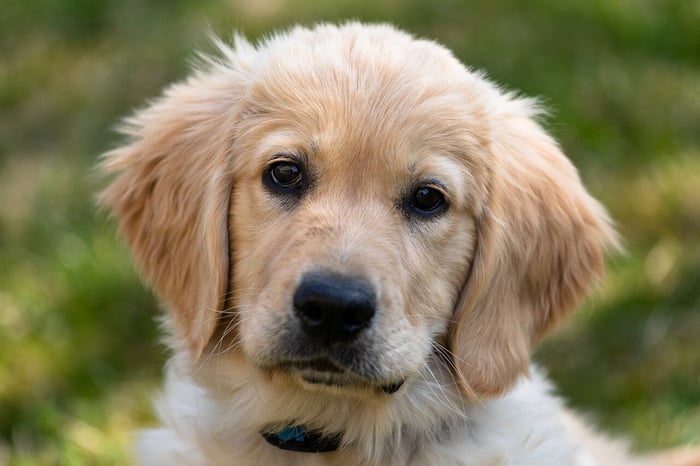
The Labrador Retriever is the clearest true yellow dog breed on this list. Yellow coats range from pale cream to deep fox-red tones. Labs have powerful bodies and short water-resistant coats. Their social, eager nature suits active families and first-time owners. They need exercise, training, and close daily contact.
Yellow Labs have broad heads, kind eyes, and thick tails. Their dense coat often shines strongly in sunlight.
Labs usually chase games with endless enthusiasm. They also turn boredom into chewing with impressive speed.
“Our Lab brings a ball whenever anyone enters the yard. Work ends when fetch begins.”
— Composite Labrador owner note
- Highly trainable with food rewards
- Excellent outdoor family companion
- Short coat needs simple grooming
- Sheds heavily through the year
- Needs strong daily exercise
- Young Labs chew aggressively
2. Golden Retriever — Golden Yellow Dog for Social Homes
Families · Social owners · Training beginners
| Weight | 55–75 pounds |
| Height | 21.5–24 inches |
| Lifespan | 10–12 years |
| Energy Level | High |
| Grooming Need | Brush several times weekly |
| Shedding | Heavy and seasonal |
The Golden Retriever brings the classic flowing gold coat many people want. Shades range from light cream through rich golden tones. Adults weigh about 55 to 75 pounds. Goldens seek human contact and learn well with kind training. They fit active homes that accept regular brushing and shedding.
The feathered coat frames the chest, legs, and tail. Darker gold often looks almost amber outdoors.
Goldens love shared tasks and carrying objects. Many will follow family members between rooms all day.
“Our Golden carries one slipper around nightly. He never damages it.”
— Composite Golden Retriever owner note
- Responds well to gentle training
- Usually enjoys family activity
- Beautiful range of gold shades
- Heavy seasonal coat shedding
- Needs frequent coat brushing
- Young dogs need much exercise
3. Chow Chow — Cream Yellow Dog With Lion-Like Fur
| Weight | 45–70 pounds |
| Height | 17–20 inches |
| Lifespan | 8–12 years |
| Energy Level | Moderate |
| Grooming Need | Several brushings weekly |
| Shedding | Heavy seasonal shedding |
Cream Chow Chows can look pale yellow beneath warm natural light. Their thick coats form a strong mane around the head. Adults stand 17 to 20 inches tall. Chows act more independent than most retrievers. They suit calm owners who value structure and early social training.
The rough coat creates a square, lion-like outline. Cream coats can range from ivory to warm biscuit.
Chows often prefer quiet observation over constant games. Their reserved style surprises owners expecting a cuddly retriever.
“Our Chow watches visitors before approaching. He never rushes into a greeting.”
— Composite Chow Chow owner note
- Needs less frantic daily exercise
- Distinct cream lion-like coat
- Often calm inside homes
- Requires early social training
- Dense coat needs regular work
- Can act distant with strangers
4. Pomeranian — Tiny Cream and Golden Yellow Companion
| Weight | 3–7 pounds |
| Height | 6–7 inches |
| Lifespan | 12–16 years |
| Energy Level | Moderate |
| Grooming Need | Brush several times weekly |
| Shedding | Moderate |
Cream and orange Pomeranians often create a bright yellow-gold look. These toy dogs weigh only 3 to 7 pounds. Their thick double coat gives them far more visual size. Poms stay alert, active, and curious around home. They suit owners wanting a small but lively companion.
A thick neck ruff surrounds the Pom’s fox-like face. Cream coats can appear almost buttery under warm light.
Pomeranians often act much larger than their bodies suggest. Many alert owners to every hallway sound.
“Our Pom patrols every window like a guard dog. She weighs barely six pounds.”
— Composite Pomeranian owner note
- Fits easily into small homes
- Long expected lifespan
- Several warm cream shades
- Can bark at small sounds
- Coat tangles without brushing
- Tiny body needs careful handling
5. Great Dane — Giant Fawn Dog With Yellow-Gold Color
 Save
Save| Weight | 110–175 pounds |
| Height | 28–32 inches |
| Lifespan | 7–10 years |
| Energy Level | Moderate |
| Grooming Need | Weekly brushing |
| Shedding | Moderate |
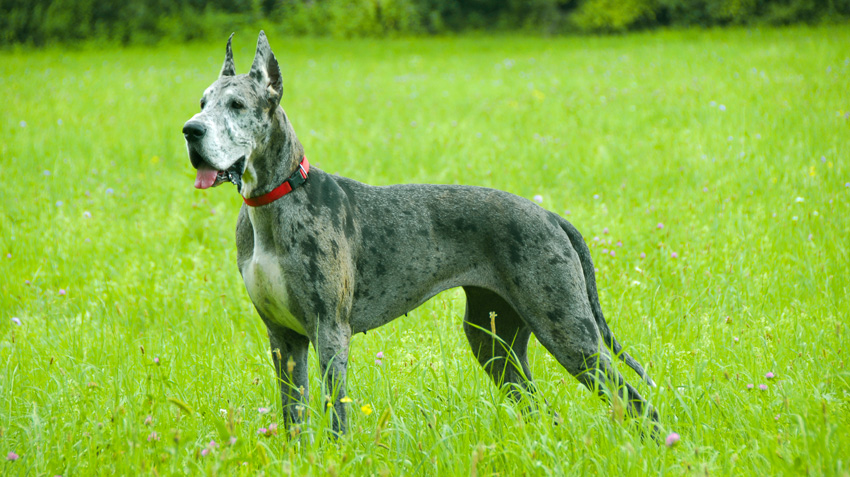
Fawn Great Danes carry a warm yellow-gold coat with darker facial shading. Their huge bodies can reach 175 pounds in males. The short coat stays easier to groom than long fur. Danes often enjoy staying close to their people. Their size demands space, training, and careful budgeting.
The smooth fawn coat makes every muscle easy to see. Their scale remains the breed’s most striking feature.
Danes often seek physical closeness despite their size. Some still attempt to become lap dogs.
“Our Dane leans against everyone he trusts. You feel all 140 pounds.”
— Composite Great Dane owner note
- Striking golden fawn coat
- Short coat brushes easily
- Often settles calmly indoors
- Food costs stay high
- Short average lifespan
- Huge body needs space
6. Boxer — Playful Fawn Yellow Dog for Active Homes
| Weight | About 50–80 pounds |
| Height | 21.5–25 inches |
| Lifespan | 10–12 years |
| Energy Level | High |
| Grooming Need | Weekly brushing |
| Shedding | Low to moderate |
Fawn Boxers can show bright tan, honey, or golden-yellow tones. Their short coat makes color easy to see. Adults have strong, athletic bodies and expressive faces. Boxers often keep a playful style well into adulthood. They suit active homes that enjoy training and physical games.
The square muzzle contrasts strongly against the warm fawn body. White markings can brighten the chest and feet.
Boxers often greet life with full-body enthusiasm. Calm behavior usually improves with age and steady training.
“Our Boxer wiggles before every walk. His whole back end joins the greeting.”
— Composite Boxer owner note
- Simple short-coat grooming
- Playful with active families
- Strong training potential
- Young dogs jump often
- Needs steady daily exercise
- Heat needs careful management
7. Belgian Malinois — Fawn Yellow Working Dog
| Weight | 40–80 pounds |
| Height | 22–26 inches |
| Lifespan | 14–16 years |
| Energy Level | Very high |
| Grooming Need | Weekly brushing |
| Shedding | Moderate and seasonal |
Belgian Malinois often have warm fawn coats with dark facial masks. Their coat may look yellow, tan, or mahogany outdoors. These dogs combine speed with intense focus and drive. Their long lifespan adds a major commitment. They suit skilled handlers who provide demanding work every day.
The Malinois has a lean body and sharp upright ears. Dark hair often overlays the warm fawn coat.
Malinois learn tasks with startling speed. They can also invent unwanted jobs when bored.
“A normal walk barely touches his energy. Training games make the real difference.”
— Composite Belgian Malinois owner note
- Learns complex tasks quickly
- Long typical lifespan
- Strong bond with handler
- Needs demanding daily work
- Poor match for beginners
- Boredom creates serious problems
Don’t choose a Malinois mainly because you like its coat.
8. Rhodesian Ridgeback — Sleek Wheaten Yellow Hound
| Weight | 70–85 pounds |
| Height | 24–27 inches |
| Lifespan | 10–12 years |
| Energy Level | High |
| Grooming Need | Weekly brushing |
| Shedding | Low to moderate |
Rhodesian Ridgebacks wear light to reddish wheaten coats with warm yellow undertones. Their trademark back ridge grows opposite the surrounding hair. Adults reach about 70 to 85 pounds. Ridgebacks combine athletic strength with independent judgment. They suit confident owners who provide training, exercise, and secure outdoor spaces.
The short wheaten coat stays sleek against a muscular frame. The raised back ridge gives instant breed identity.
Ridgebacks can act calm indoors after enough exercise. Outside, their hound instincts can become much stronger.
“Our Ridgeback naps after a long run. Skip exercise and she notices fast.”
— Composite Rhodesian Ridgeback owner note
- Easy short-coat grooming
- Athletic outdoor companion
- Distinct warm wheaten color
- Independent during training
- Needs secure outdoor control
- Strong exercise needs
9. Chesapeake Bay Retriever — Pale Deadgrass Yellow Retriever
| Weight | 55–80 pounds |
| Height | 21–26 inches |
| Lifespan | 10–13 years |
| Energy Level | High |
| Grooming Need | Weekly brushing |
| Shedding | Moderate and seasonal |
The Chesapeake Bay Retriever can carry an unusual pale deadgrass coat. Some shades resemble dry straw or muted yellow. Chessies are powerful water retrievers with dense weather-resistant coats. They often show more independence than Labradors. They suit active owners who enjoy structured training and outdoor work.
The coat has a slightly wavy, practical texture. Pale deadgrass shades blend naturally with fields and shorelines.
Chessies often take work seriously. Their focused nature can feel less carefree than a Lab’s.
“Water changes his whole posture. He sees a lake and becomes all business.”
— Composite Chesapeake Bay Retriever owner note
- Strong cold-water working ability
- Unique straw-yellow shade
- Dense weather-ready coat
- Needs strong daily exercise
- Can challenge new handlers
- Seasonal coat shedding increases
10. Cocker Spaniel — Buff Yellow Dog for Smaller Homes
 Save
Save| Weight | 20–30 pounds |
| Height | 13.5–15.5 inches |
| Lifespan | 10–14 years |
| Energy Level | Moderate |
| Grooming Need | Frequent brushing |
| Shedding | Moderate |
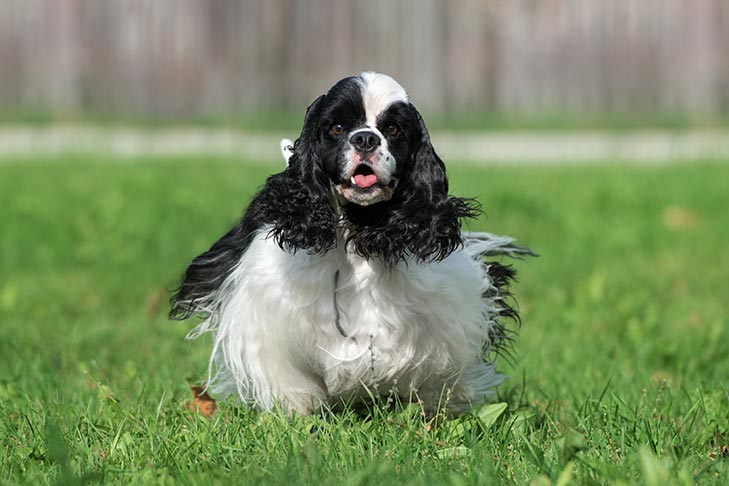
Buff Cocker Spaniels bring a soft yellow-gold look into a smaller frame. Adults usually weigh only 20 to 30 pounds. Their long ears and feathered coat need regular grooming. Cockers tend to enjoy play and close companionship. They suit owners wanting warmth, softness, and manageable size.
Buff coats can range from pale cream to richer honey. Long ears frame the breed’s large, dark eyes.
Cockers often move with cheerful energy. Their coat demands more work than their small size suggests.
“Her ears need constant checks. Yet they also make every greeting impossible to resist.”
— Composite Cocker Spaniel owner note
- Manageable medium-small size
- Soft golden buff shades
- Enjoys close human company
- Coat needs frequent grooming
- Ears need regular checks
- Can dislike long isolation
How Do These Yellow Dog Breeds Compare?
Yellow dog breeds differ far more in lifestyle needs than coat appearance. Pomeranians sit at the tiny end of this group. Great Danes reach more than 100 pounds with ease. Labradors, Goldens, and Chessies need active homes. Belgian Malinois demand even more daily work and training. Chow Chows often prefer calmer routines. Cocker Spaniels offer a smaller middle ground but need coat care. Short-haired Boxers and Ridgebacks simplify grooming. However, both still need regular exercise. Lifespan also changes sharply by breed. Pomeranians may live well into their teens. Great Danes usually have much shorter lives. Shedding ranges from manageable to heavy. Golden Retrievers and Chow Chows can leave plenty of fur behind. Compare your time, space, and activity before coat shade. That choice will shape daily life much more than color.
| Breed | Size | Energy | Grooming | Best Match |
|---|---|---|---|---|
| Labrador | Large | High | Low | Active family |
| Golden Retriever | Large | High | High | Social family |
| Chow Chow | Medium | Moderate | High | Calm owner |
| Pomeranian | Toy | Moderate | High | Small home |
| Great Dane | Giant | Moderate | Low | Spacious home |
| Boxer | Large | High | Low | Active home |
| Malinois | Large | Very high | Low | Expert handler |
| Ridgeback | Large | High | Low | Active adult |
| Chesapeake | Large | High | Moderate | Outdoor owner |
| Cocker Spaniel | Small-medium | Moderate | High | Companion home |
Which Yellow Dog Breed Is Right for You?
Your ideal yellow dog depends on what daily life looks like. Choose a Labrador when you want an outgoing outdoor companion. Choose a Golden when grooming doesn’t bother you. Pomeranians suit smaller homes where giant dogs won’t fit. Cockers also work when you want manageable size. Choose a Chow when you respect independent behavior. Consider Great Danes only when giant-breed costs feel realistic. Boxers fit active owners who enjoy playful training. Ridgebacks need confident handling and secure exercise areas. Chessies work best with outdoor-focused owners. Belgian Malinois belong with people prepared for serious daily training. Coat color should act as your final filter. Temperament, exercise, size, and health come first. A beautiful yellow dog becomes frustrating when its needs overwhelm your routine. Match lifestyle first and shade second.
You can also compare these dog breeds for first-time owners.
Families can review these dog breeds for young families.
For quieter options, compare these calm family dog breeds.
The AKC breed comparison tool also helps compare breed traits.
Is This Right for Me?
- If you want easy training → start with a Labrador.
- If you want small size → consider a Pomeranian.
- If you want lower energy → consider a Chow.
- If you want serious work → consider a Malinois.
How Should You Care for a Yellow or Golden Coat?
Yellow fur doesn’t need special care only because of its color. Coat type controls grooming needs much more. Short-coated Labradors, Boxers, and Ridgebacks need regular brushing. Long-coated Goldens and Pomeranians need more frequent coat checks. Chow Chows also need careful brushing through their dense fur. Cocker Spaniels can develop tangles around feathered areas and ears. Bathing too often can dry a dog’s skin. Use dog-safe grooming products and rinse the coat well. Check skin while brushing for bumps or irritation. Light coats may make dirt easier to notice. However, staining doesn’t always mean poor health or poor care. Feed a complete diet suited to your dog’s age. Keep veterinary visits current. Good coat health starts with overall health, not cosmetic products.
The ASPCA dog care guidance also recommends routine brushing and skin checks.
When thick coats start shedding, loose undercoat builds fast. That taught me to brush before knots develop.
Brush down to the undercoat without scraping your dog’s skin.
What Do Most People Get Wrong About Yellow Dog Breeds?
The biggest mistake is treating coat color like a personality trait. A yellow Labrador isn’t calmer because its coat looks lighter. A cream Chow doesn’t become more social because its coat looks softer. Breed traits, social training, health, and individual temperament matter more. Another mistake involves the word “yellow” itself. Many yellow-looking dogs have official colors called fawn or cream. Wheaten, buff, gold, and deadgrass can also appear yellow. Buyers sometimes chase one exact shade while ignoring health testing. That choice can create far bigger problems later. Responsible breeding matters more than achieving a fashionable color. Avoid sellers who market ordinary colors as rare miracles. Ask about health, temperament, parents, and living conditions. Then decide whether the coat shade still matters. Color should complete your choice, not control it.
You might be thinking a rare yellow shade must cost more. Here’s why caution matters. Marketing terms don’t always match official standards.
When color becomes the main sales pitch, I look harder at health claims. That habit protects buyers from poor decisions.
What Mistakes Should You Avoid When Choosing a Yellow Dog?
Avoid choosing a dog after seeing only one attractive photo. Photos don’t show exercise needs, barking, shedding, or adult size. They also hide how much training a breed may need. Ask how the dog fits your work schedule. Think about daily walks, grooming time, and veterinary costs. Consider how much hair you can tolerate indoors. Check whether your home safely fits the dog’s adult size. Giant breeds bring very different costs from toy breeds. Working breeds also need more mental work than many families expect. Meet adult dogs from the breed when possible. Research common health concerns before bringing home a puppy. Don’t pay more simply for a trendy color label. A good match should still make sense without the coat color.
- Don’t choose from appearance alone.
- Don’t ignore adult size.
- Don’t underestimate grooming costs.
- Don’t buy “rare” colors without research.
- Don’t ignore exercise needs.
Which Yellow Color Dog Breed Is the Best Overall?
The yellow Labrador Retriever offers the strongest all-around match for many active households. Yellow is also an official Labrador coat color. Labs combine familiar looks with strong trainability and broad family appeal. However, no breed works for every home. Golden Retrievers need more coat care. Pomeranians suit people needing a tiny companion. Chow Chows fit owners who prefer a more independent dog. Boxers work for energetic households. Great Danes need serious space and larger budgets. Ridgebacks and Chessies suit confident, active owners. Belgian Malinois require far more structured work than most pets. Cocker Spaniels provide a smaller golden option with higher grooming needs. Your best dog is the breed whose needs match your routine. Make lifestyle compatibility your first test. Then choose the warm coat shade you love.
This guide covers yellow-looking purebred choices and daily fit. Mixed breeds require individual trait checks.
One thing to do now: write down your ideal dog size and energy level.
I’m Thomas Cutter, and those two answers will narrow your list fast.
Frequently Asked Questions
What dog breed is naturally yellow?
The Labrador Retriever is the clearest example of a naturally yellow dog breed. Yellow is one of its recognized coat colors. Labrador yellow shades can range from pale cream to deeper fox-red tones. The exact shade doesn’t change the breed’s basic exercise or grooming needs.
Are Golden Retrievers considered yellow dogs?
Golden Retrievers can look yellow, especially in their lighter coat shades. Their official color name is usually described as golden rather than yellow. Coats can range from light cream through richer gold. Many casual yellow-dog lists include them because their coats share the same warm color family.
What small dog breed comes in yellow or cream?
Pomeranians are one good small choice with cream and warm orange shades. Some coats look pale yellow or honey-gold in natural light. Cocker Spaniels also offer buff coats in a larger small-dog frame. Compare grooming needs carefully because both breeds carry more coat than their size suggests.
Do yellow dogs shed more than darker dogs?
No, yellow coat color doesn’t make a dog shed more. Breed, coat type, season, and health affect shedding much more. A yellow Labrador sheds heavily because of its dense double coat. A short-coated fawn Ridgeback usually needs less coat maintenance despite sharing a similar warm shade.
Does a dog’s yellow coat affect its personality?
Coat color alone doesn’t determine a dog’s personality. Breed tendencies, genetics, social training, health, and life experience matter more. A yellow Labrador and cream Chow can behave quite differently. Choose a breed for temperament and daily needs first. Treat color as a final personal preference.

Thomas Cutter is a lifelong dog owner and the founder of FindOutAboutDogs.com. With over 10 years of hands-on experience owning multiple breeds, Thomas created this site to provide honest, research-based dog advice that real owners can actually trust.
