Why Do Double-Coated Dogs Shed So Much? Causes and Grooming Tips
Quick Answer
Double-coated dogs shed so much because they have a dense, soft undercoat that regularly releases old hairs beneath a protective outer coat. Seasonal changes, breed genetics, indoor living conditions, and coat density can all influence how much fur you notice. Regular brushing with the right dog brush helps collect loose hair before it spreads around your home.
The main reasons double-coated dogs shed heavily
- Dense undercoat: A thick layer of soft hair provides insulation but creates plenty of loose fur when it sheds.
- Seasonal changes: Many dogs release large amounts of undercoat during seasonal coat changes.
- Breed differences: Huskies, German Shepherds, Golden Retrievers, and Pomeranians have different coat densities and grooming needs.
- Indoor conditions: Artificial lighting and relatively stable indoor temperatures may contribute to less seasonal shedding patterns.
- Skin or health problems: Allergies, parasites, infections, and hormonal disorders can cause unusual hair loss.
How to manage the shedding
- Brush several times weekly, increasing frequency during heavy shedding.
- Choose a suitable slicker brush, undercoat rake, or steel comb for your dog’s coat.
- Contact a veterinarian if shedding suddenly increases or causes bald patches, redness, sores, or persistent itching.
If you’ve ever brushed your dog and wondered how so much fur could come from one animal, you’re not alone. Double-coated dogs can release impressive amounts of hair, especially when their undercoat starts changing.
In this guide, I’ll explain why double-coated dogs shed so heavily, how to tell normal shedding from a possible health problem, and which dog brush can make everyday grooming easier.


What Is a Double Coat in Dogs?
 Save
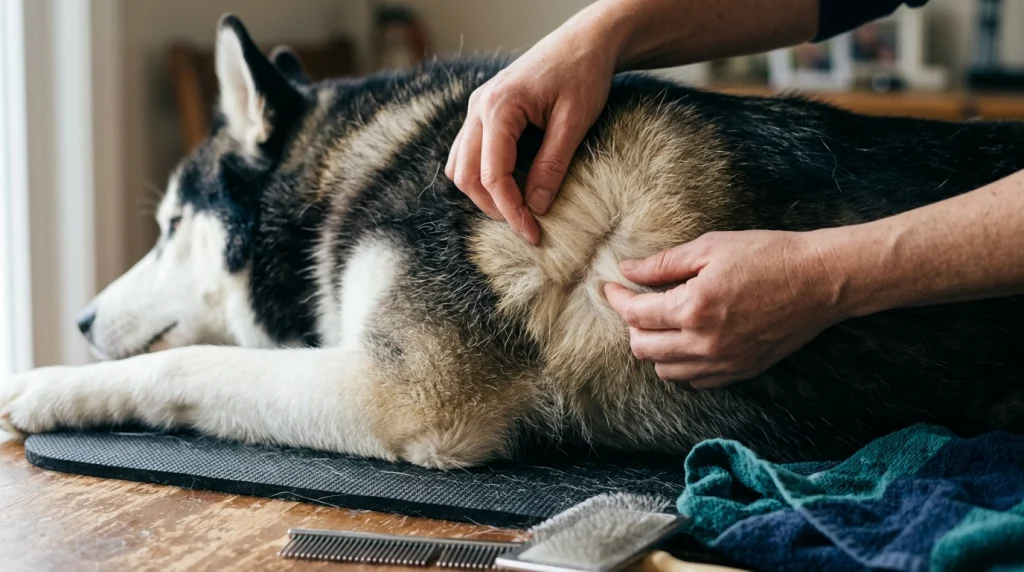
SaveA double coat is a coat made of two distinct layers: a protective outer coat and a softer, denser undercoat. These layers work together to protect the skin and help the dog manage changing environmental conditions.
The outer coat contains stronger guard hairs, while the undercoat contains finer hairs that provide insulation. Because the undercoat regularly renews itself, it can release substantial amounts of loose fur.
Which dogs have double coats?
Many working, herding, and northern breeds have double coats, although their coat lengths and densities vary considerably.
- Siberian Husky: A thick coat designed for insulation in cold conditions.
- German Shepherd: A dense undercoat beneath a protective outer layer.
- Golden Retriever: A medium-length coat with feathering and a substantial undercoat.
- Labrador Retriever: A relatively short outer coat with a dense undercoat.
- Pomeranian: A fluffy coat with a prominent undercoat and longer outer hairs.
- Australian Shepherd: A medium-length double coat that needs regular maintenance.
These breeds don’t all shed at the same rate. Genetics, individual coat density, age, environment, and grooming habits influence the amount of hair you see.
Why Do Double-Coated Dogs Shed So Much?
Double-coated dogs shed heavily because their undercoat continually renews itself, releasing loose hairs that can collect beneath the outer coat. Seasonal coat changes can make this process especially noticeable.
Several factors explain why your dog might leave fur on furniture, clothing, carpets, and almost every other surface.
1. Their undercoat releases large amounts of loose hair
The undercoat contains many fine hairs that provide insulation. When those hairs reach the end of their growth cycle, they loosen and fall out.
Some loose hairs remain trapped among surrounding fur before brushing or movement releases them. That’s why a single grooming session can produce a surprisingly large pile of hair.
2. Seasonal shedding increases coat turnover
Many double-coated dogs experience heavier shedding during seasonal transitions, particularly in spring and fall in regions with distinct seasons. Groomers often call a major release of undercoat blowing coat.
During spring, a dog may lose much of its heavier winter undercoat. Another coat transition may occur in fall as the dog prepares for cooler conditions.
However, the timing varies. Dogs living in warm climates or spending most of their time indoors may shed throughout the year instead of following two clear seasonal peaks.
3. Breed genetics determine coat density
A Siberian Husky and a Labrador Retriever may both have double coats, but their fur doesn’t behave identically. The density, length, and structure of their coats affect how much loose hair accumulates.
A Pomeranian’s fluffy undercoat can create a different grooming challenge from a Labrador’s short, dense coat. Matching the brush to the individual dog’s coat matters more than choosing a tool based on breed name alone.
4. Indoor living can change shedding patterns
Indoor dogs experience artificial lighting and relatively stable temperatures throughout the year. These conditions may make seasonal shedding less distinct for some dogs.
Don’t assume that indoor living causes excessive shedding on its own. Breed genetics and the normal hair-growth cycle remain important factors.
5. Loose undercoat can become trapped
When loose undercoat remains beneath the outer hairs, it can accumulate and become tangled. This may create clumps, mats, and a coat that feels thicker or less airy than usual.
Regular brushing removes loose hair before it builds up. It also helps you spot tangles and skin changes before they become harder to manage.
Is It Normal for a Double-Coated Dog to Shed All Year?
Yes, year-round shedding can be normal for many double-coated dogs, even when they experience heavier shedding during particular seasons. The amount varies with breed, individual hair-growth cycles, and living conditions.
A few loose hairs during brushing are expected, and a heavy seasonal release of undercoat doesn’t automatically mean something is wrong. What matters is whether your dog’s shedding pattern and skin condition remain typical for that individual.
Here’s a practical way to distinguish common shedding patterns:
| Shedding pattern | What you may notice | What to do |
|---|---|---|
| Normal daily shedding | Loose hairs on bedding, clothing, or brushes | Maintain a consistent brushing routine. |
| Seasonal coat release | Large amounts of soft undercoat coming loose | Increase gentle brushing as needed. |
| Matted undercoat | Dense clumps, tangles, or hair that resists combing | Use a suitable comb or seek professional grooming. |
| Possible abnormal hair loss | Bald spots, redness, sores, or persistent itching | Arrange a veterinary examination. |
The key difference is skin and coat condition. Heavy shedding with healthy-looking skin may be part of a normal coat change, while patchy hair loss or irritation deserves closer attention.
When Does a Double-Coated Dog Shed the Most?
Many double-coated dogs shed most heavily during seasonal coat transitions, although some release loose hair throughout the year. Your dog’s breed and local climate can change the timing.
- Spring: Some dogs release a thick winter undercoat as temperatures rise.
- Fall: Some dogs undergo another coat transition as the seasons change.
- Warm weather: Loose undercoat may become more noticeable as the coat changes, but shedding doesn’t follow one universal calendar.
- Indoor living: Some dogs have a less predictable seasonal pattern.
In Bangladesh and other warm, humid environments, don’t rely on a strict spring-and-fall schedule. Your dog’s coat may shed more continuously, and humidity can make neglected tangles more difficult to manage.
Rather than waiting for a particular month, watch for changes in loose fur, coat density, and the amount collected during brushing.
How Can You Reduce Shedding With the Right Dog Brush?
 Save
SaveYou can’t stop a healthy double-coated dog from shedding, but you can remove loose hair before it spreads around your home. The most useful approach combines a suitable brush with gentle, regular grooming.
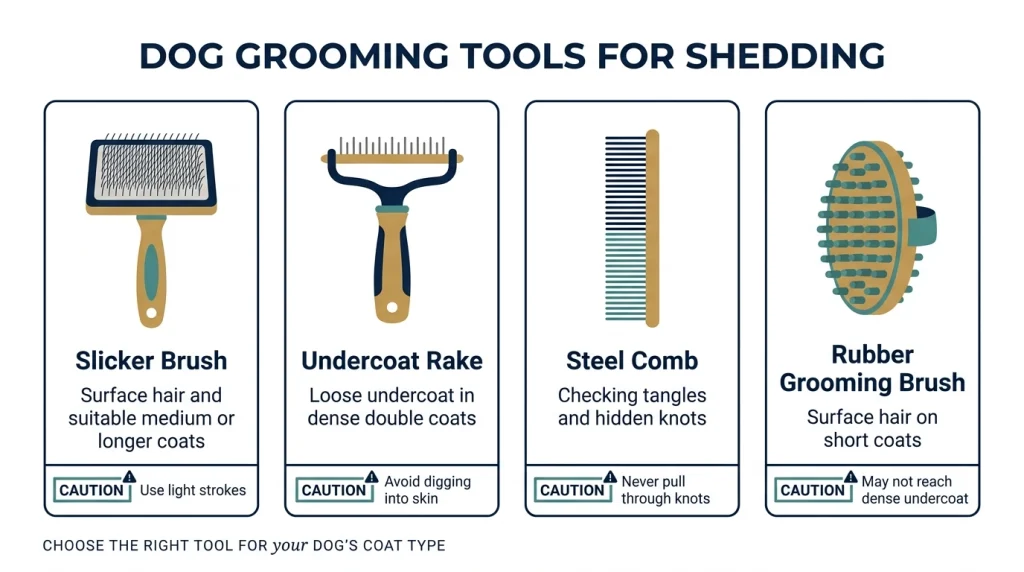
I recommend choosing tools according to the coat’s length and density instead of buying the most aggressive deshedding tool available.
Which dog brush works best for a double coat?
| Brush type | Best use | Important caution |
|---|---|---|
| Slicker brush | Loosening surface hair and maintaining suitable medium or longer coats | Use light strokes to avoid scratching the skin. |
| Undercoat rake | Removing loose undercoat from dense double coats | Match the teeth to coat length and never dig into the skin. |
| Steel comb | Checking tangles and reaching areas the brush may miss | Work through knots gently instead of pulling. |
| Rubber grooming brush | Collecting surface hair from short coats | It may not reach the dense undercoat of longer coats. |
A suitable undercoat rake can be particularly helpful during heavy shedding, while a slicker brush can help maintain the coat between sessions. A steel comb provides a useful final check for hidden tangles.
For more guidance on matching tools to different coats, see the American Kennel Club’s dog brush guide.
How Often Should You Brush a Double-Coated Dog?
Many double-coated dogs benefit from brushing several times a week, with more frequent sessions when loose undercoat builds up. The best schedule depends on coat length, density, shedding intensity, and the dog’s comfort.
- Routine maintenance: Start with two or three sessions per week for many double-coated dogs.
- Heavy shedding: Consider short daily sessions when loose undercoat comes away rapidly.
- Long or easily tangled coats: Check friction areas more frequently, including behind the ears, around the collar, and behind the legs.
- Sensitive skin: Use gentle strokes and stop if your dog shows pain or irritation.
For a more detailed schedule, use this dog brushing schedule by coat type as a starting point and adjust it to your dog’s needs.
A simple brushing routine that works
- Inspect the coat. Check for mats, sore spots, redness, or debris before you start.
- Work in small sections. Separate the fur gently so you can reach loose undercoat without dragging the brush across the surface.
- Brush with a light touch. Use the appropriate slicker brush or undercoat rake, following the coat’s natural direction when suitable for the tool.
- Check with a comb. Gently test whether the coat is free of tangles, especially in friction areas.
- Reward your dog. Use praise and treats to make future grooming sessions easier.
Don’t keep brushing one spot simply because hair continues to come out. Repeated, forceful strokes can irritate the skin and damage healthy coat.
Can Bathing Help Double-Coated Dogs Shed Less?
A suitable bath can loosen dirt and some dead hair, making it easier to remove loose undercoat during grooming. Bathing won’t stop the natural hair-growth cycle, and overly frequent washing can dry or irritate the skin.
Use a dog-safe shampoo, rinse thoroughly, and dry the coat completely. Dense undercoats can hold moisture close to the skin, so pay attention to areas where the fur takes longer to dry.
During heavy shedding, a professional groomer may use appropriate bathing and drying techniques to release loose undercoat more efficiently. Ask for coat-appropriate grooming rather than an aggressive treatment intended to remove every last hair.
Should You Shave a Double-Coated Dog to Stop Shedding?
No. Shaving a healthy double-coated dog is generally not a good way to manage shedding because it removes both protective layers without stopping the hair-growth cycle.
The outer coat helps protect the skin, while the undercoat contributes insulation. Shaving can leave the skin more exposed to sunlight and may lead to uneven regrowth or changes in coat texture.
Instead, use regular brushing, appropriate bathing, and professional grooming when necessary. Severe matting may require clipping for welfare reasons, but a qualified groomer or veterinarian should guide that decision.
When Is Heavy Shedding a Sign of a Health Problem?
Heavy shedding is often normal, but sudden or patchy hair loss can indicate a medical issue. Skin inflammation, allergies, parasites, infections, nutritional problems, and hormonal disorders can all affect a dog’s coat.
Contact your veterinarian if you notice any of these warning signs:
- Bald patches or rapidly thinning fur.
- Persistent scratching, licking, or chewing.
- Red, swollen, crusted, or painful skin.
- Open sores, an unusual odor, or discharge.
- A sudden change in coat quality alongside changes in appetite, energy, or behavior.
Don’t assume that more brushing will solve unexplained hair loss. A veterinary examination can help identify the cause and determine whether your dog needs treatment.
For further information about abnormal hair loss, consult the AKC’s guide to hair loss in dogs, and discuss concerning symptoms with your veterinarian.
Best Dog Brushes for Double-Coated Dogs
 Save
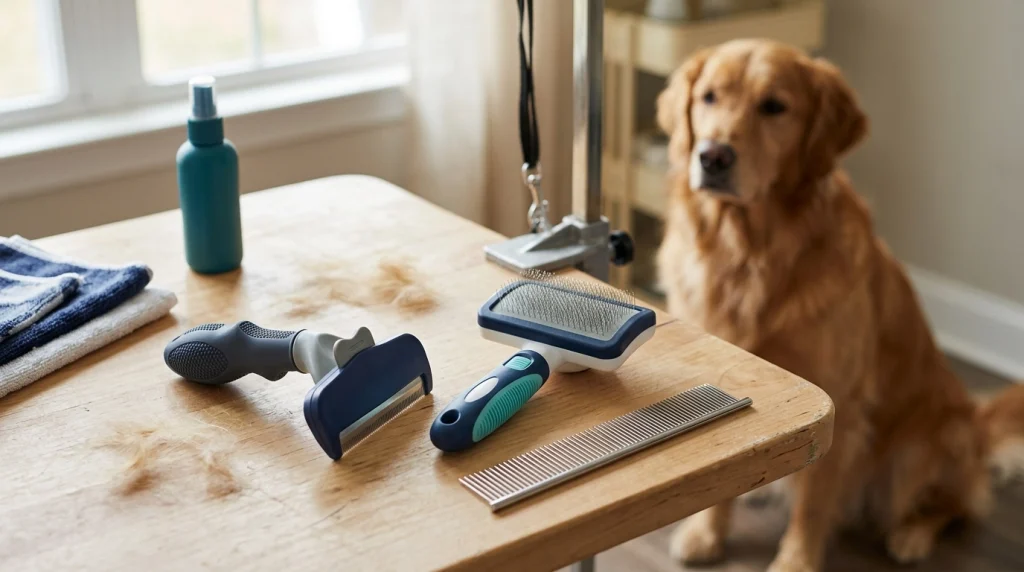
SaveChoosing a brush is easier when you know whether your main problem is dense undercoat, surface shedding, or tangles. The options below are established grooming tools worth comparing by coat compatibility, handle comfort, and ease of cleaning.
Product availability and prices can change, so check the current listing and choose the correct size for your dog.
🏆 BEST FOR LOOSE UNDERCOAT
FURminator Undercoat Deshedding Tool
★★★★☆
Designed to reach loose undercoat in compatible coats. I’d compare the available sizes and coat-length versions before choosing one, and use it gently rather than repeatedly scraping the same area.
🧰 BEST FOR REGULAR GROOMING
Hertzko Self-Cleaning Slicker Brush
★★★★☆
A slicker brush is useful for lifting loose hair and maintaining suitable coats, while the cleaning mechanism can simplify hair removal from the brush. I’d prioritize gentle pressure and a head size that fits the dog’s body.
🔎 BEST FOR TANGLE CHECKS
Andis Steel Pet Comb
★★★★☆
A steel comb helps check for hidden tangles and loose knots after brushing. I’d use it as a finishing and inspection tool, working carefully through coat sections without pulling against resistance.
These are product suggestions, not hands-on test results or verified current ratings. Always check the manufacturer’s guidance and confirm that a tool suits your dog’s coat before using it.
Frequently Asked Questions
Why is my double-coated dog shedding so much suddenly?
A sudden increase may reflect a seasonal undercoat release, but it can also indicate a skin or health problem. Check whether the hair loss is even or patchy and look for itching, redness, sores, or changes in behavior. Consult your veterinarian if the change is unusual or accompanied by symptoms.
Do double-coated dogs shed more in hot weather?
Some double-coated dogs release substantial amounts of undercoat as their coats change with the seasons. Warm weather may coincide with this process, but shedding varies by breed, climate, and individual hair-growth cycle. Regular grooming helps remove loose fur without stripping away healthy protective coat.
Can I brush my double-coated dog every day?
Yes, many double-coated dogs tolerate gentle daily brushing, particularly during heavy shedding. Use a suitable brush, work in small sections, and stop if the skin becomes irritated or your dog seems uncomfortable. Daily brushing isn’t necessary for every dog, so adjust the schedule to coat condition.
Does brushing stop double-coated dogs from shedding?
No. Brushing doesn’t stop normal hair growth or shedding, but it collects loose hairs before they spread around your home. It also helps identify tangles and skin problems early. Consistent grooming is generally more effective than occasional, aggressive deshedding sessions.
Should I shave my Husky or Golden Retriever to reduce shedding?
Generally, no. Shaving a healthy double coat removes protective outer hairs and undercoat but doesn’t stop shedding. It may also expose the skin to sunlight and affect regrowth. Use suitable brushing and professional coat care instead, unless a veterinarian or qualified groomer recommends clipping for a specific medical or matting problem.
Final Takeaway: Manage the Undercoat, Not the Dog’s Natural Coat
Double-coated dogs shed heavily because their dense undercoat continually renews itself, sometimes releasing large amounts of loose fur during seasonal changes. Breed, coat density, and indoor conditions help explain why one dog may shed differently from another.
Start with a suitable dog brush, establish a regular grooming routine, and increase brushing when the undercoat loosens. Avoid shaving a healthy double coat simply to reduce fur around your home.
Most importantly, learn what’s normal for your dog. If shedding changes suddenly or comes with bald patches, itching, or irritated skin, seek veterinary advice rather than brushing harder.

Thomas Cutter is a lifelong dog owner and the founder of FindOutAboutDogs.com. With over 10 years of hands-on experience owning multiple breeds, Thomas created this site to provide honest, research-based dog advice that real owners can actually trust.
