Best 10 Dog Breeds for Bachelors (2026 Guide)
Quick Answer
The best dog breed for a bachelor depends on your apartment, your schedule, and your energy. A Labrador Retriever or French Bulldog fits most single guys well. If you travel a lot, pick a French Bulldog or Boston Terrier. If you run, hike, or date outdoors often, a Vizsla or Boxer will match your pace and turn heads on the trail.
What to weigh before you pick a breed:
| Breed | Best For | Daily Exercise |
|---|---|---|
| Labrador Retriever | First-time owners, social guys | 60 min |
| French Bulldog | Apartment dwellers, frequent travelers | 20 min |
| Vizsla | Runners and hikers | 90 min |
Choose based on your lifestyle:
- If you live in a small apartment and work long hours → a French Bulldog or Boston Terrier fits your space and schedule.
- If you run, hike, or want a dog that pulls you off the couch → a Vizsla, Boxer, or German Shorthaired Pointer keeps pace.
- If you want one do-everything dog with zero surprises → a Labrador Retriever is the safest bet on this list.
You get home at 7 p.m. The apartment is quiet. Nobody asks how your day went.
That’s the exact gap a dog fills — and fills well. I’m Thomas Cutter, and I’ve spent the last 12 years matching dogs to single owners who work full-time, travel, and still want a life outside their apartment. Picking the wrong breed for a bachelor lifestyle leads to chewed furniture and a very guilty conscience. Picking the right one gives you a workout buddy, a conversation starter, and a reason to leave the house. Let’s find yours.
- Match the breed’s energy to your actual schedule, not your ideal one.
- Small, low-shedding breeds like the French Bulldog work best for apartments and frequent flyers.
- High-energy breeds like the Vizsla and Boxer reward active owners with a built-in workout partner.
- A dog is also a great, low-pressure conversation starter — several breeds here are known icebreakers.
- Every breed on this list needs a real plan for who watches the dog when you travel.


What Makes a Dog Breed “Good for Bachelors”?
A good bachelor dog breed is low-maintenance enough to fit a busy single life, but social enough to enjoy the outings, travel, and spontaneity that come with it. These breeds handle apartment living, tolerate some alone time, and don’t demand a second person in the house to stay balanced. Most also double as an icebreaker on walks, at the dog park, or on dating apps.
Here’s the thing. Living alone changes what a dog needs from you. There’s no second person to let the dog out at noon. There’s no built-in backup during a work trip.
So what does that mean for you? It means temperament and independence matter more than looks. A breed that panics when left alone for eight hours will wreck your apartment and your peace of mind. A breed that’s too aloof won’t give you the companionship you’re actually looking for.
Most experts agree the sweet spot sits in the middle: a dog that’s content solo for a workday, but lights up the second you walk in. That’s the filter behind every breed on this list.
The 10 Best Dog Breeds for Bachelors — Ranked and Reviewed
Here’s a look at ten breeds that consistently work well for single men, from the low-key apartment companion to the high-energy adventure dog. Each one below fits a slightly different version of the bachelor lifestyle, so read through the “Best for” line on each to find your match.
Labrador Retriever — “The Reliable Wingman”
| Weight | 55 to 80 lbs |
| Height | 21.5 to 24.5 inches |
| Lifespan | 11 to 13 years |
| Energy Level | High |
| Grooming Need | Low to moderate |
| Shedding | Heavy, twice a year |
The Labrador Retriever is a friendly, sturdy sporting dog known for its steady, easygoing nature. It weighs 55 to 80 lbs and stands up to 24.5 inches tall. Labs are outgoing, food-driven, and eager to please. They make an ideal first dog for a busy single man who wants a low-drama, high-loyalty companion.
Their short double coat sheds heavily but never needs a trip to the groomer. That thick otter tail wags so hard it can clear a coffee table in one pass.
Labs greet strangers like long-lost friends, never guard the couch, and forget any scolding within minutes. You might be thinking a “friendly” dog means a boring one. Here’s why that’s wrong: their food drive makes them one of the easiest breeds to train with treats alone.
“My Lab has talked more strangers into petting him than any pickup line I’ve ever used. He’s basically my wingman at the park.”
— Marcus T., Labrador owner for 5 years
- Easy to train with food rewards
- Great icebreaker on walks and at parks
- Rarely aggressive or territorial
- Sheds heavily twice a year
- Prone to weight gain if under-exercised
- Needs a full hour of activity daily
Best for: First-time owners · Social singles · Guys who want one low-drama dog
→ See our full guide to the best dog breeds for first-time owners
French Bulldog — “The Low-Maintenance Roommate”
| Weight | Under 28 lbs |
| Height | 11 to 13 inches |
| Lifespan | 10 to 12 years |
| Energy Level | Low |
| Grooming Need | Low |
| Shedding | Low |
The French Bulldog is a compact, muscular companion breed weighing under 28 lbs, built for city life. Frenchies need under 20 minutes of exercise a day. They bond hard to one person and rarely bark. This makes them ideal for bachelors in small apartments who travel often and want a low-fuss dog.
Their bat ears and stocky, wrinkled build make them instantly recognizable on any street corner. That smushed face gives them a permanent, comical underbite grin.
Frenchies crave your attention more than any toy or treat. But here’s the thing: they can’t regulate their own body temperature well, so hot weather walks need to stay short.
“My Frenchie snores louder than my old roommate ever did, and somehow it’s the most comforting sound in my apartment.”
— Danny R., French Bulldog owner for 3 years
- Needs under 20 minutes of exercise daily
- Rarely barks — great for thin apartment walls
- Small enough to travel easily
- Overheats fast in hot weather
- Prone to costly breathing issues
- Can develop separation anxiety
Best for: Apartment dwellers · Frequent travelers · Guys who want a low-energy dog
→ See our full guide to the best dog breeds for apartments
Vizsla — “The Velcro Adventure Dog”
| Weight | 44 to 60 lbs |
| Height | 21 to 24 inches |
| Lifespan | 12 to 14 years |
| Energy Level | Very high |
| Grooming Need | Low |
| Shedding | Moderate |
The Vizsla is a lean, athletic Hungarian sporting dog known for its rust-gold coat and nonstop drive. It weighs 44 to 60 lbs and needs 90 minutes of exercise daily. Vizslas bond so tightly to their owner they’re nicknamed “velcro dogs.” They suit runners, hikers, and outdoor-focused bachelors best.
Their sleek, muscular frame moves with a smooth, ground-covering gait built for long field days. That golden-rust coat glows almost copper in direct sunlight.
Vizslas expect to be wherever you are, even the bathroom. So what does that mean for a single guy? It means this breed can double as your built-in running partner and your only real excuse to skip the gym.
“She’s run every mile of marathon training with me and still wants a hike after we get home. She’s tireless.”
— Eli J., Vizsla owner for 4 years
- Perfect running and hiking partner
- Short coat needs almost no grooming
- Deeply affectionate with their one person
- Struggles badly with long alone time
- Needs 90+ minutes of exercise daily
- Not suited to small city apartments
Best for: Runners · Hikers · Outdoor-focused bachelors with a yard
→ Compare the Vizsla to other easygoing dog breeds
Boxer — “The Class Clown Bodyguard”
| Weight | 50 to 80 lbs |
| Height | 21.5 to 25 inches |
| Lifespan | 10 to 12 years |
| Energy Level | High |
| Grooming Need | Low |
| Shedding | Moderate |
The Boxer is a muscular working breed weighing 50 to 80 lbs, built for both play and protection. Boxers need 60 to 90 minutes of exercise daily and act like puppies well into adulthood. Their natural wariness of strangers makes them a built-in bodyguard for a bachelor living solo.
Their square jaw and wrinkled brow give them a permanently curious, alert expression. Their whole back end wiggles when they get excited, a move fans call the “kidney bean dance.”
Boxers box at their toys with their front paws, a habit that gave the breed its name. You might be thinking a big, muscular dog sounds intimidating for a first-time owner. Here’s why that’s not the whole story: Boxers are famously gentle with people they know and love routine.
“He still acts like a puppy at six years old. My neighbor jokes that he’s the friendliest bouncer in the building.”
— Chris B., Boxer owner for 6 years
- Naturally alert, doubles as a watchdog
- Playful, comic personality for years
- Short coat sheds very little
- Poor tolerance for extreme heat or cold
- Can be stubborn during training
- Prone to certain heart conditions
Best for: Guys wanting a watchdog · Active owners · Playful personalities
→ See our full guide to the best dog breeds for city living
Doberman Pinscher — “The Sleek Sentinel”
| Weight | 60 to 100 lbs |
| Height | 24 to 28 inches |
| Lifespan | 10 to 12 years |
| Energy Level | High |
| Grooming Need | Low |
| Shedding | Low to moderate |
The Doberman Pinscher is a sleek, muscular guardian breed weighing 60 to 100 lbs. Dobermans are highly intelligent, fiercely loyal, and naturally protective of their one person. This makes them a strong pick for a bachelor who lives alone and wants real personal security along with companionship.
Their lean, elegant frame carries a proud, upright posture built for speed. That sleek black-and-rust coat gives them an unmistakable, almost regal silhouette.
Dobermans are aloof with strangers but deeply affectionate at home. As a result, they need consistent socialization early to avoid becoming overprotective.
“Delivery guys are terrified until they see him wag his stub tail. He’s all bark and zero bite.”
— Jordan K., Doberman owner for 7 years
- Extremely fast learner, ranks top 5 for trainability
- Strong natural protection instinct
- Low-shedding, low-grooming coat
- Needs early, consistent socialization
- Prone to heart conditions like DCM
- Too large for very small apartments
Best for: Guys who live alone · Owners wanting protection · Experienced handlers
→ Compare protective breeds in our guide to the best dog breeds for couples
Boston Terrier — “The American Gentleman”
| Weight | 12 to 25 lbs |
| Height | 15 to 17 inches |
| Lifespan | 11 to 13 years |
| Energy Level | Moderate |
| Grooming Need | Low |
| Shedding | Low |
The Boston Terrier is a small, tuxedo-coated companion breed weighing 12 to 25 lbs. Nicknamed “The American Gentleman,” it’s friendly, low-shedding, and needs only moderate exercise. This makes it a smart pick for bachelors who want a sociable dog without a big grooming or exercise commitment.
Their black-and-white “tuxedo” markings and big round eyes give them an instantly dapper look. That upright, bat-like ear set adds to their alert, curious expression.
Boston Terriers snore, snort, and reverse-sneeze more than most small breeds. So if you want a dog, so if you live with thin walls, this breed rarely barks but isn’t always silent.
“He greets every single person in my building by name. I swear he’s more popular in this city than I am.”
— Alex P., Boston Terrier owner for 4 years
- Small, easy to carry and travel with
- Friendly with almost every stranger
- Minimal shedding and grooming needs
- Snores and reverse-sneezes often
- Sensitive to heat and humidity
- Prone to eye injuries due to large eyes
Best for: City dwellers · Guys who want a social dog · Small living spaces
→ See our full guide to the best dog breeds for NYC apartments
Beagle — “The Nose-Led Buddy”
| Weight | 20 to 30 lbs |
| Height | 13 to 15 inches |
| Lifespan | 12 to 15 years |
| Energy Level | Moderate to high |
| Grooming Need | Low |
| Shedding | Moderate |
The Beagle is a compact hound weighing 20 to 30 lbs, bred to hunt in packs and thrive on company. Beagles are happy-go-lucky, easygoing, and rarely aggressive. Their pack-dog roots make them naturally social, which suits bachelors who want a friendly dog for shared living or dog parks.
Their short tricolor coat and long floppy ears give them a classic, storybook hound look. That soulful, pleading expression has made them one of the most photographed breeds around.
Beagles follow their nose first and their owner second. Even better, that same nose makes them easy to redirect with a scented treat during training.
“He’s led me down more random alleys chasing a smell than I can count, but he’s never once made me feel alone.”
— Sam W., Beagle owner for 5 years
- Naturally social with people and dogs
- Compact size fits most apartments
- Rarely shows aggression
- Loud, distinctive bay carries far
- Will follow a scent trail over commands
- Prone to overeating and weight gain
Best for: Social singles · Dog park regulars · Guys who want an easygoing dog
→ See our full guide to the best easygoing dog breeds
German Shorthaired Pointer — “The Weekend Warrior”
| Weight | 45 to 70 lbs |
| Height | 21 to 25 inches |
| Lifespan | 10 to 12 years |
| Energy Level | Very high |
| Grooming Need | Low |
| Shedding | Moderate |
The German Shorthaired Pointer, or GSP, is an athletic gundog weighing 45 to 70 lbs, bred for all-day fieldwork. GSPs need over 40 minutes of vigorous exercise daily and bond closely with their owner. This breed suits bachelors who hunt, run, or spend weekends outdoors year-round.
Their sleek liver-and-white coat and long muzzle give them a lean, aristocratic profile. That deep chest and powerful stride let them cover ground for hours without tiring.
GSPs treat every walk like a mission to point out hidden wildlife. That said, without enough outlet for that drive, this breed gets destructive fast indoors.
“He points at squirrels like it’s a competitive sport. My weekend hikes have never had a more dedicated partner.”
— Nate G., GSP owner for 6 years
- Built for hours of hiking or running
- Short coat needs almost no grooming
- Deeply loyal and eager to work with you
- Becomes destructive without enough exercise
- Poor fit for small apartments
- Prone to bloat, a life-threatening condition
Best for: Hunters · Trail runners · Bachelors with a yard or nearby trails
→ Compare high-energy breeds in our city living guide
Australian Shepherd — “The Brainy Co-Pilot”
| Weight | 40 to 65 lbs |
| Height | 18 to 23 inches |
| Lifespan | 12 to 15 years |
| Energy Level | Very high |
| Grooming Need | Moderate |
| Shedding | Heavy, seasonal |
The Australian Shepherd is a medium-sized herding breed weighing 40 to 65 lbs, prized for its sharp intelligence. Aussies need heavy daily exercise plus mental work like puzzle toys or training games. This breed suits a bachelor with an active, structured routine and time for real training.
Their merle-patterned coat and piercing blue or amber eyes give them a striking, wolf-like look. That naturally bobbed or docked tail wags in tight, excited circles during play.
Aussies were bred to herd livestock all day without a break. As a result, this breed sometimes tries to herd joggers, kids, or even you around the living room.
“She learned five new tricks in a weekend. I’ve genuinely never met a smarter roommate, four legs or two.”
— Ryan H., Australian Shepherd owner for 3 years
- Extremely fast, eager learner
- Loyal, affectionate one-on-one bond
- Excels at agility and trick training
- May try to herd people or moving objects
- Heavy seasonal shedding
- Gets bored, and destructive, without a job
Best for: Structured routines · Training enthusiasts · Active outdoor bachelors
→ Check whether an Aussie can work in your apartment setup
Rhodesian Ridgeback — “The Quiet Guardian”
| Weight | 70 to 85 lbs |
| Height | 24 to 27 inches |
| Lifespan | 10 to 12 years |
| Energy Level | Moderate to high |
| Grooming Need | Low |
| Shedding | Low |
The Rhodesian Ridgeback is a large, muscular hound weighing 70 to 85 lbs, once used to track lions in Africa. Ridgebacks are dignified, quiet, and reserved with strangers, yet deeply loyal at home. This breed suits a confident bachelor who wants a calm, low-bark guardian rather than a needy companion.
Their signature ridge of backward-growing hair runs down the spine like a raised stripe. That lean, wheaten-colored build gives them a greyhound-like efficiency of movement.
Ridgebacks rarely bark without real reason, which surprises most first-time visitors. Most experts agree this breed does best with an owner who is calm, consistent, and not a total beginner.
“He’s silent 99 percent of the time, but the one time someone tried my door handle, I found out real fast he wasn’t sleeping.”
— Victor M., Rhodesian Ridgeback owner for 5 years
- Rarely barks without good reason
- Low-maintenance, short coat
- Calm and dignified indoors
- Not recommended for first-time owners
- Strong prey drive around small animals
- Too large for most small apartments
Best for: Experienced owners · Guys wanting a calm guardian · Homes with a yard
→ See our full guide to guard dog breeds for apartments
Comparison Table: All 10 Bachelor-Friendly Breeds Side by Side
Here’s how all ten breeds stack up on the factors that matter most for a single guy: size, energy, and how much upkeep each one needs. Use this table to shortlist two or three breeds before reading the decision guide below.
| Breed | Weight | Energy | Apartment Fit |
|---|---|---|---|
| Labrador Retriever | 55–80 lbs | High | Fair |
| French Bulldog | Under 28 lbs | Low | Excellent |
| Vizsla | 44–60 lbs | Very high | Poor |
| Boxer | 50–80 lbs | High | Fair |
| Doberman Pinscher | 60–100 lbs | High | Fair |
| Boston Terrier | 12–25 lbs | Moderate | Excellent |
| Beagle | 20–30 lbs | Moderate-high | Good |
| German Shorthaired Pointer | 45–70 lbs | Very high | Poor |
| Australian Shepherd | 40–65 lbs | Very high | Fair |
| Rhodesian Ridgeback | 70–85 lbs | Moderate-high | Poor |
Which Bachelor Dog Breed Is Right for You?
The right breed comes down to your living space, your schedule, and how much daily exercise you can realistically commit to. Be honest here. A Vizsla in a studio apartment with a desk job is a recipe for chewed shoes, not a happy dog.
Here’s your decision block:
- If you’re in a small apartment with long work hours → the French Bulldog or Boston Terrier fits best.
- If you’re active and want a running or hiking partner → the Vizsla, Boxer, or German Shorthaired Pointer will keep up.
- If you want one dependable, no-surprises dog → the Labrador Retriever is your safest choice.
- If personal security matters as much as companionship → the Doberman Pinscher or Rhodesian Ridgeback both fit.
Honest scope note: this guide covers general breed temperament and fit for single owners. If you have a demanding travel schedule with no backup pet sitter, you may need to look at professional dog walkers or daycare regardless of which breed you pick.
Care Essentials Every Bachelor Dog Owner Should Know
Whatever breed you choose, three things matter most: a consistent routine, a real exercise plan, and a backup caregiver for when you travel. Dogs don’t do well with chaos, even from an owner who means well.
Line up a dog walker or trusted neighbor before you bring your dog home, not after your first work trip comes up.
Set a fixed feed and walk schedule from day one. As a result, your dog settles into a routine faster and destroys less furniture out of boredom.
According to the American Veterinary Medical Association’s pet owner resources, consistent daily exercise and routine vet checkups are the two biggest factors in a dog’s long-term health and behavior. Feeding a high-quality diet matched to your dog’s size and energy level also plays a major role, according to AKC’s official breed library.
Mistakes New Bachelor Dog Owners Make (And How to Avoid Them)
Picking a high-energy breed because it looks impressive on a dating profile, then leaving it alone for 10-hour shifts, is the single most common mistake on this list.
Skipping crate training is another common miss. A crate gives your dog a safe space and saves your couch cushions while you’re at work.
Under-socializing a guardian breed is a third mistake. Dobermans and Ridgebacks both need early, wide exposure to people, or their natural wariness can turn into real anxiety.
What Most People Get Wrong About Bachelor Dog Ownership
Most people assume any small dog is automatically a low-maintenance dog. That’s not always true. A French Bulldog is small and calm, but a Beagle is small and can be a determined escape artist with a nose for trouble.
Others assume a big, tough-looking breed like a Boxer or Doberman needs less affection than a lap dog. In reality, both breeds bond hard to one person and can develop real separation anxiety without enough attention.
Frequently Asked Questions
What is the easiest dog breed for a single man to own?
The Labrador Retriever is widely considered the easiest breed for a single man. It’s food-motivated, quick to train, and rarely shows aggression or anxiety around new people or places.
Can a bachelor with a demanding job own a high-energy dog?
Yes, but only with a real plan. A dog walker, doggy daycare, or a trusted neighbor should cover midday breaks if your job runs past eight or nine hours regularly.
Which dog breed is best for small apartments?
The French Bulldog and Boston Terrier both do well in small spaces. Both need under 30 minutes of exercise a day and rarely bark, which keeps neighbors happy too.
Do bachelors need a guard dog breed for safety?
Not necessarily, but breeds like the Doberman Pinscher and Rhodesian Ridgeback offer natural alertness on top of companionship. This appeals to bachelors who live alone and want extra peace of mind.
How much does it cost to own a dog as a single person?
Budget $1,000 to $2,000 a year for food, routine vet care, and grooming, plus a bigger buffer for emergencies. Larger, active breeds usually cost more to feed than small, low-energy ones.
Final Word: Pick the Dog That Matches Your Actual Life
The best dog for a bachelor isn’t the flashiest breed. It’s the one that fits your apartment, your schedule, and your energy level honestly.
One thing to do right now: pick your top two breeds from this list, then spend 15 minutes calling a local shelter or breeder to ask about available dogs. I’m Thomas Cutter, and that one call is how every good match on this list actually started.
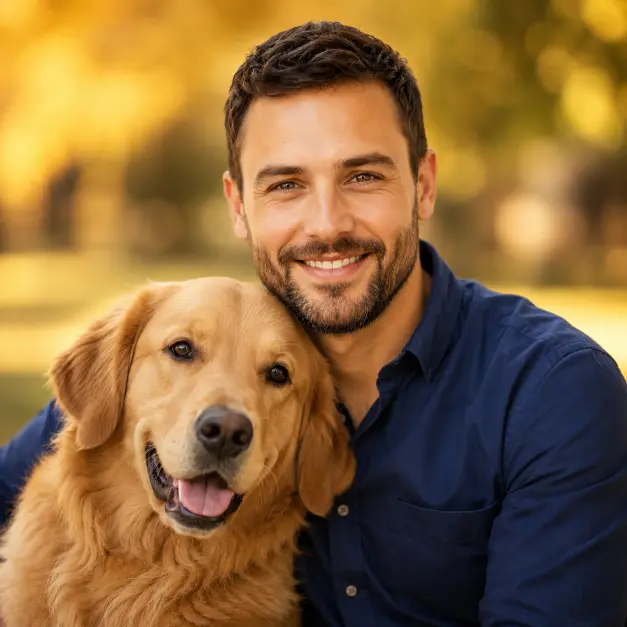
Thomas Cutter is a lifelong dog owner and the founder of FindOutAboutDogs.com. With over 10 years of hands-on experience owning multiple breeds, Thomas created this site to provide honest, research-based dog advice that real owners can actually trust.
