Best 10 Dog Breeds for Empty Nesters — Picked by a Longtime Dog Owner
Quick Answer
The best dog breeds for empty nesters depend on your energy level and home size. If you want a calm lap dog, choose a Cavalier King Charles Spaniel, Havanese, or Bichon Frise. If you want an active travel buddy, a Golden Retriever, Labrador, or Vizsla fits better. For low-fuss apartment living, a French Bulldog or Greyhound works well.
How we picked this list:
- Manageable size or an easy-to-lift build for older joints
- Calm-to-moderate energy that fits a slower daily pace
- A gentle, affectionate temperament suited to a quieter house
- Reasonable grooming needs and a solid, long-lived health record
Quick pick if you’re deciding right now:
- Want a couch companion? Try a Cavalier or Bichon Frise.
- Want a hiking partner? Try a Golden Retriever or Vizsla.
- Want zero shedding? Try a Standard Poodle or Havanese.
The house is quiet now. No backpacks by the door, no cereal bowls in the sink by 7 a.m. That silence can feel like freedom — or it can feel like something is missing. I’m a longtime dog owner and breed researcher, and I hear the same thing from empty nesters again and again: they want company that doesn’t need a curfew.
Picking the right breed matters more now than it did when the kids were young. You want a dog that matches your actual life today — not the life you had 20 years ago. Some empty nesters want a low-key lap dog. Others finally have time for long walks and want an active partner. Both are good choices, as long as the breed fits your pace.
This guide breaks down 10 breeds that work well for this exact stage of life, plus a comparison table, a decision guide, and the honest mistakes new empty-nest dog owners make. By the end, you’ll know exactly which breed fits your routine.
- Match energy level first, then size — a calm big dog beats a hyper small one.
- Low-shedding breeds like the Havanese and Poodle suit allergy-prone households.
- Active empty nesters do better with a Golden Retriever, Labrador, or Vizsla.
- Grooming cost and time matter just as much as the adoption fee.
- An adult rescue dog often fits an empty nest better than a puppy.


What Makes a Dog Breed a Good Fit for Empty Nesters?
A good empty-nester breed is calm enough for a quieter house, small or sturdy enough to manage physically, and healthy enough to share many years with you. It should not need constant supervision, and its exercise needs should match your actual daily routine, not an idealized one.
Your kids are gone, but your knees, your schedule, and your travel plans are still real factors. Most experts agree that lifestyle match matters more than breed popularity. A Border Collie might be adorable, but if you’re not hiking daily, that same intelligence turns into chewed furniture and 2 a.m. barking.
Here’s the thing — “calm” doesn’t mean boring. Plenty of empty nesters want a dog that hikes, travels, and greets them at the door with real enthusiasm. The goal isn’t finding the sleepiest dog. It’s finding the dog whose natural pace matches yours.
See our full guide to the best dog breeds for seniors if you want an even wider comparison beyond this list.
The 10 Best Dog Breeds for Empty Nesters — Ranked and Reviewed
Cavalier King Charles Spaniel — “The Velcro Dog With Manners”
 Save
Save| Weight | 13 to 18 lbs |
| Height | 12 to 13 inches |
| Lifespan | 12 to 15 years |
| Energy Level | Moderate |
| Grooming Need | Weekly brushing |
| Shedding | Moderate |
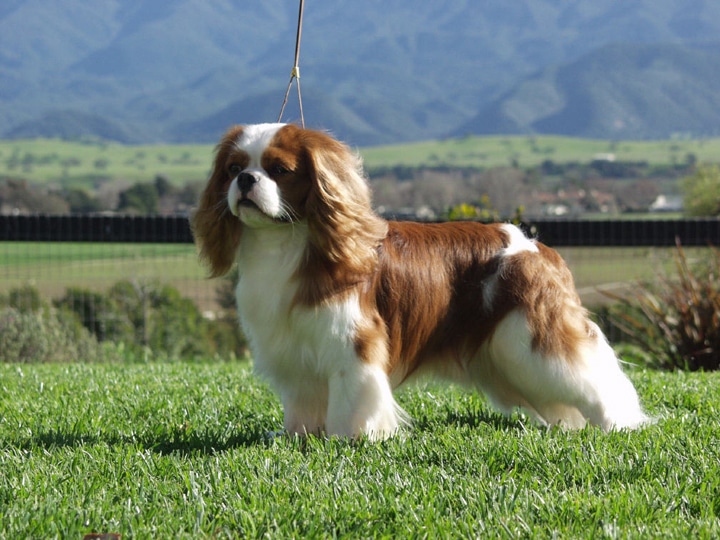
The Cavalier King Charles Spaniel is a small, silky-coated toy breed known for bonding hard with its owner. Weighing just 13 to 18 lbs, it’s easy to lift and travel with. Cavaliers are gentle, eager to please, and happiest curled up beside you. They’re an ideal match for empty nesters who want steady companionship without a demanding exercise routine.
Their large, dark eyes and feathered ears give them a soft, royal look. That silky coat catches light in a way that makes strangers stop and ask about the breed.
You might expect a lap dog to be lazy. Cavaliers will happily nap all afternoon, then surprise you by chasing a squirrel across the yard at full speed. Here’s the surprising part: many Cavaliers were bred as hunting companions, so a burst of prey drive is completely normal.
“Ever since the kids left, my Cavalier follows me from room to room like a tiny shadow. She’s on my lap before I even sit down.”
— Diane R., Cavalier owner for 5 years
- Easy to lift and carry when needed
- Gentle with grandchildren and visitors
- Adapts well to apartments or houses
- Prone to mitral valve heart disease
- Weekly brushing needed to prevent mats
- Can develop separation anxiety if left alone
Best for: Homebodies · First-time senior owners · Households with visiting grandchildren
Compare more lap dog breeds built for seniors
Havanese — “The Cuban Cloud With a Sense of Humor”
| Weight | 7 to 13 lbs |
| Height | 8.5 to 11.5 inches |
| Lifespan | 14 to 16 years |
| Energy Level | Moderate |
| Grooming Need | Daily brushing |
| Shedding | Low |
The Havanese is Cuba’s national dog, a small, low-shedding companion known for its silky, cotton-like coat. Weighing under 13 lbs, it’s an easy fit for apartments or houses. Havanese dogs are playful, social, and famous for showing off. This makes them a strong choice for empty nesters who want a dog with real personality in a small package.
Their wavy coat can grow long and cloud-like, or be trimmed short into a “puppy cut” that’s easier to maintain. Either way, they rarely shed on your furniture.
You’d expect a small breed to be nervous around strangers. Havanese dogs do the opposite — they often perform tricks unprompted just to get attention. So if you like an audience for your morning coffee, this breed will happily provide one.
“He does a spin-and-bow routine every time someone new walks in. He’s basically a tiny stand-up comedian with fur.”
— Manny T., Havanese owner for 8 years
- Sheds very little, good for allergies
- Long lifespan of up to 16 years
- Loves other dogs and people equally
- Coat mats fast without daily brushing
- Can be hard to housetrain as a puppy
- Dislikes being left alone for long hours
Best for: Allergy-conscious owners · Empty nesters who work from home · Social households
Compare the Havanese against other top lap dog breeds for seniors
Standard Poodle — “The Smartest Dog You’ll Ever Own”
| Weight | 45 to 70 lbs |
| Height | Over 15 inches |
| Lifespan | 12 to 15 years |
| Energy Level | Moderate to high |
| Grooming Need | Professional every 4 to 6 weeks |
| Shedding | Very low |
The Standard Poodle is a tall, athletic breed known as one of the most intelligent dogs in the world. Weighing 45 to 70 lbs, it needs daily activity but rewards you with sharp obedience. Poodles are hypoallergenic and shed very little, making them a top pick for empty nesters with allergies who still want an active partner.
Under that famous curly coat is a lean, athletic frame built for retrieving in water. Many owners keep the coat trimmed short for easier upkeep.
Most people picture Poodles as fussy show dogs. In reality, they were bred as serious retrievers, and many still love diving into lakes without hesitation. That combination of brains and physical drive means a bored Standard Poodle will find its own entertainment — usually at your expense.
“She learned ‘clean up your toys’ in a weekend. Now I wonder who actually trained who in this house.”
— Carol B., Standard Poodle owner for 4 years
- Hypoallergenic coat, minimal shedding
- Learns commands in just a few tries
- Fewer breed-related health issues than most
- Grooming bills add up fast over a year
- Needs real daily exercise, not just a stroll
- Gets bored, and destructive, without mental work
Best for: Allergy sufferers · Active empty nesters · Owners who enjoy training
Golden Retriever — “The Dog Who Turns Strangers Into Friends”
| Weight | 55 to 75 lbs |
| Height | 21.5 to 24 inches |
| Lifespan | 10 to 12 years |
| Energy Level | High |
| Grooming Need | Weekly brushing |
| Shedding | High |
The Golden Retriever is a large, athletic breed famous for its friendly, patient nature. Weighing 55 to 75 lbs, it needs real daily exercise and space to move. Goldens are loyal, gentle with grandchildren, and eager to join you on hikes or road trips. This makes them ideal for empty nesters who finally have time for an active dog.
Their thick, wavy golden coat sheds heavily but gives them that classic, sun-lit look people recognize instantly on the street.
You already know Goldens are friendly. What surprises new owners is how food-motivated they are — many will happily “counter surf” for a forgotten sandwich. So if you leave food unattended, expect it to disappear within seconds.
“We finally have time to hike again, and she’s the one dragging us up the trail now. Best decision of our retirement.”
— Tom H., Golden Retriever owner for 3 years
- Gentle and patient with grandkids
- Great motivation to stay active daily
- Loyal, rarely aggressive toward strangers
- Sheds heavily, especially twice a year
- Prone to hip and joint issues later in life
- Too large for owners with limited mobility
Best for: Active retirees · Owners with yards · Grandparents with visiting kids
See more large dog breeds suited for retirees
Labrador Retriever — “The Steady, Loyal Classic”
 Save
Save| Weight | 55 to 80 lbs |
| Height | 21.5 to 24.5 inches |
| Lifespan | 10 to 12 years |
| Energy Level | High |
| Grooming Need | Weekly brushing |
| Shedding | High |
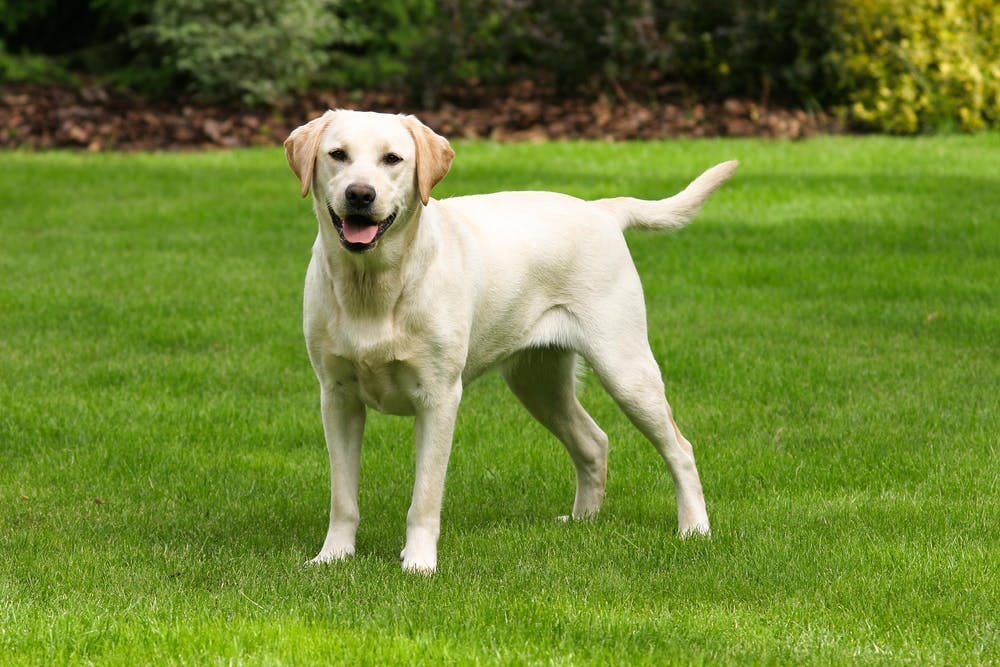
The Labrador Retriever is America’s most registered breed, known for its steady, friendly temperament. Weighing 55 to 80 lbs, it needs daily walks and playtime to stay balanced. Labs are easy to train, food-driven, and rarely destructive once past puppyhood. They suit empty nesters who want a dependable, sociable dog for years of company.
Their short, dense double coat comes in black, yellow, or chocolate, and their broad “otter tail” helps them swim with real power.
Labs have a reputation as the friendly family dog. What fewer people know is how food-focused this breed is — some Labs will eat past the point of comfort if you let them. So if you free-feed, expect a Lab that gains weight fast.
“He greets every single person like they’re his best friend, mail carrier included. It’s kept our house lively since the kids left.”
— Rita M., Labrador owner for 7 years
- Trains easily, even for first-time owners
- Rarely shows aggression toward people
- Adapts well to boats, cars, and travel
- Prone to weight gain and joint strain
- Sheds year-round, more in spring and fall
- Large size can be hard on weak joints
Best for: Active couples · Owners near water or trails · Households wanting a family dog
Greyhound — “The 40 MPH Couch Potato”
| Weight | 60 to 70 lbs |
| Height | 27 to 30 inches |
| Lifespan | 10 to 13 years |
| Energy Level | Low indoors, fast outdoors |
| Grooming Need | Minimal |
| Shedding | Low |
The Greyhound is a tall, lean sighthound built for short bursts of speed, not endless energy. Weighing 60 to 70 lbs, it needs only short daily walks plus one good sprint. Retired racing Greyhounds are famously calm indoors, often called “40 mph couch potatoes.” This makes them a surprising but excellent match for empty nesters who want a big dog with a low-key routine.
Their sleek, muscular frame and short coat give them an almost sculptural look, with barely any doggy odor between baths.
People assume a dog built for racing needs constant exercise. The opposite is true — most retired Greyhounds sleep 18 hours a day and reserve their speed for a quick backyard zoomie. That’s the wow factor most first-time owners never expect.
“She’s basically a giant, quiet blanket that occasionally sprints across the yard for 10 seconds, then naps for six hours.”
— Frank D., Greyhound owner for 6 years
- Calm indoors despite its large size
- Short coat means simple grooming routine
- Often already trained from racing kennels
- Thin coat means it feels cold easily
- Strong prey drive around small animals
- Needs a fenced yard, will chase fast movement
Best for: Low-energy homes · Owners wanting a large but calm dog · Adult rescue adopters
Browse more low-energy dog breeds for retirees
French Bulldog — “The Compact Comedian”
| Weight | Under 28 lbs |
| Height | 11 to 13 inches |
| Lifespan | 10 to 14 years |
| Energy Level | Low |
| Grooming Need | Low, daily face-fold wipe |
| Shedding | Moderate |
The French Bulldog is a small, muscular breed known for its bat ears and calm, comic personality. Weighing under 28 lbs, it needs only short walks and little floor space. Frenchies rarely bark excessively, which makes them a strong fit for apartment-dwelling empty nesters who want a low-exercise, high-affection companion.
Their broad chest and wrinkled face give them a stocky, almost cartoonish charm that draws attention on every walk.
You’d think a bulldog would be tough and independent. Instead, Frenchies are famously clingy, often following owners from room to room just to stay close. That soft, needy streak is exactly why so many owners describe them as “velcro dogs.”
“He snores louder than my husband, refuses to walk in the rain, and somehow still runs the whole household.”
— Linda P., French Bulldog owner for 4 years
- Minimal exercise needs fit small spaces
- Rarely barks, good for thin apartment walls
- Compact size, easy to lift and travel with
- Struggles badly in hot, humid weather
- Breathing issues common due to flat face
- Higher vet costs from breed health risks
Best for: Apartment dwellers · Owners in mild climates · Low-mobility households
See more calm dog breeds built for apartment living
Beagle — “The Nose That Never Stops Working”
| Weight | 20 to 30 lbs |
| Height | 13 to 15 inches |
| Lifespan | 10 to 15 years |
| Energy Level | Moderate to high |
| Grooming Need | Low |
| Shedding | Moderate |
The Beagle is a mid-size hound bred for tracking scent over long distances. Weighing 20 to 30 lbs, it’s small enough to manage but sturdy enough for daily walks. Beagles are friendly, curious, and vocal, making them a lively companion for empty nesters who want personality and don’t mind an occasional howl.
Their short, dense tri-color coat and long, soft ears give them that classic storybook hound look people recognize instantly.
Everyone knows Beagles love to sniff. Fewer people realize just how powerful that nose is — a Beagle can follow a scent trail for miles and completely ignore your calls while doing it. That’s why a secure leash and fenced yard matter more with this breed than most.
“Once she catches a scent, the whole world disappears. I’ve learned to never trust an open gate around her.”
— George N., Beagle owner for 9 years
- Compact size fits most homes easily
- Friendly with other dogs and strangers
- Low grooming needs, short coat
- Howls and bays, not ideal for thin walls
- Scent drive makes recall unreliable off-leash
- Prone to weight gain if under-exercised
Best for: Houses with yards · Social empty nesters · Owners who enjoy daily walks
Bichon Frise — “The Cotton Ball With Confidence”
| Weight | 12 to 18 lbs |
| Height | 9.5 to 11.5 inches |
| Lifespan | 14 to 15 years |
| Energy Level | Moderate |
| Grooming Need | High, brushed 2-3 times weekly |
| Shedding | Low |
The Bichon Frise is a small, hypoallergenic breed with a fluffy white coat and a naturally cheerful attitude. Weighing 12 to 18 lbs, it’s easy to handle and rarely aggressive. Bichons are social, adaptable, and get along with children and other dogs, making them a solid pick for empty nesters who host family often.
Their round, powder-puff coat and dark button eyes give them a stuffed-animal look that rarely fails to charm visitors.
People expect a fluffy toy breed to be fragile and timid. Bichons are the opposite — sturdy, confident, and genuinely fearless around bigger dogs at the park. That mismatch between their soft look and bold attitude is part of their charm.
“She marches right up to Great Danes at the dog park like she owns the place. Zero fear in that tiny body.”
— Susan K., Bichon Frise owner for 6 years
- Hypoallergenic coat, low shedding
- Long lifespan, often past 14 years
- Confident around dogs and children
- Coat needs brushing several times a week
- Regular professional grooming adds ongoing cost
- Can bark at doorbells and passersby
Best for: Allergy-prone households · Families with grandchildren · Small-space living
Vizsla — “The Velcro Athlete”
 Save
Save| Weight | 45 to 65 lbs |
| Height | 21 to 24 inches |
| Lifespan | 12 to 14 years |
| Energy Level | Very high |
| Grooming Need | Low |
| Shedding | Low to moderate |
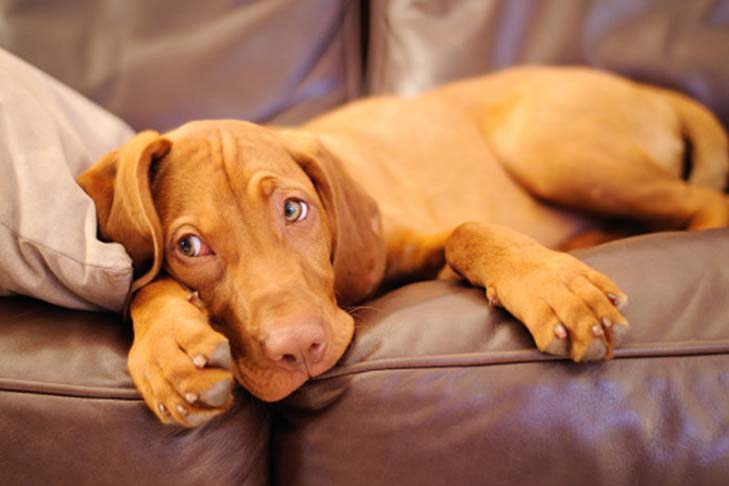
The Vizsla is a lean, russet-gold hunting breed built for stamina and constant closeness to its owner. Weighing 45 to 65 lbs, it needs 60 or more minutes of exercise daily. Vizslas bond intensely with one household and are known for leaning against you rather than sitting apart. This suits empty nesters who want an active, deeply affectionate outdoor partner.
Their short, sleek copper coat and lean, muscular build make them look like they’re moving even while standing still.
People assume a hunting breed will be independent. Vizslas are the opposite — they’re nicknamed “velcro dogs” because many refuse to be more than a few feet from their owner, even at home. So if you want personal space, this may not be the breed for you.
“He runs beside my bike for five miles, then presses his whole body against my leg the second we get home.”
— Paul S., Vizsla owner for 5 years
- Short coat, sheds very little
- Deeply affectionate, bonds with one owner
- Excellent match for runners and cyclists
- Needs an hour or more of exercise daily
- Severe separation anxiety if left alone often
- Too much dog for a sedentary household
Best for: Runners and cyclists · Very active retirees · Owners who work from home
Comparison Table: All 10 Empty Nester Dog Breeds Side by Side
Scanning for the right fit fast? This table lines up all 10 breeds by size, energy, and grooming so you can compare at a glance before reading the full profiles above.
| Breed | Weight | Energy | Grooming | Lifespan |
|---|---|---|---|---|
| Cavalier King Charles Spaniel | 13-18 lbs | Moderate | Weekly | 12-15 yrs |
| Havanese | 7-13 lbs | Moderate | Daily | 14-16 yrs |
| Standard Poodle | 45-70 lbs | Mod-High | Every 4-6 wks | 12-15 yrs |
| Golden Retriever | 55-75 lbs | High | Weekly | 10-12 yrs |
| Labrador Retriever | 55-80 lbs | High | Weekly | 10-12 yrs |
| Greyhound | 60-70 lbs | Low indoors | Minimal | 10-13 yrs |
| French Bulldog | Under 28 lbs | Low | Low | 10-14 yrs |
| Beagle | 20-30 lbs | Mod-High | Low | 10-15 yrs |
| Bichon Frise | 12-18 lbs | Moderate | 2-3x weekly | 14-15 yrs |
| Vizsla | 45-65 lbs | Very High | Low | 12-14 yrs |
Which Dog Breed Is Right for You as an Empty Nester?
The right breed depends on your energy level, living space, and how much grooming time you actually want to commit to each week. Use the scenarios below to match your real routine, not an idealized one, to a breed from this list.
- If you want a calm lap companion for a quiet house → the Cavalier King Charles Spaniel or Bichon Frise is best for you.
- If you finally have time to hike, travel, and stay active → the Golden Retriever, Labrador, or Vizsla will serve you better.
- If you live in an apartment and want minimal exercise demands → consider the French Bulldog or Greyhound first.
- If allergies are a concern in your household → the Standard Poodle, Havanese, or Bichon Frise sheds the least.
This guide covers dog breeds well suited to the empty nest stage of life. If your situation involves serious mobility limits, a service dog need, or a multi-pet household with young cats, you may need breed-specific advice beyond what’s covered here.
Mistakes New Empty-Nester Dog Owners Make
The most common mistake is picking a breed based on looks instead of energy match. A gorgeous Vizsla in a low-activity home becomes an anxious, destructive dog within months. Match the breed to your actual weekly schedule first.
Don’t skip pet insurance or a vet visit budget. Breed-related health costs, like a Cavalier’s heart screening or a Frenchie’s breathing issues, add up fast over a dog’s lifetime.
Another common error is underestimating grooming time. A Bichon or Havanese needs brushing several times a week, not once a month. Skipping this leads to painful mats and costly emergency grooming visits.
Many empty nesters also assume a puppy is the only option. In reality, adult and senior rescue dogs are often already house-trained and calmer, which fits a quieter household better than a bouncy 10-week-old puppy.
Ask a shelter or rescue if they run temperament tests. Most trusted rescues will match you with a dog whose energy level fits your home before you ever meet them.
What Most People Get Wrong About Empty Nester Dogs
Most people assume any small dog is automatically low-energy. That’s not true. Breeds like the Beagle and some terriers are small but highly active, while a large Greyhound can be one of the calmest dogs in the house. Size and energy level are two separate things, and confusing them is the top reason breed matches fail.
People also assume a dog will “settle down” simply because the household is quieter now. A dog’s energy comes from its breeding, not your schedule. A working-line retriever will stay driven and active no matter how calm your house has become.
Care Essentials Every New Empty-Nest Dog Owner Should Know
Every breed on this list needs the same basics done well: a consistent feeding schedule, regular vet checkups, and daily activity that matches its energy level. Research consistently shows that dogs with predictable routines are calmer and better behaved.
Budget for food, grooming, and vet visits before you bring a dog home. Industry standard estimates put annual dog ownership costs between $1,500 and $3,000, depending on size and breed-specific health needs.
So what does that mean for you? If you’re on a fixed retirement income, a lower-maintenance breed like a Greyhound or Labrador may cost less over time than a high-grooming breed like a Poodle or Bichon.
Conclusion
Empty nesting opens up real time and space for the right dog. The breed that fits your life isn’t about trend or looks — it’s about matching energy, size, and grooming needs to your actual routine. Whether that’s a Cavalier on your lap or a Vizsla on the trail, the right match will make this next chapter better.
One thing to do right now: Pick the two breeds from this list that match your energy level, then visit a local shelter or breed rescue this week to meet a dog in person before deciding.
Frequently Asked Questions
What is the best dog breed for empty nesters who travel often?
The Havanese and Cavalier King Charles Spaniel travel well due to their small size and adaptable temperament. Both are content in a car or cabin and don’t require heavy daily exercise, making them easier to manage on the road.
Are big dogs a bad idea for empty nesters?
No, large breeds like the Golden Retriever or Greyhound can work well if you’re physically able to manage their size and exercise needs. A Greyhound in particular is calm indoors despite its height.
Should empty nesters adopt a puppy or an adult dog?
An adult or senior rescue dog is often a better fit. Most experts agree that adult dogs are typically already house-trained and calmer, which suits a quieter household better than a young puppy.
Which breeds shed the least for empty nesters with allergies?
The Standard Poodle, Havanese, and Bichon Frise shed very little and are commonly recommended for allergy-prone households. None are fully hypoallergenic, but all three produce far less dander than heavy shedders like Labradors.
How much exercise does a typical empty-nester dog breed need?
It depends entirely on the breed. Low-energy breeds like the French Bulldog need only 20 to 30 minutes daily, while active breeds like the Vizsla need 60 minutes or more of real exercise to stay balanced.
Sources referenced for breed data and expert guidance include the American Kennel Club and AARP.

Thomas Cutter is a lifelong dog owner and the founder of FindOutAboutDogs.com. With over 10 years of hands-on experience owning multiple breeds, Thomas created this site to provide honest, research-based dog advice that real owners can actually trust.
