Best 10 Dog Breeds for Kids — Safe, Loving Family Picks for 2026
Quick Answer
The best 10 dog breeds for kids are Golden Retriever, Labrador Retriever, Beagle, Cavalier King Charles Spaniel, Poodle, Boxer, Collie, Newfoundland, Bulldog, and Irish Setter. The right choice depends on your child’s age, home size, energy level, grooming time, and daily training plan.
| Best Choice | Best For |
|---|---|
| Golden Retriever | Most families with kids |
| Labrador Retriever | Active homes |
| Cavalier King Charles Spaniel | Small homes and gentle kids |
Choose a kid-friendly dog breed if:
- You can supervise kids and dogs daily.
- You can train the dog with calm rules.
- You can match breed energy to your home.
Your child has asked for a dog again.
You can picture the cuddles, games, and muddy paw prints already.
I’m Thomas Cutter, and I help families make clear dog choices. The best dog for kids is not just cute. It must fit your child, home, time, and rules.
If you have very young children, this guide pairs well with dog breeds for families with toddlers.
- Golden Retrievers and Labradors suit most active family homes.
- Small dogs still need careful child handling.
- Large calm dogs can be safer than fragile toy breeds.
- No breed replaces adult supervision and steady training.
- The best dog is the one your family can manage daily.


What Makes a Dog Breed Good for Kids?
A good dog breed for kids is patient, steady, trainable, and matched to your home. The breed should enjoy people, recover well from noise, and handle family life without fear. Size matters, but temperament matters more. A tiny dog can feel stressed by rough play. A large calm dog may feel safer around respectful children. Most experts agree that children and dogs still need adult supervision. Breed helps you start, but training, socialization, and daily care decide the real outcome.
You already know kids can be loud and fast.
But here’s the thing. Many dogs read fast movement as play or stress.
The best family dog has a calm base nature. The dog also needs clear rules from day one.
When I compare breeds for families, I look at 5 points. I check patience, size, energy, grooming, and trainability.
That taught me one simple lesson. A great kid dog must fit the whole home.
The American Kennel Club guide to dogs for kids also stresses lifestyle and child age.
Meet the breed in person before you commit.
Next, let’s rank the breeds by real family fit.
What Are the Best 10 Dog Breeds for Kids?
The best 10 dog breeds for kids are Golden Retriever, Labrador Retriever, Beagle, Cavalier King Charles Spaniel, Poodle, Boxer, Collie, Newfoundland, Bulldog, and Irish Setter. These breeds are known for people-focused traits, trainable minds, and family-friendly habits. Each breed still has limits. Some shed heavily. Some need hard exercise. Some need careful grooming. The safest choice depends on your child’s age, your space, and your daily routine. Use this list as a short list, then meet real dogs before deciding.
Most parents want one clear answer.
The good news is simple. A few breeds keep showing up for good reasons.
But no breed is perfect for every child.
You might be thinking a “kid-friendly breed” is always safe. Here’s why that is wrong.
Dogs still have teeth, fear, pain, and limits. So training matters as much as breed.
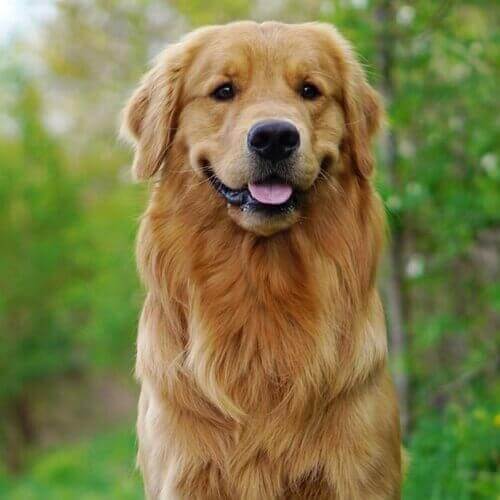
Golden Retriever — Best Dog Breed for Kids Who Want a Gentle Playmate
 Save
Save| Weight | 55-75 pounds |
| Height | 21.5-24 inches |
| Lifespan | 10-12 years |
| Energy Level | Medium to high |
| Grooming Need | Medium |
| Shedding | High |
The Golden Retriever is a warm family dog known for patience, softness, and play. This medium-large breed usually weighs 55 to 75 pounds. Goldens enjoy games, training, and close family time. They suit homes that want a gentle dog and can handle daily brushing.
The golden coat shines in sunlight. Their soft ears and smiling face win hearts fast.
Goldens love fetch and praise. Even better, many pause before reacting.
“Our Golden waits by the stairs each school morning. He acts like the bus helper.”
— Representative Golden Retriever owner, 6 years
- Patient with respectful children
- Learns family rules fast
- Loves fetch and walks
- Sheds heavily year-round
- Needs steady daily exercise
- Puppies can mouth hands
Best for: Active families · School-age kids · First-time dog owners
Labrador Retriever — Best Dog Breed for Kids With Active Homes
| Weight | 55-80 pounds |
| Height | 21.5-24.5 inches |
| Lifespan | 11-13 years |
| Energy Level | High |
| Grooming Need | Low to medium |
| Shedding | High seasonal shedding |
The Labrador Retriever is a playful family dog known for eagerness, strength, and charm. Labs usually weigh 55 to 80 pounds. They love games, water, food puzzles, and training. They suit families that can give exercise before expecting calm indoor behavior.
The Lab has a strong body and kind face. Its tail can clear a coffee table.
Labs greet life with full force. But training turns that force into fun.
“Our Lab brings one shoe to every guest. He thinks it is polite.”
— Representative Labrador Retriever owner, 5 years
- Great outdoor play partner
- Highly food motivated
- Friendly with many people
- Can knock toddlers over
- Chews when bored
- Needs weight control
Best for: Active kids · Yard homes · Outdoor families
Beagle — Best Dog Breed for Kids Who Love Small Adventure
| Weight | 20-30 pounds |
| Height | 13-15 inches |
| Lifespan | 10-15 years |
| Energy Level | Medium to high |
| Grooming Need | Low |
| Shedding | Medium |
The Beagle is a cheerful kid-friendly dog known for scent work and pack spirit. Most Beagles weigh 20 to 30 pounds. They enjoy walks, food games, and family noise. They suit homes that can manage barking, sniffing, and strong food interest.
The Beagle has soft ears and bright eyes. Its compact body feels sturdy.
Beagles follow their nose first. The surprise is how fast food training works.
“Our Beagle finds snack crumbs before anyone sits down. The kids call him Inspector.”
— Representative Beagle owner, 4 years
- Sturdy small-family size
- Loves scent games
- Usually enjoys groups
- Barks and bays loudly
- Follows scents outside
- Can steal food
Best for: School-age kids · Small yards · Scent-game families
Cavalier King Charles Spaniel — Best Dog Breed for Gentle Kids
| Weight | 13-18 pounds |
| Height | 12-13 inches |
| Lifespan | 12-15 years |
| Energy Level | Low to medium |
| Grooming Need | Medium |
| Shedding | Medium |
The Cavalier King Charles Spaniel is a sweet small dog known for soft manners. This breed weighs 13 to 18 pounds. Cavaliers enjoy laps, short walks, and calm games. They suit gentle children who can respect a small dog’s body.
The Cavalier has round eyes and silky ears. Its soft coat gives a royal look.
Cavaliers want to stay close. But rough handling can scare them fast.
“Our Cavalier joins story time every night. She picks the same blanket spot.”
— Representative Cavalier owner, 3 years
- Sweet indoor companion
- Good for small homes
- Easy exercise needs
- Fragile near rough kids
- Needs ear care
- Can dislike alone time
Best for: Gentle kids · Apartment homes · Calm families
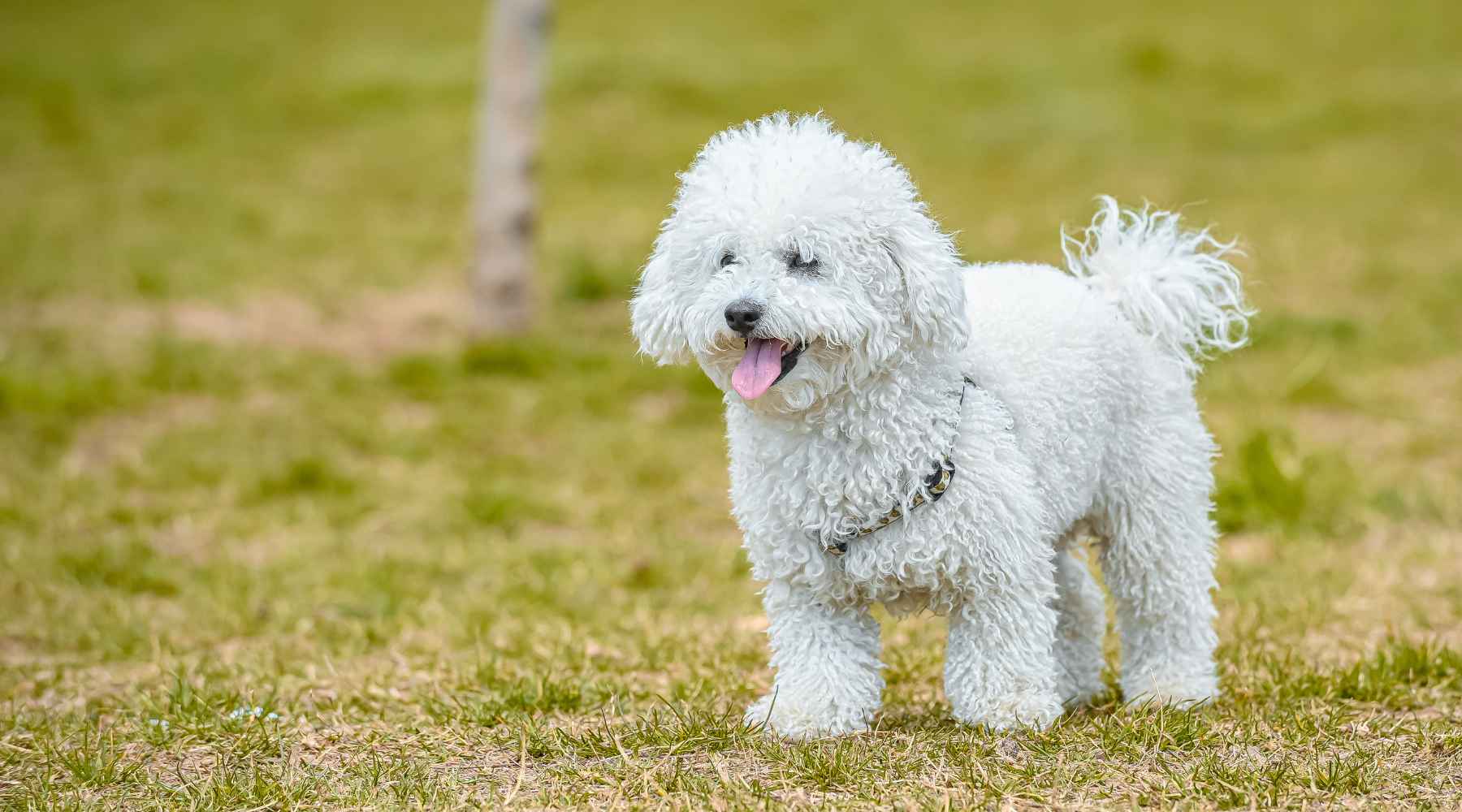
Poodle — Best Dog Breed for Kids With Allergy Concerns
 Save
Save| Weight | 40-70 pounds standard |
| Height | Over 15 inches standard |
| Lifespan | 10-18 years |
| Energy Level | Medium to high |
| Grooming Need | High |
| Shedding | Low |
The Poodle is a smart kid-friendly breed known for curls, focus, and low shedding. Standard Poodles suit many families best. They are playful, quick to train, and alert. They suit homes that can afford grooming and mental games.
The curly coat catches loose hair. Many families keep the coat short.
Poodles learn patterns very fast. The wow part is their emotional awareness.
“Our Poodle knows homework time. He lies under the table until pencils close.”
— Representative Poodle owner, 7 years
- Very easy to train
- Low-shedding curly coat
- Good size options
- Needs paid grooming
- Gets bored quickly
- Can be sensitive
Best for: Allergy-aware homes · Training-focused parents · Older kids
→ best dog breeds for families with allergies
Boxer — Best Dog Breed for Kids Who Love Rough-and-Tumble Play
The Boxer is a bouncy family dog known for humor, strength, and devotion. Most Boxers weigh 50 to 80 pounds. They love games and close human contact. They suit active families that can train jumping, greeting, and calm indoor manners.
Boxers have square heads and bright eyes. Their body looks athletic and ready.
They act like clowns around family. But their strength needs steady control.
- Playful with older kids
- Short easy coat
- Strong family bond
- Too bouncy for toddlers
- Needs firm jump training
- Dislikes extreme heat
Best for: Active homes · Older kids · Playful families
Collie — Best Dog Breed for Kids Who Need a Gentle Watcher
The Collie is a graceful family dog known for care, focus, and soft manners. Most Collies weigh 50 to 75 pounds. They are alert without being harsh. They suit families that want a gentle dog with a steady routine.
The long coat frames the face like a mane. Smooth Collies need less coat work.
Collies often watch children closely. Even better, many respond well to calm words.
- Gentle family watcher
- Smart and trainable
- Often patient indoors
- Long coat sheds
- Can bark alerts
- Needs calm social time
Best for: Gentle kids · Routine homes · Calm families
Newfoundland — Best Dog Breed for Kids Who Need a Calm Giant
The Newfoundland is a giant family dog known for calm, patience, and strength. Most Newfoundlands weigh 100 to 150 pounds. They are sweet but massive. They suit homes with space, grooming time, and careful child supervision.
The Newfoundland has a thick coat and huge paws. Its size can shock first-time owners.
Newfies often move slowly indoors. The surprise is how gentle giants still need rules.
- Very calm family nature
- Patient with children
- Strong steady presence
- Needs lots of space
- Drools and sheds
- Costs more to feed
Best for: Large homes · Calm kids · Giant-breed families
→ best dog breeds for families with babies
Bulldog — Best Dog Breed for Kids in Calm Homes
The Bulldog is a low-energy family dog known for calm charm and sturdy build. Most Bulldogs weigh 40 to 50 pounds. They enjoy short walks and couch time. They suit families that want a gentle dog with modest exercise needs.
The Bulldog has a wide head and heavy body. Its face has deep folds.
Bulldogs can be funny and stubborn. But heat and weight need careful control.
- Low exercise needs
- Sturdy body type
- Calm indoor style
- Heat risk is serious
- Face folds need care
- Can be stubborn
Best for: Calm homes · Less active kids · Apartment families
Irish Setter — Best Dog Breed for Kids Who Love Outdoor Fun
 Save
SaveThe Irish Setter is a bright family dog known for speed, joy, and red beauty. Most Irish Setters weigh 60 to 70 pounds. They need running, training, and play. They suit active homes with older children and outdoor routines.
The red coat looks rich and flowing. Their long legs make them elegant runners.
Irish Setters stay playful for years. The wow part is their endless cheer.
- Fun outdoor energy
- Sweet family nature
- Beautiful flowing coat
- Needs lots of running
- Can stay puppy-like
- Coat needs brushing
Best for: Outdoor kids · Active parents · Yard homes
How Do the Best Dog Breeds for Kids Compare Side by Side?
The best way to compare dog breeds for kids is by size, energy, grooming, shedding, and child fit. Golden Retrievers and Labradors suit broad family needs. Cavaliers and Bulldogs suit calmer homes. Beagles work well for sturdy small-dog families. Poodles help families that want low shedding. Boxers and Irish Setters need active kids. Collies bring calm watchfulness. Newfoundlands offer gentle size, but they need space. Use the table below as a first filter, not a final answer.
Now let’s make the choice easier.
| Breed | Size | Energy | Best Kid Fit |
|---|---|---|---|
| Golden Retriever | Large | Medium-high | Most families |
| Labrador Retriever | Large | High | Active kids |
| Beagle | Small-medium | Medium-high | School-age kids |
| Cavalier | Small | Low-medium | Gentle kids |
| Poodle | Varied | Medium-high | Training homes |
| Boxer | Large | High | Older kids |
| Collie | Large | Medium | Gentle families |
| Newfoundland | Giant | Medium | Calm kids |
| Bulldog | Medium | Low | Calm homes |
| Irish Setter | Large | High | Outdoor kids |
You might be thinking the top breed always wins. Here’s why it does not.
A great breed can still fail in the wrong routine.
Which Kid-Friendly Dog Breed Is Right for Your Family?
The right dog breed for your family depends on your child’s age, your activity level, your space, and your care budget. If you want the safest all-around choice, start with a Golden Retriever. If your home is active, choose a Labrador or Irish Setter. If your child is gentle and your home is small, choose a Cavalier. If allergies worry you, start with a Poodle. If you want a calm giant, consider a Newfoundland only if you have space.
Here’s the thing. You are not picking a breed for one cute photo.
You are picking a daily routine for the next 8 to 15 years.
If you are a first-time owner, choose Golden Retriever, Labrador, Poodle, or Cavalier first. If you have toddlers, choose calm size and patience. If you have active older kids, consider Boxer, Irish Setter, or Labrador.
When families choose only by looks, problems show up fast.
That taught me to match energy before cuteness.
If you also own cats, read this guide to dog breeds for families with cats.
What Most People Get Wrong About Dog Breeds for Kids
Most people think a kid-friendly breed is safe by default. That is not true. A breed can have a gentle pattern, but each dog still has its own history, health, fear level, and training. Children also need rules. Most experts agree that adults should supervise young children around dogs. The biggest mistake is leaving kids and dogs to “figure it out.” Safe family life comes from breed fit, training, and daily supervision.
The common myth sounds harmless. “This breed is good with kids.”
But here’s the thing. Good with kids does not mean bulletproof.
A dog may react if a child pulls ears. A dog may guard food or toys.
The AVMA dog bite prevention guide says young children need supervision around dogs.
Never leave babies, toddlers, or preschoolers alone with any dog.
You might be thinking your dog would never bite. Here’s why caution still matters.
Even sweet dogs can react to pain, fear, or stress.
How Can Kids Live Safely With a Family Dog?
Kids can live safely with a family dog when adults set clear rules from day one. Teach children not to grab, climb, hug tightly, disturb sleep, or touch food bowls. Teach the dog calm greetings, leave it, sit, and place. Most experts agree that handwashing also matters after pet contact. The safest homes use simple routines. The child learns respect. The dog learns structure. Everyone gets fewer surprises.
Start with one rule today. Dogs need space when eating or sleeping.
Then add calm greetings. No running into the dog’s face.
The CDC dog health and safety guide also recommends handwashing after contact.
- Teach kids to let sleeping dogs rest.
- Feed the dog away from children.
- Use calm greetings at the door.
- Reward the dog for soft behavior.
- Wash hands after play and cleanup.
This article covers breed choice and basic home safety.
If your dog shows fear, growling, or guarding, contact a qualified trainer.
What Should You Do Before Bringing a Dog Home for Kids?
Before bringing a dog home for kids, match the breed to your routine, meet adult dogs from that breed, and plan training before adoption. Ask about health, temperament, energy, and grooming needs. Watch how your child acts around calm dogs first. Then set house rules before the dog arrives. A good start prevents many problems. The first week should feel slow, calm, and planned.
The first day should not be a party.
Give the dog one quiet space, one routine, and one clear adult leader.
When families rush introductions, the dog may feel trapped. That taught me patience.
Pick the breed last, not first. Start with your child’s age, your schedule, your home size, and your training plan.
Now you can make the final choice with far less guesswork.
Conclusion: What Is the Best Dog Breed for Kids?
The best dog breed for kids is the one your family can guide every day.
For most homes, Golden Retriever is the safest first choice.
For active homes, Labrador Retriever is hard to beat.
One thing to do right now: write your child’s age, your home size, and your daily walk time. Then match the breed list again with those facts. I’m Thomas Cutter, and that simple step can save years of stress.
Frequently Asked Questions
What is the best dog breed for kids overall?
The Golden Retriever is the best dog breed for most kids. It is gentle, trainable, playful, and patient in many family homes. It still needs exercise, grooming, and supervision, so families should plan daily walks and calm house rules.
What is the safest dog breed for small children?
No breed is fully safe without supervision. Calm breeds like Golden Retriever, Cavalier King Charles Spaniel, and Newfoundland often work well with respectful children. The safest choice depends on the child’s behavior, the dog’s training, and adult oversight.
Are small dogs better for kids than big dogs?
Small dogs are not always better for kids. Many small breeds are fragile and may fear rough handling. A larger calm dog can be safer for respectful children, while a small gentle dog suits quieter homes.
Which dog breeds should families with kids avoid?
Families should avoid breeds they cannot train, exercise, or manage safely. High-drive guard breeds, fragile toy breeds, and intense working dogs can be poor fits for beginners. The issue is usually mismatch, not the breed alone.
How old should a child be before getting a dog?
Many families do better when children are at least 5 or 6 years old. Younger children can live safely with dogs, but they need close adult supervision. The child must learn gentle hands, quiet greetings, and respect for dog space

Thomas Cutter is a lifelong dog owner and the founder of FindOutAboutDogs.com. With over 10 years of hands-on experience owning multiple breeds, Thomas created this site to provide honest, research-based dog advice that real owners can actually trust.
