Best 10 Family Dog Breeds Easy to Train — A Practical Guide by Thomas Cutter
Quick Answer
The best 10 family dog breeds easy to train are Golden Retriever, Labrador Retriever, Poodle, Border Collie, Collie, Shetland Sheepdog, Papillon, Pembroke Welsh Corgi, Australian Shepherd, and Miniature Schnauzer. The best choice depends on your kids, home size, time, and daily energy.
| Breed | Best For |
|---|---|
| Golden Retriever | Most family homes |
| Poodle | Smart, allergy-aware homes |
| Miniature Schnauzer | Small homes and school-age kids |
Choose an easy-to-train family dog if:
- You can train 10 minutes each day.
- Your kids can follow calm dog rules.
- Your home matches the breed’s energy.
- You can afford care, food, and grooming.
Your child wants a dog, and your home feels ready.
But then the real question hits. Which breed will learn fast and fit family life?
I’m Thomas Cutter, a lifelong dog owner and founder of FindOutAboutDogs.com. I’ve seen one truth repeat often.
A trainable dog is not always an easy dog. The best family dog matches your home first.
If you have young kids, you may also like this guide to family dog breeds for kids.
- Golden Retrievers suit the widest range of families.
- Poodles are smart, trainable, and low-shedding.
- Herding breeds learn fast but need more jobs.
- Small trainable dogs still need firm house rules.
- The best breed is the one your family can manage daily.


What Makes a Family Dog Easy to Train?
A family dog is easy to train when it wants to work with people, learns patterns fast, and handles home life well. The best breeds are not just smart. They also respond to praise, food, play, and clear rules. In 2026, most experts agree that reward-based training is the safest start for families.
You also need a dog that fits your real day. A smart dog can still become hard work without walks, sleep, and calm rules. So if your family has little time, choose steady and people-focused. If your family loves motion, a herding or sporting breed may shine.
Here’s why that matters. Trainable does not mean perfect.
A Border Collie may learn a cue in minutes. Yet it may also invent work when bored.
You might be thinking smart breeds solve every problem. Here’s why they do not.
Smart dogs learn good habits fast. They also learn bad habits fast.
When families ask me about “easy dogs,” I watch their schedule first. That taught me one rule.
Pick for your real week, not your best weekend.
The AVMA pet dog selection guide also points families toward lifestyle fit.
Now let’s rank the breeds by real family use.
The 10 Best Family Dog Breeds Easy to Train
The best 10 family dog breeds easy to train are Golden Retriever, Labrador Retriever, Poodle, Border Collie, Collie, Shetland Sheepdog, Papillon, Pembroke Welsh Corgi, Australian Shepherd, and Miniature Schnauzer. Each breed earns a place because it combines trainability with strong family value. Yet each one fits a different home.
Golden Retrievers and Labradors suit many first-time families. Poodles suit homes that want sharp learning and less loose hair. Herding breeds suit active families with time. Papillons and Miniature Schnauzers suit smaller homes. The right choice depends on your kids, routine, grooming budget, and daily patience.
Golden Retriever — Easy-to-Train Family Dog With a Soft Heart
 Save
Save| Weight | 55-75 pounds |
| Height | 21.5-24 inches |
| Lifespan | 10-12 years |
| Energy Level | Medium to high |
| Grooming Need | Medium |
| Shedding | High seasonal shedding |
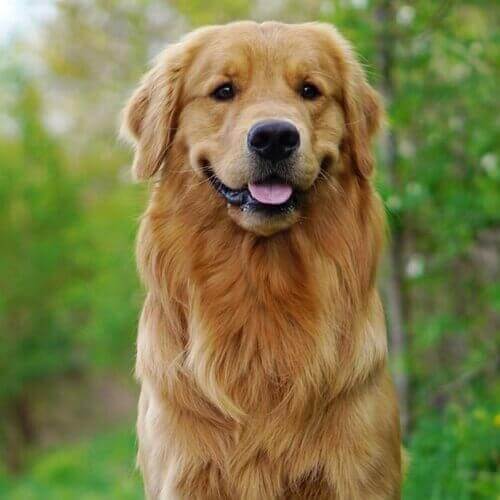
The Golden Retriever is an easy-to-train family dog known for patience, warmth, and eagerness. It is a medium-large breed with a soft golden coat. Goldens often learn manners well through praise and play. They suit families that want a gentle, active, people-loving dog.
Golden Retrievers have a broad head and kind eyes. Their feathered coat shines most after a good brush.
Most people expect a sweet dog. The surprise is how well Goldens read family mood.
“Our Golden learned the school pickup routine fast. He waits by the door before anyone grabs keys.”
— Megan R., Golden Retriever owner for 6 years
- Patient with many children
- Learns routines quickly
- Loves fetch and praise
- Sheds heavily in seasons
- Needs daily exercise
- Can mouth when young
Best for: First-time families · Active kids · Patient homes
Labrador Retriever — Easy-to-Train Family Dog With Big Joy
| Weight | 55-80 pounds |
| Height | 21.5-24.5 inches |
| Lifespan | 11-13 years |
| Energy Level | High |
| Grooming Need | Low to medium |
| Shedding | Medium to high |
The Labrador Retriever is an easy-to-train family dog known for joy, food drive, and strong people focus. It is a medium-large sporting breed with a short coat. Labs learn fast when rewards stay clear. They suit active families that enjoy walks, fetch, water, and play.
Labradors have a strong body and otter-like tail. Their short coat hides a thick undercoat.
Most people expect a happy dog. But Labs can become chewing machines without exercise.
“Our Lab learned sit in one day. Leave-it took longer because snacks are his religion.”
— Daniel K., Labrador Retriever owner for 5 years
- Food rewards work well
- Loves family games
- Short coat needs less care
- Can jump on kids
- Needs strong exercise
- Steals food often
Best for: Active families · Outdoor kids · Food-based training
Poodle — Easy-to-Train Family Dog With Bright Focus
| Weight | 40-70 pounds standard |
| Height | Over 15 inches standard |
| Lifespan | 10-18 years |
| Energy Level | Medium to high |
| Grooming Need | High |
| Shedding | Low |
The Poodle is an easy-to-train family dog known for sharp learning and low shedding. Standard Poodles give the best size for many homes with kids. They are athletic, social, and fast with cues. They suit families that can handle grooming and brain games.
Poodles have tight curls that catch loose hair. A simple short trim can look clean.
Most people expect fancy looks. The wow part is the working brain under them.
“Our Poodle learned each child by name. She brings the right toy to the right room.”
— Priya S., Poodle owner for 7 years
- Very quick learner
- Low loose-hair spread
- Good size range
- Grooming costs add up
- Boredom creates mischief
- Needs steady brain work
Best for: Allergy-aware homes · Smart-dog fans · Active families
→ Best dog breeds for families with allergies
Border Collie — Easy-to-Train Family Dog for Busy Homes
| Weight | 30-55 pounds |
| Height | 18-22 inches |
| Lifespan | 12-15 years |
| Energy Level | Very high |
| Grooming Need | Medium |
| Shedding | Medium seasonal shedding |
The Border Collie is an easy-to-train family dog for active, skilled homes. It is a medium herding breed with huge focus. Border Collies learn cues fast and love problem-solving. They suit families that can offer games, movement, structure, and daily mental work.
Border Collies look alert, lean, and ready. Their eyes often lock onto motion.
Most people expect a genius dog. The surprise is how much rest training matters.
“Our Border Collie learned toy names fast. Then she started naming games herself.”
— Aaron P., Border Collie owner for 4 years
- Learns complex cues fast
- Great sport partner
- Strong family focus
- Too intense for some homes
- May herd running kids
- Needs daily mental tasks
Best for: Active families · Teen owners · Sport homes
Collie — Easy-to-Train Family Dog With Gentle Sense
 Save
Save| Weight | 50-75 pounds |
| Height | 22-26 inches |
| Lifespan | 12-14 years |
| Energy Level | Medium |
| Grooming Need | Medium to high |
| Shedding | Medium to high |
The Collie is an easy-to-train family dog known for gentle awareness and steady manners. It is a medium-large herding breed with rough or smooth coat types. Collies often bond deeply with children. They suit families that want a calm, watchful, trainable companion.
Rough Collies carry a long, flowing coat. Smooth Collies have a sleeker look.
Most people expect the famous Lassie image. The real value is their soft family sense.
“Our Collie notices when our youngest cries. She sits close without crowding him.”
— Laura M., Collie owner for 8 years
- Gentle with many kids
- Reads family mood well
- Responds to calm praise
- Coat needs brushing
- Can bark at motion
- May dislike harsh voices
Best for: Gentle homes · School-age kids · Calm trainers
→ Best dog breeds for families with toddlers
Shetland Sheepdog — Easy-to-Train Family Dog With Quick Ears
| Weight | 15-25 pounds |
| Height | 13-16 inches |
| Lifespan | 12-14 years |
| Energy Level | Medium to high |
| Grooming Need | Medium to high |
| Shedding | Medium seasonal shedding |
The Shetland Sheepdog is an easy-to-train family dog known for speed, focus, and alertness. It is a small herding breed with a long double coat. Shelties learn fast and watch people closely. They suit families that enjoy training games and clear routines.
Shelties look like small Collies with bright eyes. Their coat forms a full neck ruff.
Most people expect a sweet small dog. But Shelties often notice every sound outside.
“Our Sheltie learned door manners first. Now she reminds the kids to slow down.”
— Helen B., Shetland Sheepdog owner for 6 years
- Learns cues very fast
- Great for dog sports
- Smaller family size
- Barks at small sounds
- Coat mats without brushing
- Sensitive to loud homes
Best for: Training-focused homes · Older kids · Smaller yards
Papillon — Easy-to-Train Family Dog in a Tiny Body
| Weight | 5-10 pounds |
| Height | 8-11 inches |
| Lifespan | 14-16 years |
| Energy Level | Medium to high |
| Grooming Need | Medium |
| Shedding | Low to medium |
The Papillon is an easy-to-train family dog known for bright focus and bold spirit. It is a toy breed with large butterfly-like ears. Papillons learn tricks, cues, and games fast. They suit careful families with older children who respect small bodies.
Papillons have fine coats and wing-shaped ears. Their light frame moves with springy grace.
Most people expect a lap dog. The wow part is their sport-dog mind.
“Our Papillon learned spin from my daughter. Then he added a bow himself.”
— Chloe D., Papillon owner for 3 years
- Brilliant for trick training
- Easy to carry
- Long average lifespan
- Too fragile for toddlers
- Can bark at doors
- Needs gentle handling
Best for: Older kids · Small homes · Trick training
Pembroke Welsh Corgi — Easy-to-Train Family Dog With Big Opinions
| Weight | Up to 30 pounds |
| Height | 10-12 inches |
| Lifespan | 12-13 years |
| Energy Level | Medium to high |
| Grooming Need | Medium |
| Shedding | High seasonal shedding |
The Pembroke Welsh Corgi is an easy-to-train family dog known for bold charm and herding drive. It is a low, sturdy breed with a smart mind. Corgis learn fast when rules stay clear. They suit families that like lively small dogs.
Corgis have short legs and fox-like faces. Their body is low but strong.
Most people expect cute looks. The surprise is how much bossy herding power appears.
“Our Corgi learned the kids’ names fast. He also tries to line them up.”
— Victor M., Pembroke Welsh Corgi owner for 5 years
- Sturdy small-dog build
- Learns routines fast
- Funny family personality
- May nip at heels
- Sheds more than expected
- Weight gain happens fast
Best for: Small homes · Playful kids · Firm routines
Australian Shepherd — Easy-to-Train Family Dog for Active Kids
| Weight | 40-65 pounds |
| Height | 18-23 inches |
| Lifespan | 12-15 years |
| Energy Level | Very high |
| Grooming Need | Medium |
| Shedding | Medium seasonal shedding |
The Australian Shepherd is an easy-to-train family dog for active homes with time. It is a medium herding breed with strong drive. Aussies learn patterns, games, and cues fast. They suit families that hike, train, run, or play outside often.
Australian Shepherds have rich coats and bright eyes. Their colors can look striking and bold.
Most people expect beauty first. The deeper truth is their brain needs work daily.
“Our Aussie learned agility from backyard cones. The kids built courses after school.”
— Simon T., Australian Shepherd owner for 6 years
- Excellent for sport training
- Deep family bond
- Loves active tasks
- Too busy for quiet homes
- May herd children
- Needs daily jobs
Best for: Active kids · Hiking families · Training fans
Miniature Schnauzer — Easy-to-Train Family Dog for Small Homes
 Save
Save| Weight | 11-20 pounds |
| Height | 12-14 inches |
| Lifespan | 12-15 years |
| Energy Level | Medium |
| Grooming Need | Medium to high |
| Shedding | Low |
The Miniature Schnauzer is an easy-to-train family dog known for alertness and charm. It is a small, sturdy breed with a wiry coat. Mini Schnauzers learn fast with firm, kind rules. They suit small homes, busy families, and school-age kids.
Mini Schnauzers have bold brows and a square beard. Their look feels wise and funny.
Most people expect a neat small dog. The surprise is their strong watchdog voice.
“Our Schnauzer learned quiet after two weeks. Now he whispers one bark.”
— Dana L., Miniature Schnauzer owner for 7 years
- Low shedding indoors
- Portable sturdy size
- Learns house rules well
- Barks at new sounds
- Beard traps food
- Needs firm boundaries
Best for: Apartments · School-age kids · Alert-dog fans
Next, compare the breeds side by side.
How Do These Easy-to-Train Family Dogs Compare?
The best way to compare easy-to-train family dogs is by size, energy, grooming, and kid fit. Golden Retrievers and Labradors fit many homes but need exercise. Poodles bring high learning power and low shedding. Border Collies and Aussies need active families. Papillons need careful kids because they are tiny.
Use the table below as a first filter. It does not replace meeting a real dog. Still, it helps you avoid a mismatch. A high-energy breed may look fun online, but it can feel hard after a long school day. Choose the dog your family can train every week.
| Breed | Size | Training Ease | Best Family Fit |
|---|---|---|---|
| Golden Retriever | Large | Very easy | Most families |
| Labrador Retriever | Large | Easy | Active homes |
| Poodle | Medium-large | Very easy | Smart-dog homes |
| Border Collie | Medium | Expert level | Sporty families |
| Collie | Large | Easy | Gentle homes |
| Shetland Sheepdog | Small-medium | Very easy | Training homes |
| Papillon | Toy | Very easy | Older kids |
| Pembroke Welsh Corgi | Small-medium | Easy | Playful homes |
| Australian Shepherd | Medium | Very easy | Active kids |
| Miniature Schnauzer | Small | Easy | Small homes |
For families with babies, size and calm control matter more. See this guide to dog breeds for families with babies.
Which Easy-to-Train Family Dog Is Right for You?
The right easy-to-train family dog depends on your home size, child age, time, and energy. If you want the safest all-around choice, start with a Golden Retriever. If you need low shedding, choose a Poodle. If you want a smaller trainable dog, consider a Miniature Schnauzer or Papillon.
If your family loves sports, a Border Collie or Australian Shepherd can thrive. If your home feels calmer, a Collie may fit better. This article covers breed-level guidance. If your situation involves allergies, aggression, fear, or rescue trauma, you may need a vet or certified trainer.
If you are a first-time family, choose Golden Retriever, Labrador, Poodle, or Collie first. If you are busy and active, choose Australian Shepherd or Border Collie. If you live small, choose Miniature Schnauzer, Papillon, or Corgi.
When a family chooses by looks alone, the daily work becomes a shock. That taught me to ask better questions.
Can you train every day? Can your kids follow rules?
You might be thinking any puppy can fit your home. Here’s why that can fail.
Breed traits shape energy, voice, coat care, and patience. So match the breed first.
If your family has cats too, start with this guide to dog breeds for families with cats.
How Should Families Train an Easy-to-Train Dog?
Families should train an easy-to-train dog with short sessions, clear words, rewards, and shared rules. Most experts agree that reward-based training works best for family homes. Use food, toys, praise, and play to mark good behavior. Keep sessions short so kids and dogs stay calm.
Start with sit, down, come, leave it, drop it, and calm greeting. Teach one cue at a time. Let kids help only under adult watch. A smart dog does not need harsh handling. It needs timing, reward, rest, and fair limits. That keeps trust strong.
- Pick one cue for the week.
- Use the same word every time.
- Reward the right action fast.
- Stop before the dog gets bored.
- Let kids practice with adult help.
The Humane World positive reinforcement guide explains reward timing in plain terms.
You might be thinking treats create spoiled dogs. Here’s the better view.
Food teaches the skill. Later, praise, play, and life rewards can help.
When I see families struggle, timing is often the issue. That taught me to reward fast.
Now let’s fix the biggest training myth.
What Most People Get Wrong About Easy-to-Train Family Dogs
Most people think easy-to-train means low effort, but that is wrong. Easy-to-train dogs often learn faster, not slower. So if your family teaches bad habits by accident, the dog may repeat them quickly. Trainability is power, but your home still needs rules.
The biggest mistake is choosing the smartest breed without enough time. A calm Golden can feel easier than a brilliant Border Collie. A tiny Papillon can learn fast but still need safe handling. In other words, easy training starts with a good match, not just breed rank.
Do not choose a high-drive breed because it looks smart. Choose it only if you can meet its needs.
Common mistakes include long sessions, mixed cue words, and rough play. Those habits confuse dogs fast.
You might be thinking your kids will handle training. Here’s the honest answer.
Kids can help, but adults must lead. Dogs need steady rules from grownups.
The AKC Family Dog Program also focuses on good manners foundations.
Next, let’s wrap the choice into one simple action.
Conclusion: What Should You Do Before Choosing a Breed?
The best 10 family dog breeds easy to train all have real strengths.
But the best dog is the one your family can guide daily.
Write down your home size, child age, and free time.
Then pick 3 breeds to meet in person. I’m Thomas Cutter, and that one step can save years of stress.
Frequently Asked Questions
What is the easiest family dog breed to train?
The Golden Retriever is often the easiest all-around family dog to train. It blends patience, food drive, people focus, and playful energy. Poodles and Labradors are also strong choices. Your best pick still depends on your time, kids, and home size.
Are smart dogs always easier for families?
Smart dogs are not always easier for families. They learn fast, but they also need more mental work. Border Collies and Australian Shepherds can be amazing. But they may feel hard for busy homes without daily training and exercise.
What small family dog is easy to train?
The Miniature Schnauzer and Papillon are both small and easy to train. The Schnauzer is sturdier for family life. The Papillon learns tricks fast but needs careful handling. Choose based on your children’s age and how gentle they are.
Which easy-to-train dog is best for first-time owners?
Golden Retrievers, Labradors, Poodles, and Collies suit many first-time owners. They respond well to calm rules and reward-based training. Still, every puppy needs time, money, vet care, and daily work. First-time owners should avoid very high-drive breeds at first.
Can kids help train a family dog?
Yes, kids can help train a family dog with adult supervision. Short sessions work best. Let children reward simple cues like sit, touch, and come. Adults should manage timing, safety, and rules so the dog does not get confused.

Thomas Cutter is a lifelong dog owner and the founder of FindOutAboutDogs.com. With over 10 years of hands-on experience owning multiple breeds, Thomas created this site to provide honest, research-based dog advice that real owners can actually trust.
