10 Best Dog Breeds for Beach Life — Water-Loving Breeds That Thrive by the Sea
Quick Answer
The best dog breeds for beach life are strong swimmers with weather-resistant coats and high energy. Top picks include the Labrador Retriever, Portuguese Water Dog, Golden Retriever, Vizsla, and Standard Poodle. Each breed handles sand, saltwater, and sun better than most, but coat type and heat tolerance still matter most when you choose.
What to check before you pick a beach dog:
- Webbed feet or a water-resistant coat for swimming
- Moderate to high energy that matches long beach days
- A coat that dries fast and resists sand matting
- Good heat tolerance for hot sand and direct sun
Your dog stands at the edge of the water, tail spinning like a propeller, and you can already tell this breed was built for this. I’m a longtime dog owner who has spent years testing which breeds actually love the coast and which ones just tolerate it. Some dogs jump straight into the surf. Others sit on the towel and shiver. That difference comes down to genetics, not attitude.
Picking the wrong breed for beach life leads to real problems. Matted coats. Sunburned skin. Dogs who panic in waves. This guide fixes that. You’ll find ten breeds that were practically designed for sand and saltwater, plus the care tips that keep them safe once you get there.
- Water-bred retrievers and spaniels almost always outperform other breeds at the beach.
- Coat type matters more than size when it comes to sand and saltwater.
- Heat tolerance varies a lot, even among strong swimmers.
- Rinsing off salt and sand after every trip prevents skin and ear problems.
- No single breed is perfect for every owner. Your climate and activity level matter too.


What Makes a Dog Breed Good for Beach Life?
A dog does well at the beach when it has a water-resistant coat, webbed or semi-webbed feet, and enough energy to enjoy long walks on soft sand. Most of these breeds come from hunting or retrieving backgrounds, where swimming in cold water was part of the job. That history still shapes their bodies today.
Here’s the thing. Not every “water dog” label means the same thing. A Labrador swims because its double coat sheds water and its tail acts like a rudder. A Poodle swims because its curly coat was bred for European wetlands, not because it likes getting wet for fun. Both end up loving the beach, but for different physical reasons.
Owners often assume any medium-sized, athletic dog will do fine near water. That’s not quite right. A Siberian Husky, for example, has a thick coat built to trap heat, which makes hot sand risky. A Greyhound has almost no body fat to insulate against cold surf. So what does that mean for you? Match the breed’s original job to your beach plans, not just its size or looks.
The 10 Best Dog Breeds for Beach Life — Ranked and Reviewed
Labrador Retriever — “The Original Beach Dog”
 Save
Save| Weight | 55 to 80 lbs |
| Height | 21.5 to 24.5 in |
| Lifespan | 10 to 12 years |
| Energy Level | High |
| Grooming Need | Weekly brushing |
| Shedding | Heavy, seasonal |
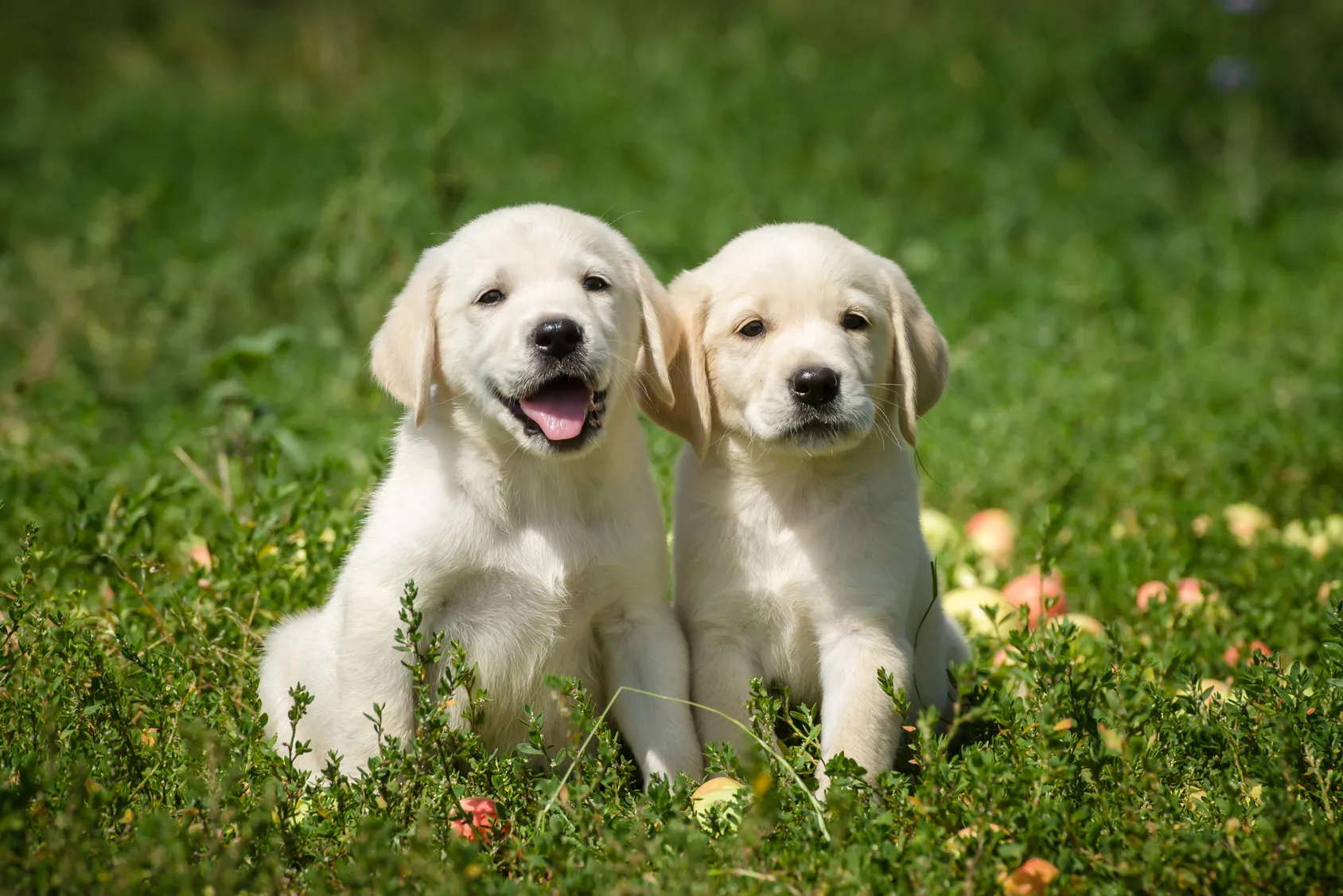
The Labrador Retriever is America’s most popular breed and a natural-born swimmer, known for its otter-like tail and water-repellent double coat. It weighs 55 to 80 lbs and thrives on long, active days. Labs are friendly, food-driven, and endlessly patient with kids at the shoreline, making them ideal for active beach families.
Their thick double coat sheds water in seconds, so they never look as soaked as they feel. A powerful, tapered tail works like a boat rudder in open water.
Labs will retrieve the same tennis ball 200 times without complaint. But here’s the surprising part: many Labs will guard a beach towel like it’s a job assignment, refusing to let it blow away.
“Our Lab has done more laps in the ocean than I have. He swims out after every wave like it personally challenged him.”
— Illustrative example based on typical Labrador owner experiences, shared for context only.
- Tireless swimmer and retriever
- Gentle with kids and other dogs
- Coat dries fast after saltwater
- Sheds heavily onto towels and cars
- Prone to weight gain if underexercised
- Strong prey drive near shorebirds
Best for: Active families · First-time large-dog owners · Anyone who wants a tireless swim partner
Large dog breeds that fit active families
Portuguese Water Dog — “The Sailor’s Best Friend”
| Weight | 35 to 60 lbs |
| Height | 17 to 23 in |
| Lifespan | 11 to 13 years |
| Energy Level | High |
| Grooming Need | High, every 4 to 6 weeks |
| Shedding | Low, hypoallergenic-friendly |
The Portuguese Water Dog was bred to herd fish and retrieve gear for Portuguese fishermen at sea. It weighs 35 to 60 lbs and has fully webbed feet built for paddling. This breed is smart, athletic, and low-shedding, making it a great match for beach lovers who also want a lighter-shedding companion.
Their curly, waterproof coat holds almost no odor after a swim. Webbed feet give them real paddling power in open water.
Most people know this breed from the White House, since the Obama family owned two. What fewer people know is that this breed can dive underwater to retrieve dropped nets, a skill still visible when they chase sinking toys today.
“She dives for sinking sticks like it’s second nature. I’ve never seen a dog so calm in rough surf.”
— Illustrative example based on typical Portuguese Water Dog owner experiences, shared for context only.
- Webbed feet built for real paddling
- Low shedding, easier on allergies
- Highly trainable and food-motivated
- Needs professional grooming often
- Can be stubborn without training
- Higher purchase price than most breeds
Best for: Owners with mild allergies · Active singles or couples · Sailing and boating households
Hypoallergenic dog breeds that shed less
Golden Retriever — “The Happy Swimmer”
| Weight | 55 to 75 lbs |
| Height | 21.5 to 24 in |
| Lifespan | 10 to 12 years |
| Energy Level | High |
| Grooming Need | Frequent brushing |
| Shedding | Heavy, seasonal |
The Golden Retriever is a gentle, water-loving breed originally developed in Scotland to retrieve waterfowl. It weighs 55 to 75 lbs and carries a flowing double coat that repels water well. Goldens are famous for their soft mouths, patient nature, and love of fetch, making them dependable beach companions for families of any age.
Their feathered coat gives them a graceful look even soaking wet. Broad paws and a strong swimming stroke help them cover long stretches of open water.
Everyone expects a Golden to be friendly. Fewer people expect just how food-motivated they get near a cooler. A Golden that smells a sandwich three towels away will find a polite but persistent way to ask for a bite.
“He greets every stranger on the beach like a long-lost friend, then goes right back to chasing waves.”
— Illustrative example based on typical Golden Retriever owner experiences, shared for context only.
- Extremely friendly with strangers and dogs
- Strong, confident swimmer
- Great with children of all ages
- Feathered coat traps sand easily
- Food-motivated, steals snacks
- Ear infections common after swims
Best for: Families with young kids · Social, outgoing households · Owners who fetch as much as their dog does
Friendly dog breeds built for family life
Vizsla — “The Sun-Loving Athlete”
:strip_icc()/HillaryKladkeGettyImages-964594770-505a264849384317a11e77259e8e5feb.jpg) Save
Save| Weight | 44 to 60 lbs |
| Height | 21 to 24 in |
| Lifespan | 12 to 14 years |
| Energy Level | Very high |
| Grooming Need | Minimal |
| Shedding | Low |
The Vizsla is a lean, short-coated Hungarian hunting breed built for stamina in open terrain. It weighs 44 to 60 lbs and its thin coat handles sun and heat far better than thick-coated breeds. Vizslas bond closely with their owners and need serious daily exercise, which makes long beach runs a perfect outlet.
Their short, rust-colored coat sheds sand almost instantly. A lean, muscular frame lets them sprint across soft sand without tiring fast.
People assume a short coat means less beach tolerance. The opposite is often true here. That thin coat actually cools down faster after a swim than thick double coats do, so overheating risk during play can be lower once the dog is wet.
“She sprints the full length of the beach twice before most dogs finish their first lap.”
— Illustrative example based on typical Vizsla owner experiences, shared for context only.
- Thin coat sheds sand quickly
- Very low grooming needs
- Athletic and fast on open sand
- Thin coat sunburns without care
- Needs constant activity, not lazy days
- Prone to separation anxiety
Best for: Runners and hikers · High-energy households · Owners wanting an all-day companion
Active dog breeds for couples on the go
Standard Poodle — “The Curly Coat Swimmer”
| Weight | 45 to 70 lbs |
| Height | Over 15 in |
| Lifespan | 10 to 13 years |
| Energy Level | High |
| Grooming Need | High, every 4 to 6 weeks |
| Shedding | Low, hypoallergenic-friendly |
The Standard Poodle was originally a German and French water retriever, not just a show dog. It weighs 45 to 70 lbs and its dense, curly coat is naturally water-resistant. Poodles are highly intelligent, athletic, and low-shedding, which makes them an underrated pick for owners who want a serious swimmer without heavy fur cleanup.
Under the trim, their coat is thick, curly, and built to insulate in cold water. Long legs give them real reach and power while swimming.
Most people picture Poodles at dog shows, not in the surf. The truth is this breed was bred specifically to retrieve waterfowl from lakes and rivers, and that instinct is still fully intact today.
“People are always shocked our Poodle swims better than their Lab. He was made for it, not just good at it.”
— Illustrative example based on typical Standard Poodle owner experiences, shared for context only.
- Naturally water-resistant coat
- Low shedding, easier cleanup
- Highly trainable around distractions
- Coat mats fast if left unbrushed
- Regular professional grooming needed
- Bored easily without mental work
Best for: Owners with allergies · Households wanting a trainable swimmer · Anyone tired of heavy shedding
Minimal shedding family dog breeds
Newfoundland — “The Lifeguard Dog”
| Weight | 100 to 150 lbs |
| Height | 26 to 28 in |
| Lifespan | 9 to 10 years |
| Energy Level | Moderate |
| Grooming Need | High |
| Shedding | Heavy |
The Newfoundland is a giant working breed developed to help fishermen in icy Canadian waters. It weighs 100 to 150 lbs and has webbed feet plus a water-resistant double coat built for cold-water rescue. Newfoundlands are calm, gentle giants known for pulling swimmers to safety, making them a genuinely protective beach companion.
Their massive webbed paws work like paddles built for open water. A thick, oily double coat keeps cold seawater from reaching the skin.
Everyone knows Newfoundlands are big. Fewer people know they’re trained in some regions as certified water-rescue dogs, pulling people from open water during real emergencies.
“He swims out to my kids like he’s on duty. Calm, steady, and never in a rush.”
— Illustrative example based on typical Newfoundland owner experiences, shared for context only.
- Exceptional strength in open water
- Calm, patient family temperament
- Naturally protective around children
- Heavy coat overheats in strong sun
- Massive size needs space to travel
- Heavy drooling after swims
Best for: Families near cooler coastlines · Owners with large vehicles · Anyone wanting a protective swimmer
Giant dog breeds suited for family life
Australian Shepherd — “The All-Terrain Companion”
| Weight | 40 to 65 lbs |
| Height | 18 to 23 in |
| Lifespan | 12 to 15 years |
| Energy Level | Very high |
| Grooming Need | Moderate |
| Shedding | Moderate to heavy |
The Australian Shepherd is a high-drive herding breed with a weather-resistant double coat and strong stamina. It weighs 40 to 65 lbs and handles sand, surf, and long play sessions with ease. Aussies are smart, loyal, and always ready for a game, which makes them a great match for owners who want an active beach partner.
Their medium-length coat sheds sand better than expected for how thick it looks. Strong legs give them quick, agile movement across uneven, soft sand.
Most people know Aussies as herding dogs on farms. Fewer expect how well that herding drive transfers to chasing frisbees through the surf without ever losing focus.
“She’ll herd the waves back if she could. That drive never turns off, even on vacation.”
— Illustrative example based on typical Australian Shepherd owner experiences, shared for context only.
- Agile on both sand and water
- Highly trainable, focused temperament
- Loyal and protective of family
- Herding instinct can chase joggers
- Needs constant mental stimulation
- Not naturally as strong a swimmer
Best for: Experienced owners · Households with fenced yards · Frisbee and fetch enthusiasts
Dog breeds that keep up with working families
Chesapeake Bay Retriever — “The Cold Water Powerhouse”
| Weight | 55 to 80 lbs |
| Height | 21 to 26 in |
| Lifespan | 10 to 13 years |
| Energy Level | High |
| Grooming Need | Low to moderate |
| Shedding | Moderate |
The Chesapeake Bay Retriever was bred along the Atlantic coast to retrieve waterfowl in icy, rough water. It weighs 55 to 80 lbs and has a wavy, oily coat built to resist cold saltwater. Chessies are tough, independent, and built for rough surf, making them one of the hardiest true beach breeds available.
Their coat holds a natural oil that beads water instead of soaking it in. A broad chest and powerful legs help them push through strong waves.
People often confuse this breed with a Labrador at first glance. The real difference shows up in the water, where the Chessie’s coat and drive were built specifically for icy Atlantic swells.
“Rough surf doesn’t slow him down at all. He goes in when other dogs turn back to shore.”
— Illustrative example based on typical Chesapeake Bay Retriever owner experiences, shared for context only.
- Handles cold, rough water well
- Oily coat resists saltwater damage
- Strong, independent working drive
- More stubborn than most retrievers
- Needs early, consistent training
- Can be wary of strangers
Best for: Experienced dog owners · Cold-water coastal living · Hunting or working households
Guard dog breeds that also do well outdoors
Boykin Spaniel — “The Compact Water Dog”
 Save
Save| Weight | 25 to 40 lbs |
| Height | 14 to 18 in |
| Lifespan | 10 to 15 years |
| Energy Level | High |
| Grooming Need | Moderate |
| Shedding | Low to moderate |
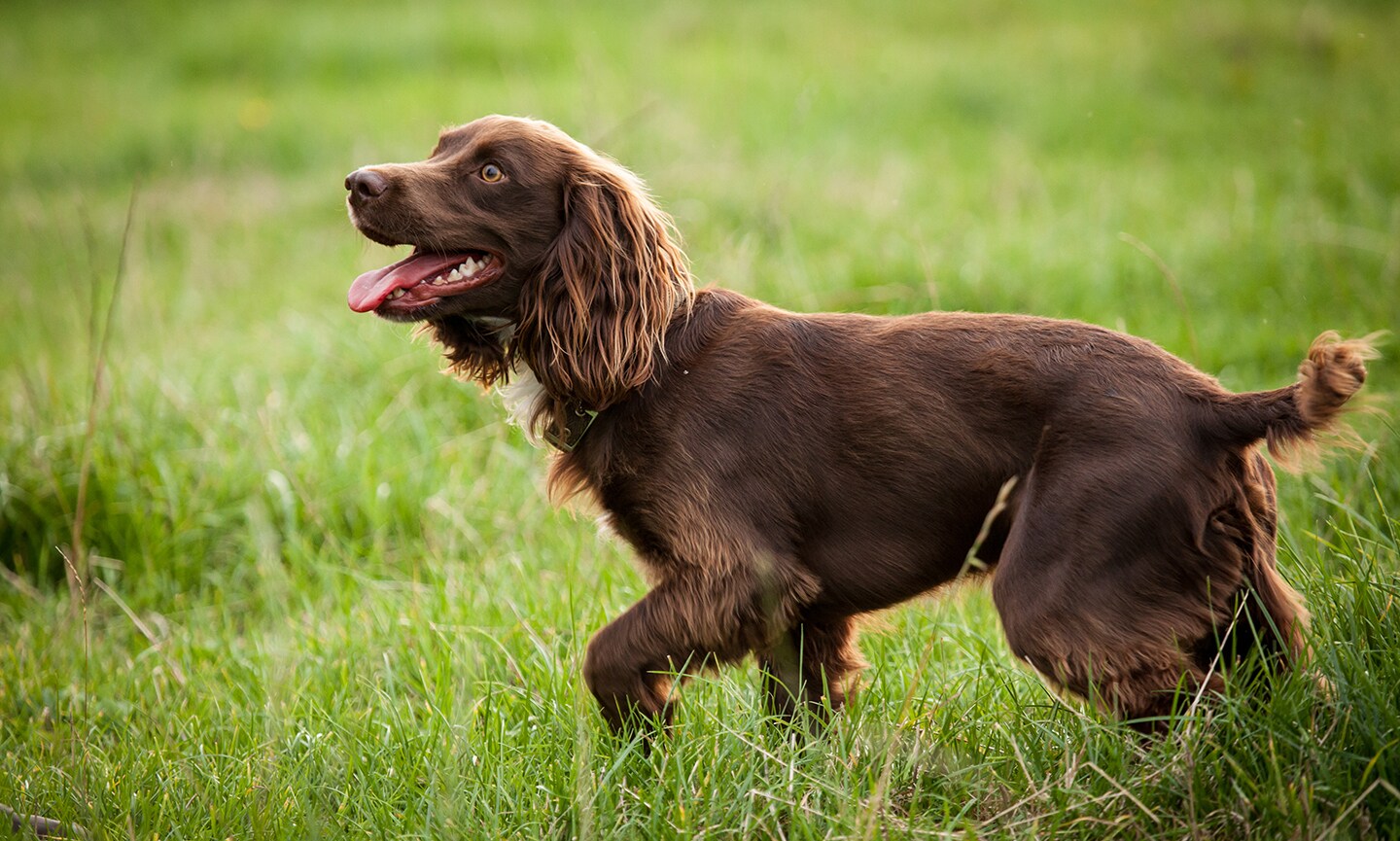
The Boykin Spaniel is South Carolina’s state dog, bred specifically to retrieve waterfowl from small boats. It weighs 25 to 40 lbs, making it a compact but capable swimmer. Boykins are eager, affectionate, and easy to travel with, which makes them a smart pick for smaller homes near the coast.
Their curly, chocolate-brown coat sheds water almost as well as larger retrievers. A compact frame makes them easy to lift into boats or cars.
Most people have never heard of this breed outside the South. What surprises new owners most is how much swimming drive fits into such a small, portable dog.
“He fits in the kayak and still out-swims dogs twice his size once we hit the water.”
— Illustrative example based on typical Boykin Spaniel owner experiences, shared for context only.
- Compact size, easy to travel with
- Strong natural swimming instinct
- Affectionate and eager to please
- Can develop separation anxiety
- Prone to ear infections near water
- Less common, harder to find breeders
Best for: Smaller homes near the coast · Boating and kayaking owners · First-time water dog owners
Small dog breeds suited for first-time owners
Irish Water Spaniel — “The Curly-Coated Diver”
| Weight | 45 to 68 lbs |
| Height | 21 to 24 in |
| Lifespan | 10 to 12 years |
| Energy Level | High |
| Grooming Need | High |
| Shedding | Low, hypoallergenic-friendly |
The Irish Water Spaniel is one of the oldest spaniel breeds, built to dive and retrieve in cold Irish lakes. It weighs 45 to 68 lbs and its dense, curly coat forms a natural wetsuit against cold water. This breed is intelligent, a bit clownish, and rare, making it a distinctive choice for serious beach and boating families.
A topknot of curls and a “rat tail” make this breed easy to spot from a distance. Their oily undercoat repels water even in long, cold swims.
Most owners expect a curly coat to slow a dog down in water. This breed proves the opposite, since that same coat is what lets it dive and stay submerged longer than most spaniels.
“She disappears underwater chasing shells, then pops up like nothing happened.”
— Illustrative example based on typical Irish Water Spaniel owner experiences, shared for context only.
- Built to dive and stay submerged
- Low shedding, allergy-friendly coat
- Playful, clownish personality
- Rare breed, limited availability
- High grooming time commitment
- Can be aloof with strangers
Best for: Owners who want a rare breed · Boating and diving-style play · Households with allergy concerns
Dog breeds well matched to active couples
English Setter — “The Elegant Coastal Runner”
| Weight | 45 to 80 lbs |
| Height | 23 to 27 in |
| Lifespan | 10 to 12 years |
| Energy Level | High |
| Grooming Need | Moderate |
| Shedding | Moderate |
The English Setter is a graceful, feathered hunting breed with long legs made for covering ground fast. It weighs 45 to 80 lbs and enjoys open sand as much as open fields. Setters are gentle, sociable, and built for endurance, making them a strong choice for owners who want long beach walks over short bursts of play.
Long, silky feathering along the legs and tail gives them a striking look in motion. Their lean build lets them cover long beach stretches with ease.
Most people picture Setters pointing at birds in a field. Fewer picture them just as happily loping along a shoreline for hours, since that same stamina carries over to sand.
“We walk two miles of beach and he still wants more. That endurance never seems to run out.”
— Illustrative example based on typical English Setter owner experiences, shared for context only.
- Excellent endurance for long walks
- Gentle, sociable temperament
- Good with other dogs at the beach
- Feathering collects sand and burrs
- Not as strong a swimmer as retrievers
- Needs regular brushing after trips
Best for: Long-distance beach walkers · Multi-dog households · Owners who prefer walking over fetch
Dog breeds that adapt well to city and coastal living
Beach Dog Breed Comparison Table
| Breed | Weight | Coat Type | Heat Tolerance | Grooming |
|---|---|---|---|---|
| Labrador Retriever | 55–80 lbs | Double, water-resistant | Good | Moderate |
| Portuguese Water Dog | 35–60 lbs | Curly, waterproof | Good | High |
| Golden Retriever | 55–75 lbs | Double, feathered | Moderate | High |
| Vizsla | 44–60 lbs | Short, thin | Excellent | Low |
| Standard Poodle | 45–70 lbs | Curly, waterproof | Good | High |
| Newfoundland | 100–150 lbs | Heavy double coat | Poor in heat | High |
| Australian Shepherd | 40–65 lbs | Medium double coat | Moderate | Moderate |
| Chesapeake Bay Retriever | 55–80 lbs | Wavy, oily | Moderate | Low |
| Boykin Spaniel | 25–40 lbs | Curly, water-resistant | Good | Moderate |
| Irish Water Spaniel | 45–68 lbs | Curly, waterproof | Good | High |
| English Setter | 45–80 lbs | Silky, feathered | Moderate | Moderate |
Which Beach Dog Breed Is Right for You?
The right breed depends on your climate, your energy level, and how much grooming you’re willing to do. Here’s a quick way to decide.
- If you live somewhere hot and sunny → the Vizsla is your best bet, thanks to its thin, heat-tolerant coat.
- If you want a low-shedding swimmer → choose the Portuguese Water Dog or Standard Poodle.
- If you have young kids and want a gentle, patient dog → the Golden Retriever or Newfoundland fits best.
- If you live near cold, rough Atlantic surf → the Chesapeake Bay Retriever was built for exactly that.
- If you want a smaller, easy-to-travel-with swimmer → the Boykin Spaniel is hard to beat.
What Most People Get Wrong About Beach Dog Breeds
Many owners assume any dog that likes water will automatically enjoy the beach. That’s a common mix-up. Water in a backyard pool is calm and predictable. Ocean surf is not. Waves, currents, and salt all add real risk that a calm swimmer might not be ready for.
Another mistake is assuming thick fur always means better beach performance. So if you’re picking a breed based on coat thickness alone, know that heavy double coats can trap heat and cause overheating faster than thin coats do, especially on hot sand.
People also underestimate saltwater’s effect on skin and ears. Saltwater dries out skin and can trigger ear infections in floppy-eared breeds. That’s a bigger risk factor than most new owners expect.
Never assume a strong swimmer is safe in open water without supervision. Riptides and undertows can overpower even athletic breeds. Always watch your dog near open water, and consider a dog life jacket in rough surf.
Beach Care Essentials Every Owner Should Know
Beach days are more fun and safer with a bit of prep. These basics keep your dog comfortable long after you’ve packed up the towels.
Rinse your dog with fresh water right after swimming. This removes salt and sand before it dries into the coat and irritates skin.
Check paw pads for hot sand before long walks. The same seven-second hand test used for pavement works well on sand too. If it’s too hot for your hand, it’s too hot for paws.
Dry ears thoroughly after every swim, especially on floppy-eared breeds. Trapped moisture is one of the top causes of ear infections in water-loving dogs. So if your breed has heavy ear flaps, budget extra time for this step every single trip.
Bring fresh water, not just seawater access. Dogs that drink ocean water can develop stomach upset or worse from the salt content. According to veterinary guidance from the American Veterinary Medical Association, pets need constant access to fresh water and shade during warm-weather outings, and this applies directly to beach trips.
Common Mistakes New Beach Dog Owners Make
Letting an untrained dog swim in unfamiliar surf without a leash or supervision is one of the most common and dangerous mistakes new owners make.
Skipping sunscreen on light-coated or thin-coated dogs is another frequent mistake. Breeds like the Vizsla can sunburn on the nose, ears, and belly. Vet-approved pet sunscreen, checked with your vet first, solves this fast.
Owners also forget that hot cars are dangerous even for short beach parking breaks. According to the American Kennel Club, pavement and enclosed vehicles can heat up fast enough to injure paws or cause heatstroke, even on mild days.
Finally, many owners let dogs overexert on the first hot day of the season before they’ve built up heat tolerance. Ease into longer beach sessions over a week or two, especially with thick-coated breeds.
Frequently Asked Questions
What is the best dog breed for beach vacations?
The Labrador Retriever is often the best all-around choice for beach vacations. It swims well, tolerates heat reasonably, and adapts fast to new environments. Portuguese Water Dogs and Standard Poodles are close runners-up for owners who want less shedding.
Are all retrievers good swimmers?
Most retriever breeds swim well, but not equally. Labradors, Golden Retrievers, and Chesapeake Bay Retrievers all have water-resistant coats and webbed or semi-webbed feet built for swimming. Flat-Coated Retrievers also swim well, though they’re less common near beach communities.
Which dog breeds should avoid hot, sunny beaches?
Short-nosed breeds like Bulldogs and Pugs struggle badly in beach heat due to limited airflow. Heavy double-coated breeds like the Newfoundland also overheat faster in direct sun. If you live somewhere hot, choose a thinner-coated, heat-tolerant breed instead.
Do small dog breeds do well at the beach?
Yes, some small breeds do very well, especially the Boykin Spaniel, which was built specifically for water retrieving. Size matters less than coat type and swimming instinct when it comes to true beach performance.
How often should I rinse my dog after the beach?
Rinse your dog with fresh water after every single beach trip, no exceptions. Salt and sand left in the coat can cause skin irritation, matting, and itching within a day or two. A full rinse, followed by thorough towel drying, prevents most of these issues.
Final Thoughts on Choosing a Beach Dog Breed
The best beach dog for you isn’t always the most famous water breed. It’s the one that matches your climate, your energy level, and your grooming routine. A Vizsla thrives in Florida heat where a Newfoundland would struggle, while a Chesapeake Bay Retriever handles Maine surf that would exhaust a Poodle.
This guide covers breeds well suited to swimming, sand, and sun. If your dog also needs to handle apartment living or long car rides to reach the coast, it’s worth checking breed guides built around those specific needs too.
One thing to do right now: before your next beach trip, do the seven-second pavement test on your driveway at midday. If it’s too hot for your hand, plan your next beach visit for early morning or evening instead. Stay safe out there, and enjoy the sand.

Thomas Cutter is a lifelong dog owner and the founder of FindOutAboutDogs.com. With over 10 years of hands-on experience owning multiple breeds, Thomas created this site to provide honest, research-based dog advice that real owners can actually trust.
