10 Best Dog Breeds for a Special Needs Child — Picked for Patience and Calm
Quick Answer
The best dog breeds for a special needs child are calm, low-reactivity, and easy to train. Top picks for 2026 include the Golden Retriever, Labrador Retriever, Cavalier King Charles Spaniel, Standard Poodle, Newfoundland, Beagle, Saint Bernard, Bichon Frise, Pembroke Welsh Corgi, and Collie. The right choice depends on your child’s sensory needs, your home size, and your energy for grooming and exercise.
What to look for in a breed:
- Low reactivity to sudden noise, touch, or movement
- Patient, steady temperament rated by breed clubs and vets
- Easy trainability for predictable routines
- A size that matches your child’s strength and balance
- Manageable grooming and exercise for your family’s energy
Before you choose:
- Meet the puppy’s parents to check temperament firsthand
- Ask about therapy or service-dog lines in that breeder’s dogs
- Match coat type to your child’s sensory tolerance
Picture this. Your child is mid-meltdown, the noise in their head louder than anything in the room. Then a warm, heavy body leans into their legs and just… stays. No demands. No fuss. Just weight, warmth, and quiet.
That’s the moment most families are chasing when they search for the right dog. I’m Thomas Cutter, and I’ve spent years researching breed temperament data from the AKC, veterinary sources, and breed clubs to help families match the right dog to the right child. There’s no single “best” breed for every special need. But some breeds show up again and again in therapy programs, service-dog lines, and family feedback for a reason: steady nerves, gentle mouths, and a knack for reading a room.
In this guide, you’ll find 10 breeds with real AKC-sourced stats, honest pros and cons, and a decision guide built around your child’s specific needs — sensory seeking, sensory avoiding, mobility differences, or a need for calm, predictable routine. By the end, you’ll know exactly which breed fits your family, and what to ask a breeder before you bring a puppy home.
- Golden Retrievers and Labradors top most therapy-dog rosters for steady, predictable temperament.
- Small dogs like the Cavalier and Bichon suit kids who get overwhelmed by big, bouncy energy.
- Giant gentle breeds like the Newfoundland and Saint Bernard offer calm “leaning weight” some kids find soothing.
- Herding breeds (Corgi, Collie) can nip at heels during play — a real consideration for some sensory profiles.
- Always meet the puppy’s parents and ask about temperament testing before you commit.


What Makes a Dog Breed Good for a Special Needs Child?
A dog breed works well for a special needs child when it scores low on reactivity, high on patience, and predictable in routine. The best breeds rarely startle, rarely nip in fear, and tolerate repeated or unusual movements. Trainability matters too, since a calm dog still needs clear house manners to stay safe around a child who communicates differently.
Every child with a disability is different. Some are sensory seekers who want to hug, lean, and squeeze. Others are sensory avoiders who startle at sudden barking or fast movement. So what does that mean for breed choice? It means temperament matters more than breed popularity or looks.
Most experts agree that low prey drive, low noise sensitivity, and a “soft mouth” (gentle with teeth and paws) separate the best family breeds from the rest. Research from service-dog organizations consistently shows that Golden Retrievers, Labradors, and Standard Poodles dominate assistance-dog training programs for exactly this reason — they handle unpredictability well.
You might be thinking any well-trained dog could work. Here’s why breed still matters: training shapes behavior, but genetics shapes baseline temperament. A breed bred for centuries to herd will still feel an urge to nip at running feet, no matter how well it’s trained. Choosing a breed that’s a natural fit means less work correcting instinct later.
The 10 Best Dog Breeds for Special Needs Children — Ranked and Reviewed
Golden Retriever — “The Original Comfort Dog”
 Save
Save| Weight | 55–75 lbs |
| Height | 21.5–24 inches |
| Lifespan | 10–12 years |
| Energy Level | High, needs daily exercise |
| Grooming Need | Brush 1–2x weekly |
| Shedding | Heavy, twice yearly |
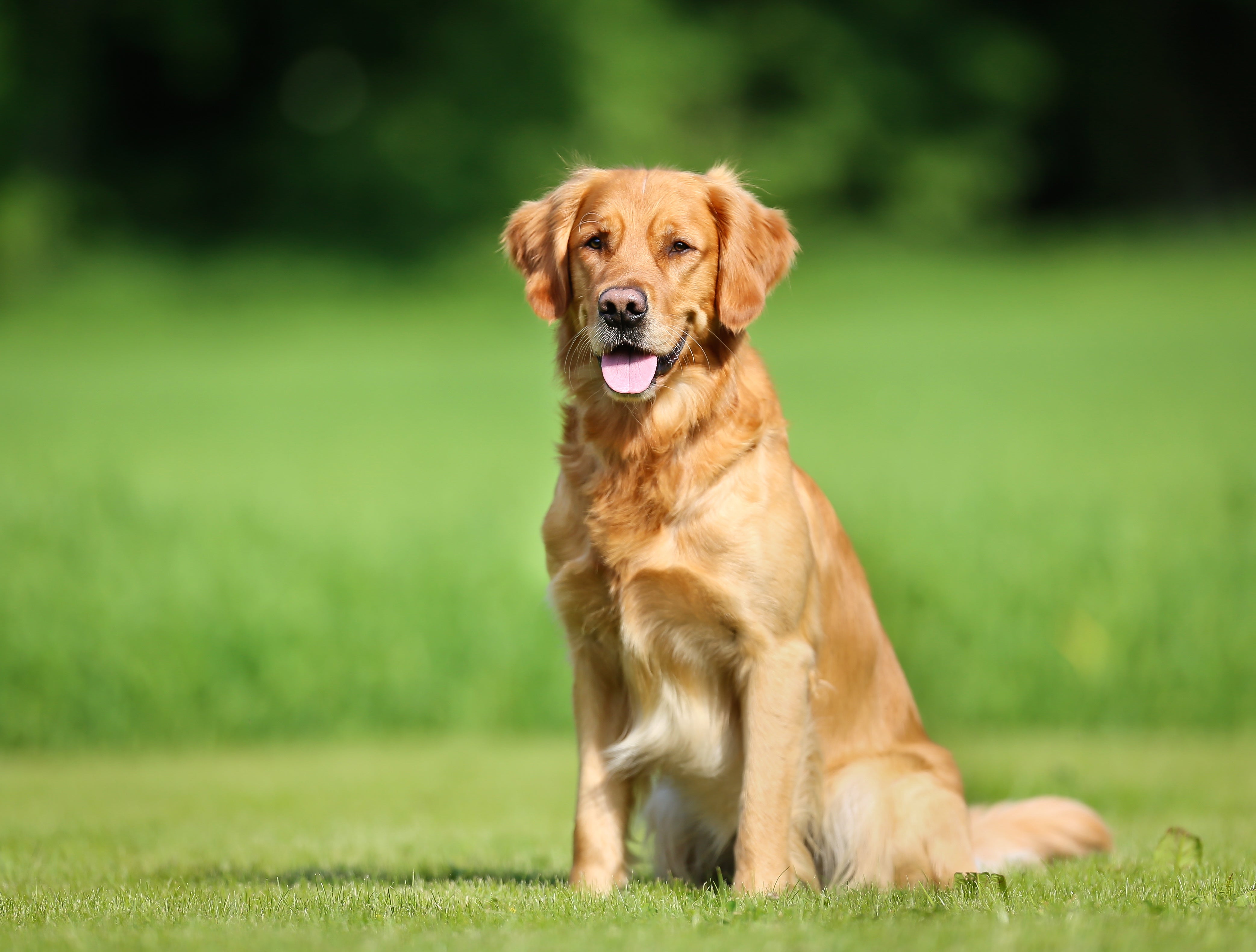
The Golden Retriever is a medium-large sporting dog known for steady nerves and an easy smile. It stands 21.5 to 24 inches tall and lives 10 to 12 years. Goldens rarely show fear-based aggression. They’re the most common breed in North American therapy-dog and guide-dog programs for kids.
You already know the look: a golden, feathered coat and a tail that never seems to stop. What you might not know is how slow Goldens are to startle. Many keep a loose, relaxed body posture even around sudden noise or grabby hands.
Goldens are famously food-motivated, which makes training easier than most owners expect. But here’s the surprising part: many Goldens will tolerate a child falling asleep on them mid-play without moving a muscle. Their patience threshold is unusually high for a sporting breed.
Families often describe Goldens as dogs that “read the room.” Parents of sensory-seeking children frequently note that their Golden seems to lean in harder during a meltdown instead of pulling away, almost as if it understands the moment calls for steady contact rather than play.
- Extremely low fear-aggression rate
- Easy to train with food rewards
- Tolerates rough handling well
- Heavy seasonal shedding twice a year
- Needs 60+ minutes of exercise daily
- Prone to hip dysplasia and cancer
Best for: Sensory seekers · Families with yard space · First-time large-dog owners
→ More large dog breeds for families
Labrador Retriever — “America’s Steady Hand”
| Weight | 55–80 lbs |
| Height | 21.5–24.5 inches |
| Lifespan | 10–14 years |
| Energy Level | High, very food-driven |
| Grooming Need | Weekly brushing |
| Shedding | Heavy, year-round |
The Labrador Retriever is a sturdy, kind-eyed working dog and the most popular breed in the U.S. for good reason. Labs weigh 55 to 80 pounds and live 10 to 14 years. They’re America’s go-to therapy and service-dog breed thanks to low reactivity and an exceptional ability to stay calm under stress.
Labs carry their build in a thick, otter-like tail and a short, dense coat. Their default expression is relaxed, almost sleepy, even in busy environments like hospitals or classrooms.
Most people know Labs as friendly. Fewer know how methodically calm they stay during medical procedures, fire alarms, or wheelchair transfers — traits service-dog trainers specifically select for. The surprise is how little it takes to train a Lab into a “settle” command that holds for hours.
This is the breed most often placed with children who use mobility equipment, since Labs tend to walk steady beside a wheelchair without pulling or weaving. So if you need a dog who can be a calm anchor point during transfers or outings, a well-trained Lab is hard to beat.
- Top choice for service-dog programs
- Forgiving of training mistakes
- Calm around medical equipment
- Prone to obesity without strict portions
- Sheds heavily all year long
- Needs 60–90 minutes of exercise daily
Best for: Kids who use mobility aids · Families wanting a service-dog-style temperament · Active households
→ Best dog breeds for first-time owners
Cavalier King Charles Spaniel — “The Lap-Sized Lifeline”
| Weight | 13–18 lbs |
| Height | 12–13 inches |
| Lifespan | 12–15 years |
| Energy Level | Moderate, settles fast |
| Grooming Need | Weekly brushing |
| Shedding | Light to moderate |
The Cavalier King Charles Spaniel is a small toy breed built specifically to be a lap companion. It weighs 13 to 18 pounds and lives 12 to 15 years. Cavaliers rank among the gentlest toy breeds, with almost no recorded tendency toward shyness or aggression in their breed standard.
Cavaliers carry long, silky ears and large, dark, melting eyes that give them a permanently soft expression. Their size makes them easy for a small child to hold without help.
People expect lap dogs to be yappy or nervous. Cavaliers break that mold. Bred for centuries purely as human companions, they show almost no guarding instinct and rarely snap, even when handled clumsily.
What surprises new owners most is how well Cavaliers tolerate close, prolonged physical contact — squeezing, carrying, even falling asleep draped across them — without pulling away. For a child who needs constant gentle pressure, that tolerance is rare in a dog this size.
- Comfortable for small kids to lift
- Almost no aggression in breed standard
- Settles quickly after play
- High risk of mitral valve heart disease
- Too small to handle very rough play
- Separation anxiety if left alone often
Best for: Small children · Apartment living · Kids needing constant physical contact
→ Best small dog breeds for families
Standard Poodle — “The Genius with the Gentle Coat”
| Weight | 45–70 lbs |
| Height | Over 15 inches |
| Lifespan | 10–18 years |
| Energy Level | High, needs daily activity |
| Grooming Need | Daily brushing, pro clip every 6–8 weeks |
| Shedding | Minimal, low-allergen coat |
The Standard Poodle is a large, athletic, low-shedding dog ranked among the smartest breeds in the world. It stands over 15 inches tall and lives 10 to 18 years. Poodles are widely used as service and guide dogs because their low-allergen coat clears the path for kids with both disabilities and allergies.
Strip away the show-ring haircut and you’ll find a lean, square-built dog that moves with real athletic grace, not the fussy look most people picture.
Most people picture Poodles as fragile or fancy. They’re not. Underneath the curls is one of the most trainable, emotionally steady breeds in existence, originally built as a working water retriever. The genuine surprise is the breed’s “off switch”: a well-raised Standard Poodle can go from a structured training session straight to lying motionless for hours.
This matters enormously for families managing both a sensory disability and a dog allergy at home. A Standard Poodle can check both boxes at once, something almost no other large breed on this list can claim.
- Low-shedding coat helps allergy-prone kids
- Extremely high trainability
- Calm “off switch” once exercised
- Professional grooming every 6–8 weeks
- Needs daily mental stimulation
- Prone to bloat and hip dysplasia
Best for: Kids with allergies and sensory needs · Families wanting a trainable service-style dog
→ Best dog breeds for families with allergies
Newfoundland — “The Gentle Giant Nanny Dog”
 Save
Save| Weight | 100–150 lbs |
| Height | 26–28 inches |
| Lifespan | 9–10 years |
| Energy Level | Low to moderate |
| Grooming Need | Brushing several times weekly |
| Shedding | Heavy, year-round |
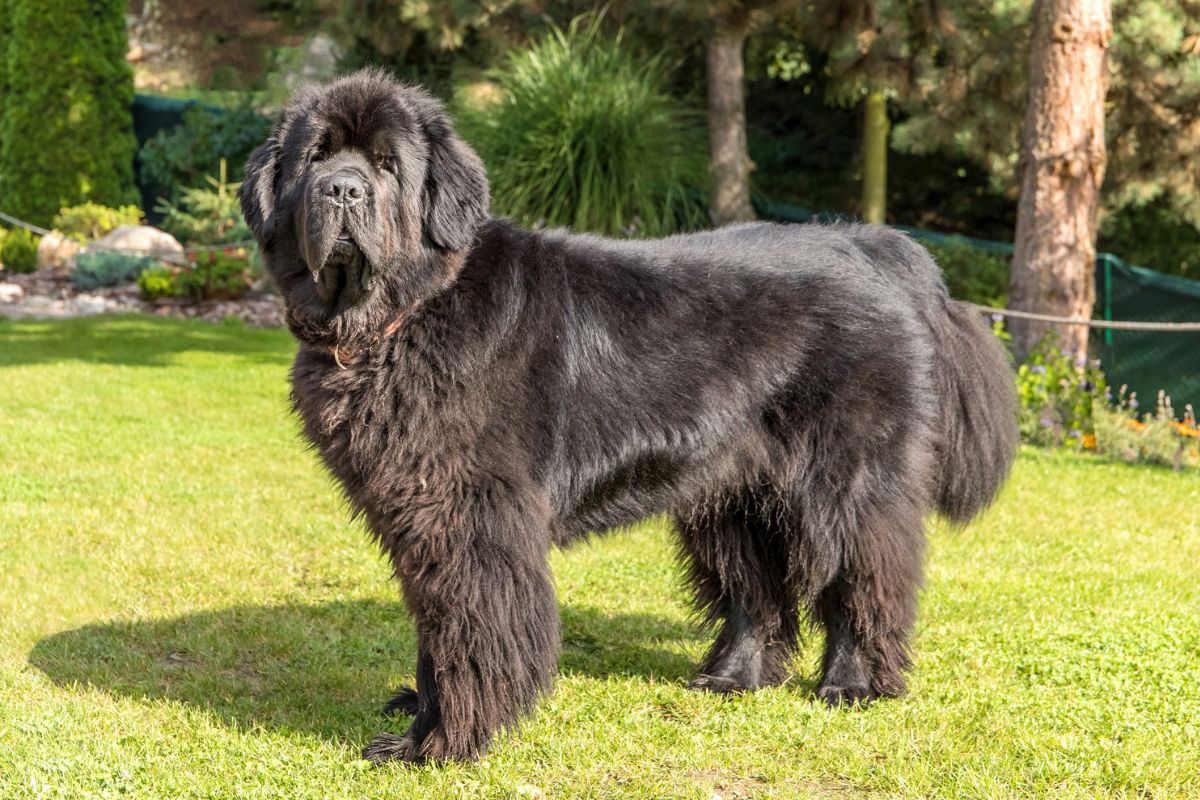
The Newfoundland is a massive working breed nicknamed the “nanny dog” for its watchful patience around children. Males weigh up to 150 pounds and the breed lives 9 to 10 years. Newfoundlands rarely show aggression and are famous for tolerating children climbing, leaning, and lying on them for long stretches.
A Newfoundland’s frame is built like a small bear, with a thick double coat and large webbed feet built for swimming. The sheer scale of the dog is part of the appeal for some families.
People expect giant breeds to be intimidating. Newfoundlands are the opposite: their working history made calm, careful behavior around people a survival trait, not a quirk. The surprising part is how deliberately they move around small children, almost as if checking their footing before each step.
For a child who finds deep, steady pressure calming, a Newfoundland leaning its full weight against them can feel like a slow-motion hug. So if your child responds well to weighted blankets or compression vests, this breed’s body weight alone may offer similar comfort.
- Famous patience with children of all ages
- Heavy body offers deep-pressure comfort
- Low exercise needs indoors
- Drools heavily, especially after drinking
- Can knock over a small child by accident
- Shorter lifespan and high vet costs
Best for: Kids who seek deep pressure · Families with space · Calm-paced households
→ Best giant dog breeds for families
Beagle — “The Steady-Nosed Companion”
| Weight | 20–30 lbs |
| Height | 13–15 inches |
| Lifespan | 10–15 years |
| Energy Level | Moderate to high |
| Grooming Need | Weekly brushing |
| Shedding | Moderate, year-round |
The Beagle is a small-to-medium scent hound built for steady, even temperament rather than guarding instinct. Beagles weigh 20 to 30 pounds and live 10 to 15 years. The National Beagle Club of America describes the breed as consistently good with children, with a cheerful disposition that rarely tips into anxiety.
Their floppy ears and pleading brown eyes give Beagles a famously soft, approachable face. The compact, muscular body is sturdy enough for moderate roughhousing.
People assume hound breeds are hard to control because of their nose-driven instincts. That’s true outdoors, but indoors Beagles are often easygoing and food-motivated, making them simple to redirect with treats. The surprise is how quickly a Beagle’s energy drops once it settles in for the evening.
Beagles also rarely growl or snap defensively, which matters for a child who might unintentionally grab too hard. Their tolerance threshold is well documented and a major reason they appear so often on family-dog lists.
- Sturdy build handles moderate roughhousing
- Low grooming needs, short coat
- Rarely snaps defensively
- Loud baying bark can startle sound-sensitive kids
- Strong nose makes recall training harder
- Prone to obesity and ear infections
Best for: Apartment-friendly families · Kids who handle moderate energy well · Budget-conscious households
→ Best medium dog breeds for families
Saint Bernard — “The Patient Mountain Rescuer”
| Weight | 120–180 lbs |
| Height | 26–30 inches |
| Lifespan | 8–10 years |
| Energy Level | Low to moderate |
| Grooming Need | 2–3x weekly brushing |
| Shedding | Heavy, seasonal |
The Saint Bernard is a giant mastiff-type breed historically used for Alpine rescue work. Males weigh up to 180 pounds and the breed lives 8 to 10 years. Saint Bernards are described by the AKC as watchful, patient, and careful around children, with an instinct to check on a child rather than ignore distress.
The breed’s blocky head, wrinkled brow, and short muzzle give it an expressive, almost worried-looking face that many families find endearing rather than intimidating.
Most people know the Saint Bernard from old rescue paintings. Fewer know that this rescue instinct shows up at home too: many Saints position themselves near a distressed child without being asked, almost like they’re standing watch.
That watchfulness is a real asset for a child who wanders or has limited communication, since a Saint Bernard will often stay close and alert rather than wander off on its own. So if your child needs a dog that won’t drift away during outdoor time, this breed’s homebody instinct works in your favor.
- Strong instinct to watch over children
- Low energy, moderate exercise needs
- Rarely strays far from family
- Short lifespan for the emotional investment
- Drools and sheds heavily
- Can knock down a toddler by accident
Best for: Kids who wander · Families with large, secure yards · School-age children rather than toddlers
→ More giant dog breeds for families
Bichon Frise — “The Hypoallergenic Cuddle Bug”
| Weight | 12–18 lbs |
| Height | 9.5–11.5 inches |
| Lifespan | 14–15 years |
| Energy Level | Moderate, bursts of play |
| Grooming Need | Daily brushing, pro groom monthly |
| Shedding | Minimal, low-allergen coat |
The Bichon Frise is a small, curly-coated companion breed built purely to be a cheerful family pet. It weighs 12 to 18 pounds and often lives 14 to 15 years, one of the longest lifespans on this list. Bichons are widely used in therapy programs for their playful but gentle, non-aggressive nature.
Picture a white powder puff with round, dark eyes and a curled, plumed tail. The Bichon’s coat traps loose hair instead of shedding it onto furniture, which is why allergy specialists often recommend the breed.
People assume small, fluffy dogs are fragile or skittish. Bichons defy that. Bred for centuries purely to entertain and comfort people, they show very little fear response and rarely react badly to loud, unpredictable households.
The real surprise is the Bichon’s long lifespan paired with low aggression, a rare combination that gives families a stable, years-long companion without the size or strength concerns of a bigger breed.
- Low-shedding coat for allergy-prone kids
- Long lifespan near 14–15 years
- Cheerful, rarely fearful temperament
- Daily brushing required to avoid mats
- Too small for very rough handling
- Can develop separation anxiety
Best for: Allergy-prone households · Apartment living · Kids who like gentle, playful companions
→ More dog breeds for families with allergies
Pembroke Welsh Corgi — “The Clever Short Herder”
| Weight | 23–30 lbs |
| Height | 10–12 inches |
| Lifespan | 12–13 years |
| Energy Level | High, needs a job |
| Grooming Need | Weekly brushing |
| Shedding | Heavy, year-round |
The Pembroke Welsh Corgi is a short-legged herding breed known for sharp intelligence and a bold but kindly outlook. Corgis weigh 23 to 30 pounds and live 12 to 13 years. The AKC breed standard specifically calls for an outlook that is “bold, but kindly,” never shy or vicious.
Corgis carry their long body low to the ground on short legs, with large upright ears that give them an alert, fox-like face.
People love Corgis for their personality, and that’s well earned: they’re whip-smart and eager to please. Here’s the part fewer people expect: their herding instinct can show up as gentle heel-nipping during fast, chaotic play, a habit that needs early redirection.
You might be thinking that nipping rules a Corgi out automatically. It doesn’t always, but it’s worth weighing honestly. For a child who startles easily at unexpected touch, that herding nip could be unsettling, so this breed fits best with calmer play styles or older, steadier kids.
- Highly trainable, eager to please
- Compact size suits smaller homes
- Affectionate, rarely aggressive temperament
- May nip at heels during fast play
- Prone to back injury from jumping
- Barks readily without training
Best for: Older, steadier kids · Families wanting a trainable, compact dog
→ Best dog breeds for 5 to 8 year olds
Collie — “The Lassie Dog with a Sixth Sense”
| Weight | 50–75 lbs |
| Height | 22–26 inches |
| Lifespan | 12–14 years |
| Energy Level | Moderate |
| Grooming Need | 2–3x weekly brushing |
| Shedding | Heavy, seasonal |
The Collie is a medium-large herding breed made famous by Lassie, known for sweet temperament and unusual sensitivity to human emotion. Collies weigh 50 to 75 pounds and live 12 to 14 years. The breed is consistently described as tolerant of children, gentle, and quick to notice when something is wrong.
A Rough Collie’s flowing double coat and pointed, fox-like face make it instantly recognizable. The Smooth Collie shares the same build with a much shorter coat.
Most people know Collies through fiction, but the real trait behind the legend is genuine: Collies are unusually attuned to mood changes in the people around them. The surprise is how often owners report their Collie positioning itself near a child mid-meltdown without any cue.
Like the Corgi, Collies carry a herding instinct that can show up as heel-nipping during energetic chase games. So if your child runs and squeals during play, expect to manage that instinct with training rather than assume it will disappear on its own.
- Unusually sensitive to human mood shifts
- Gentle, tolerant with children
- Easy to train with positive methods
- May nip heels during chase games
- Vocal, prone to alarm barking
- Heavy seasonal shedding
Best for: Kids whose moods shift quickly · Families wanting a watchful, emotionally tuned-in dog
→ Best dog breeds for 9 to 12 year olds
Comparing All 10 Breeds Side by Side
This comparison table puts weight, lifespan, energy, and shedding for all 10 breeds in one place. Use it to shortlist two or three breeds before reading their full profiles again. Size and energy level usually narrow the list fastest, since they map directly onto your living space and your stamina for daily exercise.
| Breed | Weight | Lifespan | Energy | Shedding |
|---|---|---|---|---|
| Golden Retriever | 55–75 lbs | 10–12 yrs | High | Heavy |
| Labrador Retriever | 55–80 lbs | 10–14 yrs | High | Heavy |
| Cavalier King Charles Spaniel | 13–18 lbs | 12–15 yrs | Moderate | Light–Mod |
| Standard Poodle | 45–70 lbs | 10–18 yrs | High | Minimal |
| Newfoundland | 100–150 lbs | 9–10 yrs | Low–Mod | Heavy |
| Beagle | 20–30 lbs | 10–15 yrs | Mod–High | Moderate |
| Saint Bernard | 120–180 lbs | 8–10 yrs | Low–Mod | Heavy |
| Bichon Frise | 12–18 lbs | 14–15 yrs | Moderate | Minimal |
| Pembroke Welsh Corgi | 23–30 lbs | 12–13 yrs | High | Heavy |
| Collie | 50–75 lbs | 12–14 yrs | Moderate | Heavy |
Which Dog Breed Is Right for Your Child?
The right breed depends mainly on your child’s sensory profile, your living space, and how much grooming and exercise your family can realistically commit to. There’s no single best answer, but matching the dog’s natural traits to your child’s specific needs prevents most of the common regrets new owners report.
This is the decision point that matters most, so let’s slow down and walk through it directly.
- If your child seeks deep pressure and heavy contact → a Newfoundland or Saint Bernard offers calming body weight without the bounce of a smaller breed.
- If your child startles easily at sudden touch or noise → a Golden Retriever, Labrador, or Cavalier offers steady, predictable behavior with almost no fear-based reaction.
- If allergies are part of the picture too → a Standard Poodle or Bichon Frise covers both the sensory and the allergy concern at once.
- If your child runs, squeals, or moves fast during play → think carefully about Corgis and Collies, since herding instinct can trigger heel-nipping in that exact scenario.
This article covers temperament and breed-level fit for special needs households. If your child’s needs involve a trained psychiatric service dog or a medical alert task, you’ll need a credentialed service-dog organization rather than a pet-store puppy, since those dogs require specialized task training most home owners can’t replicate.
Care Essentials Every New Owner of a Sensitive-Temperament Dog Should Know
Caring for a calm, family-oriented breed means consistent routine, gentle but clear training, and realistic grooming upkeep. Most of the breeds on this list need 30 to 90 minutes of daily activity, weekly to daily brushing, and positive reinforcement training started in puppyhood to lock in their natural steadiness.
Routine matters more than most new owners expect. Dogs that thrive in unpredictable households, like Goldens and Labs, still do better with a fixed feeding and walking schedule. As a result, your child’s daily rhythm and the dog’s daily rhythm can reinforce each other instead of competing.
Start crate or mat training early so your dog has a “safe spot” to retreat to. This protects the dog during a loud meltdown and gives your child a predictable place to find their dog later.
Grooming routines should match your child’s sensory tolerance too. A Bichon or Poodle needs frequent brushing, which can become a calm, shared activity for some kids and an overwhelming chore for others. So if brushing time feels stressful in your home, lean toward shorter-coated breeds like the Beagle or Labrador instead.
What Most People Get Wrong About Choosing a Dog for a Special Needs Child
The most common mistake is assuming “calm breed” means “no training needed.” Even the gentlest breeds on this list require consistent, positive training to stay safe and predictable around a child who communicates or moves differently than expected.
You might be thinking a famously patient breed like the Newfoundland will just naturally know how to behave. Here’s why that’s risky: even the most tolerant dog can react badly to repeated pain, like ear pulling, without ever being “aggressive” by nature. Training and supervision close that gap.
Never leave any dog, regardless of breed reputation, completely unsupervised with a child who cannot reliably communicate distress or pain to either the dog or a caregiver.
Another common mistake is buying from an unscreened breeder. Most experts agree that meeting the puppy’s parents and asking about temperament testing matters more than the breed name on paper. Two Golden Retrievers from different lines can have noticeably different stress tolerance.
Mistakes New Owners Make With These Breeds (And How to Avoid Them)
- Skipping early socialization, which raises the odds of fear reactions later
- Choosing a giant breed without budgeting for higher vet and food costs
- Assuming a small dog can’t be knocked over or hurt during rough play
- Ignoring herding instinct in Corgis and Collies until nipping becomes a habit
Match the breed to your child’s specific sensory profile first, then weigh space, grooming, and budget. A meet-the-parents visit and a few honest questions to the breeder do more for long-term success than the breed name alone.
Conclusion: Your Next Step
The right dog for your family isn’t the most popular breed on a list. It’s the one whose natural temperament matches your child’s specific needs, your home, and your energy for daily care.
Most experts agree that meeting a litter’s parents in person tells you more than any breed description ever will. Start there.
One thing to do right now: Pick your top two breeds from this guide, then call a local breed-specific rescue or reputable breeder this week to ask about meeting an adult dog with a known, tested temperament. I’m Thomas Cutter, and that single phone call is the fastest way to turn this research into a real decision.
Frequently Asked Questions
What is the calmest dog breed for a child with autism?
Golden Retrievers and Labrador Retrievers are widely considered the calmest options, since both breeds dominate therapy and service-dog programs for their low reactivity. Standard Poodles are a close third, especially when allergies are also a concern in the household.
Are small dogs or big dogs better for special needs kids?
Neither size is automatically better. Small breeds like the Cavalier suit kids who get overwhelmed by big movement, while giant breeds like the Newfoundland suit kids who seek deep, steady pressure. The right choice depends on your child’s specific sensory profile.
Do service dogs and pet dogs need different breeds?
Not necessarily the same breed, but a different process. Service dogs need formal task training from a credentialed organization, while a family pet from this list simply needs a calm temperament and basic obedience. Don’t expect a pet-store puppy to perform medical alert tasks without professional training.
How do I know if a puppy will grow up calm?
Meet both parents in person and ask the breeder about temperament testing. A calm, confident mother dog is one of the strongest predictors of a calm adult puppy, more reliable than breed alone.
Can herding breeds like Corgis still work for sensitive kids?
Yes, with extra training around their nipping instinct. Corgis and Collies are gentle and affectionate, but their herding drive can surface as heel-nipping during fast, chaotic play, so early redirection training matters more with these breeds than with retrievers.

Thomas Cutter is a lifelong dog owner and the founder of FindOutAboutDogs.com. With over 10 years of hands-on experience owning multiple breeds, Thomas created this site to provide honest, research-based dog advice that real owners can actually trust.
