Best 10 Dog Breeds for Toddlers — Calm, Sturdy Picks for Real Family Life
Quick Answer
The best 10 dog breeds for toddlers are Golden Retriever, Labrador Retriever, Cavalier King Charles Spaniel, Beagle, Bulldog, Collie, Newfoundland, Bernese Mountain Dog, Basset Hound, and Standard Poodle. The safest pick depends on size, energy, training, and close adult supervision.
| Best Toddler Need | Best Breed Pick |
|---|---|
| Gentle first family dog | Golden Retriever |
| Busy active home | Labrador Retriever |
| Small calm home | Cavalier King Charles Spaniel |
| Low-energy family life | Bulldog or Basset Hound |
Choose a toddler-friendly dog this way:
- Choose Golden Retriever for gentle all-round family life.
- Choose Cavalier for small homes and calm toddlers.
- Choose Basset Hound for slower indoor energy.
- Choose Standard Poodle for low shedding and training.
Your toddler drops a snack, squeals with joy, then runs toward the dog bed.
That sweet moment can feel cute and risky at once.
I’m Thomas Cutter, a lifelong dog owner and breed researcher. I know one truth well.
The best toddler dog is not just cute. It must be calm, sturdy, trained, and watched.
If your home also has an infant, compare this guide with dog breeds for families with babies.
- No breed is safe without adult supervision.
- Sturdy, patient dogs often fit toddlers best.
- Small fragile breeds can struggle with rough toddler touch.
- Training matters as much as breed choice.
- Match the dog’s energy to your real home.


What Makes a Dog Breed Good for Toddlers?
A good dog breed for toddlers is calm, sturdy, trainable, and tolerant of normal family noise. The dog should recover fast from surprise sounds, accept clear rules, and move with care around small children. Size matters, but temperament matters more. A gentle large dog can be safer than a tiny fragile dog. Most experts agree that child-dog safety depends on supervision, training, health, and daily routine. The AVMA dog bite prevention guide says young children need adult supervision around dogs. The ASPCA dogs and babies guide also stresses respect for a dog’s body, space, and belongings. So the best breed is only the starting point. Your home habits decide the result.
You already know toddlers move fast. But here’s the thing.
Dogs often react to speed before they think. A calm breed helps lower that risk.
When a toddler hugs too hard, a patient dog may freeze. That taught me to watch stillness.
You might be thinking a “kid-friendly” label is enough. Here’s why it isn’t.
Every dog has limits. Toddlers also miss warning signs like yawning, lip licking, and turning away.
Pick a dog with calm recovery, not just a sweet face.
Now let’s look at the breeds that fit that rule best.
What Are the Best 10 Dog Breeds for Toddlers?
The best 10 dog breeds for toddlers are Golden Retriever, Labrador Retriever, Cavalier King Charles Spaniel, Beagle, Bulldog, Collie, Newfoundland, Bernese Mountain Dog, Basset Hound, and Standard Poodle. These breeds often offer a strong mix of patience, family focus, and trainable behavior. Still, no breed removes the need for adult control. A toddler can trip, grab ears, touch food bowls, or wake a sleeping dog. That is why each breed below includes size, energy, grooming, pros, cons, and best fit. Use this list as a smart first filter. Then meet the dog, ask about history, and watch real behavior around noise. The right breed should make family life calmer, not busier.
If your child is older than toddler age, see this guide to family dog breeds for kids.
Golden Retriever — Toddler-Friendly Dog With a Soft Heart
 Save
Save| Weight | 55 to 75 pounds |
| Height | 21.5 to 24 inches |
| Lifespan | 10 to 12 years |
| Energy Level | Medium to high |
| Grooming Need | Weekly brushing |
| Shedding | Moderate to heavy |
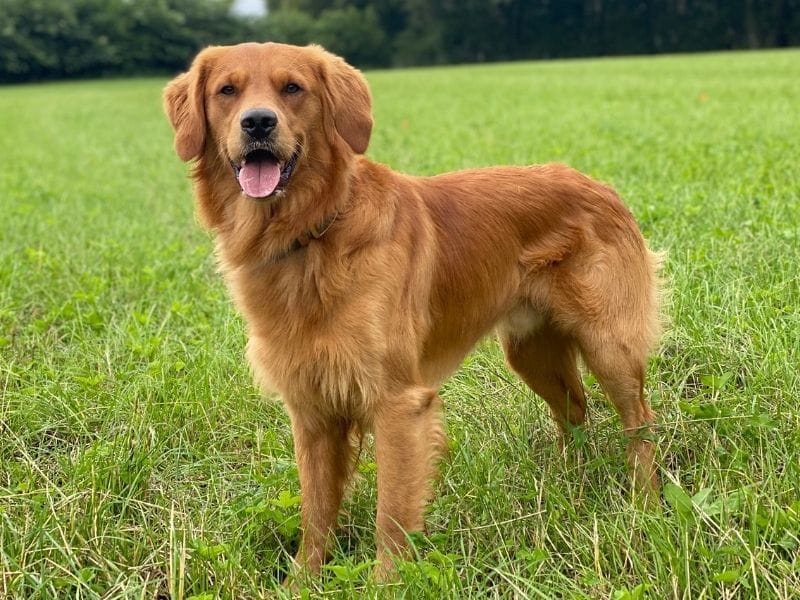
Golden Retriever is a toddler-friendly dog breed known for patience, softness, and eager training. This medium-large breed has enough size to handle family life. Goldens often enjoy gentle play and steady routines. They suit families that can give walks, brushing, and kind daily training.
Golden Retrievers have a dense golden coat and kind, open eyes. Their feathered tail often shows joy before the face does.
Most people expect a sweet family dog. But Goldens also need clear rules. Even gentle mouths can carry toddler toys.
Family note: A Golden may follow a toddler from room to room. That bond feels sweet, but nap zones still matter.
- Patient with family noise
- Learns routines fast
- Strong but gentle build
- Sheds a lot seasonally
- Needs daily exercise
- May carry toddler toys
Best for: First-time families · Active homes · Gentle toddlers
Labrador Retriever — Toddler-Friendly Dog With Playful Patience
| Weight | 55 to 80 pounds |
| Height | 21.5 to 24.5 inches |
| Lifespan | 11 to 13 years |
| Energy Level | High |
| Grooming Need | Weekly brushing |
| Shedding | Heavy seasonal shedding |
Labrador Retriever is a sturdy toddler-friendly dog breed known for cheerful energy and trainability. Labs are large enough for busy homes and eager enough to learn rules. They often enjoy games, walks, and family action. They suit active parents who can teach calm greetings early.
Labs have a short, dense coat and a strong body. Their thick tail can sweep snacks off tables.
You may expect pure friendliness. But young Labs can jump hard. The wow factor is their food drive.
Family note: A Lab may love toddlers deeply. Still, leash practice helps before free play indoors.
- Very food motivated
- Sturdy family body
- Enjoys outdoor play
- Young Labs jump often
- Needs daily hard play
- Sheds more than expected
Best for: Active parents · Yard homes · Outdoor toddlers
Cavalier King Charles Spaniel — Toddler-Friendly Dog for Calm Homes
| Weight | 13 to 18 pounds |
| Height | 12 to 13 inches |
| Lifespan | 12 to 15 years |
| Energy Level | Moderate |
| Grooming Need | Brush 2 to 3 times weekly |
| Shedding | Moderate |
Cavalier King Charles Spaniel is a small toddler-friendly dog breed known for gentle manners and soft companionship. Cavaliers are less intense than many small breeds. They enjoy laps, short walks, and close family time. They suit calm homes with toddlers who can learn soft hands.
Cavaliers have round eyes, silky ears, and a soft outline. Their face often looks open and kind.
Most people expect a lap dog. But Cavaliers still need walks. Their gift is steady indoor warmth.
Family note: A Cavalier may sit near toys, not inside chaos. That calm helps small homes.
- Gentle indoor nature
- Good apartment size
- Lower exercise needs
- Needs careful handling
- Dislikes long lonely days
- Needs ear care
Best for: Apartments · Calm toddlers · First-time owners
Beagle — Toddler-Friendly Dog With Happy Pack Energy
| Weight | 20 to 30 pounds |
| Height | 13 to 15 inches |
| Lifespan | 10 to 15 years |
| Energy Level | High |
| Grooming Need | Weekly brushing |
| Shedding | Moderate |
Beagle is a toddler-friendly dog breed known for cheerful pack behavior and sturdy size. Beagles are small enough for tight homes but strong enough for family play. They enjoy smells, walks, and company. They suit homes that can manage noise, food, and leash rules.
Beagles have soft ears, bright eyes, and a square little body. Their white tail tip helps you spot them.
You may expect a merry playmate. But the nose rules first. Hide snacks higher than you think.
Family note: A Beagle may follow crumbs before commands. Food gates help more than scolding.
- Sturdy medium-small size
- Social pack nature
- Enjoys family games
- Can bay loudly
- Food stealing is common
- Nose beats recall
Best for: Playful families · Food-rule homes · Small yards
Bulldog — Toddler-Friendly Dog With Couch-Level Calm
 Save
Save| Weight | 40 to 50 pounds |
| Height | 14 to 15 inches |
| Lifespan | 8 to 10 years |
| Energy Level | Low to moderate |
| Grooming Need | Weekly brushing and face cleaning |
| Shedding | Moderate |
Bulldog is a toddler-friendly dog breed known for low energy, sturdy build, and slow movement. Bulldogs do not need hard exercise. Their broad body can handle gentle family life well. They suit calm homes that can manage heat, weight, skin folds, and short walks.
Bulldogs have a wide chest, thick legs, and a wrinkled face. Their body looks built for naps.
People expect laziness, but Bulldogs still need structure. Their surprise skill is steady patience indoors.
Family note: A Bulldog may ignore toddler chaos. Still, heat and stairs need adult care.
- Low indoor energy
- Very sturdy body
- Short walks often work
- Poor heat tolerance
- Needs skin fold care
- Can be stubborn
Best for: Calm homes · Apartment families · Short-walk routines
Collie — Toddler-Friendly Dog With Watchful Family Sense
| Weight | 50 to 75 pounds |
| Height | 22 to 26 inches |
| Lifespan | 12 to 14 years |
| Energy Level | Medium to high |
| Grooming Need | Weekly brushing |
| Shedding | Moderate to heavy |
Collie is a toddler-friendly dog breed known for watchful manners, soft nature, and strong family focus. Collies often notice child movement fast. Their herding roots need calm training, not chaos. They suit families that enjoy walks, brushing, and clear indoor rules.
Collies have a long head, alert ears, and a graceful frame. Rough Collies have a full flowing coat.
You may expect a gentle guardian. But Collies can herd running kids. The magic is their focus.
Family note: A Collie may block hallway races. Train that care into calm waiting.
- Reads family routines
- Often gentle indoors
- Enjoys structured training
- May herd running toddlers
- Can bark at changes
- Rough coat sheds
Best for: Training homes · Gentle toddlers · Routine-based families
Newfoundland — Toddler-Friendly Dog With Gentle Giant Calm
| Weight | 100 to 150 pounds |
| Height | 26 to 28 inches |
| Lifespan | 9 to 10 years |
| Energy Level | Medium |
| Grooming Need | High brushing need |
| Shedding | Heavy |
Newfoundland is a giant toddler-friendly dog breed known for calm patience and deep family devotion. Its size can feel safe but also needs space. Newfoundlands often move slowly and tolerate noise well. They suit homes that can handle drool, hair, training, and cost.
Newfoundlands have a huge frame, thick coat, and soft bear-like face. Their paws look almost unreal.
Most people see only size. But the true trait is calm force. Even their steps feel slow.
Family note: A Newfoundland may lie near playtime like furniture. Teach toddlers not to climb.
- Very calm presence
- Patient family nature
- Less frantic indoors
- Huge size needs space
- Heavy drool and hair
- Higher food costs
Best for: Large homes · Calm families · Giant-breed fans
Bernese Mountain Dog — Toddler-Friendly Dog With Gentle Strength
| Weight | 70 to 115 pounds |
| Height | 23 to 27.5 inches |
| Lifespan | 7 to 10 years |
| Energy Level | Medium |
| Grooming Need | Weekly brushing |
| Shedding | Heavy seasonal shedding |
Bernese Mountain Dog is a large toddler-friendly dog breed known for gentle strength and family warmth. Berners are big, soft-natured, and often patient indoors. Their size needs training from puppyhood. They suit families that want a calm large dog and can manage shedding.
Berners have a black, white, and rust coat that stands out. Their face often looks warm and serious.
You may expect a slow giant. But puppies grow fast and bounce hard. Early leash work matters.
Family note: A Berner puppy can outweigh a toddler fast. Teach four paws down early.
- Gentle large-dog nature
- Usually calm indoors
- Strong family bond
- Shorter average lifespan
- Heavy coat shedding
- Puppies grow powerful fast
Best for: Large homes · Calm toddlers · Cold-weather families
Basset Hound — Toddler-Friendly Dog With Slow, Sweet Energy
| Weight | 40 to 65 pounds |
| Height | Up to 15 inches |
| Lifespan | 12 to 13 years |
| Energy Level | Low to moderate |
| Grooming Need | Weekly brushing and ear care |
| Shedding | Moderate |
Basset Hound is a toddler-friendly dog breed known for slow movement, sturdy build, and patient home manners. Bassets are low to the ground but surprisingly heavy. They often prefer calm routines over chaos. They suit families that can manage ears, weight, and food rules.
Bassets have long ears, deep eyes, and heavy paws. Their low body makes them look older than they are.
You may expect a lazy dog. But the nose can take over. A fence matters more than speed.
Family note: A Basset may nap through toy noise. Food smell wakes them fast.
- Slow toddler-safe pace
- Sturdy low body
- Lower exercise demand
- Can ignore recall
- Needs ear cleaning
- Gains weight easily
Best for: Calm homes · Slow routines · Ground-level play
If your home also has cats, compare choices with dog breeds for families with cats.
Standard Poodle — Toddler-Friendly Dog With Smart Low-Shedding Charm
 Save
Save| Weight | 40 to 70 pounds |
| Height | Over 15 inches |
| Lifespan | 10 to 18 years |
| Energy Level | Medium to high |
| Grooming Need | High grooming need |
| Shedding | Low |
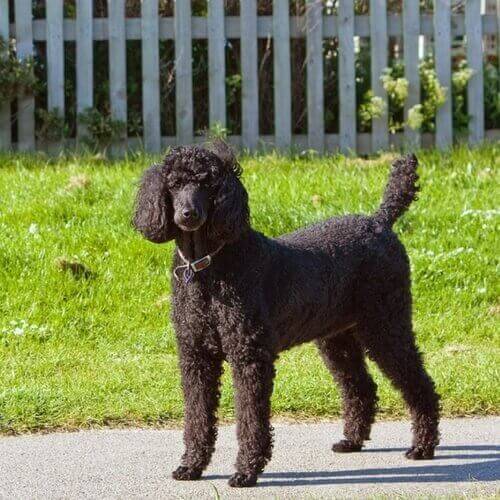
Standard Poodle is a toddler-friendly dog breed known for brains, low shedding, and strong trainability. Standard size works better with toddlers than toy size. Poodles learn house rules fast and enjoy games. They suit families that can afford grooming and mental work.
Standard Poodles have tight curls and a proud, square frame. Their coat can stay short and neat.
People expect a fancy dog. But Poodles are athletes. The surprise is how fast they learn moods.
Family note: A Standard Poodle may learn toy cleanup routines fast. Keep training fun and short.
- Very quick learner
- Low loose hair
- Good family size
- Grooming costs stay high
- Gets bored quickly
- Needs mental games
Best for: Allergy-aware homes · Training fans · Active families
For more low-shedding options, see dog breeds for families with allergies.
How Do These Toddler-Friendly Dog Breeds Compare Side by Side?
The fastest way to compare toddler-friendly dog breeds is to look at size, energy, grooming, and risk points together. A Golden Retriever may be the best all-round choice, but it sheds and needs exercise. A Cavalier may fit small homes, but toddlers must handle it softly. A Bulldog may suit calm indoor life, but heat care matters. A Newfoundland may be gentle, but its size and cost are real. So do not choose from cuteness alone. Choose from your daily rhythm. Most experts agree that a breed match works best when your family can meet the dog’s real needs. The table below helps you see the trade-offs quickly.
| Breed | Best Fit | Main Watch-Out |
|---|---|---|
| Golden Retriever | Best all-round family choice | Shedding and daily exercise |
| Labrador Retriever | Active outdoor families | Jumping and high energy |
| Cavalier King Charles Spaniel | Small calm homes | Gentle handling needed |
| Beagle | Playful family homes | Noise and food stealing |
| Bulldog | Low-energy indoor families | Heat and skin fold care |
| Collie | Routine-focused families | Herding running toddlers |
| Newfoundland | Large calm homes | Size, drool, and cost |
| Bernese Mountain Dog | Gentle large-dog homes | Shorter lifespan and shedding |
| Basset Hound | Slow indoor routines | Strong nose and weight gain |
| Standard Poodle | Low-shedding training homes | High grooming cost |
Which Toddler-Friendly Dog Breed Is Right for You?
The right dog breed for your toddler depends on your home size, child’s energy, grooming budget, and time for training. If you want the safest all-round start, choose a Golden Retriever from a careful breeder or rescue. If you need a small calm dog, choose a Cavalier. If you want less loose hair, choose a Standard Poodle. If your home is quiet and slow, choose a Bulldog or Basset Hound. But breed choice should never replace a meet-and-greet. Watch how the dog reacts to noise, food, sudden movement, and gentle touch. That real reaction tells you more than any list.
If you are a first-time parent with a busy home, choose Golden Retriever. If you live in an apartment, choose Cavalier. If you want lower shedding, choose Standard Poodle. If you need slow indoor energy, choose Basset Hound or Bulldog.
When families rush the choice, they often pick looks first. That taught me a better rule.
Pick the daily routine first. Then pick the breed that fits that routine.
You might be thinking puppies are always safer. Here’s why that can be wrong.
A calm adult dog with child history may fit better than a wild puppy.
Now let’s cover the care rules that make any choice safer.
What Care Basics Keep Toddlers and Dogs Safe?
The care basics that keep toddlers and dogs safe are simple but strict. Never leave a toddler alone with a dog. Teach soft hands, quiet feet, and no touching during meals. Give the dog a safe zone where the child cannot follow. Feed the dog away from toddler traffic. Train “leave it,” “place,” and calm greetings early. Use gates when adults are busy. Most experts agree that supervision works best when it is active, not passive. That means you watch body language and step in early. The AKC dog breed library can help you compare breed traits, but your rules shape daily safety.
Here’s why that matters. Toddlers do not mean harm, but dogs read actions fast.
When a child grabs fur, the dog may feel trapped. That taught me to teach space first.
- Use baby gates during meals and naps.
- Teach toddlers to pet shoulders, not faces.
- Keep chew toys away from child play zones.
- Stop chase games before they start.
- Reward the dog for calm toddler watching.
So if you want peace, set the room up before problems happen.
What Most People Get Wrong About Dog Breeds for Toddlers?
Most people get one idea wrong about dog breeds for toddlers: they think a “good with kids” breed is safe by default. That is not how dogs work. Breed can raise your odds, but it cannot remove stress, pain, fear, poor training, or rough handling. A sweet dog may still snap if a toddler falls on it. A calm dog may still guard food. A tiny dog may bite because it feels unsafe. A large gentle dog may knock a toddler down by accident. The better view is simple. Breed helps you choose. Training and supervision keep the home safe.
Never let toddlers climb, hug hard, or disturb a sleeping dog.
Many families also think small dogs are safer. But size can fool you.
Tiny dogs often feel scared near quick toddler hands. So if your child is rough, avoid fragile breeds.
Good question — what should you do instead?
Choose a sturdy dog. Then teach your child how to act around it.
What Mistakes Should New Family Dog Owners Avoid?
The biggest mistakes new family dog owners make are choosing by looks, skipping training, ignoring body language, and leaving toddlers too much freedom. A cute puppy photo does not show adult energy. A breed label does not show past stress. A calm dog still needs rest. A toddler still needs rules. Good homes prevent problems before they grow. Start with short, calm sessions. End play before the dog gets tense. Give both child and dog breaks. Most experts agree that safe dog ownership is a daily habit, not a one-time choice.
- Do not choose only from online breed lists.
- Do not let toddlers touch food bowls.
- Do not punish growling. Respect the warning.
- Do not skip puppy socialization classes.
- Do not expect children to train the dog.
When a dog growls, many owners panic. That taught me one vital lesson.
A growl is useful data. It tells you the dog needs space now.
So what does that mean? Your next step is simple and practical.
Build a safe routine before the dog joins the home.
Conclusion
The best dog breeds for toddlers are calm, sturdy, and trainable.
Golden Retriever is the best all-round choice for many families.
But the safest home comes from adult supervision, not breed alone.
Do this right now: write your top 3 must-have dog traits, then match them to this list. I’m Thomas Cutter, and that 2-minute step can stop a rushed choice.
Frequently Asked Questions
What is the best dog breed for toddlers overall?
Golden Retriever is the best dog breed for toddlers overall for many homes. It offers patience, trainability, sturdy size, and a gentle family style. Still, it needs exercise, brushing, and close adult supervision around small children.
Are small dogs good for toddlers?
Some small dogs are good for toddlers, but fragile toy breeds can struggle. Cavaliers are one of the better small choices because they are gentle and calm. Still, toddlers must learn soft hands and quiet handling.
Should I get a puppy or adult dog for my toddler?
An adult dog with proven child experience can be better than a puppy. Puppies bite, jump, chew, and need constant training. A calm adult rescue may already show the steady behavior your toddler needs.
Can any dog breed be trusted alone with a toddler?
No dog breed should be trusted alone with a toddler. Even gentle dogs can react to pain, fear, food guarding, or surprise movement. Active adult supervision is the safest rule for every breed.
What breeds should families with toddlers avoid?
Families with toddlers should avoid fragile, high-drive, or strong guarding breeds unless they have expert support. Very tiny dogs may feel unsafe near toddlers. Powerful breeds with poor training history also need careful review before joining a young family
Thomas Cutter is a lifelong dog owner and the founder of FindOutAboutDogs.com. With over 10 years of hands-on experience owning multiple breeds, Thomas created this site to provide honest, research-based dog advice that real owners can actually trust.
