10 Best Dog Brushes for Australian Cattle Dogs in 2026: Tame the Shedding, Protect the Coat
Your Australian Cattle Dog sheds twice a year — for six months at a time. That’s the joke Heeler owners…
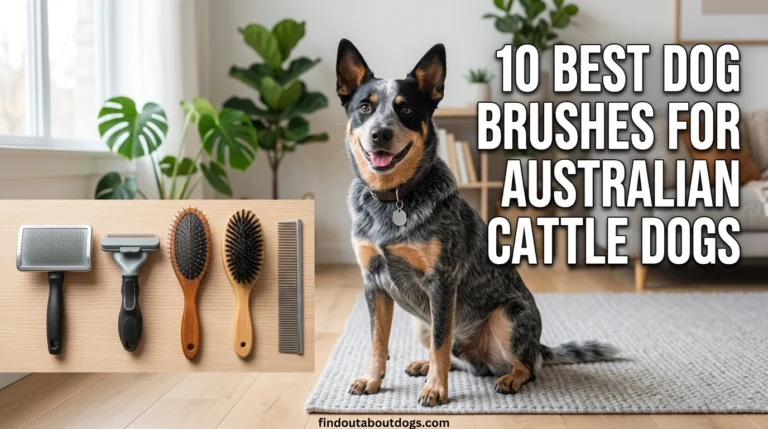
Your Australian Cattle Dog sheds twice a year — for six months at a time. That’s the joke Heeler owners…
Your Maltese has the kind of coat that stops people on the street — until it doesn’t. That single, silky…
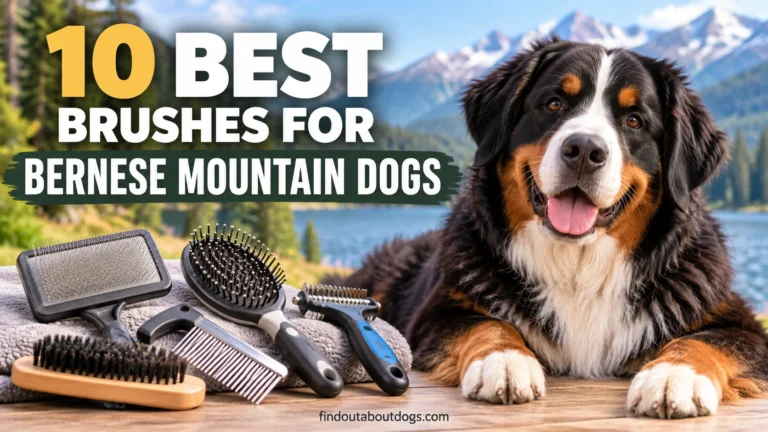
Your Bernese Mountain Dog sheds enough fur each spring to stuff a second Berner, and the brush you grabbed at…

Australian Shepherds have thick double coats that shed year-round and often develop mats around the ears, legs, and tail. Regular…
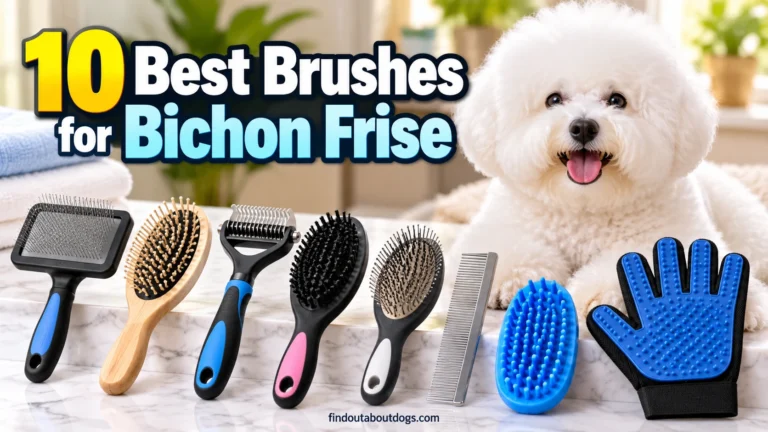
Your Bichon looks like a walking cloud until you run your fingers through the coat and hit a marble-sized knot…
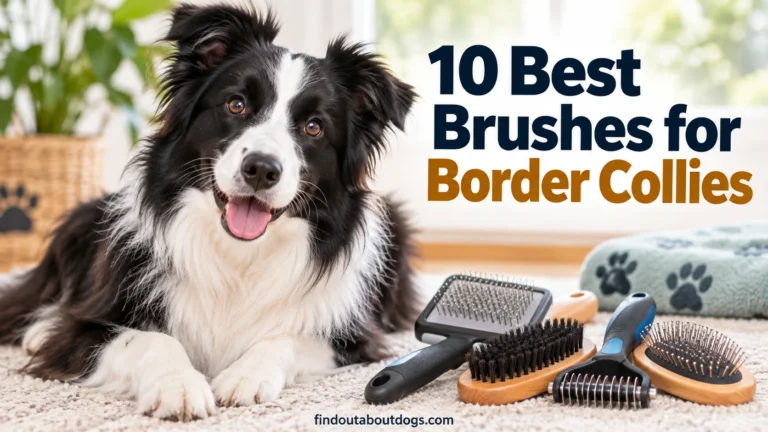
Border Collies have one of the most demanding double coats in the herding breed world — a dense, weather-resistant undercoat…
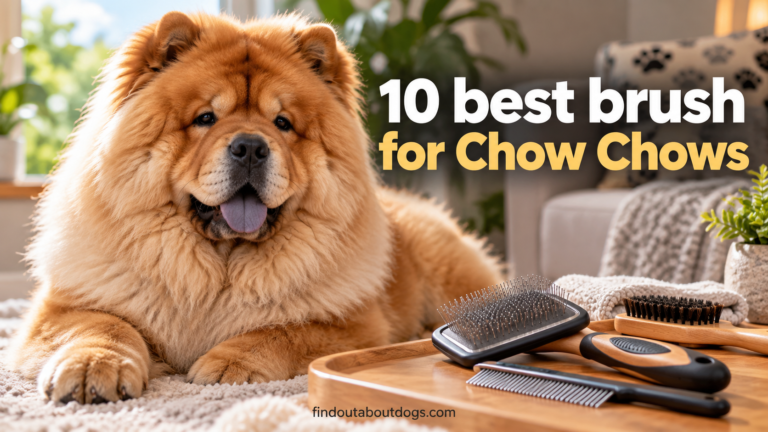
A Chow Chow can look perfectly brushed on top while loose undercoat and tangles remain packed close to the skin….
If you live with an American Eskimo, you already know the truth: that cloud of white fur on your black…
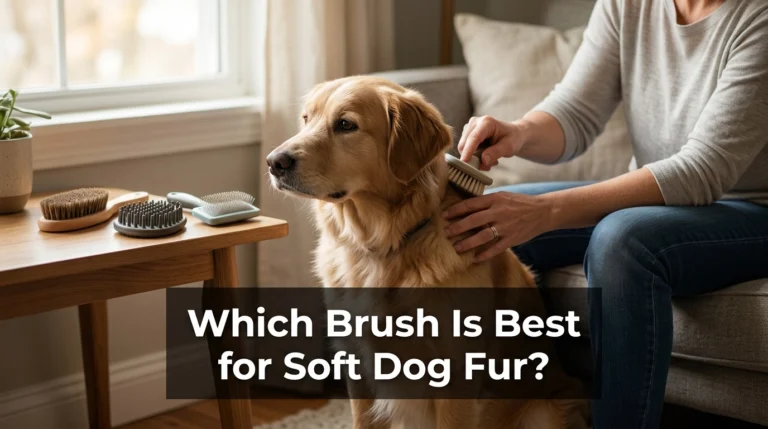
Quick Answer For most dogs with soft, smooth, short fur, a soft bristle brush or flexible rubber grooming brush is…
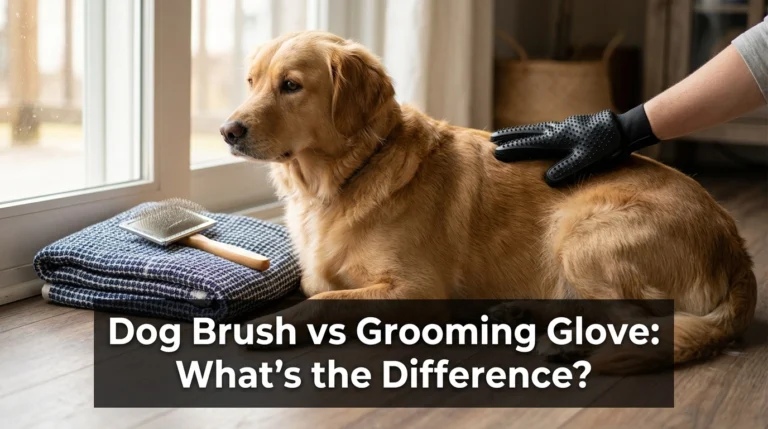
Quick Answer A dog brush is usually better for detangling, reaching through thick coats, removing undercoat, and dealing with mats….
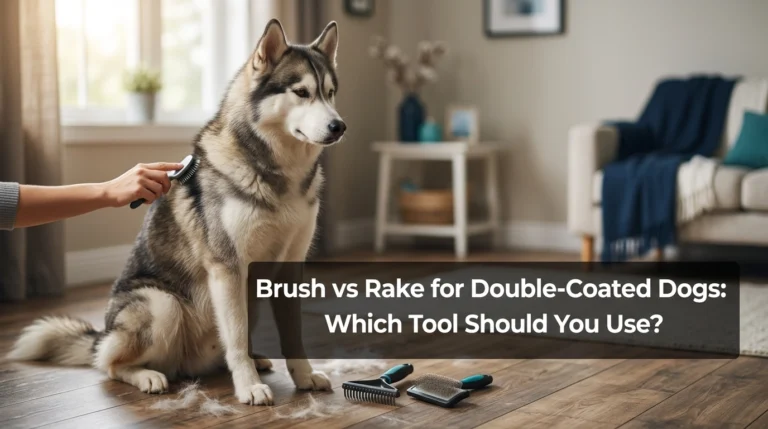
Quick Answer For most double-coated dogs, a brush and an undercoat rake do different jobs rather than competing for the…
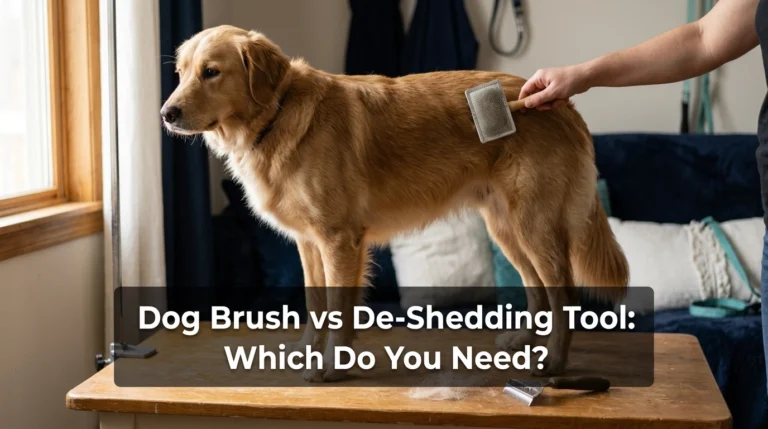
Quick Answer A dog brush is the better everyday tool for removing surface hair, preventing tangles, smoothing the coat, and…
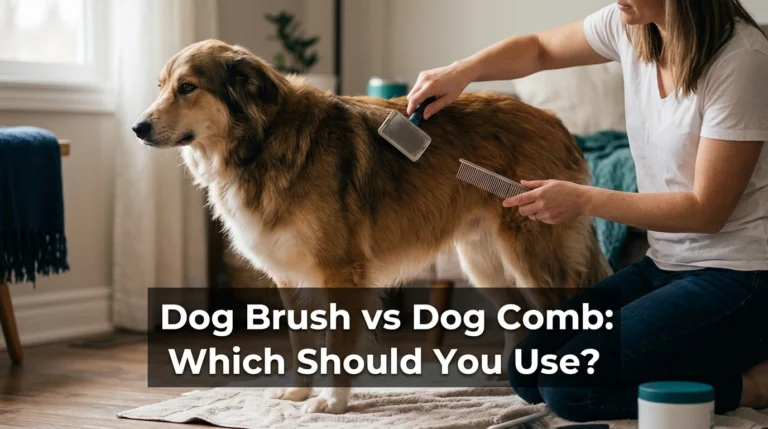
Quick Answer A dog brush is usually best for removing loose hair, smoothing the coat, and handling larger areas. A…
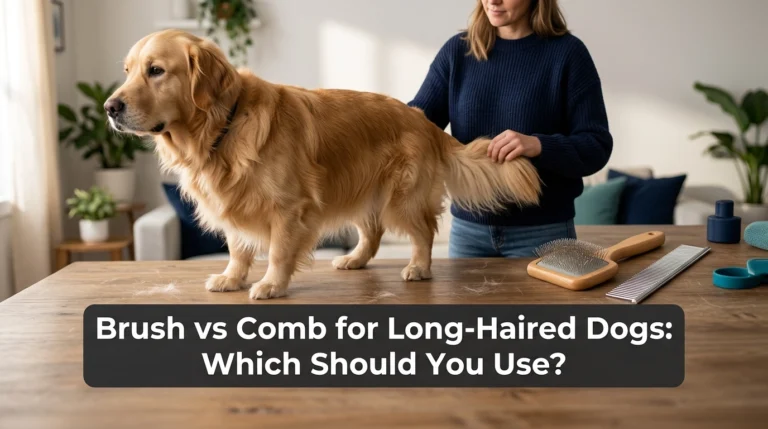
Quick Answer For most long-haired dogs, you should use both a brush and a comb rather than choosing only one….
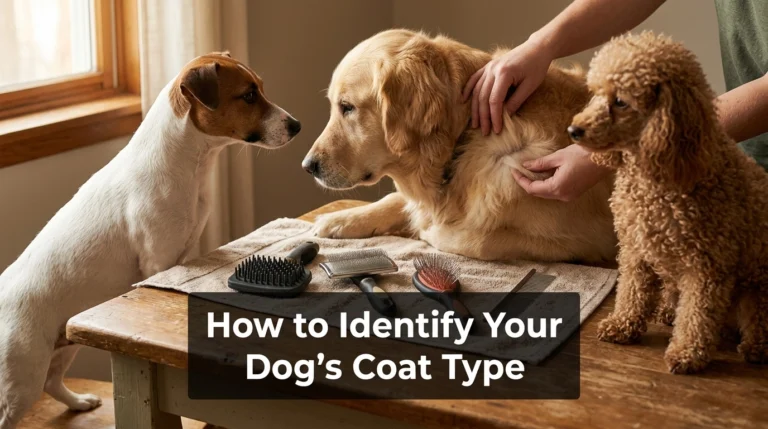
Quick Answer To identify your dog’s coat type, look at four things: hair length, texture, whether an undercoat is present,…
