What Is a Dog De-Shedding Tool? How It Works and When to Use One
Quick Answer A dog de-shedding tool is a grooming tool designed to reach through the outer coat and remove loose,…
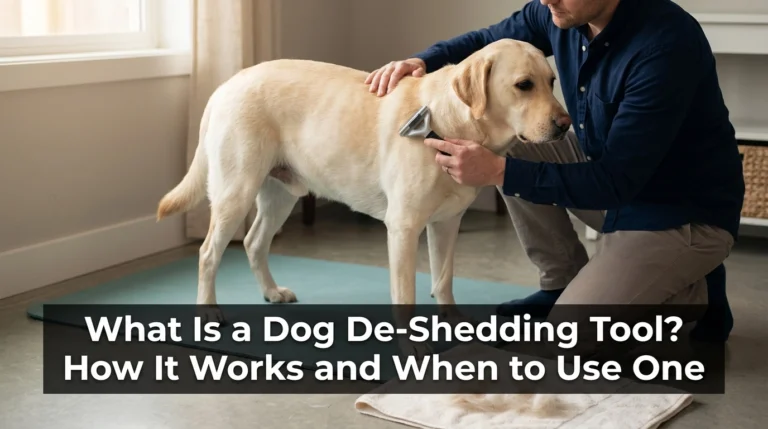
Quick Answer A dog de-shedding tool is a grooming tool designed to reach through the outer coat and remove loose,…
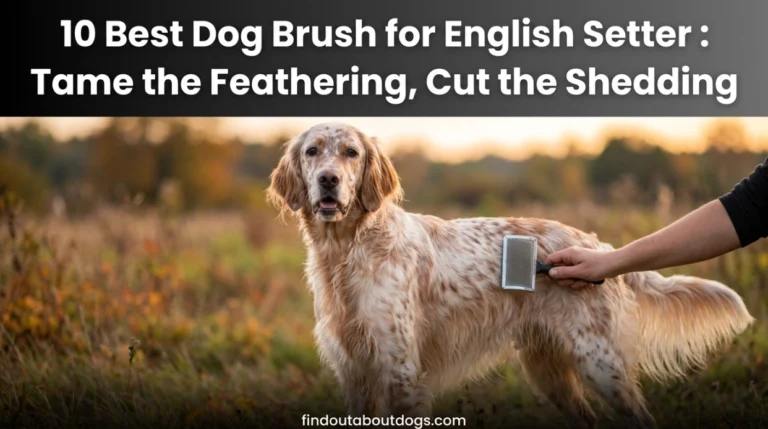
Your English Setter has the kind of coat that stops people on the street — silky, feathered, and deceptively high-maintenance….

Quick Answer Dog de-shedding tools work by catching and removing loose hair that is already dead or ready to release…
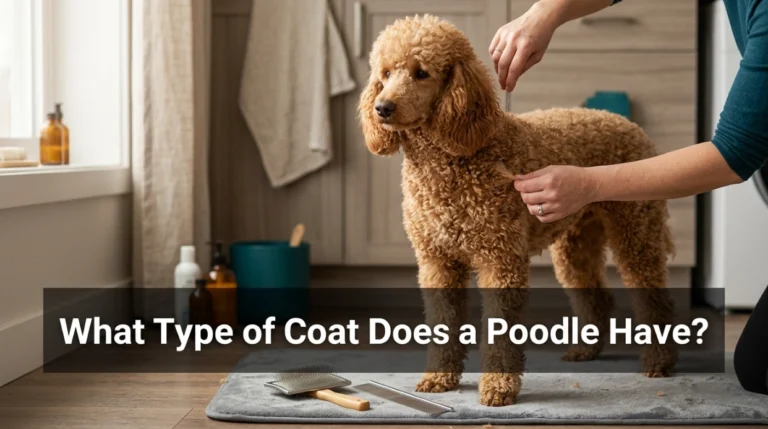
Quick Answer A Poodle has a dense, curly, single coat that grows continuously and sheds much less loose hair than…
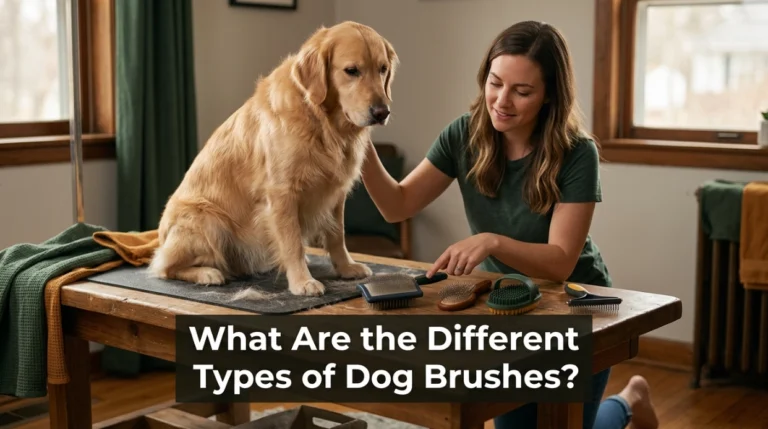
Quick Answer The main types of dog brushes are slicker brushes, bristle brushes, pin brushes, rubber curry brushes or grooming…
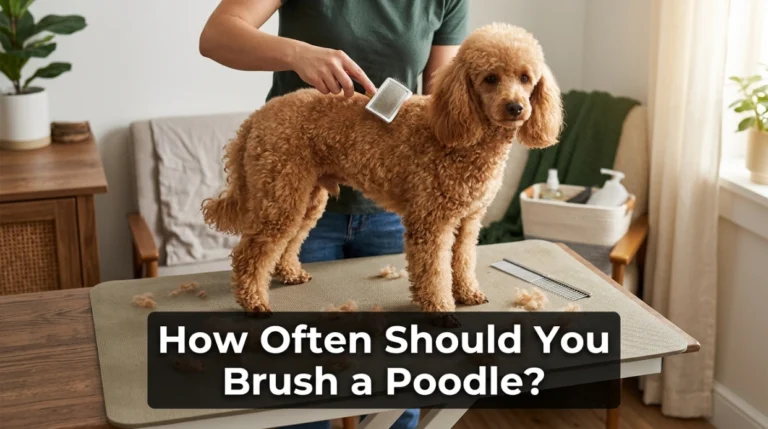
Quick Answer Most Poodles should be brushed at least every other day, while Poodles with medium or long coats often…
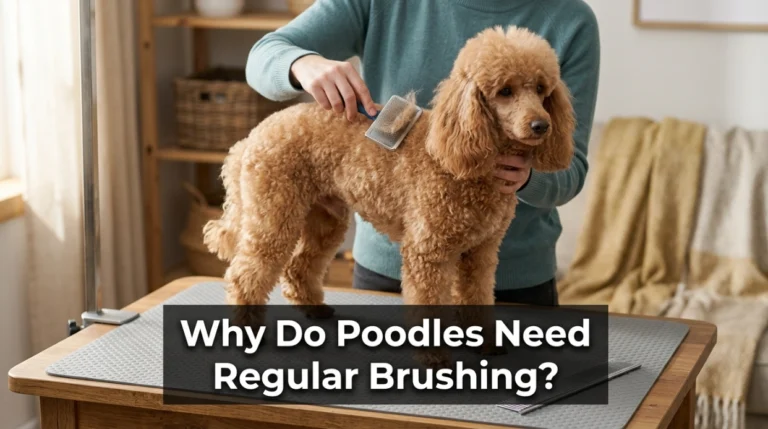
Quick Answer Poodles need regular brushing because their dense, curly coat can trap loose hair and form tangles close to…
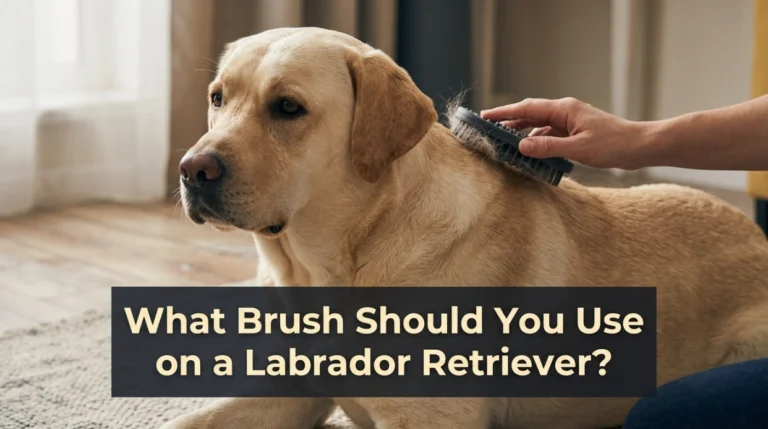
Quick Answer For most Labrador Retrievers, I recommend a rubber curry brush as the main everyday grooming tool. It works…

Quick Answer To manage shedding in a Labrador Retriever, brush the coat several times each week, increase to short daily…
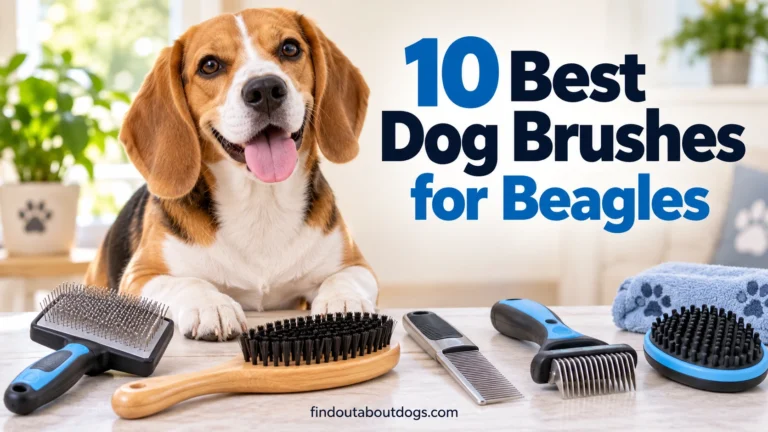
Beagles look low-maintenance, but their short double coat can release a surprising amount of hair throughout the year. The challenge…
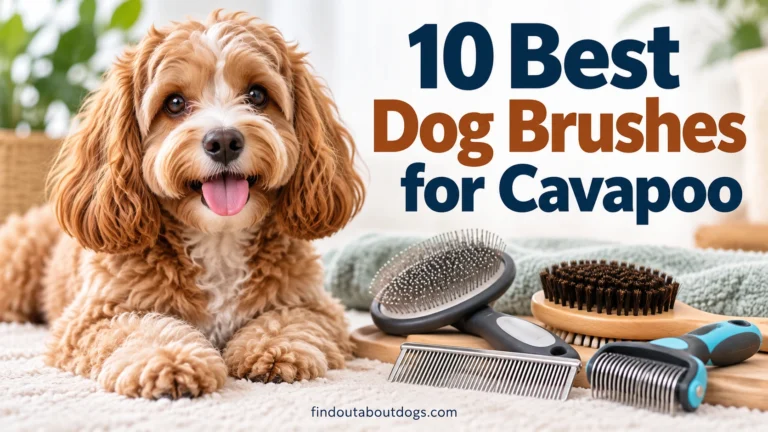
If you own a Cavapoo, you already know the truth: that soft, wavy coat that makes them look like a…

If you own a Bernedoodle, you already know the truth nobody mentions before you bring one home: that teddy-bear coat…

Your Cane Corso looks like a single-coated dog — sleek, short, almost maintenance-free. Then spring hits, and you realize the…

A Bernese Mountain Dog can look freshly brushed on top while loose undercoat, small tangles, and packed hair are still…

Your Australian Kelpie’s double coat was built for long days of herding in dust, sun, and brush — not for…
