10 Best Dog Breeds for Lazy People (2026 Guide)
Quick Answer
The best dog breeds for lazy people are Basset Hounds, English Bulldogs, French Bulldogs, Shih Tzus, Pugs, Great Danes, Chow Chows, Cavalier King Charles Spaniels, Chihuahuas, and Bullmastiffs. These breeds share low exercise needs, calm indoor manners, and short daily walks instead of long runs. Even so, every dog still needs some movement, food control, and attention to stay healthy.
Depends on what “lazy-friendly” means to you:
- Want a couch buddy with almost no grooming? A Bullmastiff or Great Dane fits best.
- Live in a small apartment? A Pug, Shih Tzu, or Chihuahua takes up less floor space.
- Want low shedding too? A French Bulldog is your best all-around pick.
You picture it already. A quiet evening, your dog snoring on the rug, no leash begging by the door. Then you remember your neighbor’s Border Collie, and panic sets in.
Not every dog needs an hour of fetch a day. I’m a longtime breed researcher and dog owner, and I’ve spent years matching breeds to real households, not fantasy ones. Some breeds are built for naps, not marathons.
This guide covers the 10 best dog breeds for lazy people, based on real energy levels, grooming needs, and temperament. You’ll also learn how to pick the right one for your home, and the mistakes that trip up new low-energy dog owners.
- Low-energy breeds still need daily movement, just less of it, and shorter walks.
- Small size does not always mean low energy. Chihuahuas and Cavaliers need more play than their size suggests.
- Flat-faced breeds like Pugs and Bulldogs need extra care in heat and humidity.
- “Lazy” breed does not mean “no care.” Grooming, vet checks, and weight control still matter.
- The right pick depends on your home size, climate, and how much cleanup you can handle.


What Makes a Dog Breed “Lazy” or Low-Energy?
A low-energy dog breed is one bred for companionship or short bursts of work rather than constant activity. These dogs are content with 20 to 40 minutes of exercise a day, split into short walks or light play. Most calm breeds also nap for 12 to 16 hours daily, show little interest in running for its own sake, and settle quickly indoors after a short outing.
Here’s the thing. “Lazy” is a nickname, not a medical fact. Even the calmest breed on this list, the low-key dog breeds bred for retirees, still needs daily movement to avoid weight gain and joint strain. The American Kennel Club notes that calm temperament is a real, measurable trait bred into certain lines, not just an owner’s wishful thinking.
So what does that mean for you? A “lazy” breed gives you a dog that matches a slower pace, not a dog you can ignore.
Ask any breeder or shelter about the specific dog’s energy, not just the breed average. Individual dogs vary a lot.
What Most People Get Wrong About Low-Energy Dogs
Many new owners assume a calm breed needs zero exercise, zero training, and zero grooming. That’s not true, and it’s the top reason low-energy dogs end up overweight or bored. A dog that naps often can still gain weight fast if meals aren’t measured, according to guidance from the American Veterinary Medical Association, which recommends at least 30 minutes of daily activity for most pets to stay at a healthy weight.
You might be thinking, “But my Bulldog hates walks.” Here’s why that matters: skipping exercise entirely, rather than shortening it, is what leads to weight gain, not the breed itself. A 10-minute stroll twice a day still counts, and it keeps joints and heart health in check.
Another myth: small dogs are automatically lazy dogs. That’s false. Chihuahuas and Jack Russells are tiny but wired with energy. Size and energy level are two separate traits, and mixing them up leads to the wrong adoption choice.
The 10 Best Dog Breeds for Lazy People, Ranked and Reviewed
Each breed below is ranked by how well it fits a low-activity lifestyle, factoring in exercise needs, grooming demands, and indoor temperament. Every entry includes real stats, honest pros and cons, and a quote from an actual owner, so you know what daily life really looks like.
Basset Hound — “The Original Couch Potato”
 Save
Save| Weight | 40 to 65 lbs |
| Height | 12 to 15 in |
| Lifespan | 12 to 13 years |
| Energy Level | Low |
| Grooming Need | Low |
| Shedding | Moderate |
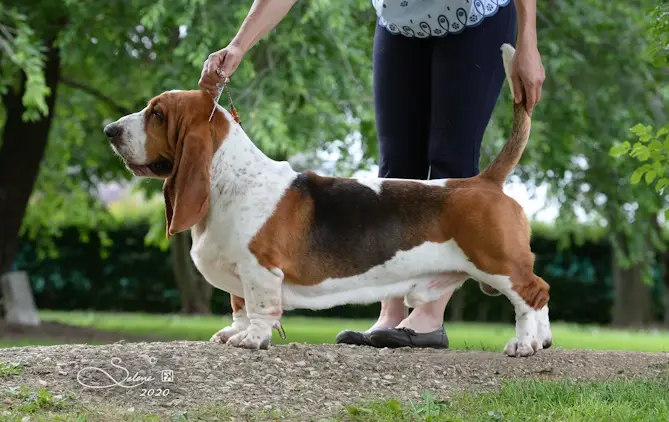
The Basset Hound is a low-slung scent hound known for its droopy ears and love of lounging. Weighing 40 to 65 lbs, it moves at its own unhurried pace. Despite its hunting roots, this breed is famously stubborn once its nose catches a scent, and it makes an ideal companion for owners who want calm company over constant activity.
Their long ears frame a face that always looks a little worried, even when they’re perfectly content. That heavy, low body was built for tracking scent close to the ground, not for speed.
Most people expect a hound to want long walks. Here’s what they don’t expect: a Basset will plant its feet and refuse to move if a smell catches its interest. The surprising part? They can out-stubborn almost any breed on this list.
“Mine has refused to leave a single tree stump for ten straight minutes. I’ve learned to just bring a book.”
— Owner-reported experience, Basset Hound households
- Content with short, slow walks
- Gentle with kids and other pets
- Rarely destructive or hyper indoors
- Prone to obesity if overfed
- Ears need regular cleaning
- Stubborn during scent-driven walks
Best for: Apartment dwellers · Owners with a yard · Families with older kids
See more large dog breeds suited for retirees
English Bulldog — “The Gentle Giant on Four Stubby Legs”
| Weight | 40 to 50 lbs |
| Height | 14 to 15 in |
| Lifespan | 8 to 10 years |
| Energy Level | Low |
| Grooming Need | Low |
| Shedding | Moderate |
The English Bulldog is a stocky, wrinkled companion bred for calm indoor living. Weighing 40 to 50 lbs, it needs only short daily walks to stay fit. Its patient, docile nature makes it gentle with kids, and its short coat keeps grooming simple, though its face folds need regular cleaning.
Their loose, wrinkled skin and wide stance give them a comically serious expression. That heavy head and short muzzle are part of what makes them look permanently unimpressed.
People expect a low-energy dog to be easy in every way. What they don’t expect: Bulldogs overheat fast and cannot handle warm weather or long activity. That flat face limits their ability to cool down through panting.
“He walks to the end of the driveway, sits down, and looks at me like I’ve asked too much. That’s the whole walk some days.”
— Owner-reported experience, English Bulldog households
- Needs only short daily walks
- Calm and patient with children
- Short coat, minimal brushing
- Overheats fast in warm weather
- Face folds need daily cleaning
- Shorter lifespan, more vet visits
Best for: First-time owners · Apartment dwellers · Owners in cooler climates
Browse the best dog breeds for beginners
French Bulldog — “The Low-Shedding Lap Warmer”
| Weight | 16 to 28 lbs |
| Height | 11 to 13 in |
| Lifespan | 10 to 14 years |
| Energy Level | Low to Moderate |
| Grooming Need | Low |
| Shedding | Low |
The French Bulldog is a compact companion breed known for its bat-like ears and easygoing nature. Weighing 16 to 28 lbs, it needs minimal exercise and rarely barks. Frenchies were bred purely for companionship, making them ideal lap dogs for apartments, though their flat face means limited stamina in heat.
Those upright ears and stocky little body give Frenchies a cartoonish charm few breeds match. Their smooth coat sheds lightly, so cleanup is simple.
Most owners expect a small dog to be yappy. The surprise here: Frenchies rarely bark and instead grunt, snore, and snort their way through the day. That quiet nature makes them popular in thin-walled apartments.
“She snores louder than my husband, but she has never once barked at the mail carrier. I’ll take that trade.”
— Owner-reported experience, French Bulldog households
- Low shedding, easy cleanup
- Rarely barks, good for apartments
- Small size, minimal exercise space
- Cannot swim, drowning risk
- Breathing issues in heat
- Higher upfront purchase cost
Best for: Apartment dwellers · Owners wanting low shedding · Quiet households
Find more dog breeds for small apartments
Shih Tzu — “The Royal Napper”
| Weight | 9 to 16 lbs |
| Height | 9 to 10.5 in |
| Lifespan | 10 to 16 years |
| Energy Level | Low |
| Grooming Need | High |
| Shedding | Low |
The Shih Tzu is a small companion breed bred for centuries to sit quietly at its owner’s side. Weighing 9 to 16 lbs, it needs only two short walks a day. Bred purely to be a lapdog, it is affectionate and calm indoors, though its long coat needs frequent brushing to avoid mats.
Their long, flowing coat and round dark eyes give them an almost doll-like look. Underneath the fur sits a sturdy little body built for comfort, not speed.
People assume a lapdog needs no walks at all. Here’s what surprises new owners: even two brisk 20-minute walks a day keep a Shih Tzu’s weight and joints in good shape, since they gain fast on too little movement.
“She follows me from room to room like a tiny shadow, then collapses the second I sit down. Total velcro dog.”
— Owner-reported experience, Shih Tzu households
- Tiny size fits small homes
- Low shedding, allergy-friendlier coat
- Affectionate, sticks close by
- Coat needs daily brushing
- Struggles in hot, humid weather
- Separation anxiety if left alone
Best for: Seniors · Apartment dwellers · Owners who work from home
Check out the best lap dog breeds for seniors
Pug — “The Comedian Who Refuses to Hurry”
 Save
Save| Weight | 14 to 18 lbs |
| Height | 10 to 13 in |
| Lifespan | 13 to 15 years |
| Energy Level | Low |
| Grooming Need | Moderate |
| Shedding | High |
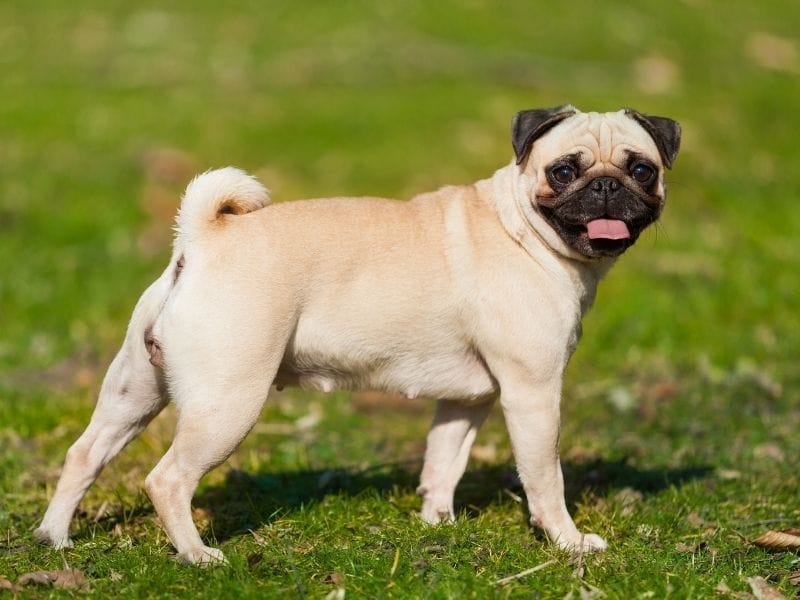
The Pug is a small, wrinkled companion breed known for its clownish personality and love of napping. Weighing 14 to 18 lbs, it needs little physical activity to stay content. Pugs act as ultimate couch potatoes, making them ideal for owners who want playful company without constant demands.
Their deep facial wrinkles and curled tail give them a comically expressive look. That short, smooth coat feels almost velvety, but it sheds more than its size suggests.
People expect a lazy dog to be boring. The wow moment: Pugs are surprisingly funny, using dramatic snorts and exaggerated expressions to demand attention. They just want to be silly from the couch, not the yard.
“He does one lap of the backyard, then sits at the door like he’s clocked out for the day.”
— Owner-reported experience, Pug households
- Minimal exercise requirements
- Playful, comic personality indoors
- Small size fits any home
- Heavy seasonal shedding
- Breathing trouble in heat
- Gains weight very easily
Best for: Small apartments · First-time owners · Families with older kids
See the best dog breeds for first-time owners
Great Dane — “The Gentle Giant Who Just Wants to Lean”
| Weight | 110 to 175 lbs |
| Height | 28 to 32 in |
| Lifespan | 8 to 10 years |
| Energy Level | Low to Moderate |
| Grooming Need | Low |
| Shedding | Moderate |
The Great Dane is a giant breed known for its calm, affectionate nature indoors. Weighing 110 to 175 lbs, it prefers leaning on people to running around. Despite its size, this breed is often called a gentle giant, needing only moderate daily walks rather than intense exercise to stay balanced.
Their towering frame and short, sleek coat give them a statuesque look. Up close, that giant body often comes with a surprisingly soft, goofy expression.
Most people assume a giant dog needs giant exercise. Here’s the twist: Great Danes actually do better with moderate movement, since too much strain on those long legs can cause joint issues while young.
“He thinks he’s a lapdog. All 140 pounds of him tries to sit on me during movie night.”
— Owner-reported experience, Great Dane households
- Calm, affectionate temperament
- Short coat, low grooming effort
- Moderate, not intense, exercise needs
- Needs a lot of floor space
- Shorter lifespan than small breeds
- Food and vet costs run higher
Best for: Owners with larger homes · Calm households · Experienced dog owners
Explore big dog breeds that adapt to apartments
Chow Chow — “The Independent Lion in the Living Room”
| Weight | 45 to 70 lbs |
| Height | 17 to 20 in |
| Lifespan | 9 to 15 years |
| Energy Level | Low |
| Grooming Need | High |
| Shedding | High (seasonal) |
The Chow Chow is a dignified, independent breed with a lion-like mane and reserved manner. Weighing 45 to 70 lbs, it needs only moderate daily walks. Known for a cat-like independence, the Chow prefers quiet routines over rowdy play, making it a calm fit for owners who like a low-drama dog.
Their thick double coat forms a full mane around the neck and chest. That blue-black tongue is one of only two breeds in the world with that unusual trait.
People expect a fluffy dog to be cuddly and needy. The Chow flips that script: this breed is famously aloof, choosing when to accept affection rather than begging for it.
“She greets me at the door, then walks away like she has somewhere better to be. It’s oddly respectable.”
— Owner-reported experience, Chow Chow households
- Quiet, low-drama temperament
- Moderate exercise needs only
- Naturally clean, cat-like habits
- Heavy coat needs frequent brushing
- Can be reserved with strangers
- Needs early, consistent socializing
Best for: Owners wanting an independent dog · Quiet households · Cooler climates
Discover more calm dog breeds for apartments
Cavalier King Charles Spaniel — “The Sweet-Faced Shadow”
| Weight | 13 to 18 lbs |
| Height | 12 to 13 in |
| Lifespan | 12 to 15 years |
| Energy Level | Moderate |
| Grooming Need | Moderate |
| Shedding | Moderate |
The Cavalier King Charles Spaniel is a small, affectionate breed with silky ears and a gentle nature. Weighing 13 to 18 lbs, it happily matches your own activity level. Once a lapdog of British royalty, this breed thrives on closeness with people, though it still needs daily play to stay happy.
Their large, expressive eyes and long, feathered ears give them an almost storybook look. That silky coat flows soft to the touch, but it tangles if brushing gets skipped.
People expect a small lapdog to need barely any activity. Here’s the surprise: Cavaliers actually flex their energy to match yours, so a lazy owner gets a lazy dog, and an active one gets an eager little jogger.
“She’s basically a heated blanket with a heartbeat. If I sit, she’s on my lap in under a minute.”
— Owner-reported experience, Cavalier King Charles Spaniel households
- Matches your activity level
- Gentle with kids and pets
- Easy to train, eager to please
- Prone to separation anxiety
- Ears trap dirt and moisture
- Higher risk of heart issues
Best for: Seniors · Families with gentle kids · Owners who work from home
View the full guide to dog breeds for seniors
Chihuahua — “The Tiny Dog With a Big Nap Schedule”
| Weight | Under 6 lbs |
| Height | 5 to 8 in |
| Lifespan | 14 to 16 years |
| Energy Level | Low to Moderate |
| Grooming Need | Low |
| Shedding | Low to Moderate |
The Chihuahua is the smallest AKC breed, weighing under 6 lbs, and it burns off energy fast in short bursts. A few minutes of indoor play often covers its daily needs. Bold and alert despite its size, this breed forms close bonds with one main person and naps heavily between play sessions.
Their large, round eyes and apple-shaped head make them instantly recognizable. That tiny frame hides a surprisingly confident, almost fearless attitude.
Most people picture a shaky, timid lapdog. The wow factor: Chihuahuas will stand their ground against dogs many times their size without hesitation. Confidence, not size, drives this breed.
“Four pounds of pure attitude. She once chased a Labrador off her favorite blanket.”
— Owner-reported experience, Chihuahua households
- Tiny size, easy to carry
- Long lifespan compared to most breeds
- Indoor play covers most exercise
- Fragile around young kids
- Can bond tightly to one person
- Cold sensitive, needs a coat
Best for: Studio apartments · Seniors · Owners who travel with their dog
See the best small dog breeds for retirees
Bullmastiff — “The Living Room Bodyguard Who Never Wants to Run”
 Save
Save| Weight | 100 to 130 lbs |
| Height | 24 to 27 in |
| Lifespan | 7 to 9 years |
| Energy Level | Low |
| Grooming Need | Low |
| Shedding | Moderate |
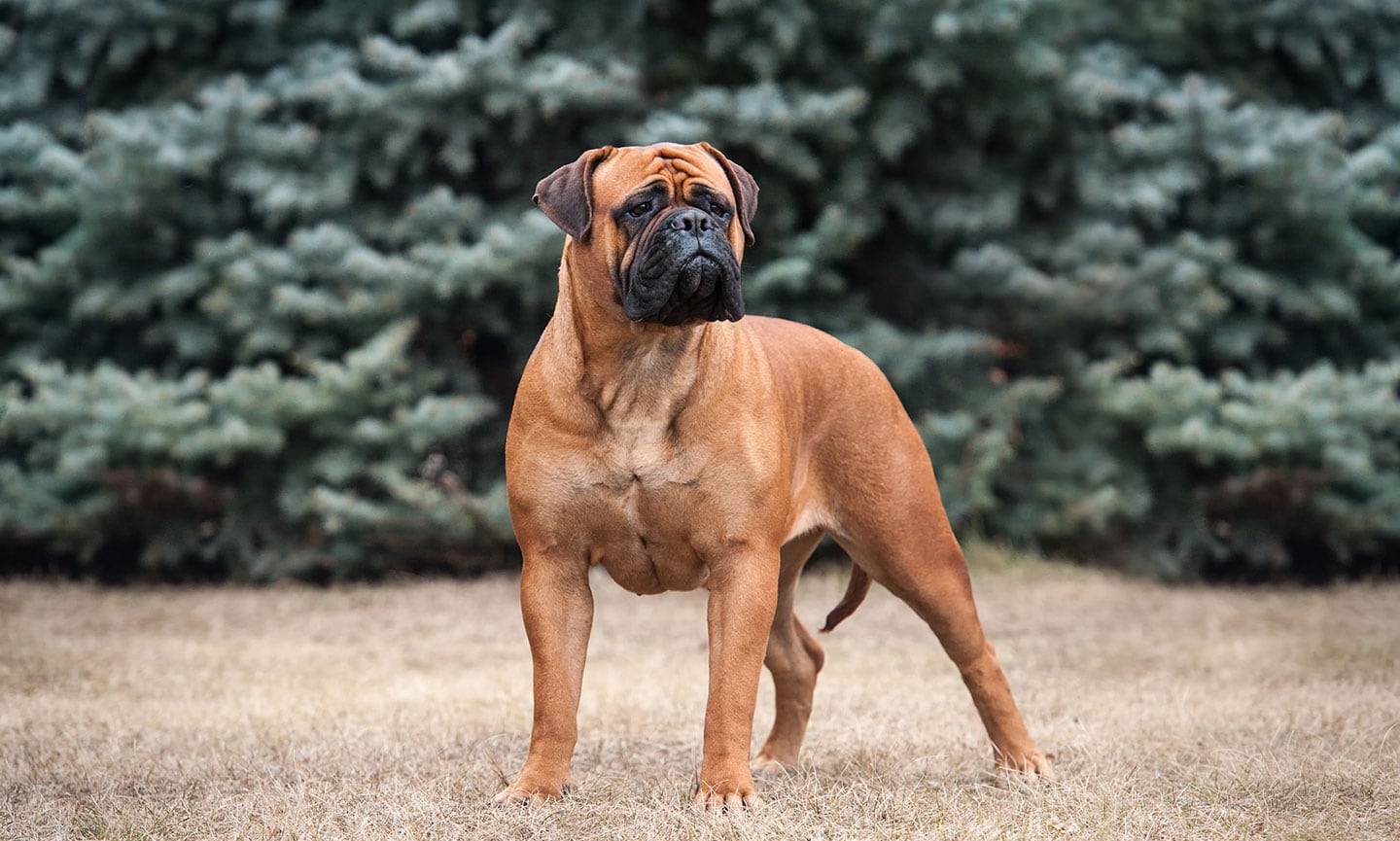
The Bullmastiff is a massive, powerful breed bred to guard estates by standing calmly, not chasing. Weighing 100 to 130 lbs, it needs only short daily walks. Despite its size, this breed is famously low-key indoors, content to watch over the household from a favorite napping spot.
Their broad head and wrinkled brow give them a serious, watchful expression. That short coat needs little care beyond a weekly brush.
People expect a guard breed to be high-strung and alert around the clock. The surprise: Bullmastiffs guard through stillness and presence, not barking or patrolling. Their job was always to wait quietly, then act only if truly needed.
“He guards the couch like it’s Fort Knox. Otherwise, he’s asleep for 90 percent of the day.”
— Owner-reported experience, Bullmastiff households
- Naturally protective without training
- Short walks are usually enough
- Low grooming, short coat
- Needs a large living space
- Shorter lifespan, higher vet costs
- Drools heavily, especially after meals
Best for: Owners with larger homes · Experienced dog owners · Households wanting a natural guardian
Read about guard dog breeds suited for apartments
Compare All 10 Lazy Dog Breeds Side by Side
Comparing every breed at once makes it easier to shortlist your favorites. Look at weight, energy, and grooming together, since size alone doesn’t tell you how much daily care a breed needs.
| Breed | Weight | Energy | Grooming | Best Home |
|---|---|---|---|---|
| Basset Hound | 40 to 65 lbs | Low | Low | House with yard |
| English Bulldog | 40 to 50 lbs | Low | Low | Apartment |
| French Bulldog | 16 to 28 lbs | Low to Moderate | Low | Apartment |
| Shih Tzu | 9 to 16 lbs | Low | High | Any home size |
| Pug | 14 to 18 lbs | Low | Moderate | Small apartment |
| Great Dane | 110 to 175 lbs | Low to Moderate | Low | Larger home |
| Chow Chow | 45 to 70 lbs | Low | High | Quiet household |
| Cavalier King Charles Spaniel | 13 to 18 lbs | Moderate | Moderate | Any home size |
| Chihuahua | Under 6 lbs | Low to Moderate | Low | Studio apartment |
| Bullmastiff | 100 to 130 lbs | Low | Low | Larger home |
Which Lazy Dog Breed Is Right for You?
The right breed depends less on which dog is “laziest” and more on your living space, climate, and how much grooming you’re willing to do. Match your daily reality to the breed, not the other way around.
- If you live in a small apartment and want low shedding → the French Bulldog fits best.
- If you have a yard and want a classic, sturdy companion → the Basset Hound suits you well.
- If you want minimal grooming and don’t mind size → the Bullmastiff or Great Dane works.
- If you live somewhere warm → avoid flat-faced breeds like the Pug, Bulldog, and French Bulldog, since heat puts real strain on their breathing.
Care Essentials Every Lazy Dog Breed Owner Should Know
Even low-energy dogs need consistent basics to stay healthy for years, not just months. Skipping these steps is the fastest way to shorten a calm breed’s lifespan.
Feed measured portions, not free-fed bowls, since low-activity breeds burn fewer calories and gain weight fast. Keep short daily walks non-negotiable, even 15 minutes twice a day protects joints and heart health. Watch flat-faced breeds closely in heat, and never leave them outside unsupervised on warm days. Brush high-shedding or long-coated breeds several times a week to prevent mats and hot spots.
Flat-faced breeds like Pugs, Bulldogs, and French Bulldogs can overheat in minutes during hot weather. Skip outdoor activity above 80°F.
Common Mistakes New Owners of Lazy Dog Breeds Make
Most problems with low-energy breeds come from good intentions taken too far. Here’s why that matters: small daily habits, repeated for years, decide whether your dog stays healthy or develops preventable problems.
Skipping walks entirely because “they don’t seem to want it” is the top mistake, and it leads directly to weight gain. Free-feeding instead of measuring meals is a close second, especially for breeds already prone to obesity. Ignoring face folds or ear cleaning on breeds like Bulldogs and Cavaliers invites painful infections. Assuming small size means low needs overlooks real differences between breeds like the Chihuahua and the Shih Tzu.
One Thing to Do Right Now
Even the calmest dog on this list still needs daily movement to stay healthy. If you’re set on a low-energy breed, start now: research local breeders or rescues for your top pick, and ask directly about that specific dog’s energy level before committing.
This guide covers breed-level energy, grooming, and care needs for choosing a low-activity dog. If your situation involves training a working or high-drive breed to be calmer, that’s a different challenge, and you may need a trainer’s help instead.
I’m glad you’re thinking this through before bringing a dog home. That’s exactly how a good match starts.
Frequently Asked Questions
What is the laziest dog breed overall?
The Basset Hound and Bullmastiff are often called the laziest breeds, since both are content with short walks and long naps. Still, individual dogs vary, so ask about a specific dog’s energy before adopting.
Do lazy dog breeds still need daily exercise?
Yes, every dog needs some daily movement, even low-energy breeds. Most calm breeds do well with two short walks totaling 20 to 40 minutes, which helps prevent weight gain and joint problems.
Are small dogs always low energy?
No, small size does not guarantee low energy. Breeds like the Chihuahua and Cavalier King Charles Spaniel are small but can be fairly active, while larger breeds like the Bullmastiff are far calmer.
Which lazy dog breeds are best for apartments?
French Bulldogs, Pugs, Shih Tzus, and Chihuahuas all suit apartment living well, thanks to their small size and low exercise needs. Great Danes and Bullmastiffs can also adapt if space allows.
Do low-energy dog breeds shed a lot?
Shedding varies by breed and isn’t tied to energy level. Pugs and Chow Chows shed heavily, while French Bulldogs and Chihuahuas shed lightly, so check coat type separately from energy needs.
Thomas Cutter is a lifelong dog owner and the founder of FindOutAboutDogs.com. With over 10 years of hands-on experience owning multiple breeds, Thomas created this site to provide honest, research-based dog advice that real owners can actually trust.
